



Understanding the Risks of Athlete's Foot During the Rainy Season in Japan
The Impact of the Rainy Season on Athlete's Foot Incidence
The rainy season in Japan presents a unique set of health challenges, especially regarding the rise of athlete's foot, medically known as tinea pedis. A recent survey conducted by the IC Clinic group, which operates multiple clinics in Tokyo, has brought to light some startling statistics about the prevalence of this fungal infection among adults. According to the findings, approximately 33.7% of adults have experienced athlete's foot, heightening the risk of spreading the infection to family members and colleagues due to ineffective self-treatment methods.
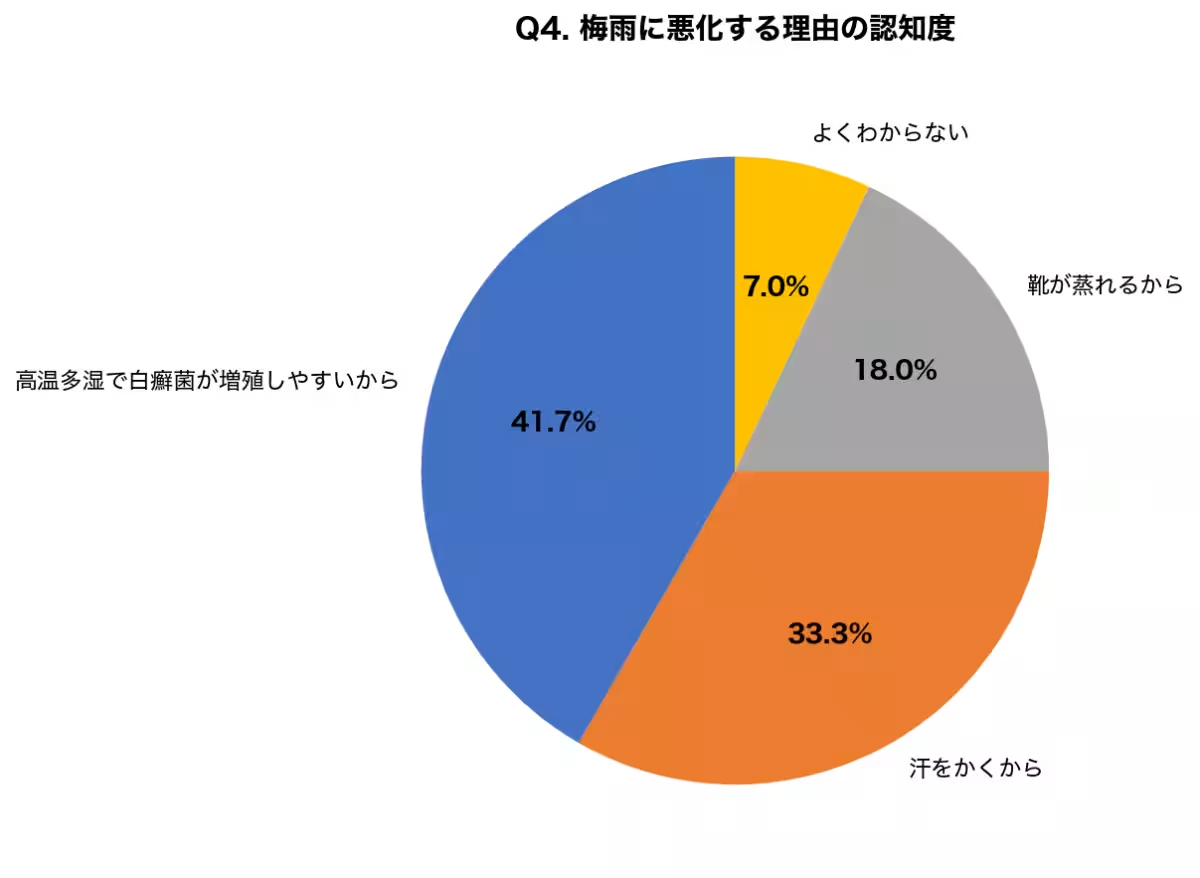
Why Does Athlete's Foot Worsen in Humidity?
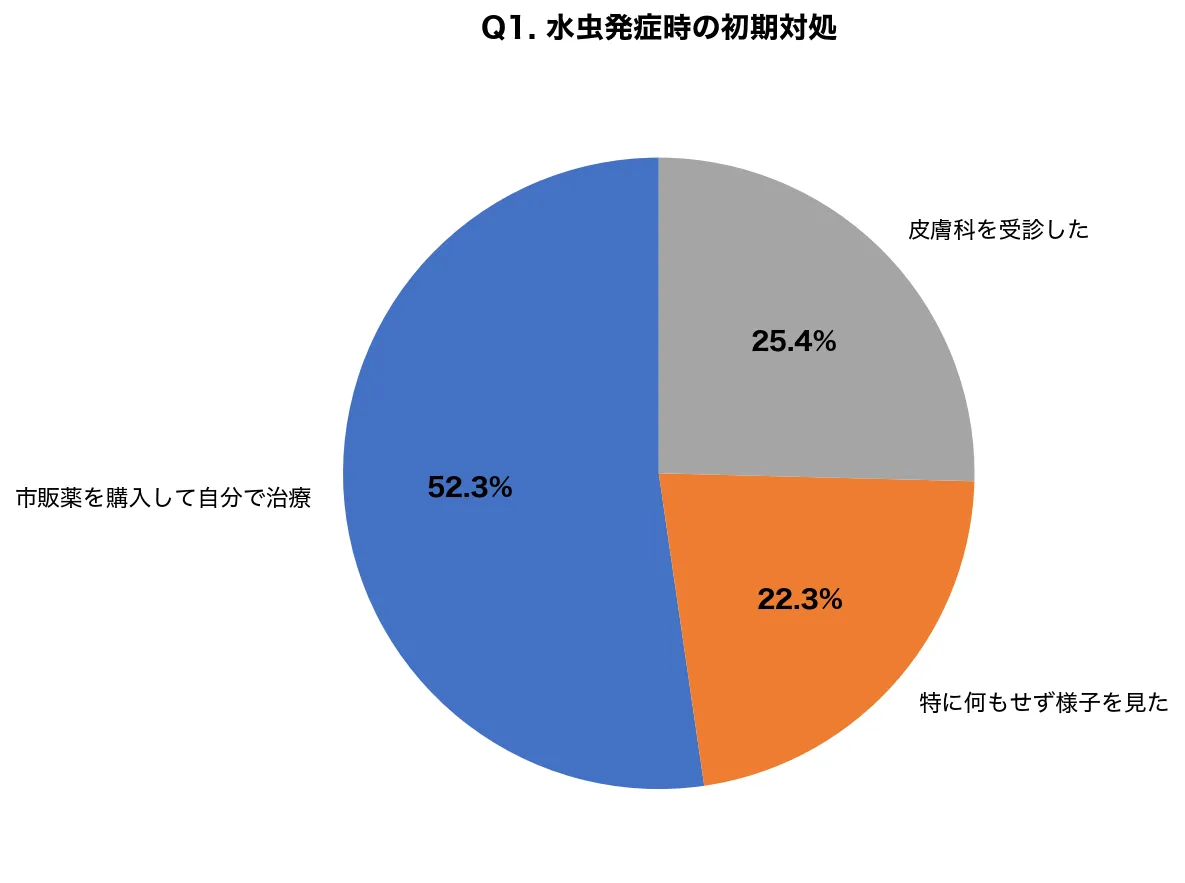
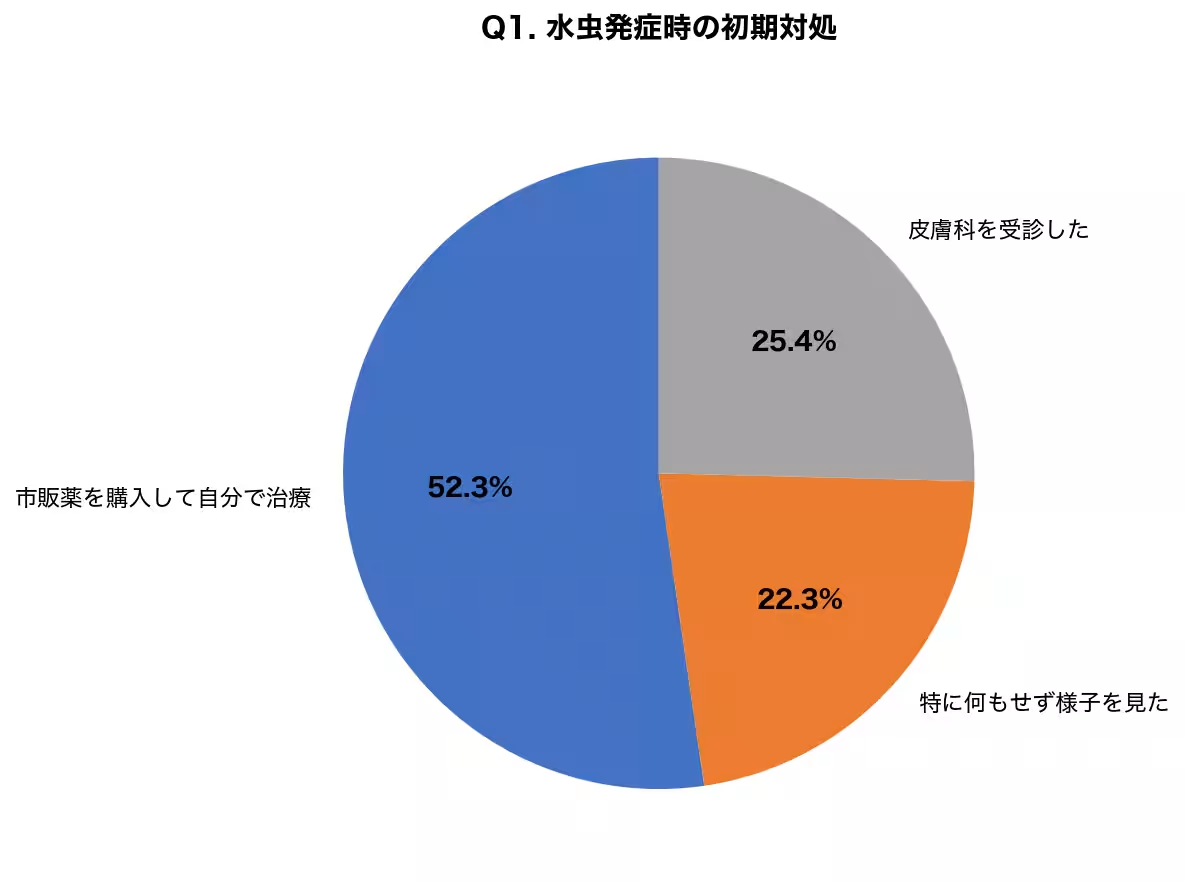
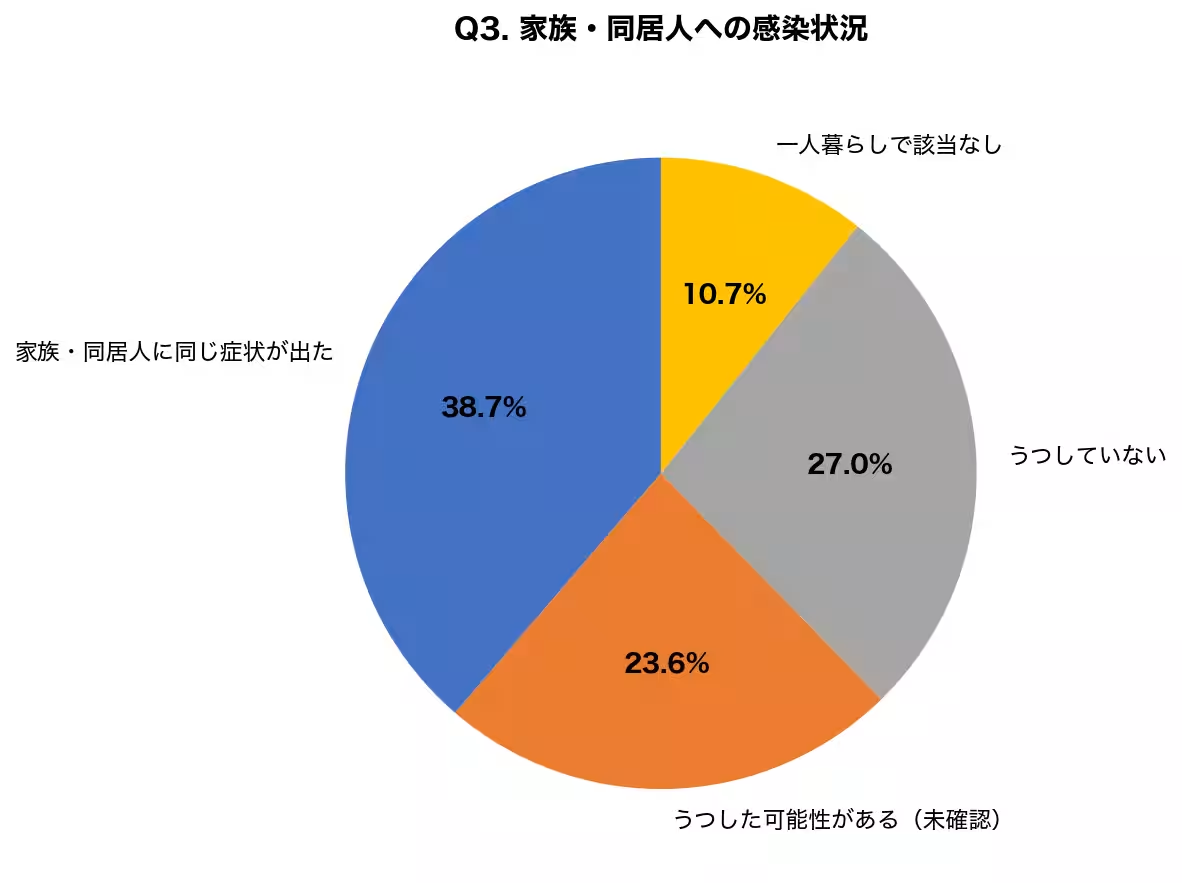
The results indicate that 74.6% of individuals dealing with athlete's foot resort to over-the-counter treatments without consulting a medical professional. Among these individuals, 62.3% admitted to potentially transmitting the infection to relatives or housemates. The reason for the heightened incidence during the rainy season is primarily due to the environmental conditions that favor the spread of the fungus responsible for tinea pedis. Trichophyton species thrive in warm, humid conditions—specifically at temperatures between 25°C and 30°C with humidity levels above 70%, which are typical of Japan's rainy season. This information underlines the need for proper awareness and treatment strategies to tackle this common ailment during the upcoming humid months.
Understanding Athlete's Foot and Treatment Options
Athlete's foot is a fungal infection categorized into three types: interdigital type (between the toes), vesicular type (on the soles), and hyperkeratotic type (on the heels), causing symptoms such as itching and peeling skin. Despite the availability of easily accessible anti-fungal creams, these may not always suffice, especially for more severe cases or those extending to the toenails (nail fungus). For those suffering from nail fungus, oral medications are often required for effective treatment, as topical solutions typically have limited penetrative ability.
A comparison of treatment options reveals significant differences between over-the-counter (OTC) medications and those prescribed by dermatologists. OTC medications generally feature lower concentrations of active ingredients and might necessitate a treatment duration of 1 to 3 months, while dermatologist-prescribed treatments tend to involve higher concentrations and are recommended for 2 to 4 weeks, depending on the severity of the case. The follow-up data indicates that approximately 50-60% of those using OTC treatments experience a recurrence of the infection, compared to only 20-30% among patients who received dermatological care.
Signs and Recommendations for Treatment
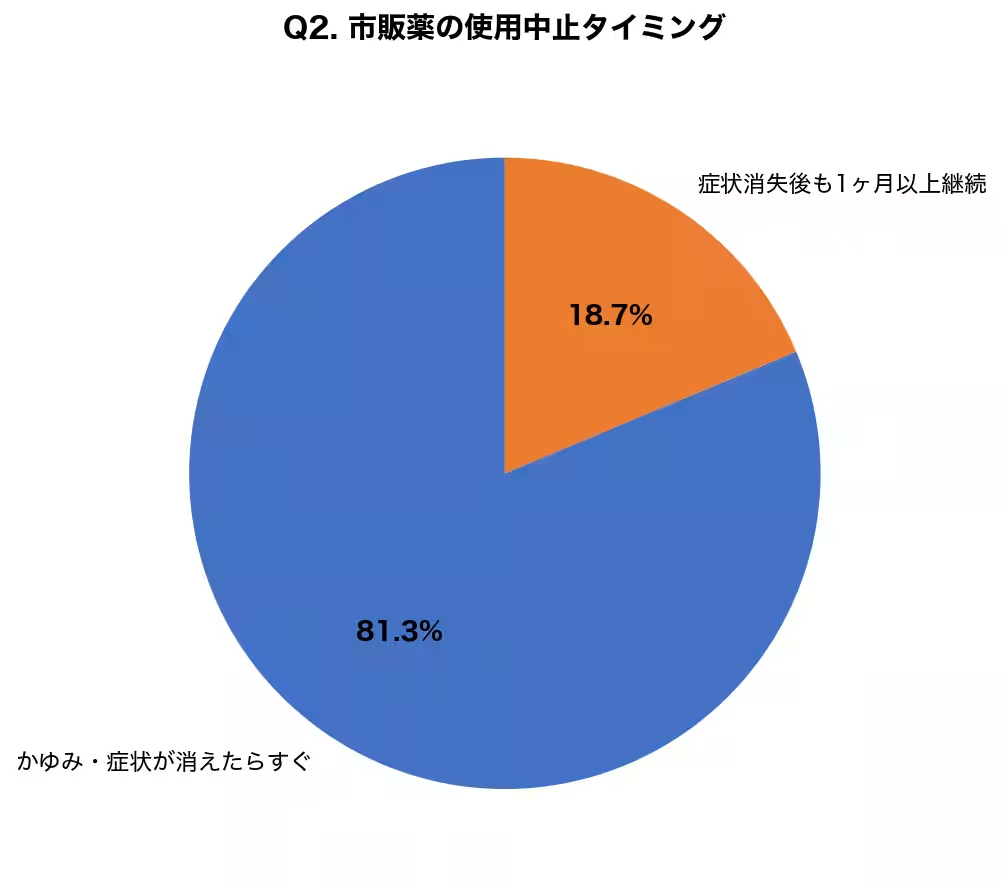
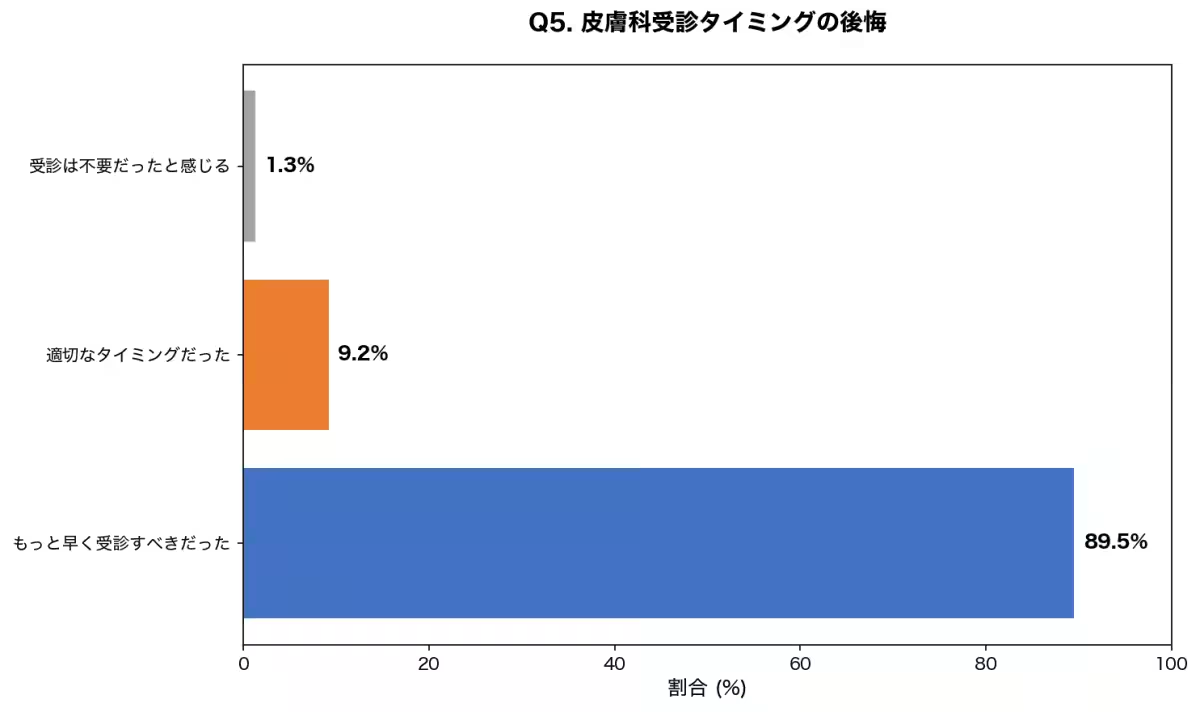
The survey also pointed out a concerning trend regarding treatment timing: 81.3% of the participants ceased treatment as soon as their symptoms disappeared, often ignoring the critical guideline to continue treatment for at least one month post-recovery to fully eradicate the fungus. This premature discontinuation significantly increases the risk of recurrence. Many of those who recently sought treatment reported regret over waiting too long to manage their condition, emphasizing the importance of timely medical intervention before symptoms worsen.
Prevention and Best Practices to Avoid Spreading Infection
Preventing the spread of athlete's foot within families requires proactive measures. Findings from the survey demonstrated that 62.3% of participants reported concerns about spreading the infection to others, with common transmission routes including shared bath mats and slippers. Key recommendations for minimizing the risk include:
- - Avoid sharing bath mats or slippers and consider personal hygiene practices.
- - Wash bath mats regularly and ensure your feet are clean and dry at all times.
- - Use separate towels for drying feet and avoid sharing them with others.
- - Maintain cleanliness of living spaces, especially high foot-traffic areas.
In summary, athlete's foot is not just a common nuisance; it can lead to significant health challenges if not appropriately managed. With the conditions favoring its spread during the rainy season, it is imperative for individuals to seek professional medical advice, adhere to recommended treatment durations, and adopt preventive strategies to ensure both personal and familial health. By understanding the risks associated with humidity and fungal infections, we can take effective steps to combat this prevalent issue this rainy season in Japan.
Conclusion
As outlined by Dr. Kouta Takakuwa, a dermatologist with over 15 years of experience, proper education and awareness about athlete's foot treatment can significantly reduce instances of chronic infection and transmission to others. Individuals experiencing symptoms or who have had previous issues with athlete's foot should not hesitate to seek dermatology care promptly to prevent further complications.
Remember, confidence in treatment and a commitment to prevention are key to staying healthy during the rainy season!
Topics Health)

【About Using Articles】
You can freely use the title and article content by linking to the page where the article is posted.
※ Images cannot be used.
【About Links】
Links are free to use.