



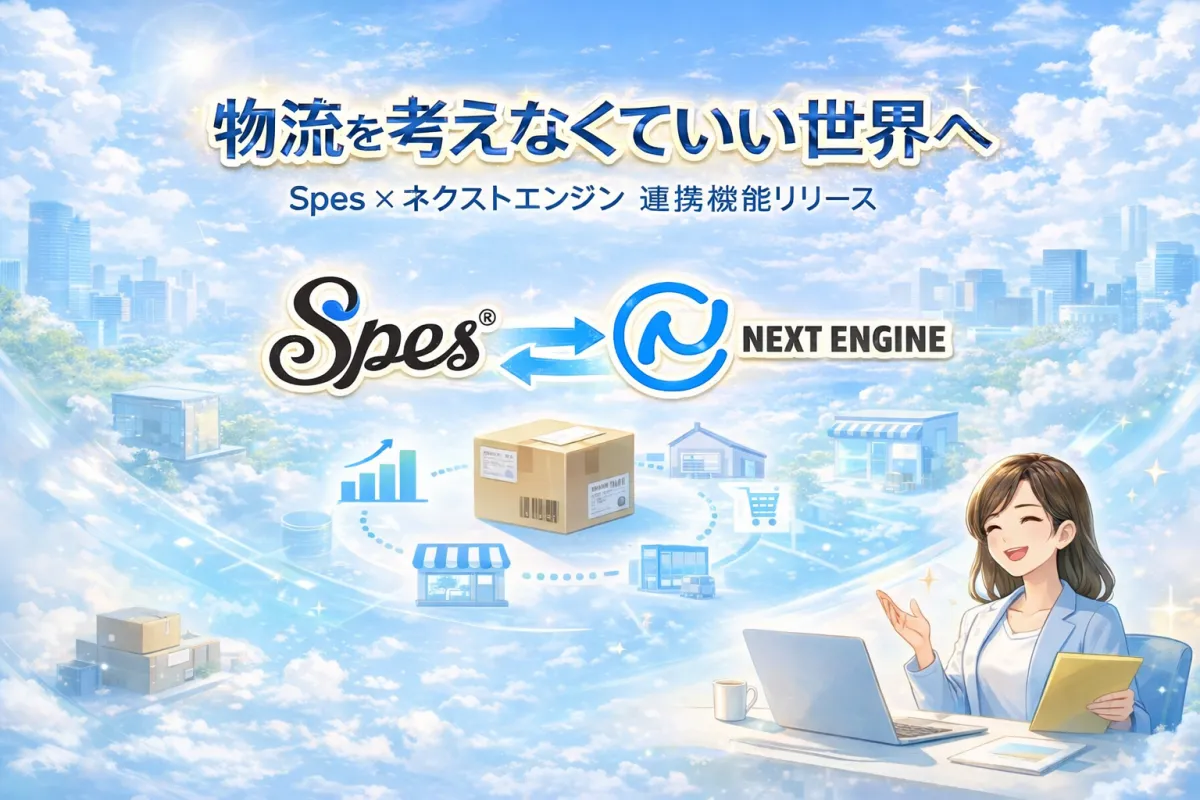
Revolutionizing Inventory Management for SMEs: Spes Joins Forces with Next Engine
Spes Collaborates with Next Engine for Inventory Management
In a significant advancement for small to medium-sized enterprises (SMEs), Spes, based in Shinagawa, Tokyo, officially announced the launch of its collaboration with Next Engine, a leading e-commerce integration system. This partnership introduces a comprehensive inventory management solution that enables SMEs to manage their stock across various sales channels—e-commerce, retail, and wholesale—at an unprecedentedly low cost.
Transforming Inventory Management
Traditionally, the implementation of omnichannel inventory management systems required hefty upfront investments, often running into hundreds of thousands of yen in initial costs, plus monthly fees that could add tens of thousands more. However, Spes is changing the game with an initial fee of just 100,000 yen and a monthly fee of only 15,000 yen (exclusive of tax). This pricing ushers in a new era of affordability for SMEs craving efficient inventory solutions.
The integration will allow users of Next Engine to automatically import order data from multiple e-commerce platforms directly into Spes. This streamlines inventory and revenue management across diverse sales channels and significantly reduces manual tasks, such as updating inventory data and cross-checking stock levels across different platforms.
Companies already utilizing Spes have reported monthly savings of several tens of thousands of yen by simplifying the management of inventory across multiple locations. With the new integration, further enhancements in efficiency are anticipated.
Addressing the Inventory Management Crisis
As the landscape surrounding retailers and manufacturers evolves, the complexities of managing inventory continue to mount. More sales channels mean more challenges, leading to a series of prevalent issues:
- - Order Mismanagement: Engaging with customers based on incorrect stock availability due to double counting.
- - Communication Breakdowns: Relying on nightly phone calls to check stock levels between e-commerce and physical store teams.
- - Time Drain: Spending up to five hours daily managing inventory via cumbersome Excel spreadsheets leads to transcription errors and inefficiency.
These problems emphasize the fragmentation caused by using disjointed management tools per sales channel:
- - Different software for e-commerce shopping carts
- - Separate management software for wholesale transactions
- - Inconsistencies in inventory tracking through various systems like WMS for logistics or POS data for retail sales
While integrated omnichannel systems exist, their high cost has made them inaccessible to most SMEs, trapping them in a vicious cycle of recognizing the problem but lacking financial means to implement the solution.
Spes’s Vision: A World Where Logistics is Simplified
Spes aims to automate the inventory, shipping, and sales operations for smaller manufacturers and retailers, creating an environment where logistics do not interfere with business operations. By minimizing reliance on individual judgment and manual operations, Spes allows companies to focus on their core mission: selling and nurturing their brands.
Three Dramatic Changes Enabled by the Next Engine Integration
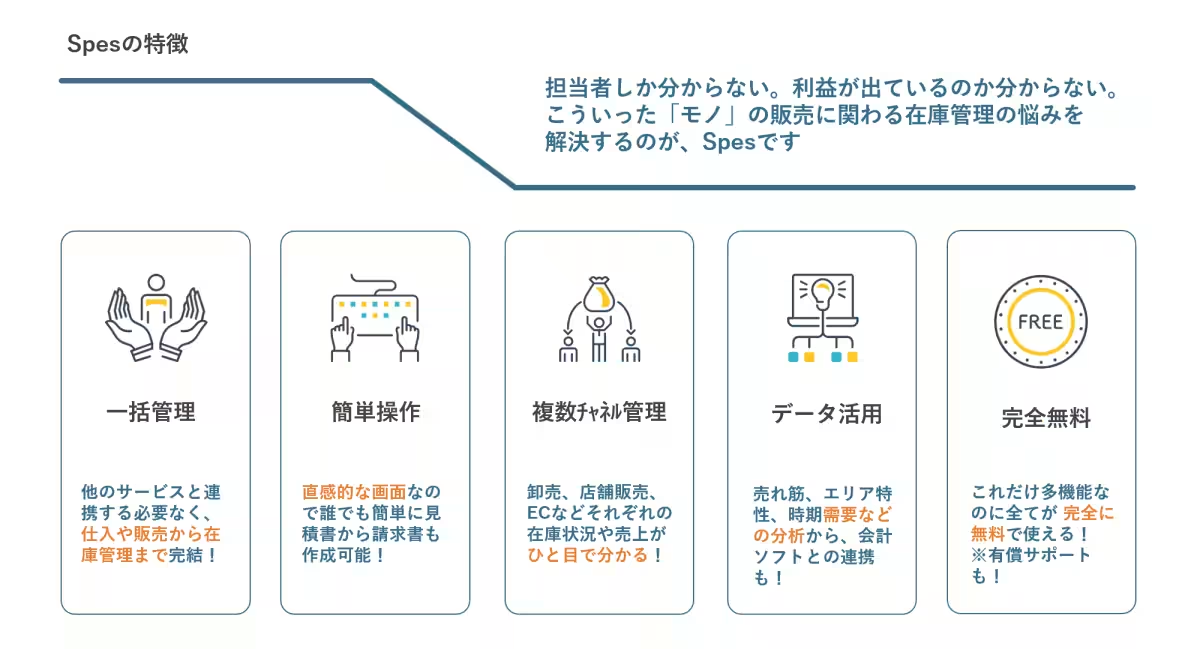
1. Automated Order Processing: The integration facilitates the seamless transfer of new orders, payment status, and shipping instructions from Next Engine to Spes, eliminating the need for manual updates.
2. Real-Time Revenue Management: Spes connects ordering data with sales information, enabling businesses to visualize their profit margins across different channels and determine which products yield the highest profitability.
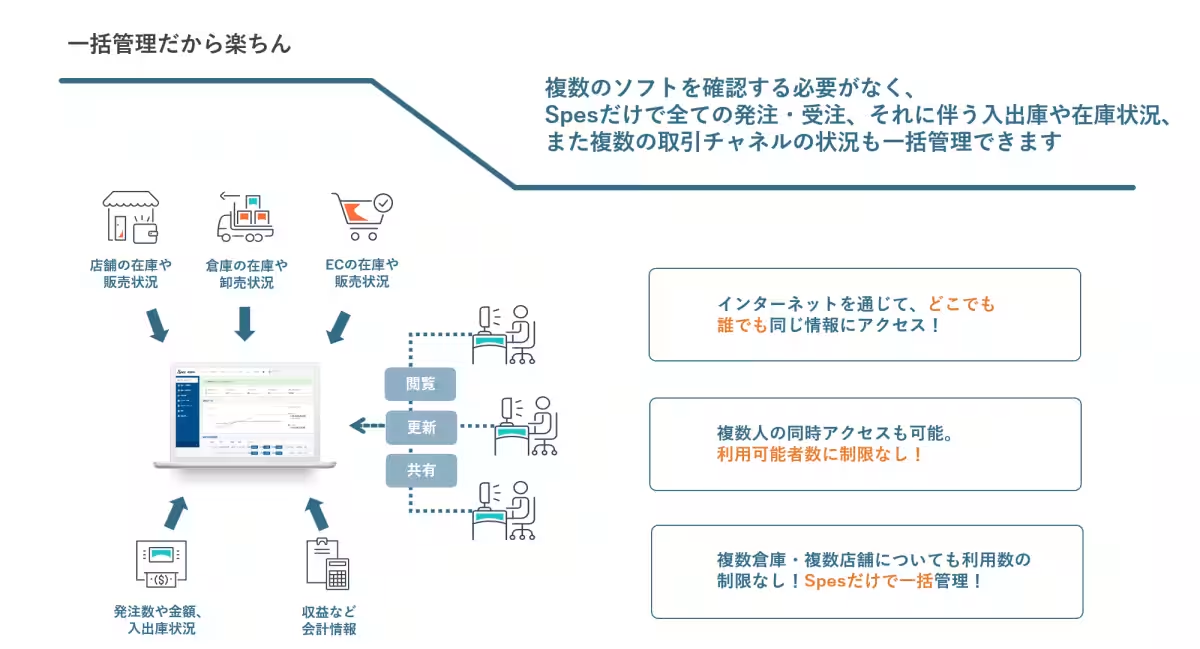
3. Unified Management Across All Channels: Companies can now manage their e-commerce, retail, wholesale, and warehousing operations in one platform, reducing cases of double counting storage and considerably decreasing revenue loss.
How Do They Keep Costs Down?
Spes achieves its competitive pricing through a “pre-integrated system” design philosophy, contrasting with traditional setups that relied on retrofitting existing systems at high costs. By ensuring that data from inventory, shipping, and sales remains connected from the outset, Spes offers a streamlined and financially accessible solution that eliminates the complications inherent in existing omnichannel systems.
Price Comparison:
- - Traditional Omnichannel Systems: Initial costs often exceed hundreds of thousands of yen, with monthly expenditures running significantly high, making them impractical for the typical SME.
- - In contrast, Spes has a straightforward initial cost of just 100,000 yen and a minor monthly fee of 15,000 yen, all while keeping the software itself perpetually free of charge.
Conclusion
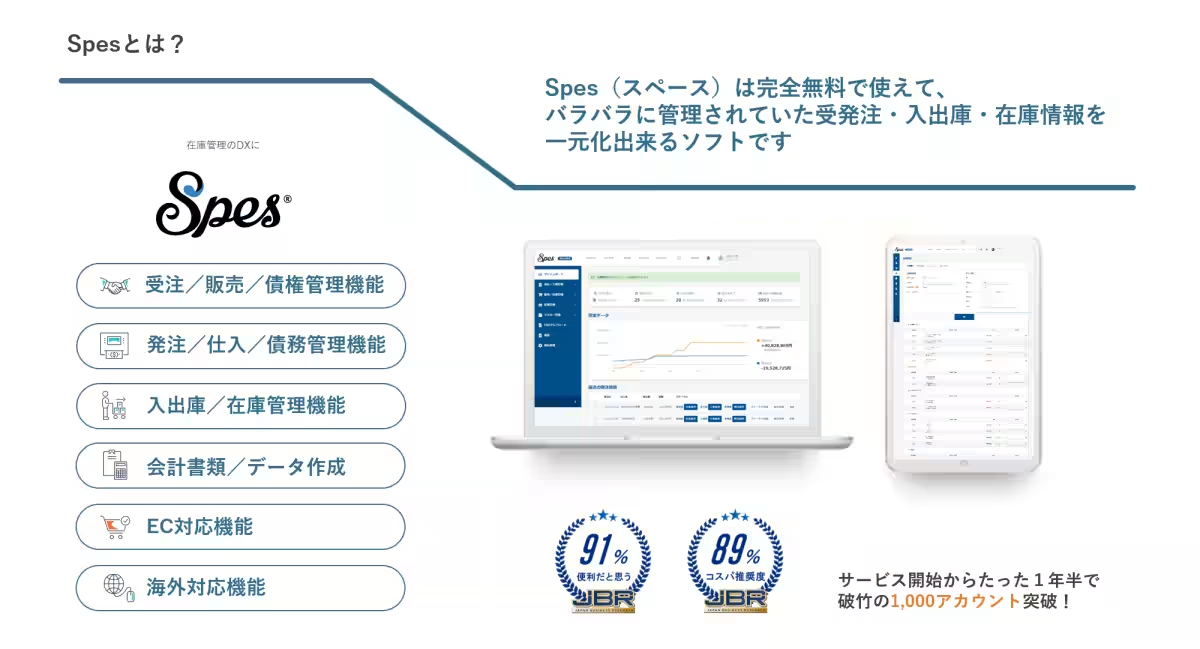
With over 2,000 users already benefiting from the Spes platform, the ambitious vision is for all businesses, regardless of size, to have access to robust inventory management capabilities. Spes is committed to ensuring that smaller enterprises can offload the burdens of logistics and operational challenges, paving the way for sustained growth and adaptability in an increasingly complex market environment. For more information about Spes, visit their official site at Spes(スペース).
Topics Consumer Products & Retail)
【About Using Articles】
You can freely use the title and article content by linking to the page where the article is posted.
※ Images cannot be used.
【About Links】
Links are free to use.