



Transforming Lives Through Beauty: A Focus on Senior Care Innovations
Transforming Lives Through Beauty: A Focus on Senior Care Innovations
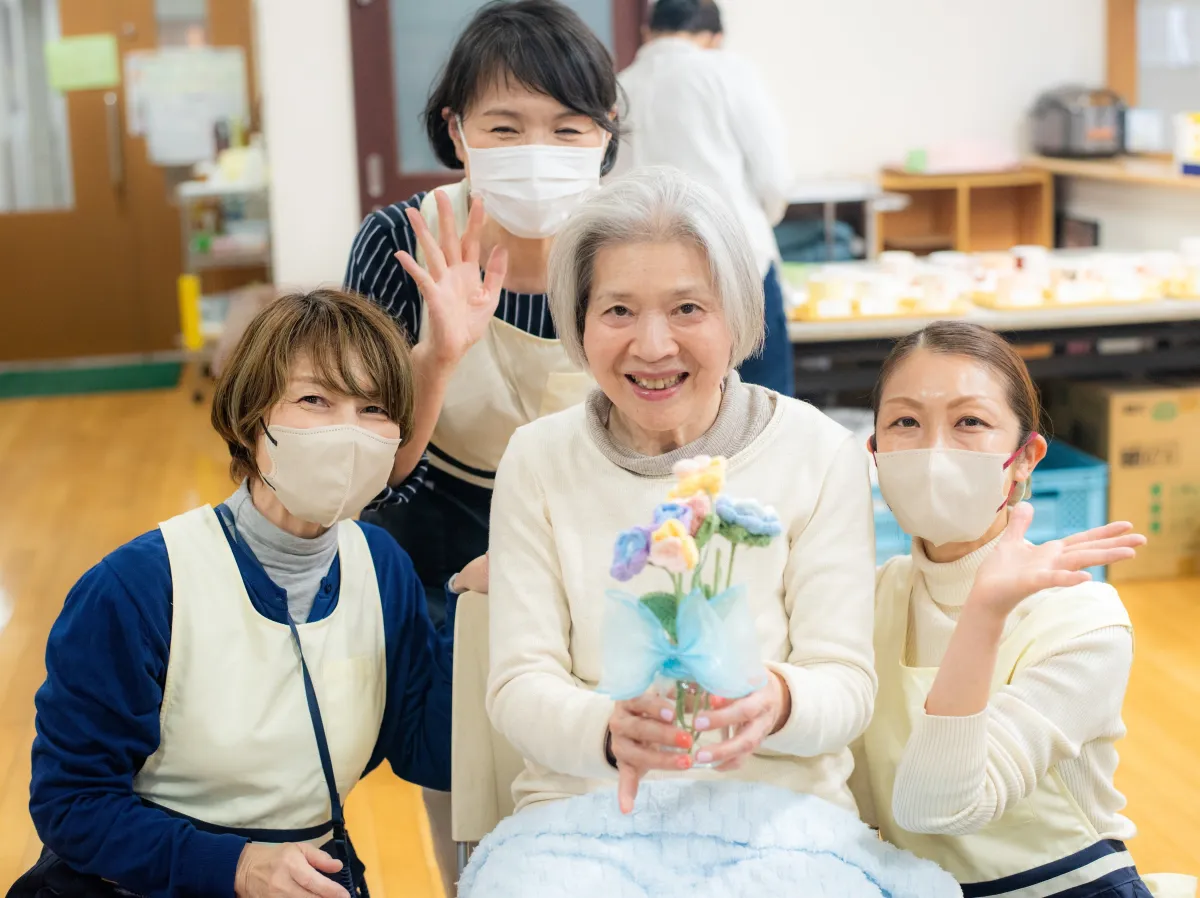
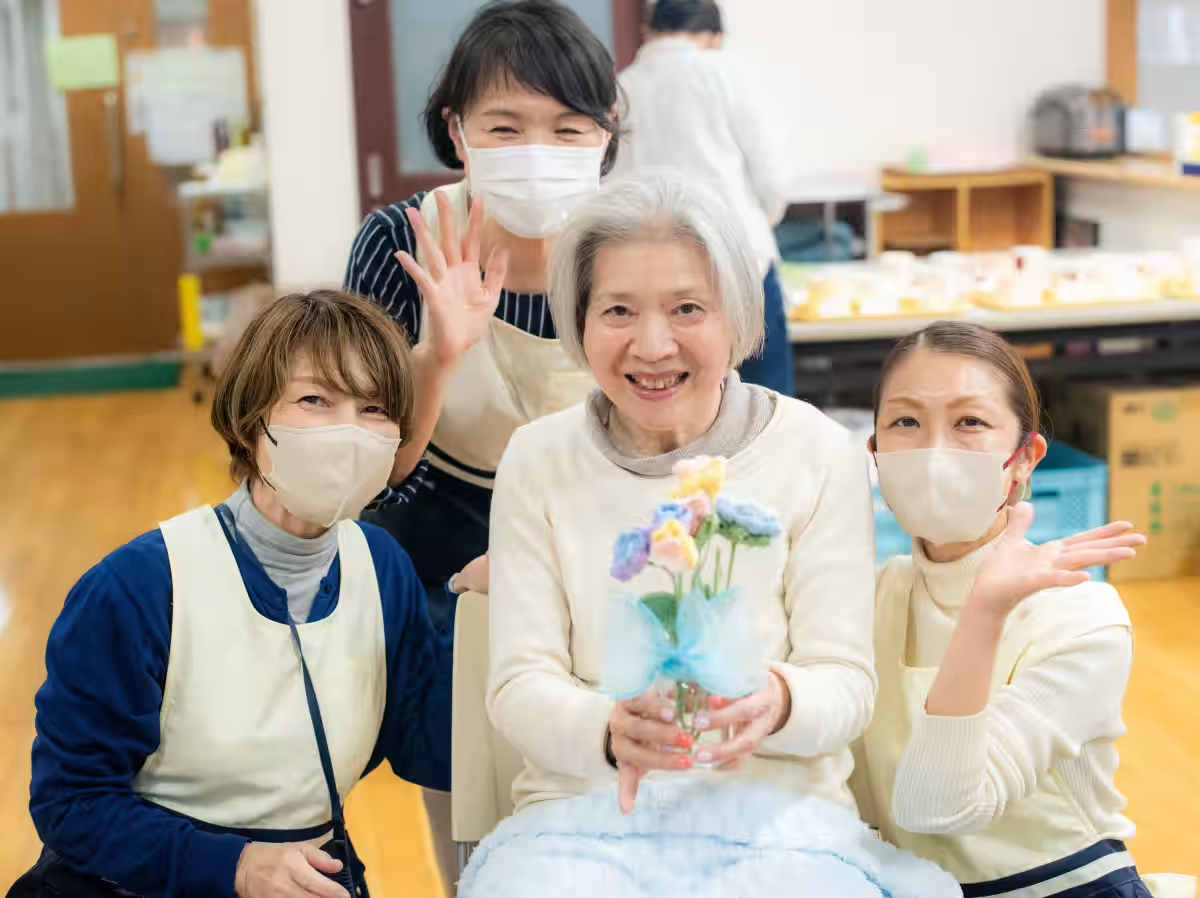
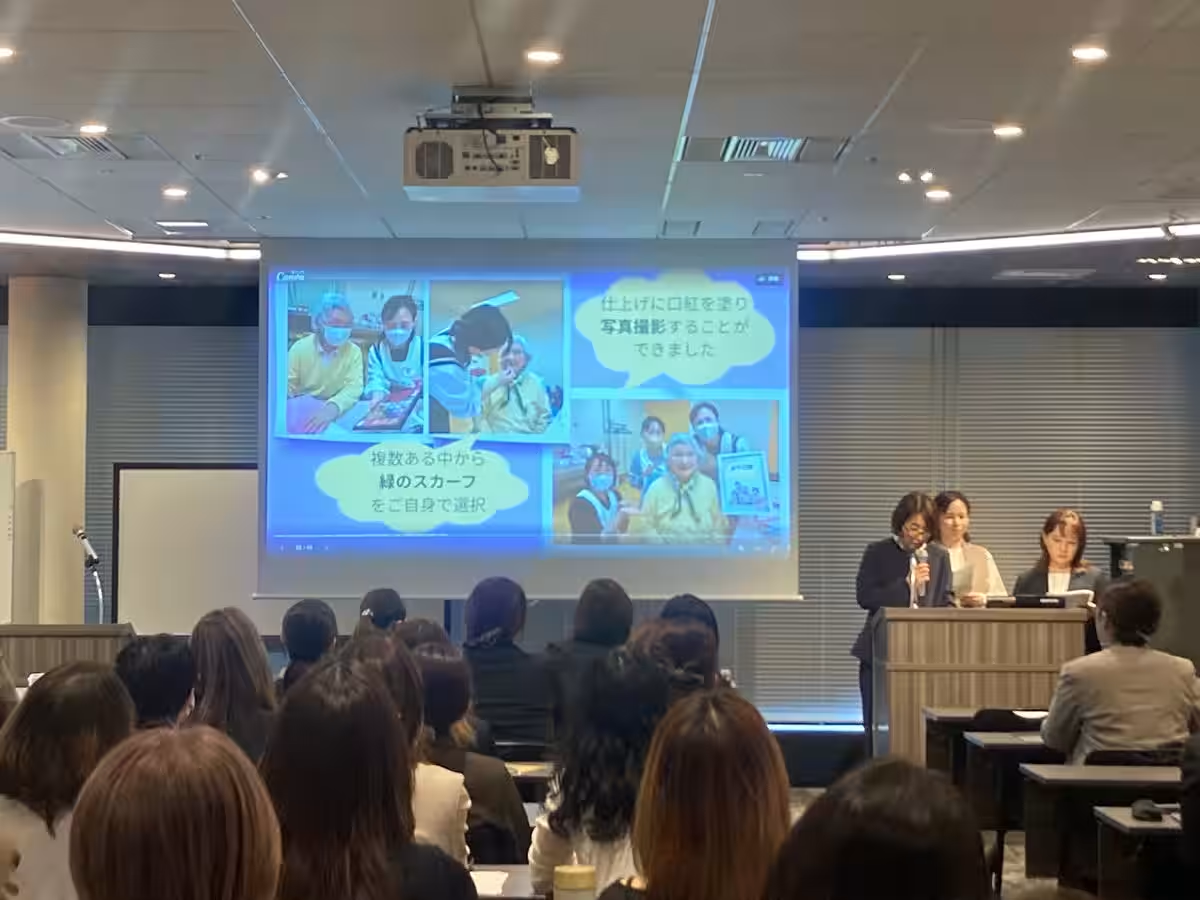
In a groundbreaking event held on March 28, 2026, the Care Beauty Research Institute, part of the Mirai Project based in Tokyo's Shibuya district, showcased transformative beauty treatments for the elderly. This graduation ceremony featured presentations from 383 students across five cities in Japan, highlighting inspirational case studies demonstrating how beauty practices can significantly enhance the quality of life (QOL) for seniors, even those with cognitive and mobility challenges.
The essence of this project is to showcase that beauty is more than just external appearance; it plays a crucial role in improving mental and emotional health, particularly among older adults facing dementia or reduced mobility. The findings were indicative of a broader shift in caregiving—a move from merely providing care to empowering seniors to express themselves actively.
Key Findings from the Case Studies
1. Physical Changes: The introduction of continuous foot care resulted in measurable improvements, such as a reduction in leg circumference and enhanced skin moisture. Participants reported feeling lighter and more mobile, suggesting a direct connection between aesthetics and physical functionality.
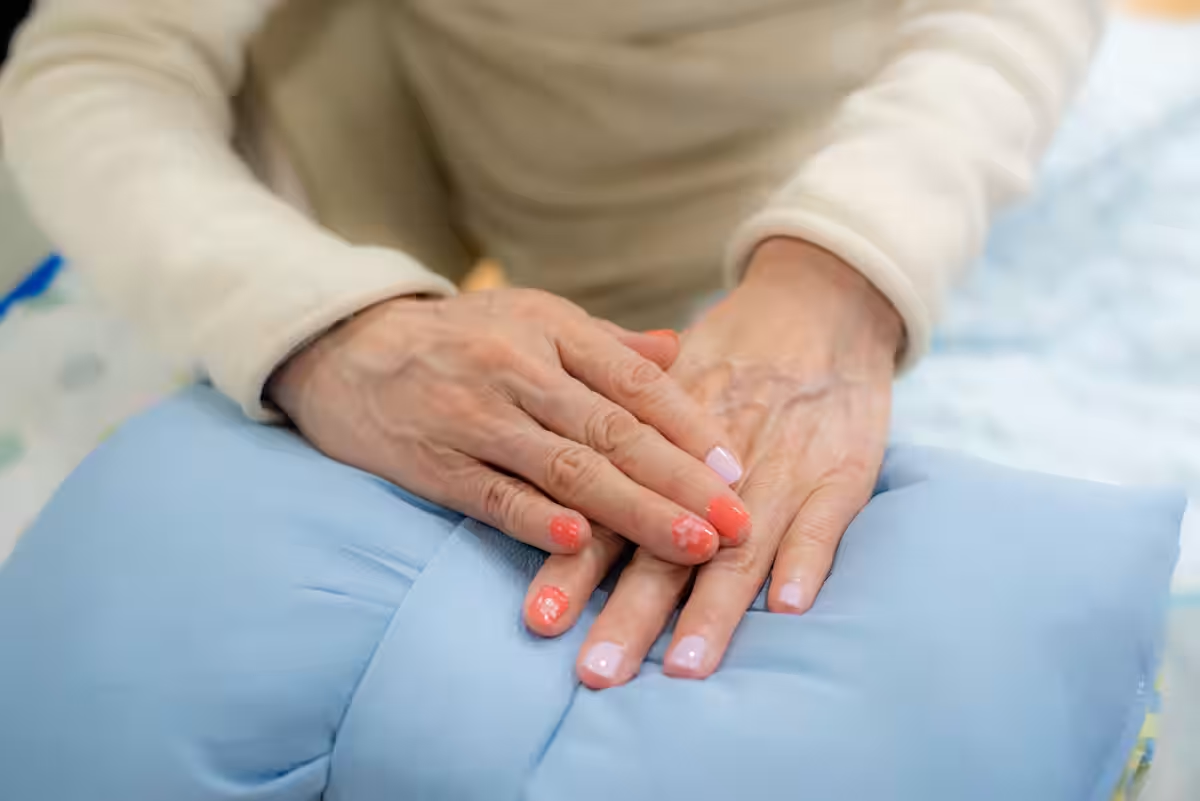
2. Behavioral Changes: One particularly compelling case involved a 91-year-old woman with significant communication barriers, who, after four sessions, began to express her personal preferences in nail colors and other beauty choices, illustrating a reclaiming of autonomy in her life.
3. Accumulation of Positive Emotions: Another participant, a 76-year-old with moderate dementia, consistently related feelings of joy during beauty treatments despite not retaining memory of previous sessions. Phrases like 'Today is such a luxurious day!' emerged as her positive responses increased after each interaction.
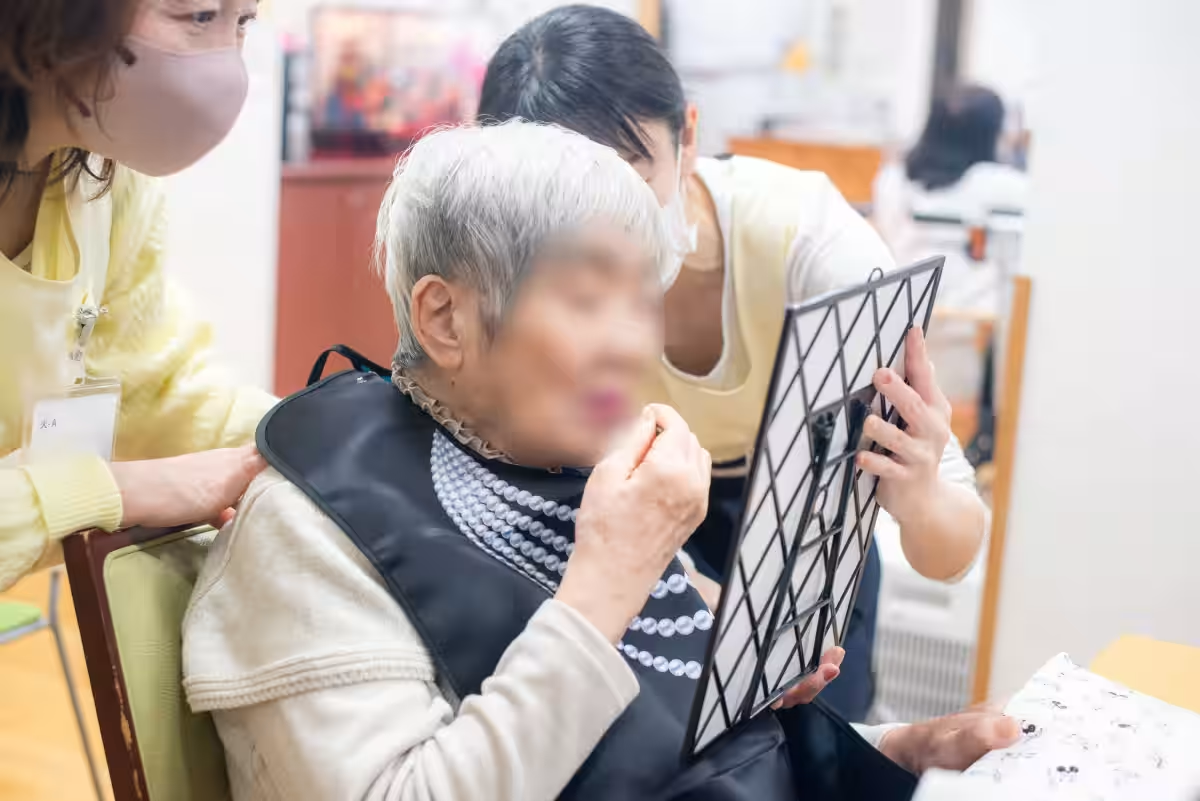
4. Mental Transformation: An 82-year-old female participant displayed a marked shift from rejection of beauty treatments to eager engagement after environmental adjustments were made. Initially resistant to touch, she eventually embraced beauty routines, selecting her lip color independently during the final session.
Case Studies Overview
Case Study 1: From Fear to Expression
Initially, a 91-year-old woman displayed anxiety and reluctance toward any form of care. Throughout the four-day treatment, her demeanor transformed; she moved from apprehension to actively engaging in the beauty process, even choosing a lipstick color herself and smiling genuinely for the first time.
Case Study 2: Joy in the Face of Dementia
Despite her diagnosis, a 76-year-old client responded positively to treatments. Each session, she retained feelings of comfort, which translated into positive verbal expressions reflecting her emotional state. By the last session, she radiated happiness, much to the delight of her family, who noticed the change in her spirit.
Case Study 3: Nurturing Through Aroma and Sound
Facilitating a comfort-oriented environment proved vital for an 82-year-old with Alzheimer’s. Once averse to being touched, she warmed up to the treatments as soothing aromas and music were introduced. By the end, she exhibited confidence and self-expression through makeup application, showing how tailored experiences can foster positive self-image.
The Impact of Beauty on Senior Care
The results of these innovative beauty treatments extend well beyond physical appearance, proving their worth in psychological, emotional, and behavioral transformation among seniors. The findings underscore the potential of beauty in enhancing life quality and provide a promising avenue for caregivers to explore comprehensive care methods.
As the students from the Care Beauty Research Institute take their newfound knowledge into their communities, the hope is to foster a world where beauty becomes a foundational element of mental wellness, and seniors can navigate their golden years with dignity and self-expression. Beauty education for caregivers can serve as a bridge to better compassion and care, creating a society where older adults live with joy until the end of their lives.
About the Care Beauty Research Institute
The institute is operational across six regions in Japan, effectively blending beauty with care for the elderly. More than half of the institute's enrollees are newcomers to the caregiving and beauty industry, which signifies a growing interest in this interdisciplinary approach to elder care. Explore further at the official website or follow their journey on Instagram for insights into the world's evolving approach to beauty and senior well-being.
About Mirai Project
Established in November 2015, the Mirai Project focuses on human resources akin to care and medical fields, alongside the nurturing of talent within the intersection of beauty and caregiver roles. The trademarked term Care Beautician encapsulates their commitment to merging care with self-expression through beauty practices.

Topics Health)
【About Using Articles】
You can freely use the title and article content by linking to the page where the article is posted.
※ Images cannot be used.
【About Links】
Links are free to use.