



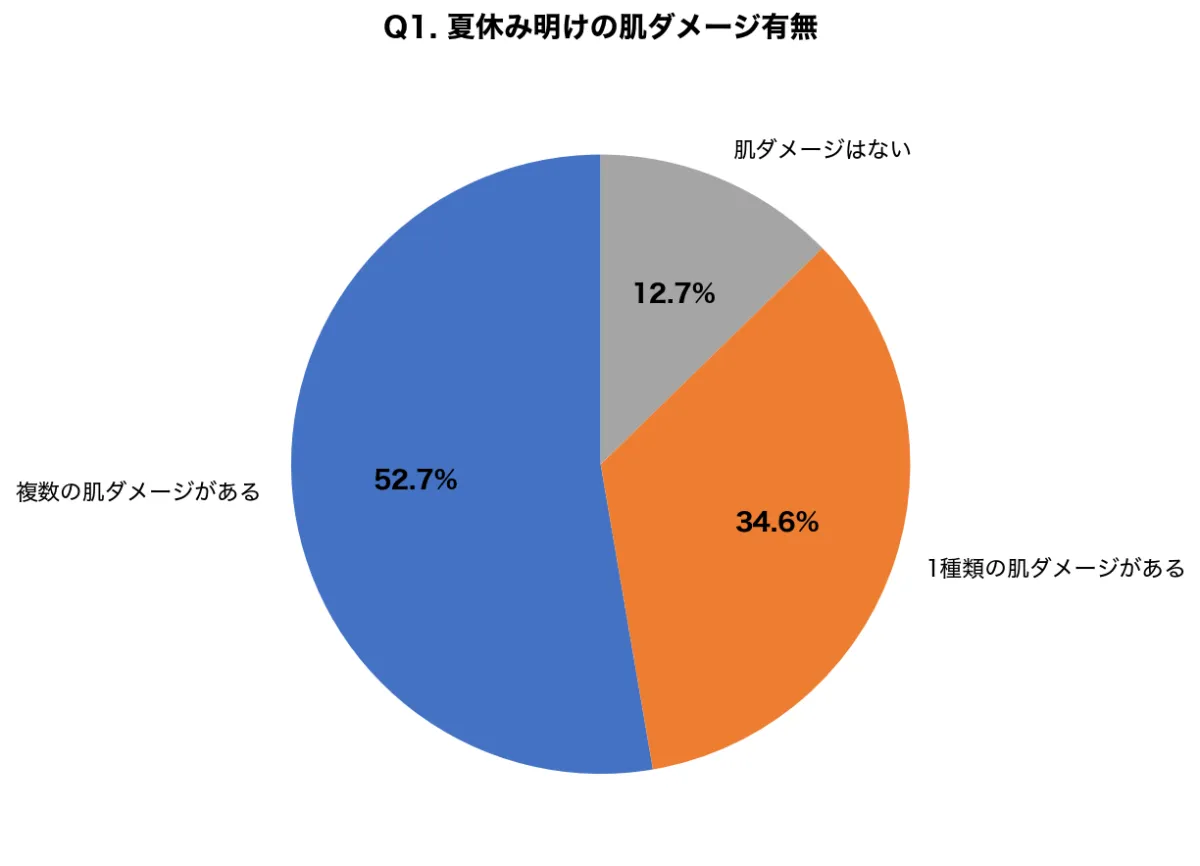
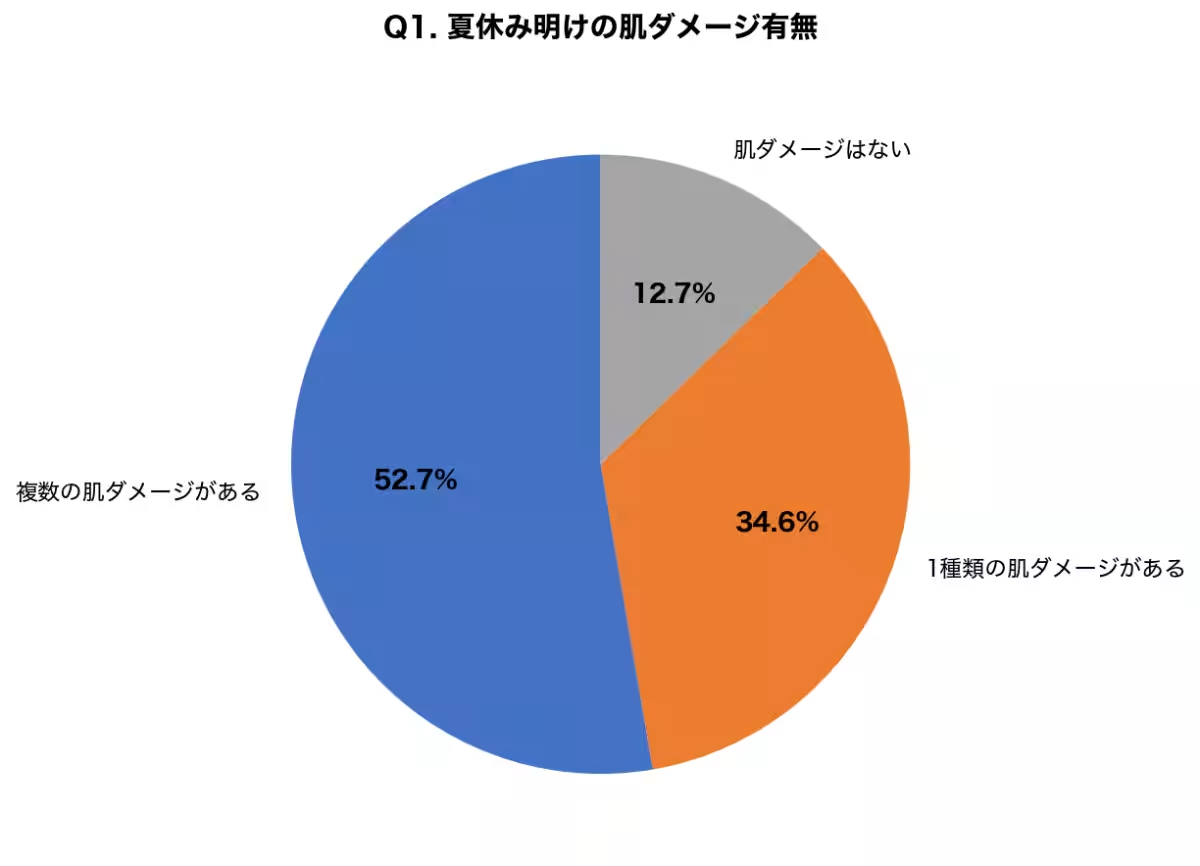
New School Year: 87.3% of Kids Start with Skin Damage After Summer Break
New School Year: Skin Damage Among Children
As schools reconvene for the new academic year, results from a recent survey conducted by the IC Clinic reveal that a staggering 87.3% of children are starting off their semesters with some form of skin damage from the summer months. This alarming statistic highlights the urgent need for better skin protection and care for our young ones.
Key Findings of the Survey
The survey was conducted with 300 parents of elementary and middle school children, focusing on the skin issues their kids faced during the summer break and carried over into the school year. Notably:
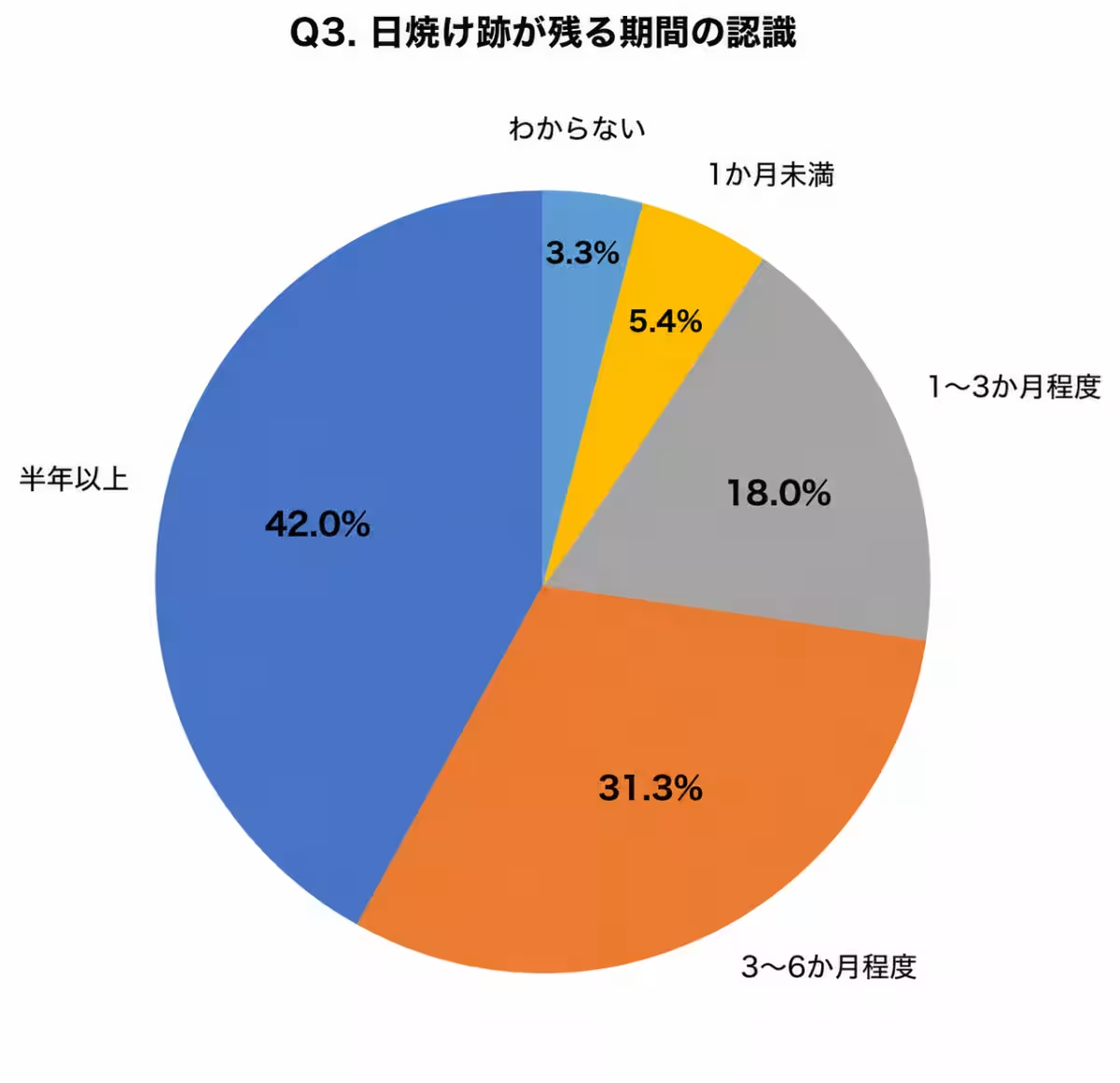
- - 42.0% of parents expressed concern that their child's sunburn marks could take over six months to fade completely.
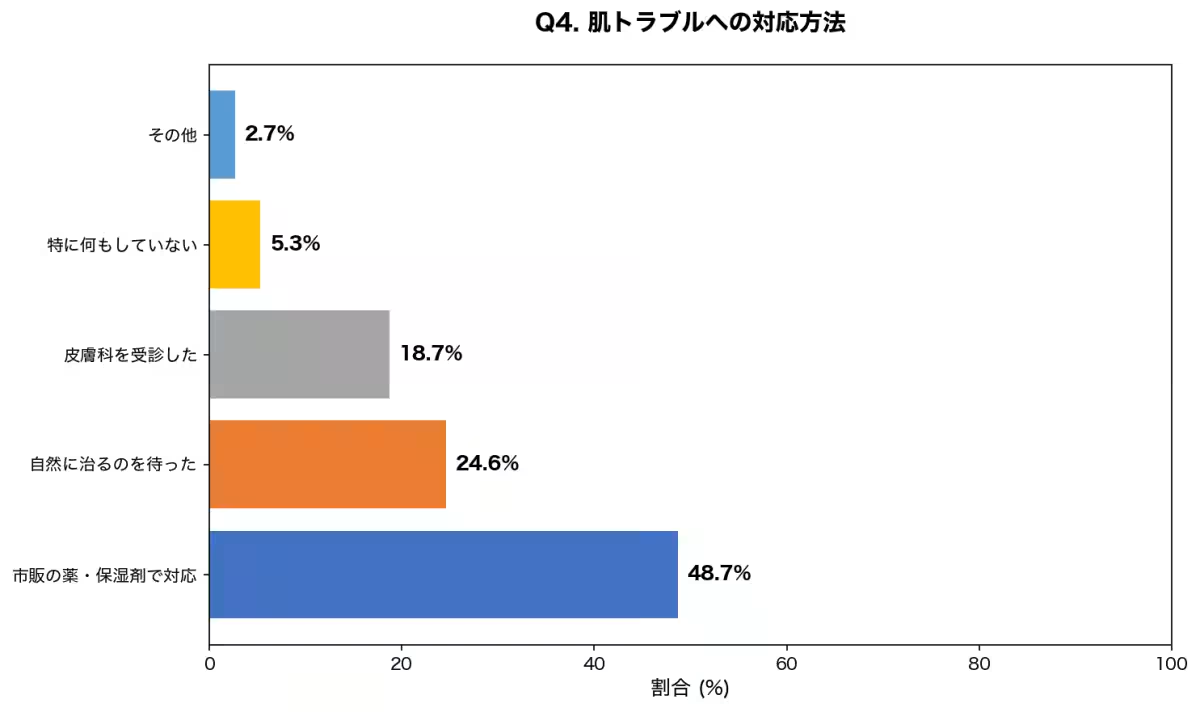
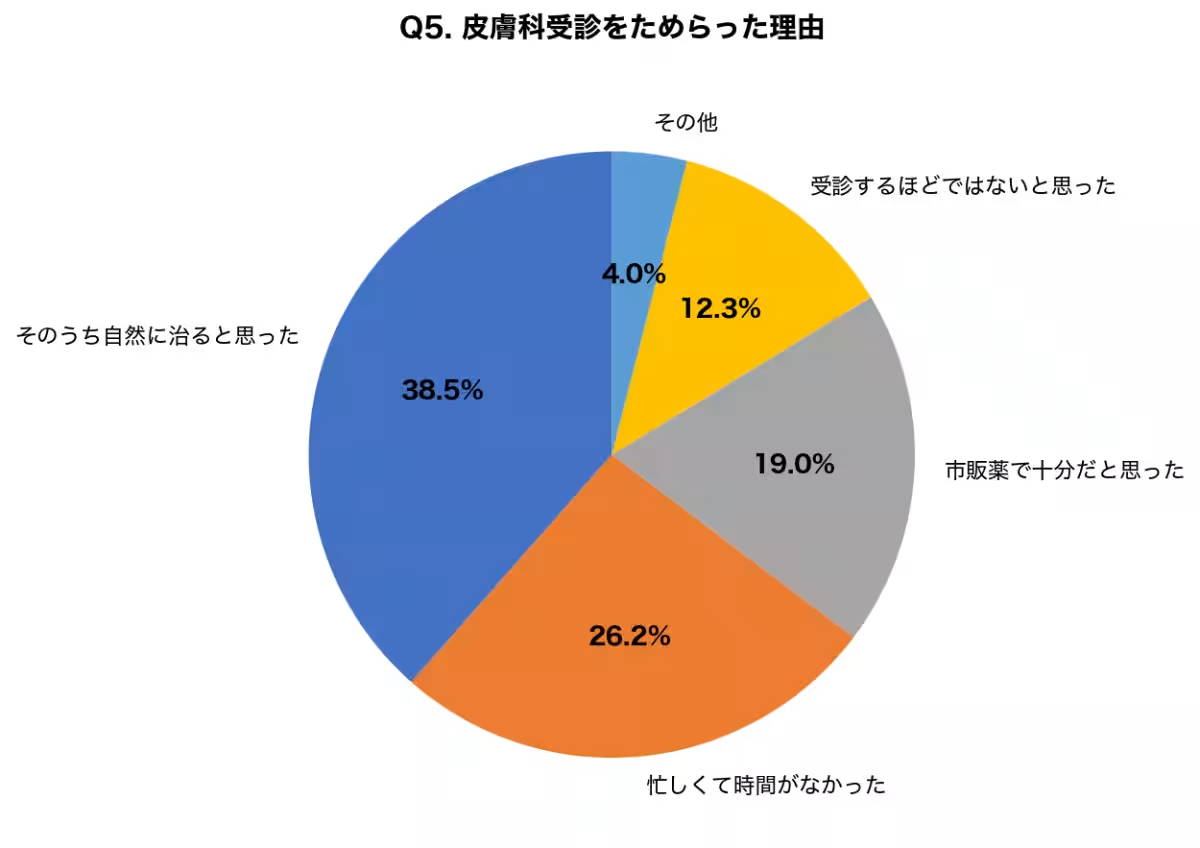
- - Despite the prevalence of skin issues, only 18.7% of families sought dermatological help for their children's summer skin troubles.
Understanding Common Summer Skin Problems
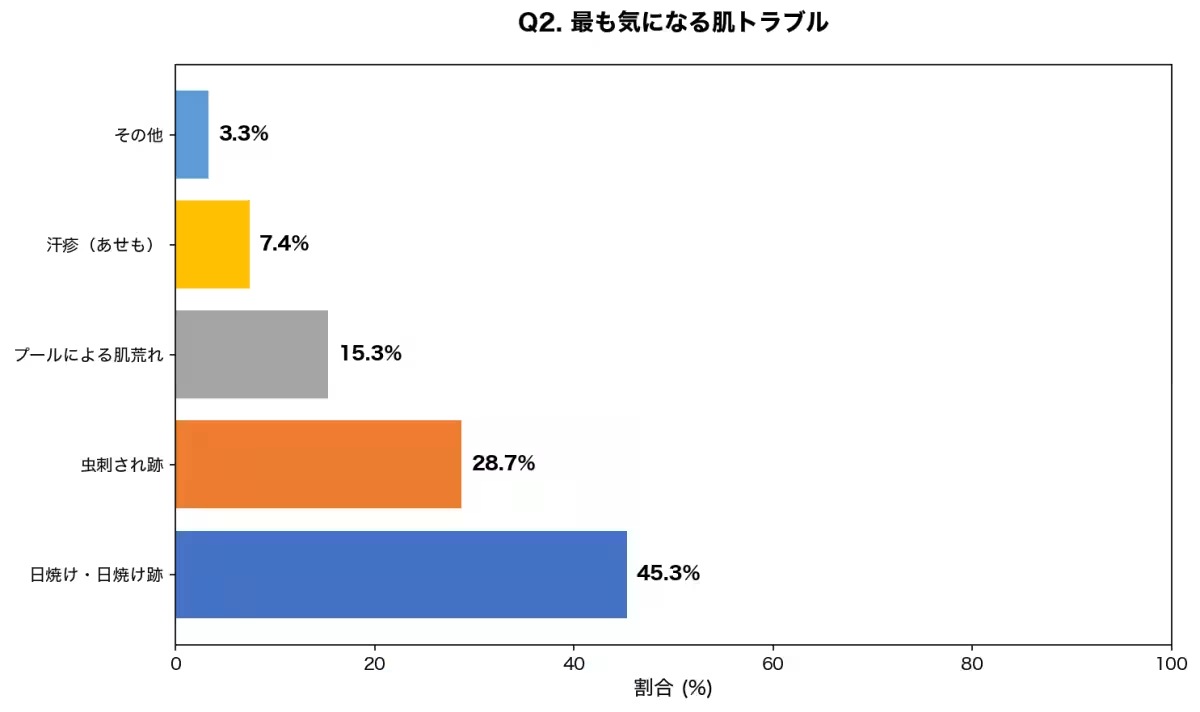
During the summer, children often indulge in outdoor activities at beaches and pools, exposing their skin to various environmental factors. The three main skin problems that arise include:
1. Sunburns – Resulting from excessive UV exposure, sunburns can lead to significant discomfort. Parents often worry about long-lasting discoloration.
2. Pool Skin Issues – Chlorinated water can dry out and irritate the skin, causing issues like rashes and rough texture.
3. Insect Bites – These can lead to skin irritation, and excessive scratching can result in lasting marks.
The Following Major Symptoms Are Noted:
- - Sunburn: Redness, peeling skin, and pigmentation changes.
- - Pool Damage: Dryness, itchiness, and rough skin.
- - Insect Bite Marks: Pigmentation changes and scarring from scratching.
Recommendations for Parents
To aid their children’s recovery, parents should ensure proper skin care and when necessary, consult medical professionals:
- - Hydrate their skin twice daily with moisturizers to restore the skin barrier.
- - Use sunscreen religiously, particularly on pigmented areas, to prevent further UV damage.
- - Utilize anti-itch creams to alleviate discomfort from insect bites, preventing further injury from scratching.
The Importance of Early Intervention
Dr. Kouta Takakuwa from IC Clinic stresses that skin issues should not be taken lightly. His experience suggests that neglecting early treatment can result in long-term pigmentation problems. In his words, “The perception that ‘it will heal on its own’ can lead to complications. It’s vital parents act early, especially when signs of inflammation emerge.”
The Danger of Delay
Ignoring skin problems can result in:
- - Persistent Hyperpigmentation: Leaving noticeable marks that can last much longer than anticipated.
- - Increased Risk of Infection: Scratching can lead to bacterial infections, notably if the skin barrier has been compromised.
- - Future Skin Issues: Accumulated UV damage heightens the risk for future conditions like wrinkles and blemishes.
Seeking Help
Parents should consider professional advice in these situations:
- - If marks or irritations persist for more than two months.
- - If lesions are worsening or showing signs of infection.
- - If the child is experiencing significant itching that disrupts their sleep.
Final Thoughts
As the school year begins, it presents an opportunity for parents to re-evaluate their children's skincare routines post-summer. Education on sun protection and early intervention can greatly aid in ensuring the long-term skin health of children. The positive news is that early and appropriate skin care can significantly reduce healing time and prevent complications. Awareness and action are essential to protect the younger generation from the adverse impact of summer sun exposure and skin damage.
Topics Health)
【About Using Articles】
You can freely use the title and article content by linking to the page where the article is posted.
※ Images cannot be used.
【About Links】
Links are free to use.