



Uncovering Institutional Variability in Brain-Dead Organ Donation Process Across Japan
Uncovering Institutional Variability in Brain-Dead Organ Donation Processes in Japan
A recent study conducted by researchers from Okayama University sheds light on the variability in brain-dead organ donation processes across various institutions in Japan. Despite an overall increase in the number of organ donations from brain-dead individuals in recent years, about only 30% of medical facilities have experience in handling these complex procedures. The new findings highlight the challenges inherent in the current medical framework and emphasize the need for a more standardized approach.
Key Findings
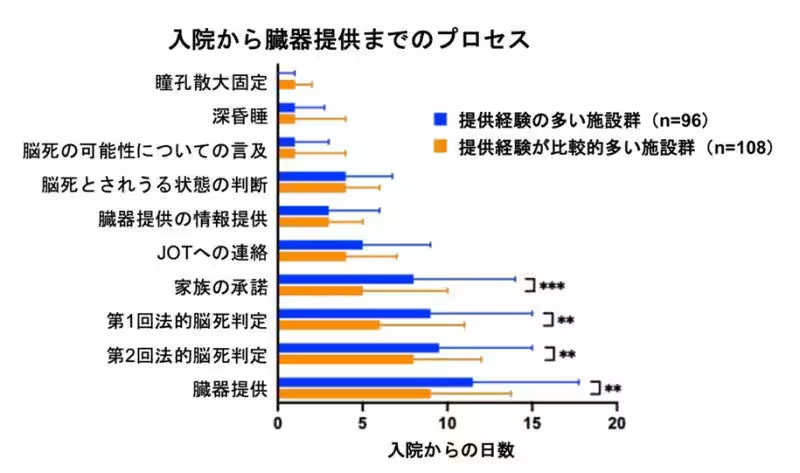
The study, known as the J-RESPECT study, involved 16 emergency medical centers across the country and reviewed a total of 204 cases over a 13-year period from 2010 to 2023. Researchers discovered a significant disparity in the organ donation processes among medical institutions. Notably, facilities with greater experience in organ donations tended to allocate more time for families to make informed decisions about the donation. This finding is crucial because it signifies that the time and support given to families can influence their willingness to donate organs, ultimately affecting the availability of organs for transplantation.
The Role of Multidisciplinary Collaboration
The research underscores the importance of multidisciplinary teamwork in managing the organ donation process effectively. The cooperation between medical staff—including doctors, nurses, and social workers—can foster a supportive atmosphere for families during such emotionally charged decisions. Establishing a standard protocol across different institutions could improve the quality of care provided to families and facilitate more organ donations, thereby enhancing the overall medical system.
Toward a More Unified Medical Framework
The findings from this study advocate for a need to create a more equitable medical environment across Japan that ensures high-quality specialized medical care is accessible to all. Enhancing public understanding and awareness regarding organ donation is also crucial. The researchers hope that these insights can pave the way for substantial reforms in how organ donation processes are handled, translating into improved outcomes for patients in need of transplants.
Insights from Tetsuya Yumoto
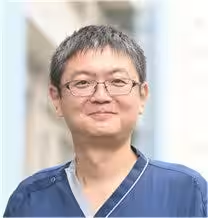
Tetsuya Yumoto, a lecturer involved in the study, expressed that organ donation should not be viewed as a specialized medical procedure but rather as an extension of life-saving options available to patients. He believes that visualizing the processes at play in different healthcare facilities marks a significant step toward improving healthcare systems. The goal is to construct a medical structure that better supports decision-making for patients and their families.
Implications for Future Research
This study, published in the journal Critical Care Medicine on March 26, 2026, offers invaluable insights into the organ donation landscape. The researchers hope that their findings will stimulate further studies examining how institutional practices evolve in response to these revelations. Additionally, by fostering a better understanding of organ donation processes among healthcare professionals and the general public, Okayama University anticipates contributing to a community that supports organ donation as a viable healthcare option.
As we look forward, it is essential to continue promoting awareness about the significance of organ donation and advocate for policies that standardize practices across institutions. By doing so, we can build a more compassionate and effective healthcare system that prioritizes saving lives through organ transplantations.
For further details, the study can be accessed through the Critical Care Medicine journal.
Topics Health)


【About Using Articles】
You can freely use the title and article content by linking to the page where the article is posted.
※ Images cannot be used.
【About Links】
Links are free to use.