



The Significant Decline in New Medical Facility Openings: Insights from 2026
The Significant Decline in New Medical Facility Openings: Insights from 2026
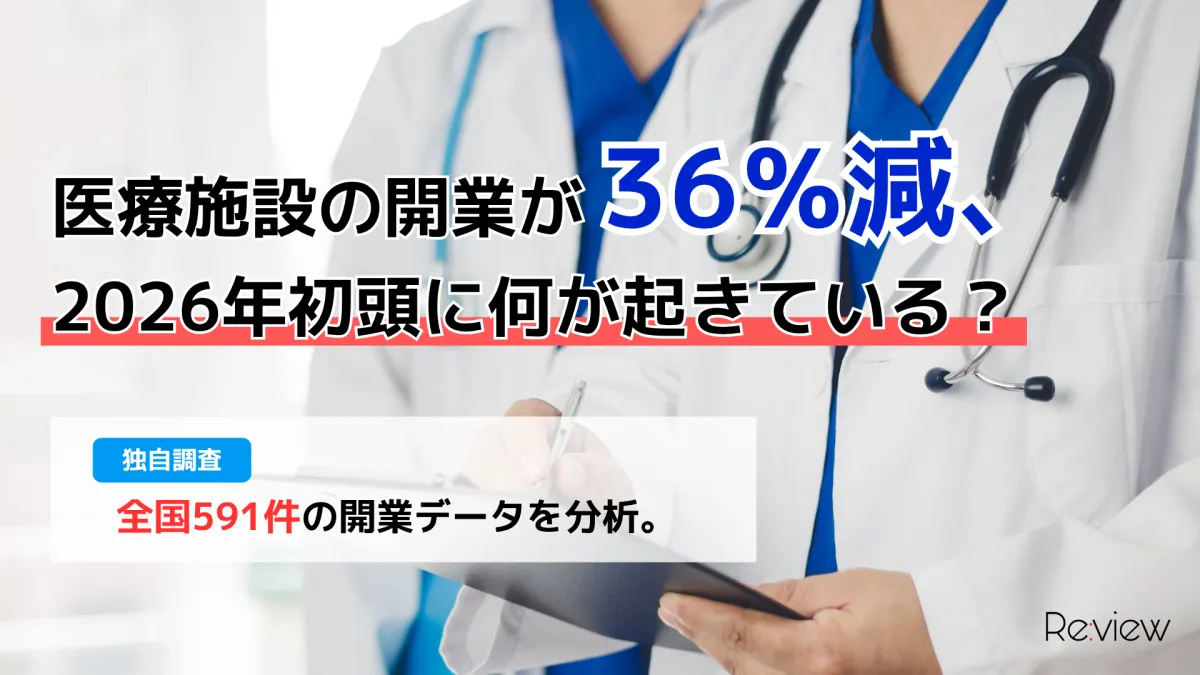
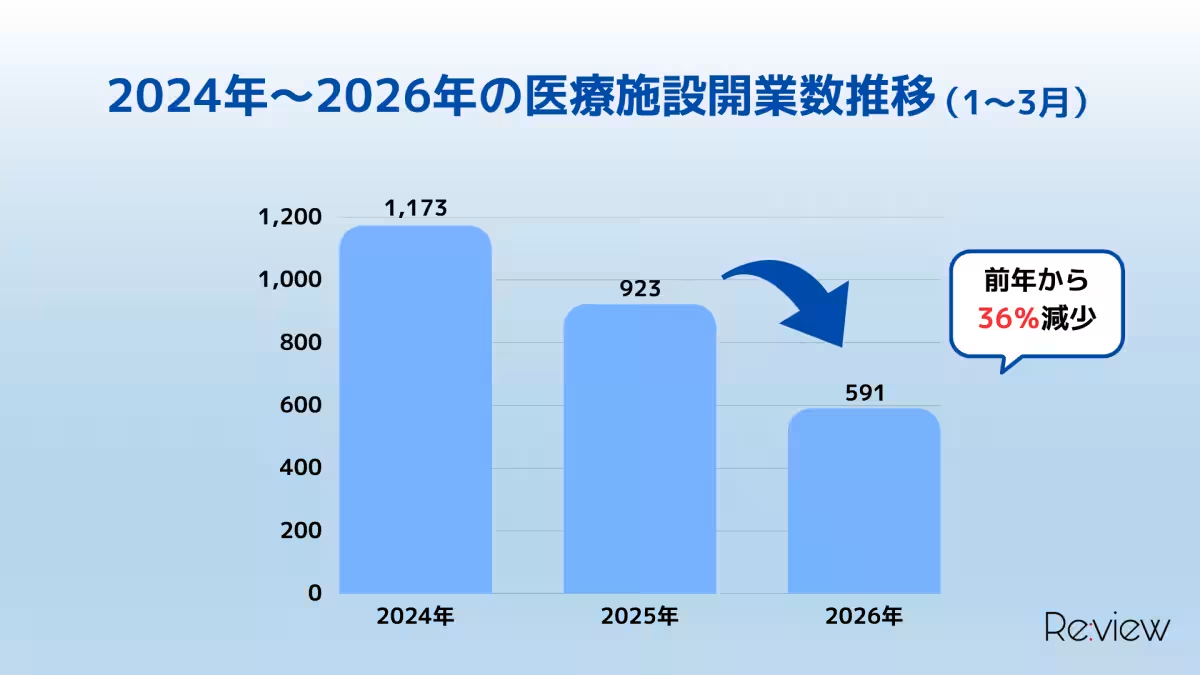
The healthcare sector is witnessing a remarkable downturn as new medical facilities open at a significantly lower rate compared to previous years. According to a report by Review, a company based in Osaka, the first quarter of 2026 has recorded a stark 36% decrease in the establishment of hospitals and clinics across Japan. This data indicates that only 591 new medical facilities were launched between January and March 2026, marking the lowest number seen in three years for the same period.
Patterns in the Decline
The analysis shows a steady trend where openings fell month-on-month: 200 in January, 185 in February, and 206 in March. The reasons behind this downturn appear multifaceted, involving rising construction costs, increases in medical equipment expenses, and higher personnel costs. Moreover, medical professionals are exhibiting caution, potentially delaying their openings in light of the upcoming reimbursement changes in 2026, which necessitate a strategic approach to timing.
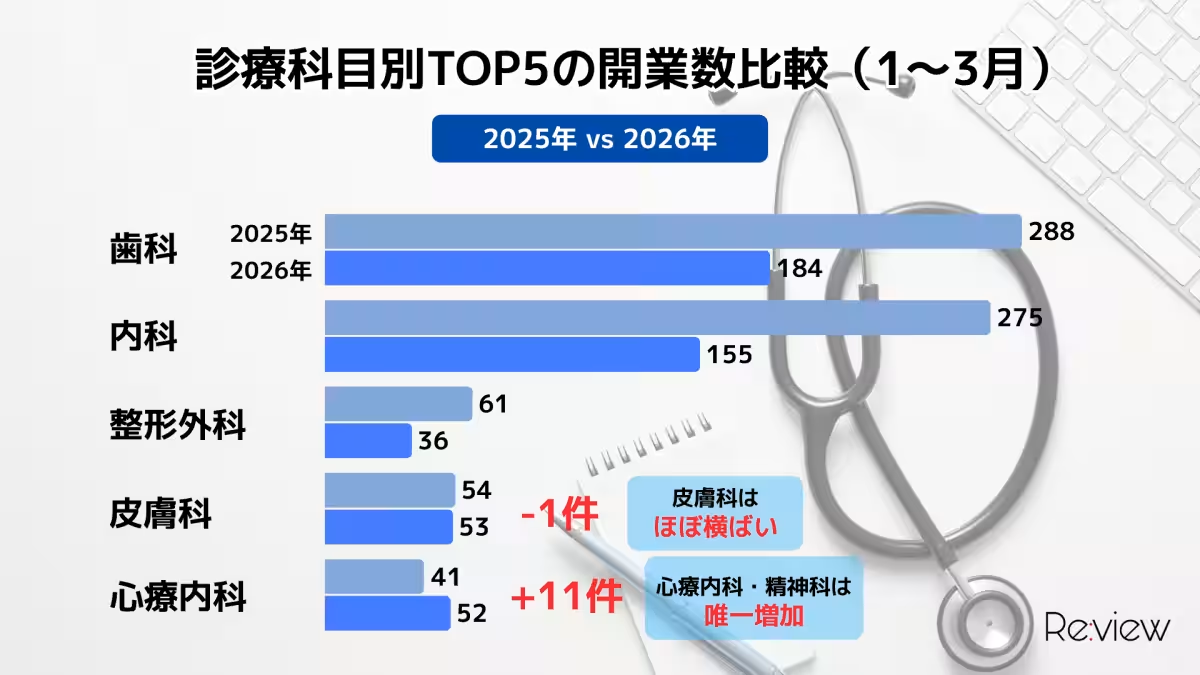
Despite the overall descent in new openings, the study unveils that certain specialties are faring differently. Notably, the fields of psychotherapy and psychiatry stand out as the sole sectors that experienced an increase in new units, growing from 41 to 52 new establishments compared to the previous year. This trend raises critical questions about the evolving landscape of healthcare needs.
Urbanization of New Facilities
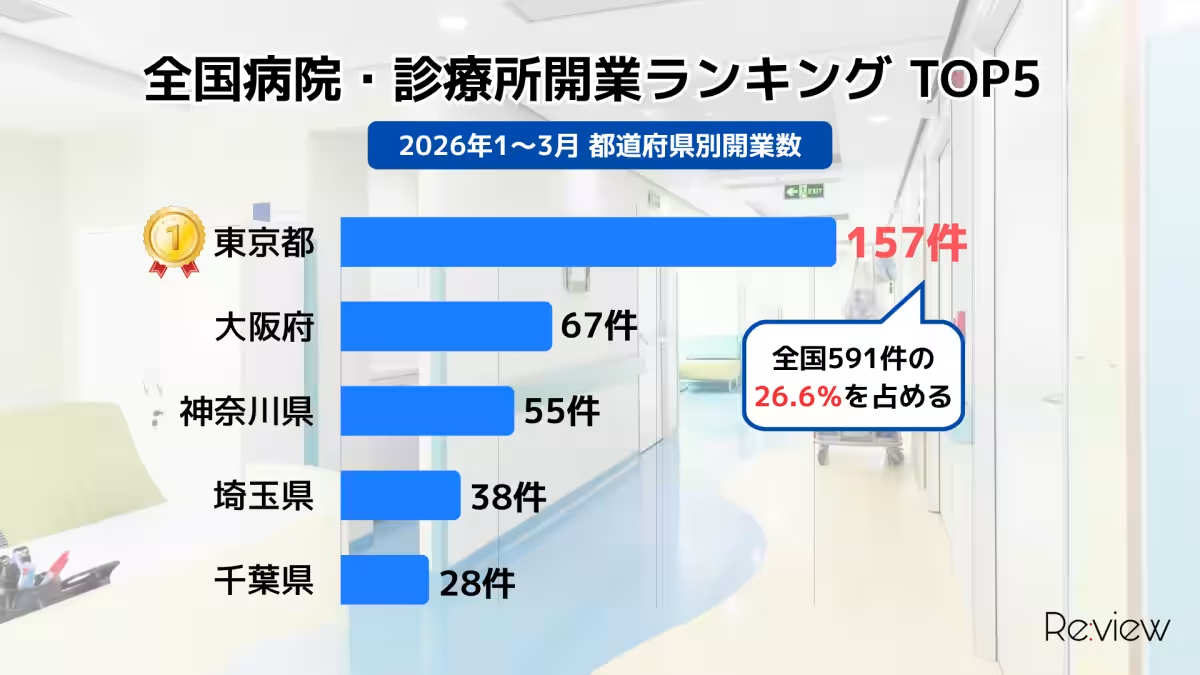
Examining regional data reveals an urban-centric trend in new healthcare openings. Tokyo alone accounted for 157 of the new facilities, representing approximately 26.6% of all new establishments in the country. This was followed by Osaka with 67, Kanagawa with 55, Saitama with 38, and Chiba with 28. This concentration in Tokyo and its surrounding prefectures highlights a clear preference for urban locales amid declining national figures. The top five prefectures together made up 58.4% of total openings, with the Tokyo metropolis alone securing 278 openings.
Contrasting this, 23 prefectures registered fewer than five new openings each during the three-month period, illustrating a significant regional disparity in healthcare establishment trends.
Medical Specialties: A Growing Crisis?
While the overall data presents a concerning snapshot of the healthcare sector, the spike in new openings in psychotherapy and psychiatry suggests that certain medical needs are not diminishing despite a broader decline in facility establishment. This increase highlights a crucial aspect of emerging healthcare demands, especially in the context of mental health, where rising awareness and acceptance are driving demand.
Future Outlook: A Temporary Dip?
The massive 36% decline prompts crucial considerations regarding future trends. Are practitioners simply pausing to reassess the opening strategies due to impending reimbursement alterations, or is this a sign of an industry in transition? The response to these queries will unfold as we track data trends post-April 2026 closely. If a rebound in new facilities occurs, the current drop may simply reflect a temporary hesitation; however, sustained low figures might indicate increasing challenges in establishing new medical facilities nationwide.
Conclusion
As new medical facility openings hit a significant low in early 2026, it becomes imperative to understand the underlying reasons for this trend. The unique increase in specific specialties like psychotherapy and psychiatry amidst a general decline may offer vital insights into current healthcare demands. Understanding where and how healthcare provision is shifting will prove critical in navigating the evolving landscape of medical services in Japan. Review commits to continuous analysis of this data to illuminate regional and industry-specific developments moving forward.
- ---
Further Reading
For detailed insights and analysis into the medical facility opening trends, please refer to our comprehensive report at Review's Medical Facility Opening Report.

Topics Health)
【About Using Articles】
You can freely use the title and article content by linking to the page where the article is posted.
※ Images cannot be used.
【About Links】
Links are free to use.