



Insights from Cacco's 2026 Survey on Credit Card Fraud and Consumer Awareness
Insights from Cacco's 2026 Survey on Credit Card Fraud
Cacco Co., a Tokyo-based expert in fraud detection and data analysis, conducted an in-depth survey titled "Credit Card Fraud Survey 2026" to explore the current state of credit card fraud in Japan. The survey aimed to understand the extent of damage caused by fraud and how consumer awareness is evolving amidst these challenges. Here, we present the key findings and insights from the survey.
Key Findings
1. Fraud Incidents Peaks in Spring and Summer
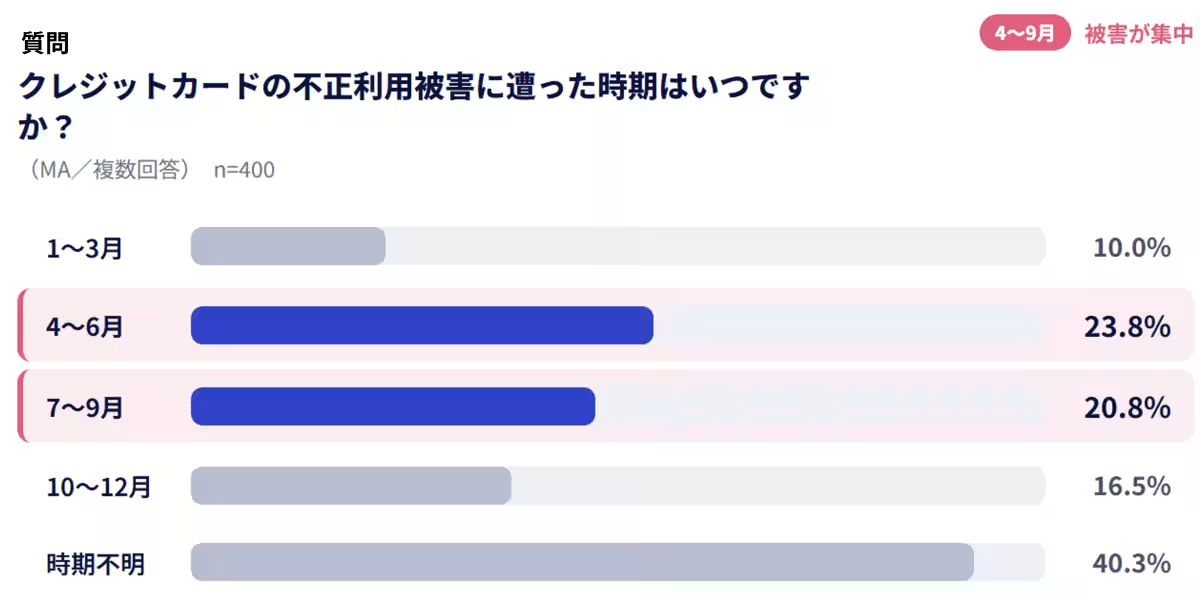
The data indicates that the majority of fraud cases occur from April to September, comprising over 44.6% of total incidents. Specifically, April to June accounted for 23.8% of cases, making it the most vulnerable period for consumers. This trend suggests that the increase in online shopping during major sales events exposes consumers to higher risks of fraud.
2. The Role of Sale Anxiety
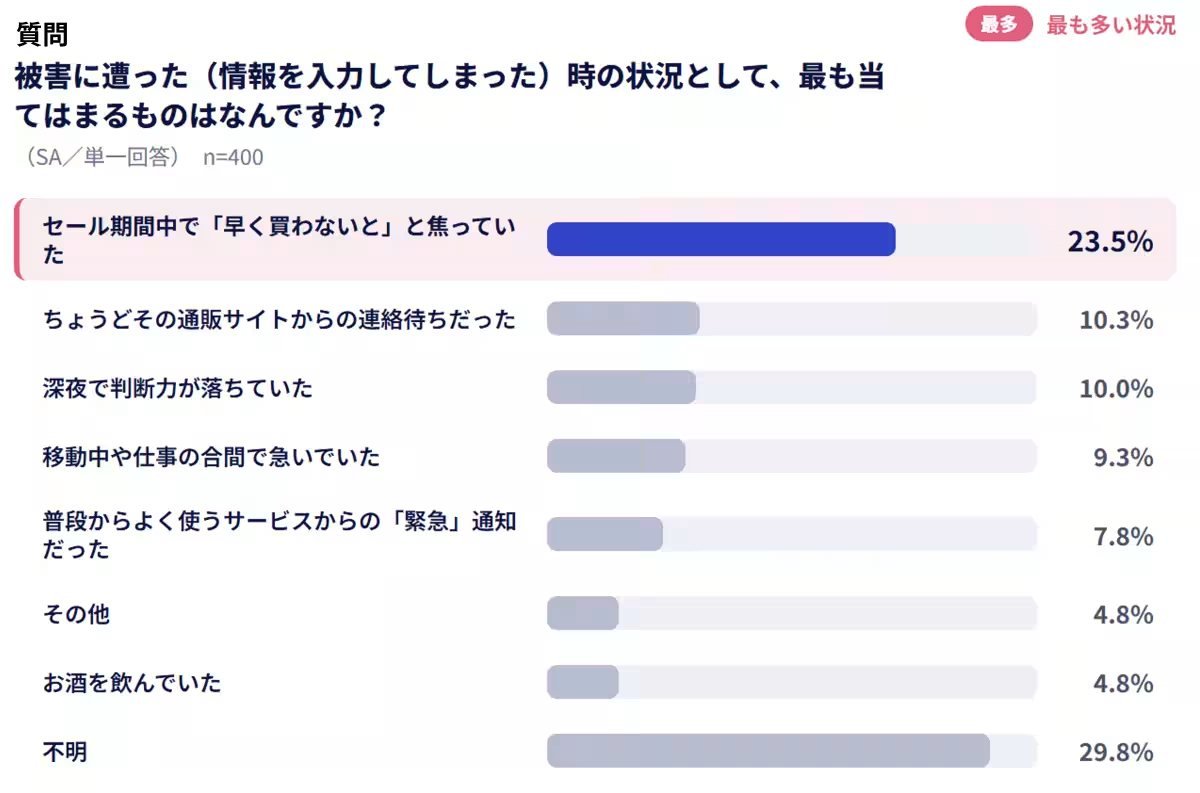
One striking revelation from the survey is that nearly 25% of respondents experienced fraud due to being "rushed during sales". In these high-pressure scenarios, consumers are more prone to make hasty decisions that compromise their card information. Furthermore, responses showed that 10.3% were victims while waiting for communication from the concerned online retailer, indicating a clear link between consumer behavior and vulnerability to fraud.
3. Decline in Compensation Rates
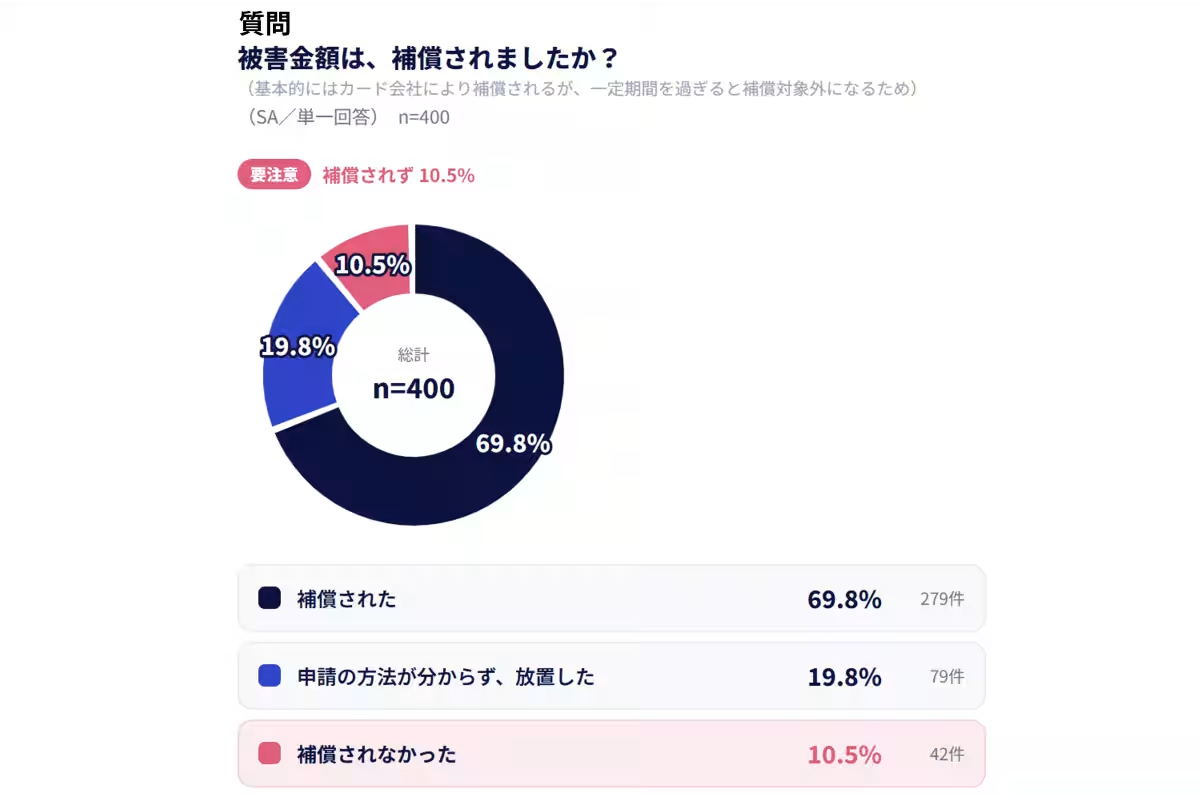
Alarmingly, the survey revealed that the rate of compensation for fraudulent transactions dropped significantly, by 16 percentage points from the previous year, settling at 69.8%. Such a decline raises concerns on the efficacy of current protections and how victims may not even realize they have been defrauded until it’s too late, particularly when low-value transactions evade immediate scrutiny, leading them past the typical 60-day claim deadline.
4. Application Process Disparities
The survey showed that a significant portion of younger individuals, particularly those in their 20s (31.3%), felt unsure about the claims process and did not pursue compensation. This confusion can possibly be attributed to the outdated analog methods that some card issuers still employ for claim applications, which can deter a generation accustomed to quick and digital communications.
5. Rise of EMV 3DS Authentication
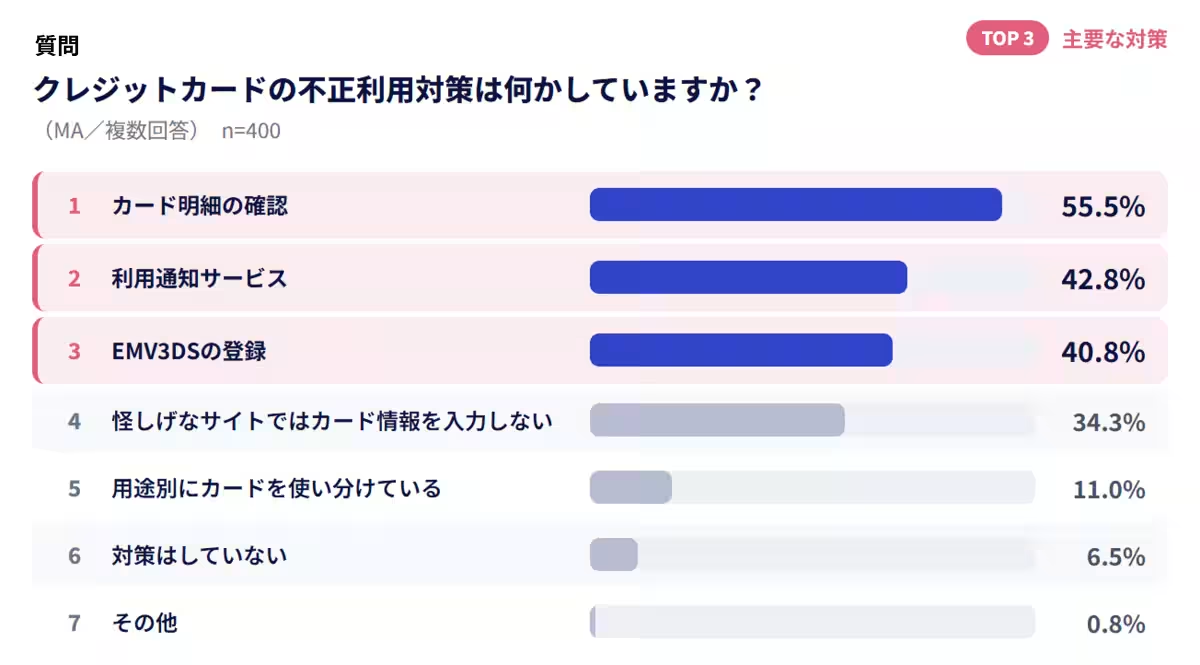
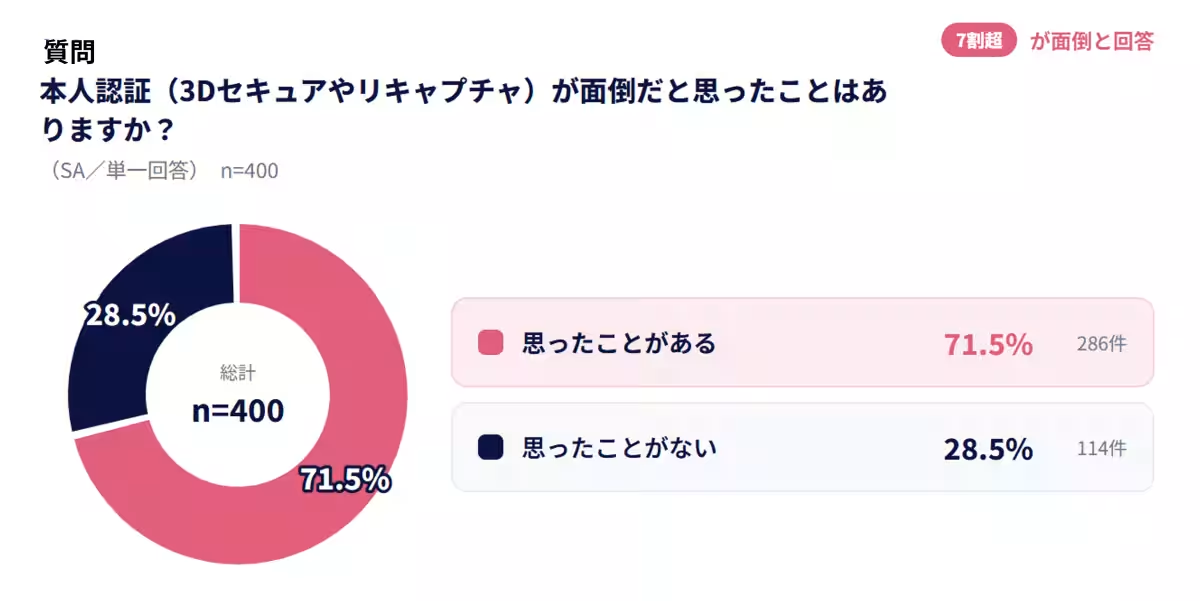
Despite the rise in the use of EMV 3-D Secure technology, the survey uncovered that 71.5% of users find the authentication to be a cumbersome process. While adopting such security measures has doubled since last year, the inconvenience faced by users creates a paradox where increased security may lead to decreased consumer satisfaction and willingness to use protective mechanisms.
6. Fraud Patterns in Purchases
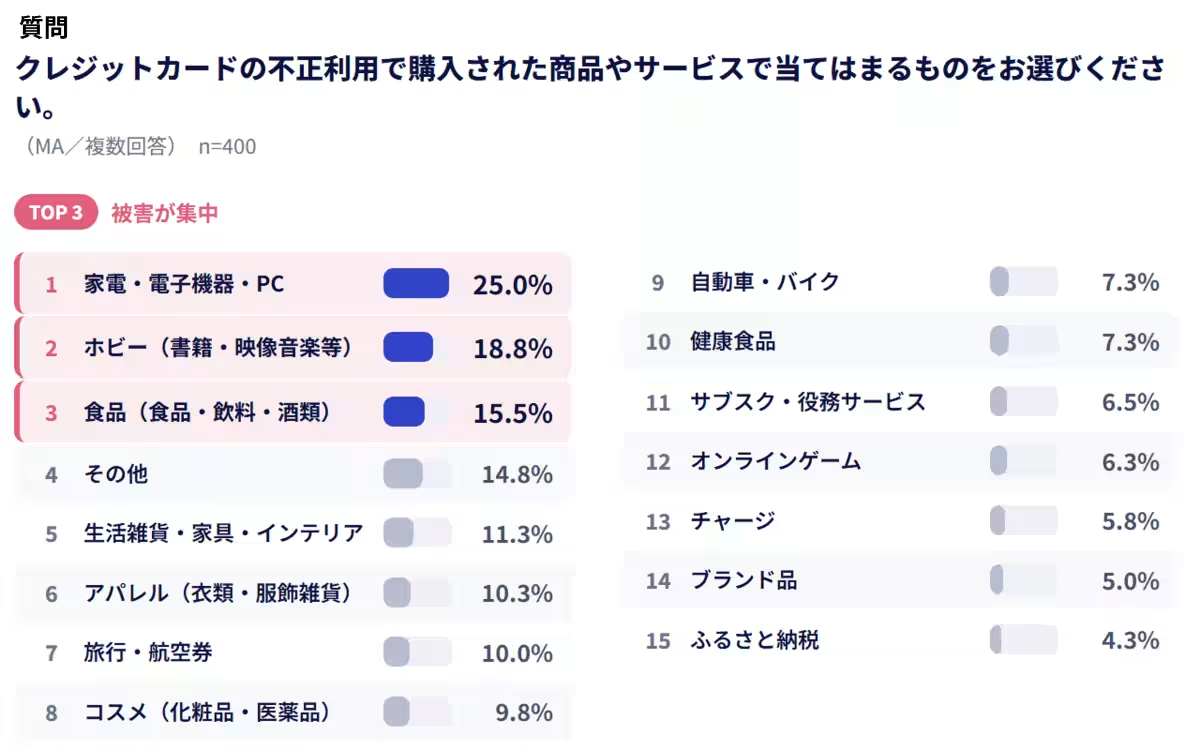
Examining the types of products subjected to fraudulent purchases, electronics and appliances topped the list, just as in 2025, holding a 25% share, while hobbies and groceries followed with 18.8% and 15.5% respectively. The uptick in demand for collectible items suggests fraudsters might target more lucrative and easily liquidated products.
7. Behavioral Changes After Fraud
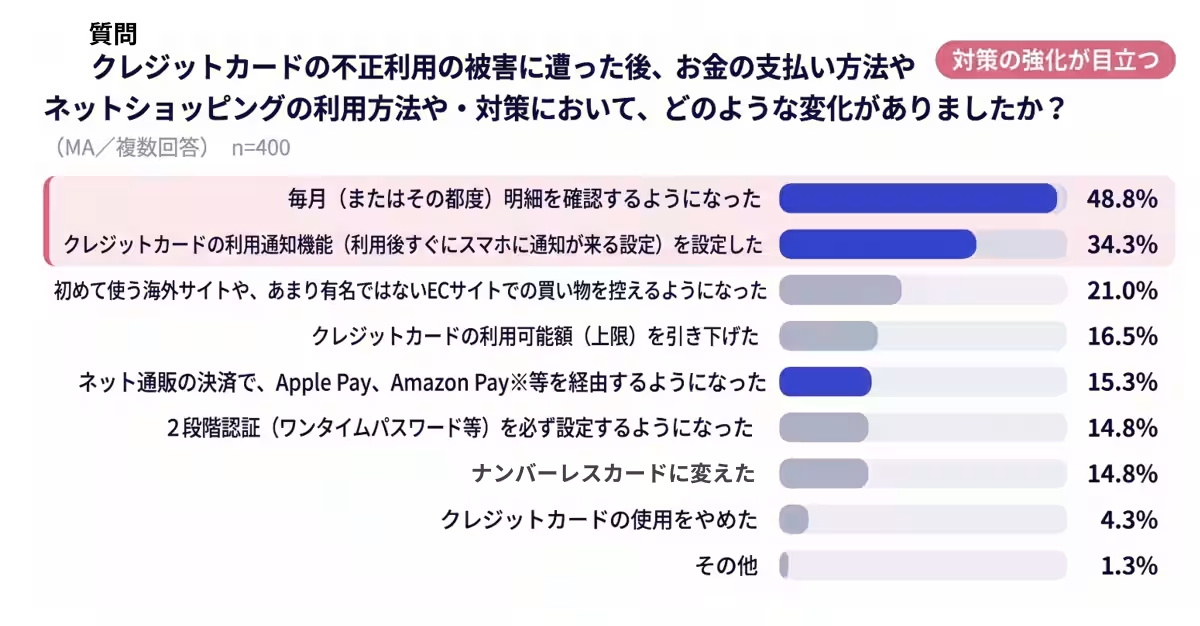
Of those who fell victim to fraud, 48.8% reported starting to review their monthly statements more regularly, while 34.3% implemented transaction notification features. This highlights an increased awareness and proactive approach among consumers to safeguard their accounts, particularly among younger demographics.
Cacco’s Analysis and Recommendations
Cacco's CEO, Hiroyuki Iwai, expressed serious concerns regarding the sharp decline in the rate of compensation claims and urged consumers to become more vigilant, particularly during peak shopping periods. Consumers should enable immediate transaction notifications to act quickly in the event of suspicious activity.
Moreover, business entities must adopt targeted fraud detection systems and streamline their claim processes to ease hurdles for victims. It is crucial for both consumers and businesses to collaborate in creating a more secure shopping environment.
Conclusion
As the digital landscape evolves, so does the realm of online security. The findings from Cacco's 2026 survey underscore the necessity for heightened awareness and advanced security measures in combating credit card fraud. Both consumers and businesses must take an active stance in adapting to these challenges to protect against future incidents.


Topics Other)

【About Using Articles】
You can freely use the title and article content by linking to the page where the article is posted.
※ Images cannot be used.
【About Links】
Links are free to use.