



The Relationship Between SEO and PR in the AI Generation: Insights from PLAN-B Marketing Partners
The Relationship Between SEO and PR in the AI Generation: Insights from PLAN-B Marketing Partners
In a recent survey conducted by PLAN-B Marketing Partners, the integration of SEO (Search Engine Optimization) and PR (Public Relations) strategies within Japanese companies has been emphasized as crucial for success in the rapidly evolving AI landscape. With over 70% of companies actively engaging in collaborative initiatives between SEO and PR, this underscores a transformative approach to digital marketing in Japan.
Background of the Study
The emergence of generative AI and the rapid evolution of search algorithms have dramatically changed how users gather information. For companies to achieve meaningful outcomes, their messaging must extend beyond their own websites to include mentions and brand exposure across external media platforms. This shift highlights the growing importance of SEO in connection with PR activities, leading to a synergistic relationship that potentially enhances the effectiveness of both disciplines.
Understanding this dynamic, PLAN-B Marketing Partners conducted a survey focusing on the collaboration between SEO/LLMO (Large Language Model Optimization) and PR professionals. The aim was to assess the current state of this relationship among stakeholders in Japan.
Survey Overview
- - Survey Period: August 18–25, 2025
- - Participants: 150 individuals consisting of SEO/LLMO and PR professionals across Japan
- - Method: Online questionnaire
- - Commissioned By: Ibridge, Inc.
Key Findings
The survey revealed insightful data regarding the operational integration of SEO and PR:
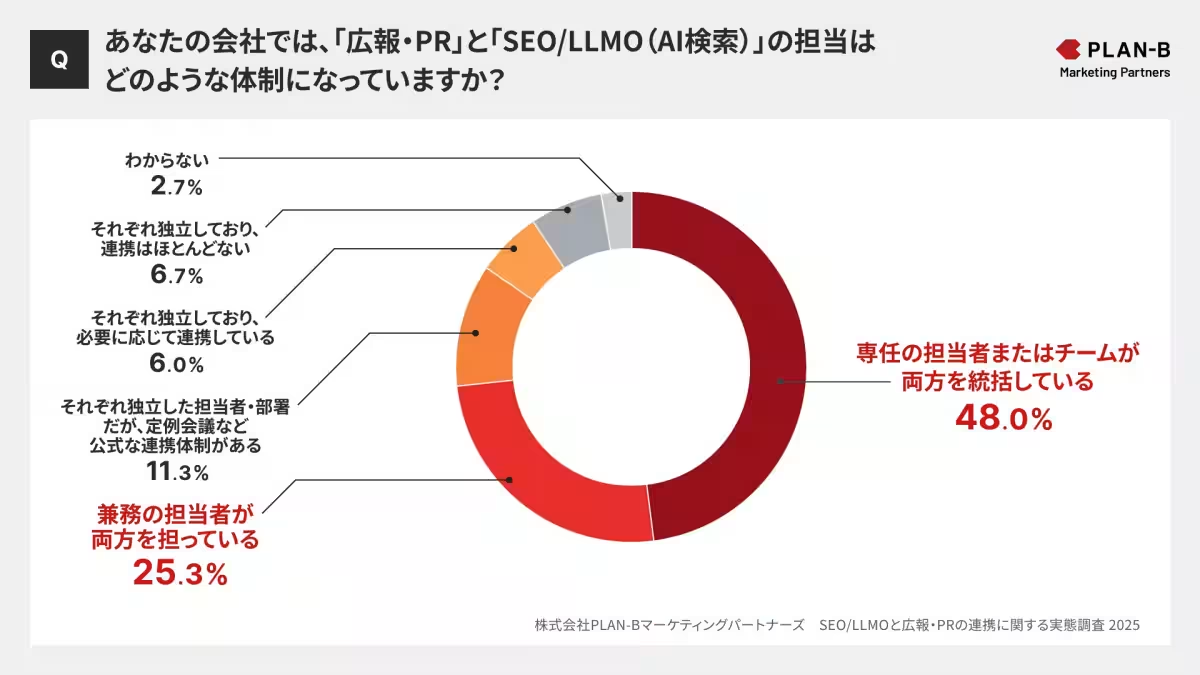
1. Unified Management Structure: Almost half (48%) of the companies surveyed reported having a dedicated team overseeing both SEO/LLMO and PR, with an additional 25.3% having personnel performing dual roles. Together, over 70% of respondents indicated some level of integrated management, demonstrating the commitment to cross-functional collaboration.
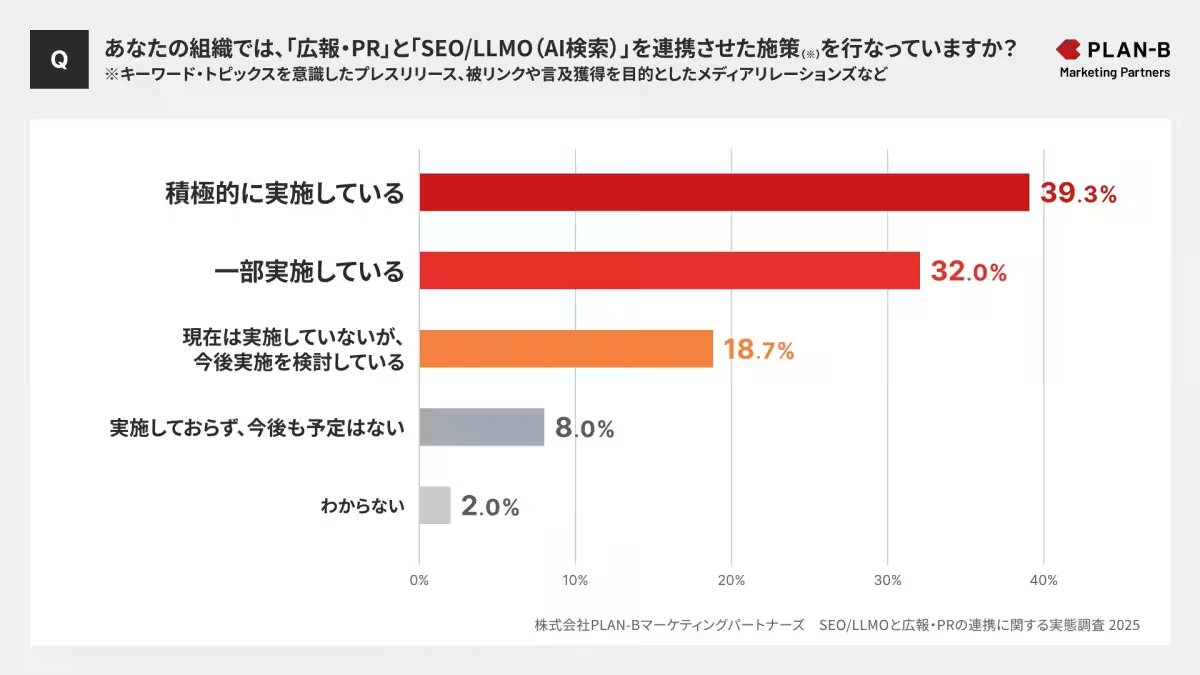
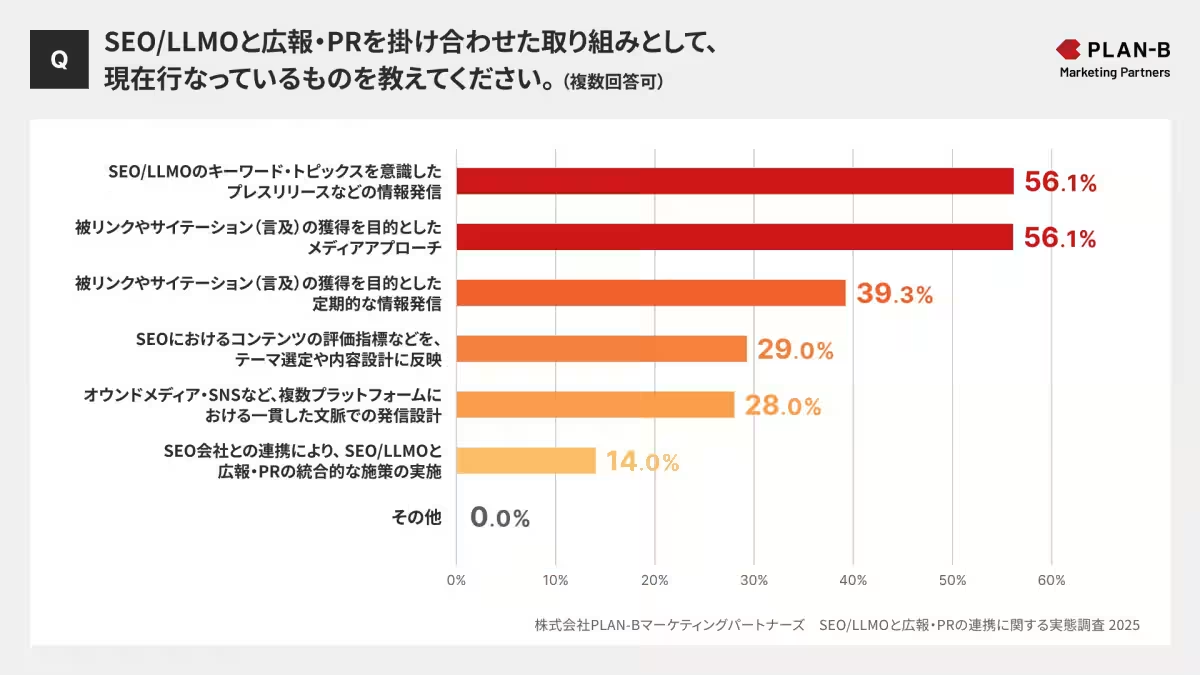
2. Implementation of Collaborative Initiatives: Out of those surveyed, 71.3% confirmed they were promoting initiatives that combine SEO and PR efforts. The leading approaches included creating press releases tailored to SEO keywords and media outreach aimed at enhancing backlinks and mentions in relevant channels.
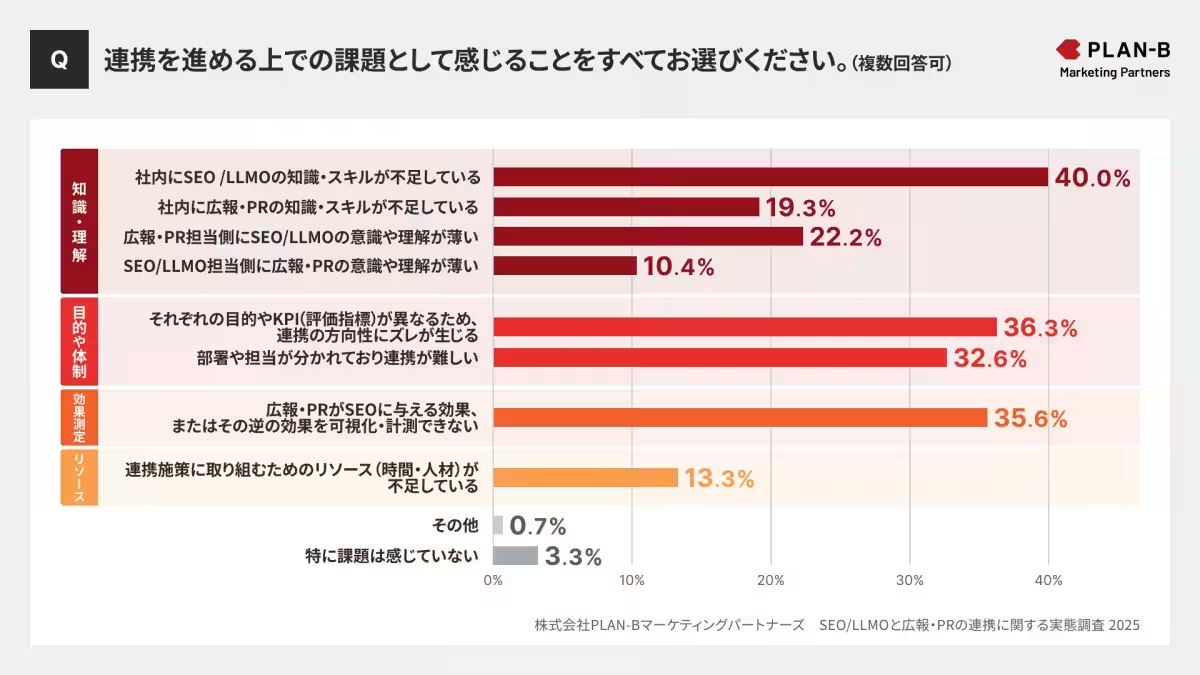
3. Challenges to Collaboration: Despite the positive trends, respondents identified significant obstacles to further integration. The main issues cited were a lack of in-house SEO/LLMO expertise (40%), alignment discrepancies in KPIs (36.3%), and difficulties in measuring effects (35.6%). These challenges reflect a need for enhanced knowledge sharing and mutual understanding of respective domains.
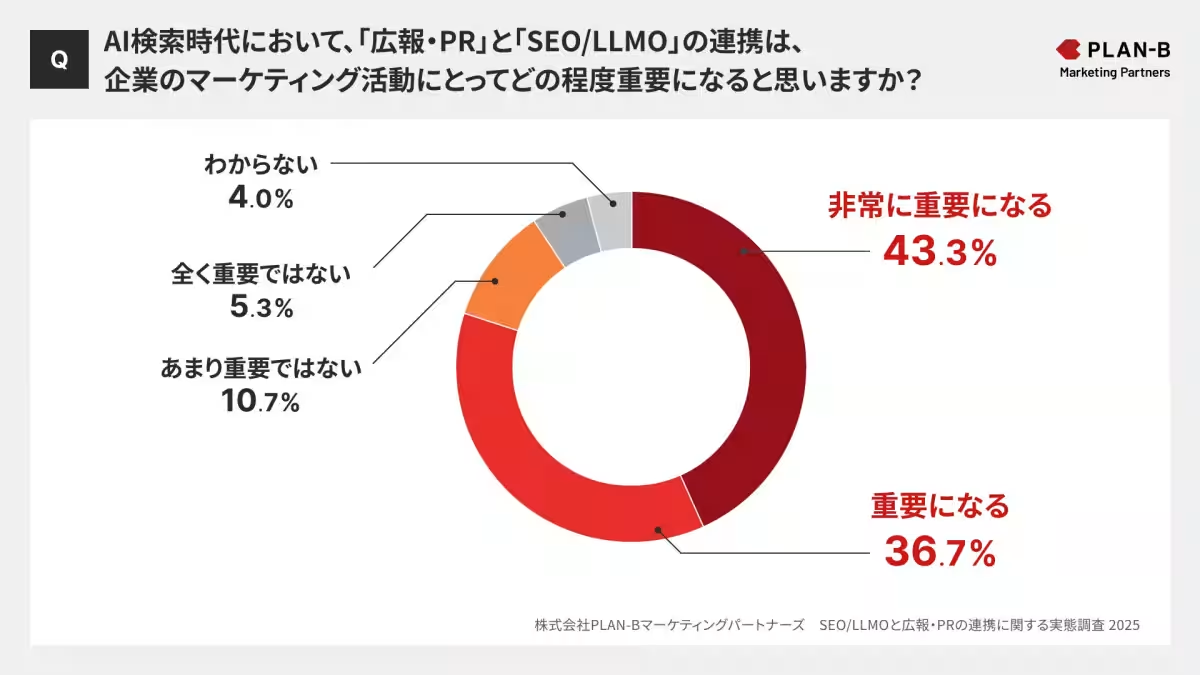
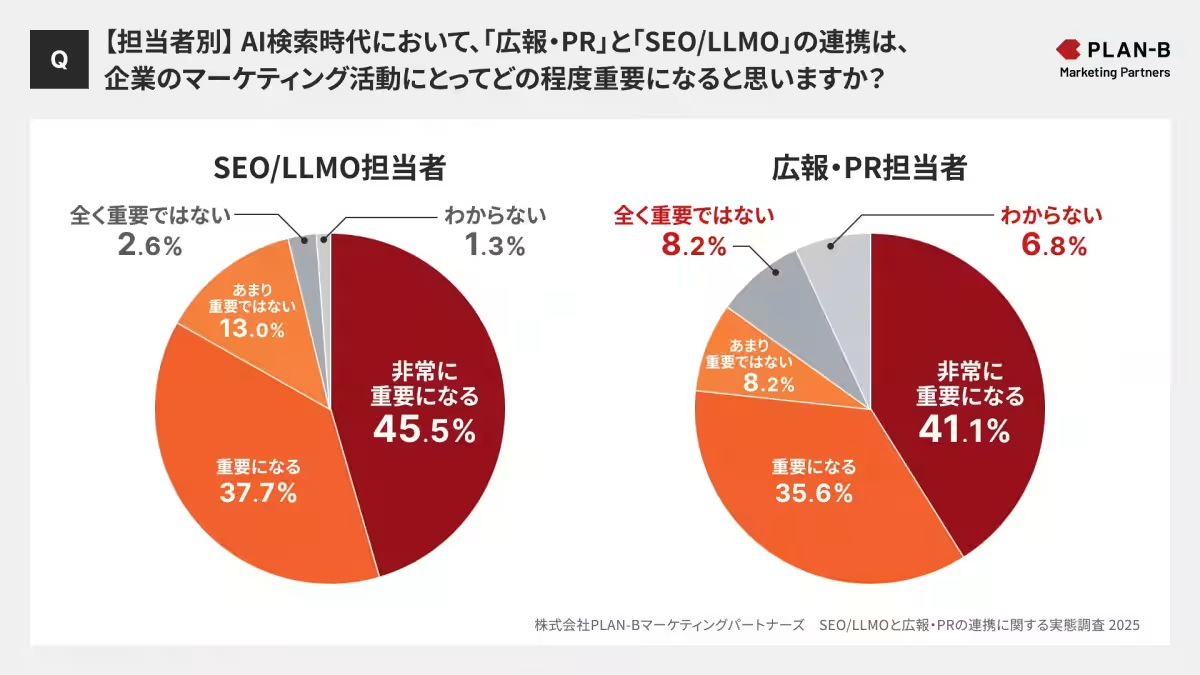
4. Recognition of Importance: An overwhelming 80% of respondents acknowledged the importance of SEO and PR integration in the AI-driven search landscape going forward. Notably, 43.3% felt it would be “very important,” indicating a widespread consensus on the relationship between both domains.
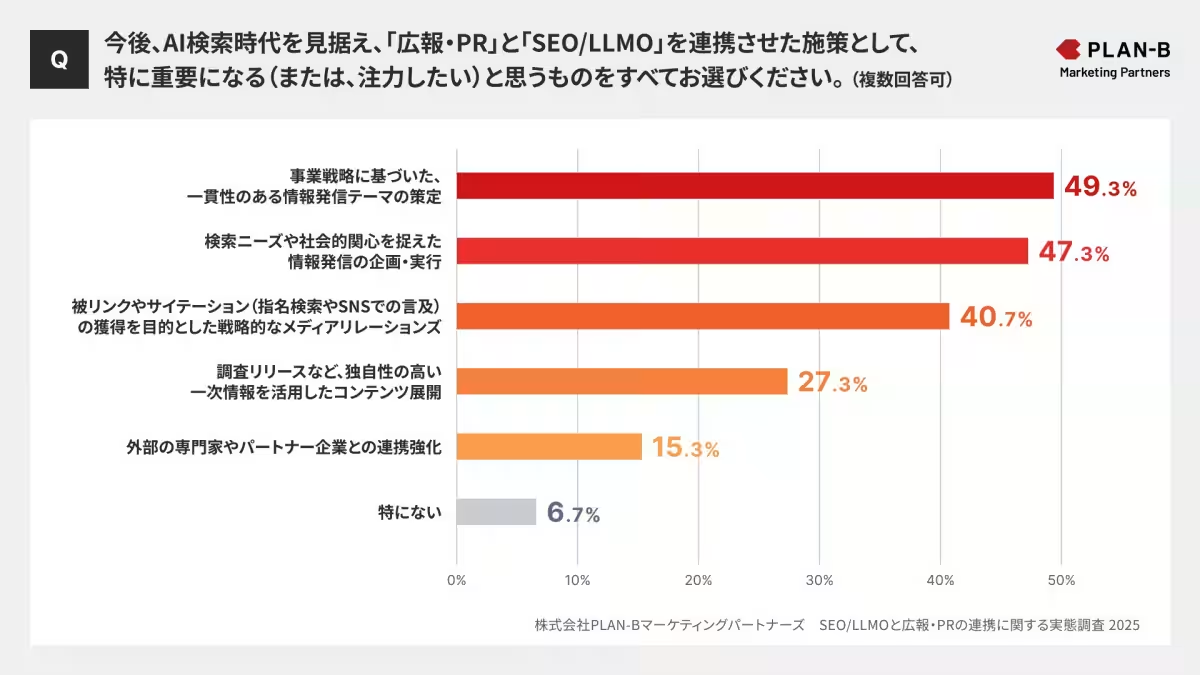
5. Future Focus Areas: When asked about future initiatives, nearly half (49.3%) expressed the need for a consistent messaging strategy aligned with business objectives. Others pointed to the necessity of designing content that resonates with search needs and public interest (47.3%), showing a clear intention to elevate the strategic interaction between SEO and PR.
Conclusion
This study illustrates that the partnership between SEO/LLMO and PR is gaining momentum within Japanese firms, with tangible efforts being made to exploit the potential of this collaboration. However, challenges remain concerning knowledge gaps and differing objectives between teams. As consumer decision-making shifts increasingly towards a landscape influenced by generative AI, companies must optimize their communication across multiple platforms, ensuring that their SEO and PR strategies enhance each other for maximum impact.
Ultimately, fostering a comprehensive understanding between SEO specialists and PR professionals will be essential in bridging the gap and driving successful outcomes in the new digital marketplace. The collaborative spirit required for integrating these two fields offers promising potential for companies aiming to thrive in an era defined by AI-driven information interactions.



Topics Consumer Technology)
【About Using Articles】
You can freely use the title and article content by linking to the page where the article is posted.
※ Images cannot be used.
【About Links】
Links are free to use.