



Understanding the Link Between Diet, Gut Health, and Skin Issues: Insights from Dermatologists
Exploring the Connection Between Diet and Skin Health
Recent findings from a survey involving 511 dermatologists shed light on an important but sometimes overlooked factor when it comes to skin health: diet, specifically the role of gluten and overall gut health. Conducted by Bright Blossom Co., Ltd., this investigation reveals insights into dermatological practices and how they intersect with dietary habits.
The Survey Overview
The survey aimed to understand dermatologists’ perceptions regarding the impact of gluten consumption on skin health and gut environment. Conducted online from December 16 to 17, 2025, it revealed a critical understanding among specialists about how food can influence skin conditions. The remarkable findings indicate that there’s a growing focus on evaluating gut health when diagnosing skin problems.
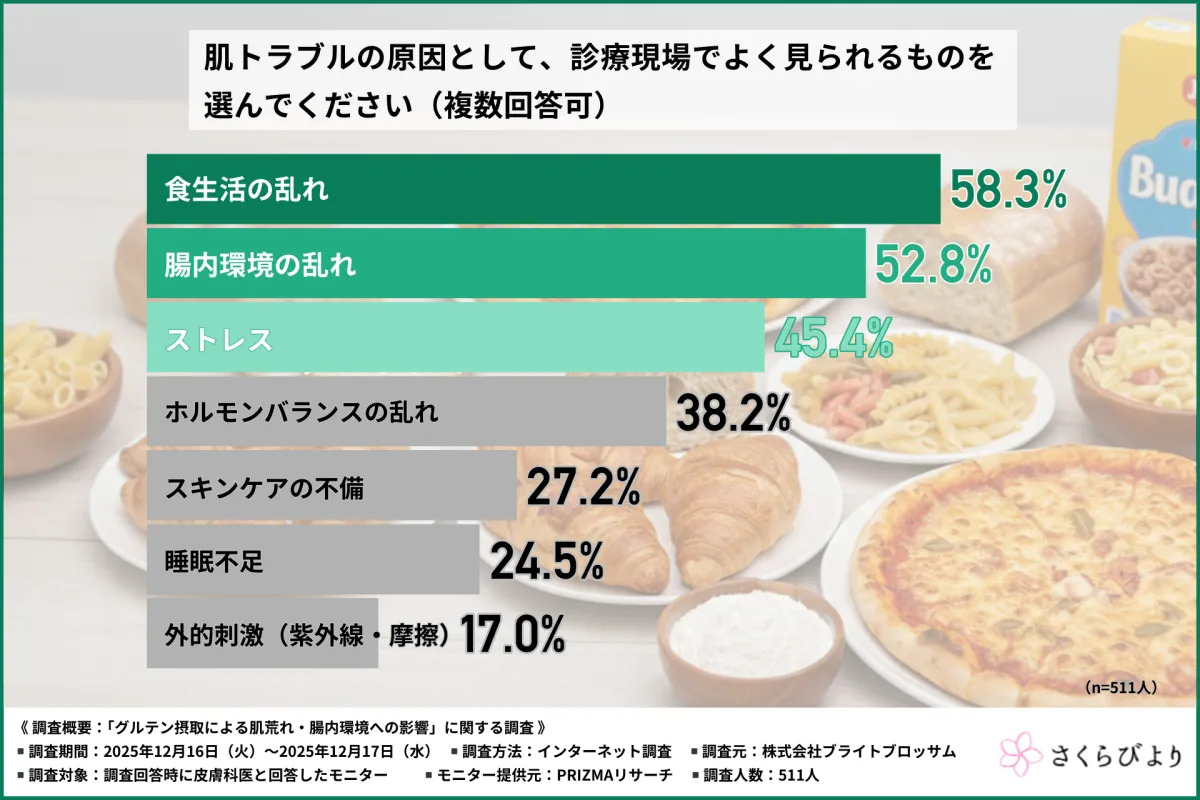
Among the respondents, more than half acknowledged that disruptions in dietary habits are significant contributors to skin issues (58.3%). Moreover, issues related to gut health were reported by 52.8% of the doctors, showcasing that dermatologists increasingly view skin conditions as reflective of internal health, rather than merely external factors.
Emphasizing Gut Health in Dermatology
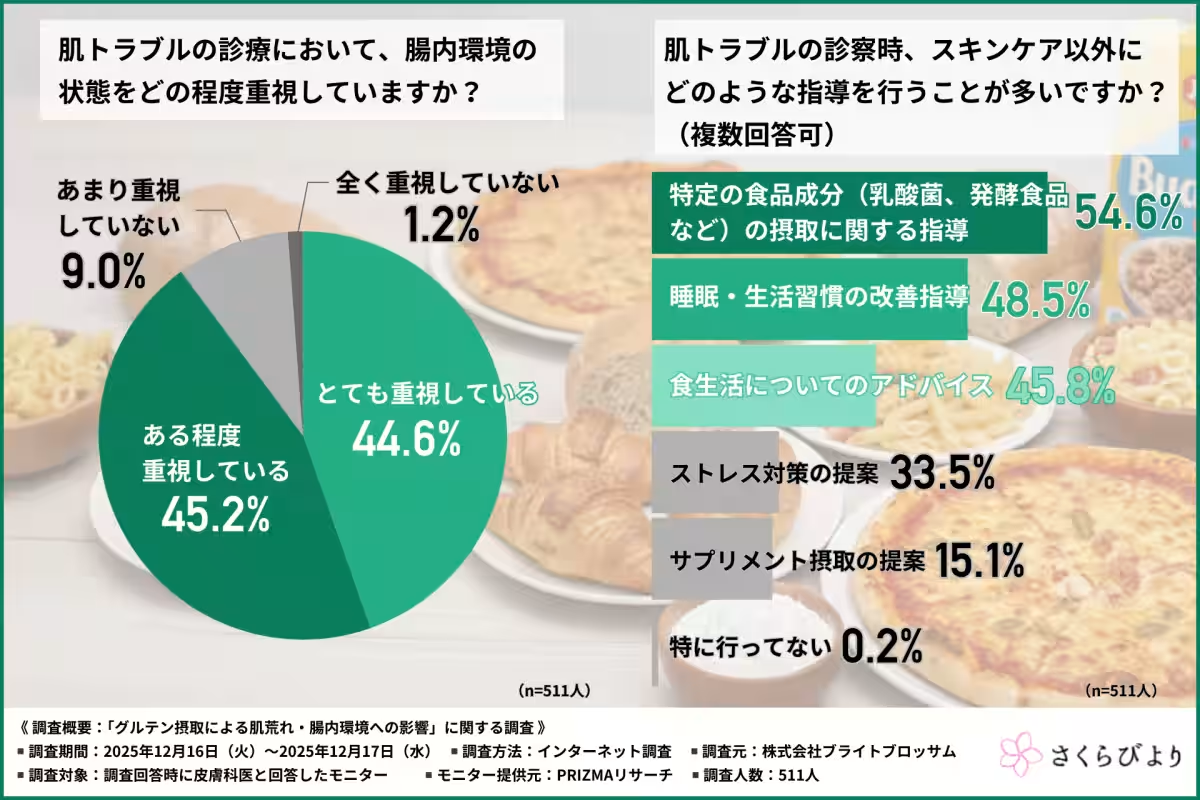
An astonishing 90% of dermatologists stated they prioritize the state of gut health when treating skin disorders. This shift signifies an acknowledgment of how our internal environment—particularly the gut—plays a crucial role in overall skin condition. Just as patients are often told about the importance of skincare, there is now a valuable discussion around lifestyle factors that influence skin health.
When asked about common recommendations given to patients, over half mentioned suggesting the intake of specific food components, such as probiotics and fermented foods (54.6%). Additionally, 48.5% advised on improving sleep and overall lifestyle habits, while 45.8% provided general advice on dietary habits. This holistic approach indicates a significant movement within dermatology towards treating skin conditions by addressing dietary factors.
Patient Misunderstandings Regarding Skin Conditions
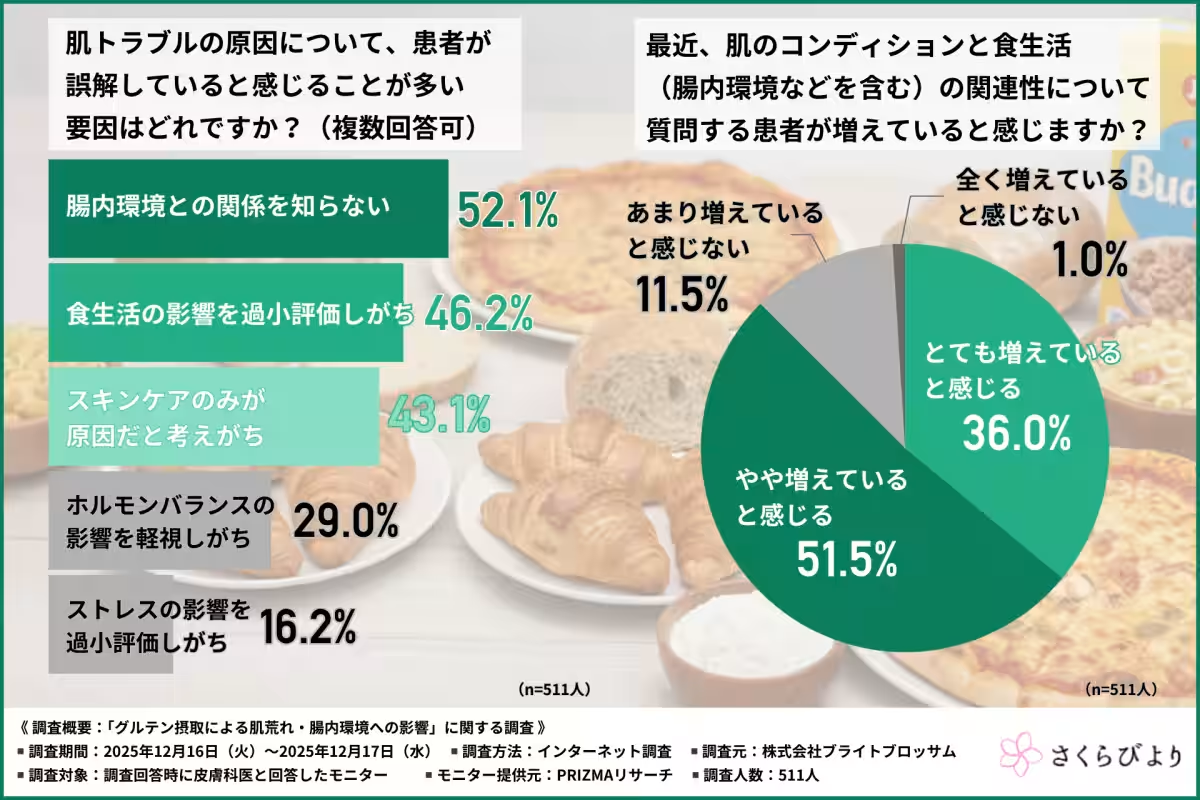
A notable insight revealed that many patients have misconceptions regarding the causes of their skin problems. The survey indicated that 52.1% of dermatologists felt that patients often fail to recognize the relationship between their gut health and skin conditions. Similarly, 46.2% noted that patients tend to underestimate how their eating habits might contribute to their skin issues, while 43.1% felt that patients commonly attribute skin concerns solely to skincare routines.
Fortunately, there seems to be an emerging awareness among patients. Approximately 88% of dermatologists observed that there is a rising number of patients inquiring about the link between dietary habits, including gut health, and their skin issues, suggesting an evolution in patient awareness and education.
Skin Condition Variability Based on Dietary Choices
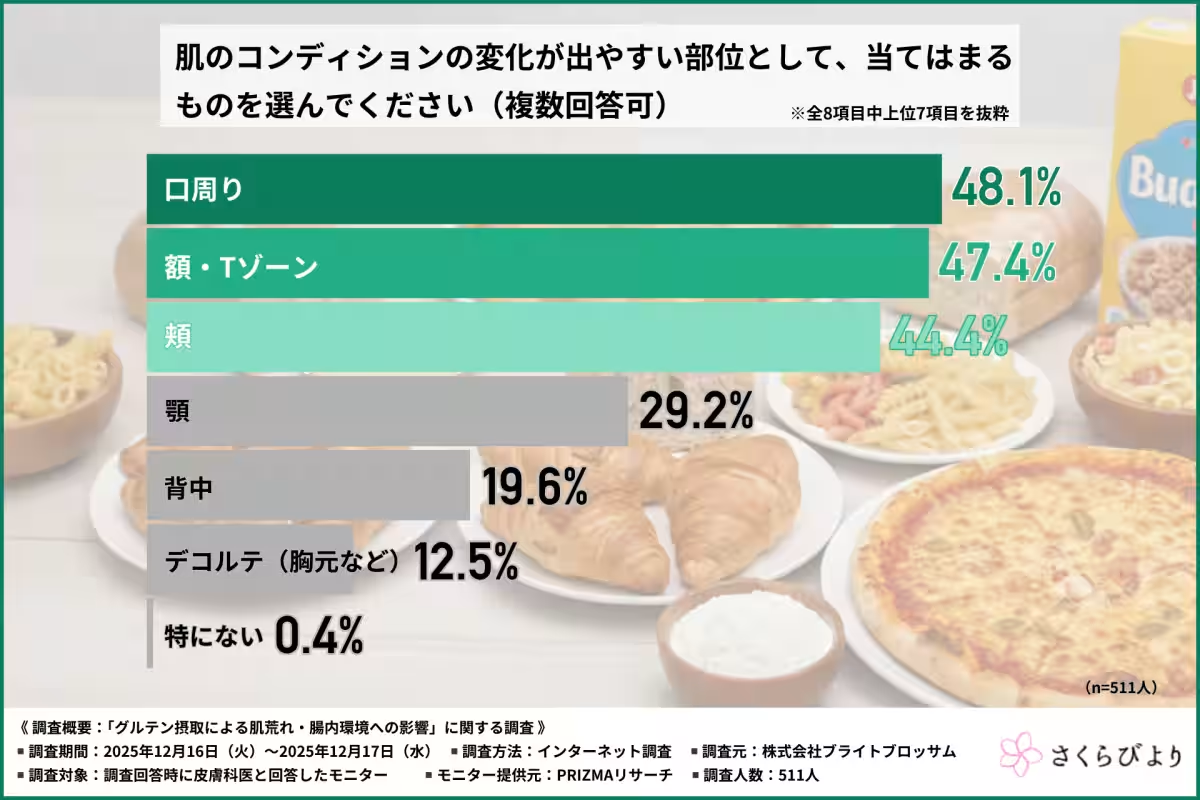
In terms of where skin conditions most frequently manifest, the survey revealed that the mouth area (48.1%), forehead and T-zone (47.4%), and cheeks (44.4%) are the primary zones affected. This finding underscores that symptoms of dietary-induced skin issues can appear across a broad spectrum of facial areas, rather than just on the surface layer of the skin, evoking the need to consider dietary impacts.
The Role of Gluten in Skin Issues
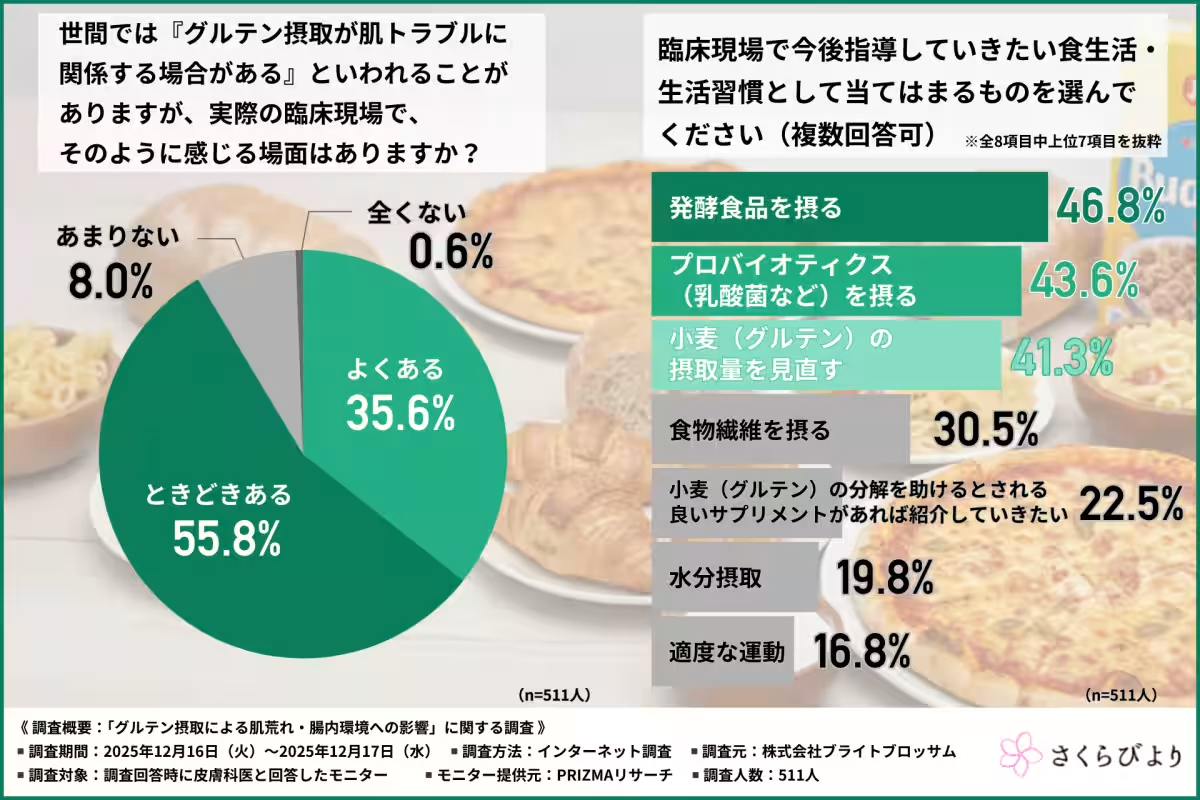
A striking concern arises regarding gluten consumption. When dermatologists were asked about their experiences with gluten and skin problems, a substantial 91% reported observing a correlation. They recognize that, although gluten impacts those with specific conditions like celiac disease, many others might unknowingly experience skin issues related to gluten ingestion. As a result, dermatologists are increasingly recommending that patients evaluate their gluten consumption as part of a broader strategy for improving skin health.
Future Focus Areas in Dietary Guidance
When inquiring about dietary changes that dermatologists would urge their patients to embrace, a significant portion emphasized incorporating fermented foods (46.8%) and probiotics (43.6%) into their diets while also suggesting a review of gluten intake (41.3%). These recommendations highlight the importance of both adding beneficial food elements and considering which items may need to be reduced or eliminated.
Expected Outcomes from Dietary Changes
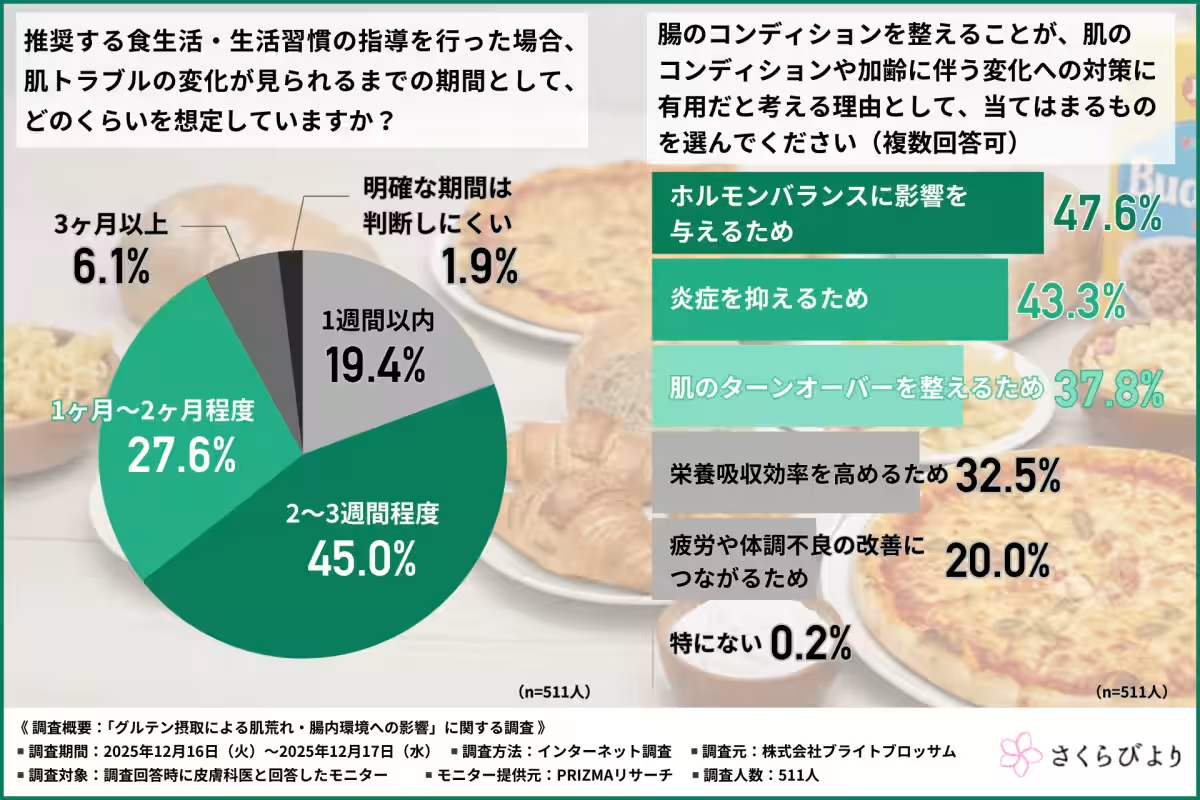
Dermatologists expressed various expectations regarding how quickly patients might see improvements after implementing dietary recommendations. About 19.4% expected that changes could be noticed within a week, while 2-3 weeks was the most common expected timeframe (45%). Following this advice can enhance skin conditions significantly, suggesting that a comprehensive approach towards diet and lifestyle should not be overlooked.
Conclusion: The Interconnection of Gut Health and Skin Well-Being
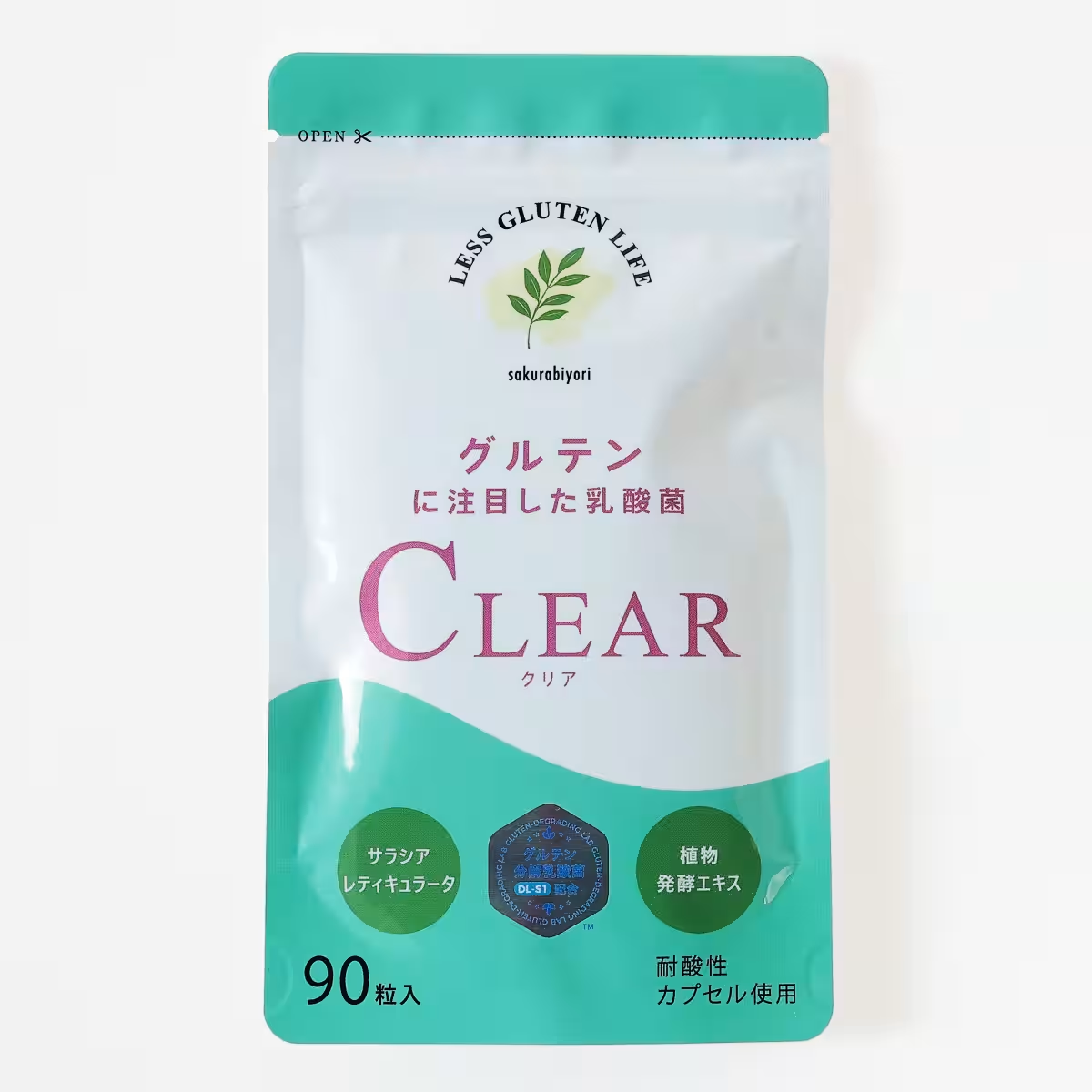
In summary, the comprehensive insights gained from the survey point towards a growing consensus among dermatologists that healthy eating and good gut health are paramount in treating and preventing skin issues. The focus on gluten and other dietary elements is an emerging trend in dermatology, allowing patients to take proactive measures in achieving healthier skin. With the spike in questions about diet's impact on skin health, there is hope that increased awareness could lead to more effective treatments for skin issues in the future. As individuals, being aware of our dietary choices is becoming essential—highlighting the possibility of dietary supplements like Clear, which focuses on promoting better digestive health as part of a holistic approach to skincare.
For more information on gluten-focused probiotic supplements, consider checking out Bright Blossom Co.’s product Clear, designed specifically to address these concerns.

Topics Health)
【About Using Articles】
You can freely use the title and article content by linking to the page where the article is posted.
※ Images cannot be used.
【About Links】
Links are free to use.