



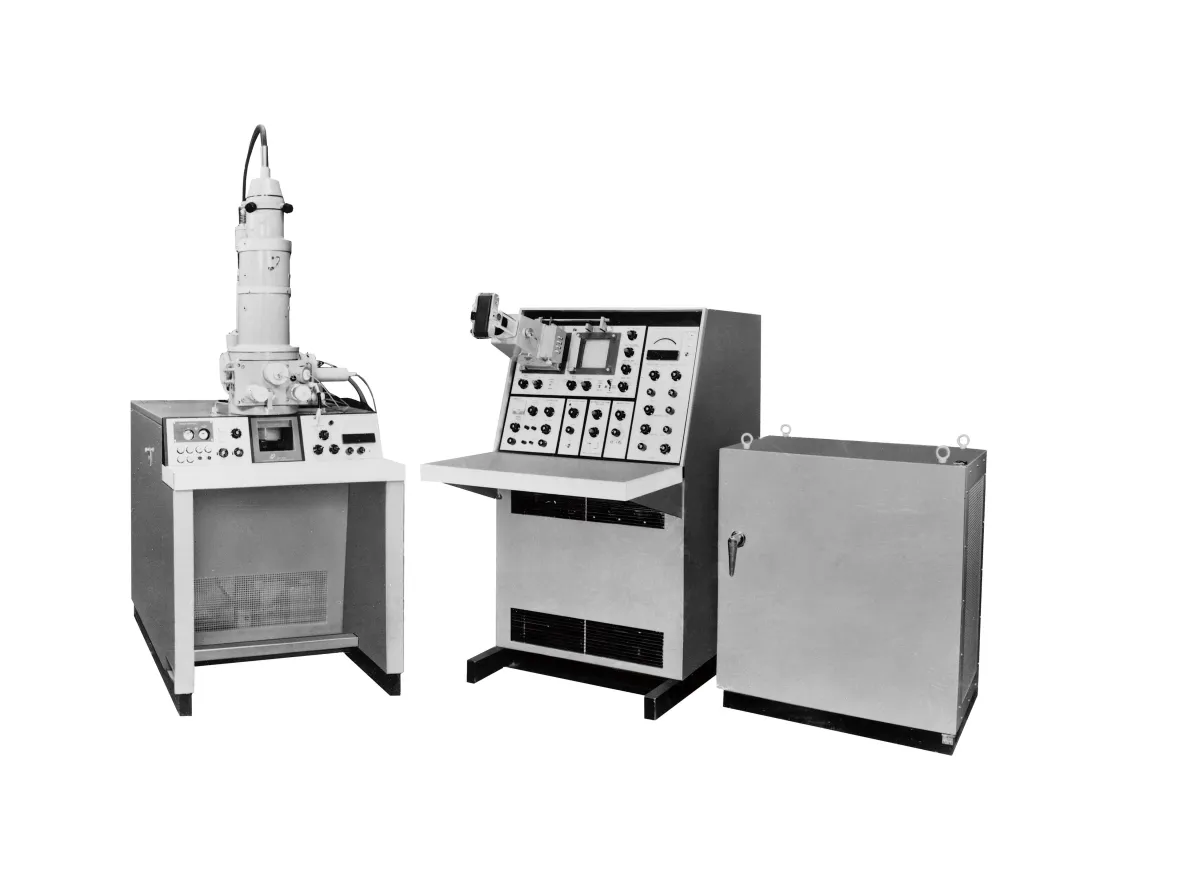
JEOL's Electron Microscopes Recognized as Cultural Heritage in Japan's Microscopy Community
JEOL's Electron Microscopes Elevated to National Heritage
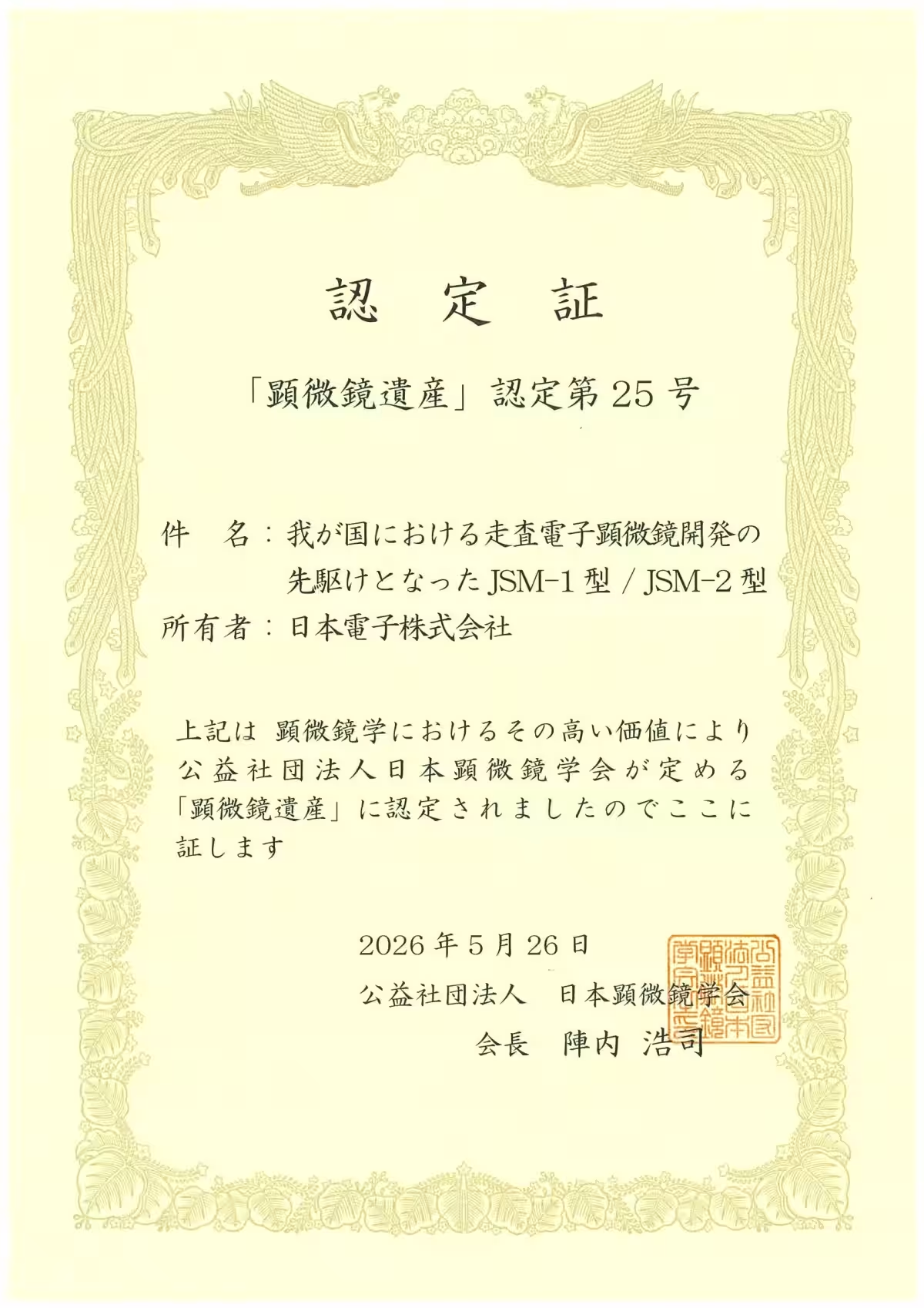
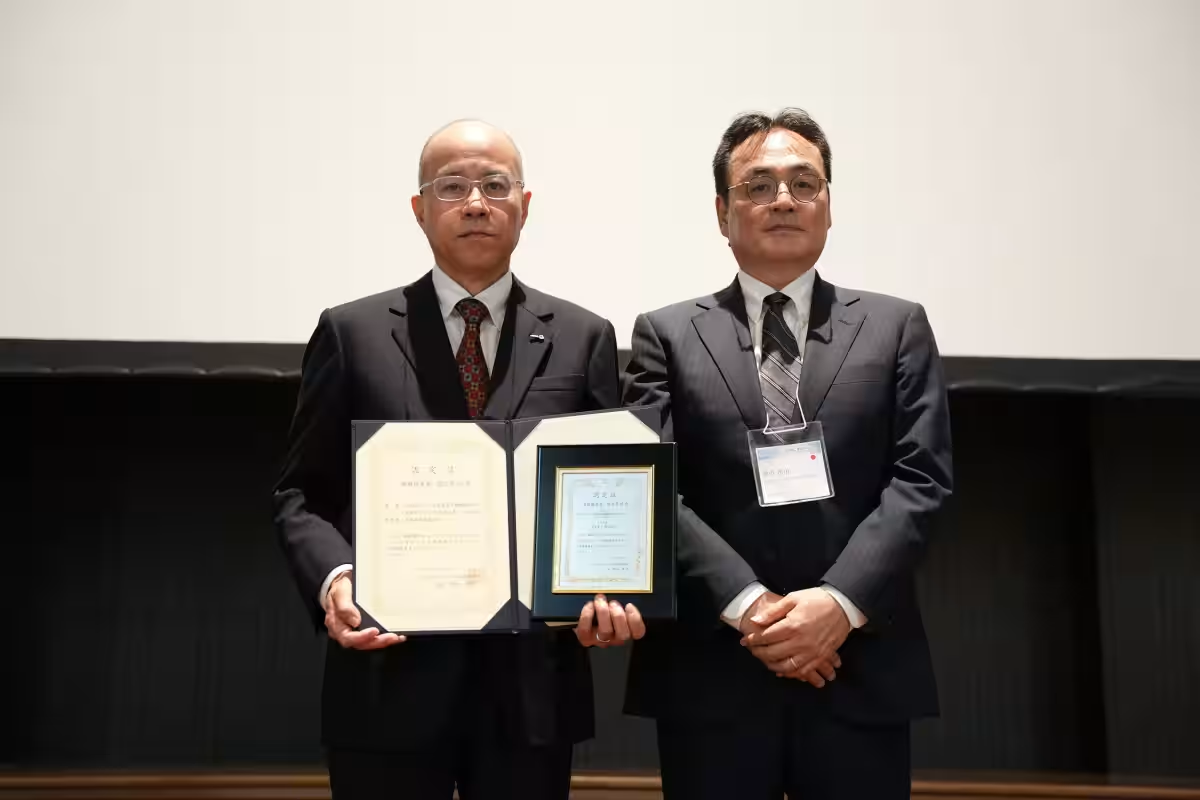
In a significant achievement for Japanese technology, JEOL Ltd., headquartered in Akishima, Tokyo, has recently had its groundbreaking scanning electron microscopes, the JSM-1 and JSM-2 models, recognized as part of the 'Microscopy Heritage' list by the Japan Society of Microscopy (JSM). This acknowledgment is part of JSM's initiative to commemorate its 75th anniversary in 2024, aiming to preserve and celebrate extraordinary technologies that contributed profoundly to the field of microscopy.
Significance of the Recognition
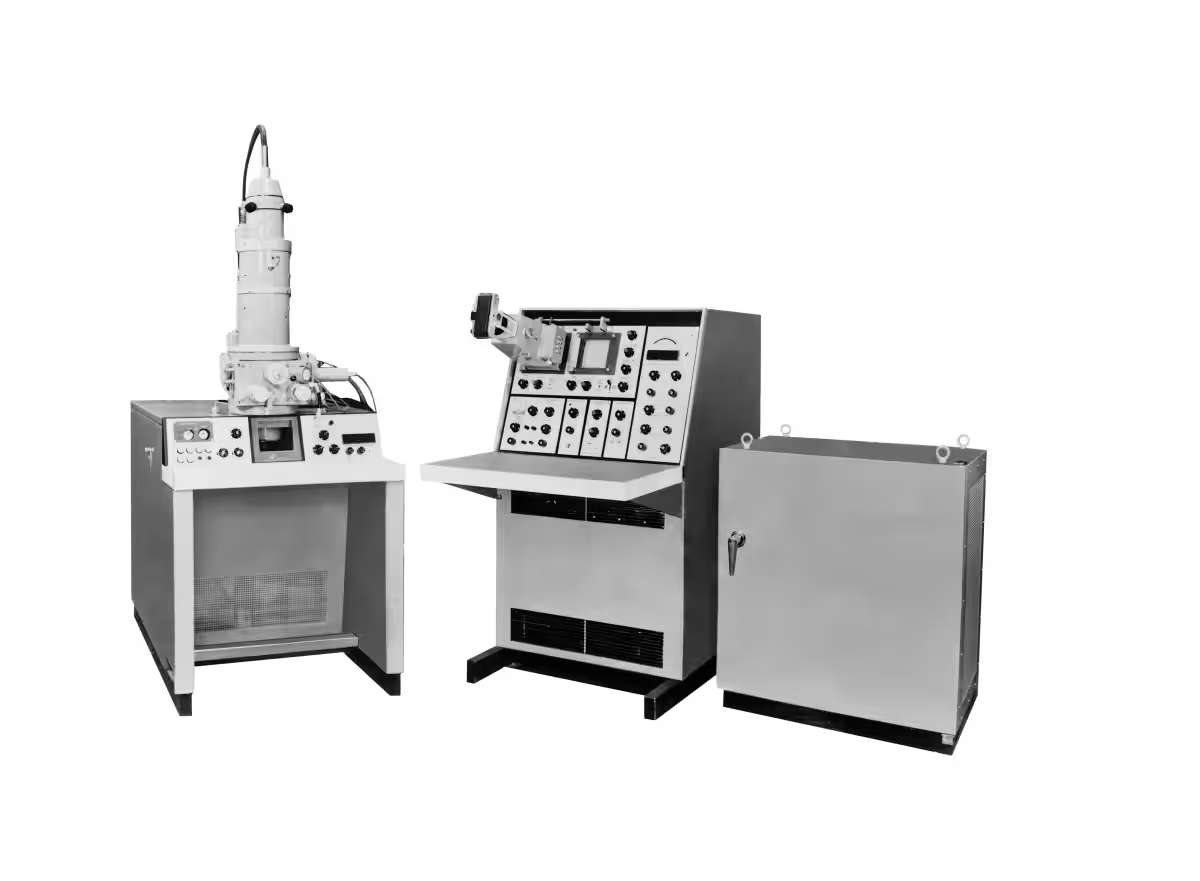
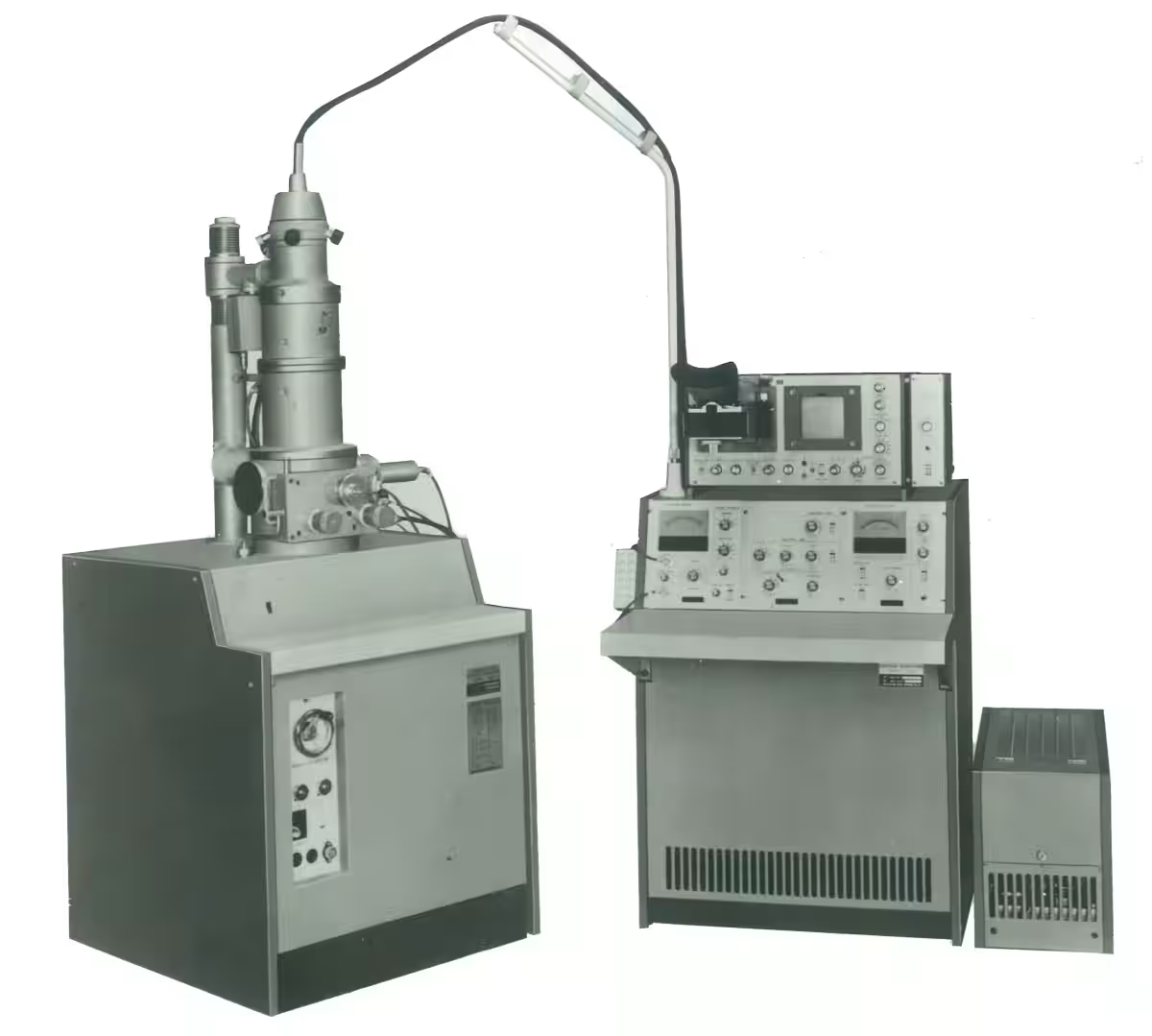
The 'Microscopy Heritage' designation highlights technologies and products that have played pivotal roles in the advancement of microscopy. The JSM-1, completed in 1966, and the JSM-2, finished in 1967, are symbols of innovation in the development of scanning electron microscopes (SEM) in Japan. These models set the stage for the future of microscopic technology, revealing intricate details at unprecedented magnifications.
A Glance at JSM-1 and JSM-2
The JSM-1 was the first domestically produced SEM in Japan and was unveiled just months after the world's first commercial SEM by Cambridge Scientific Instruments. It achieved remarkable resolution of 50 nm and featured advanced detection systems such as the Everhart-Thornley (ET) detector and a semiconductor detector for backscattered electrons. Furthermore, it could observe Electron Beam Induced Current (EBIC) images, positioning it as a foundational model in the world of SEMs.
In 1967, JEOL continued its innovation journey by introducing the JSM-2. This model boasted enhanced resolution capabilities, improving from the JSM-1's 50 nm down to an impressive 25 nm. It allowed for various imaging techniques, including transmission electron images, cathodoluminescence images, and X-ray images. The improvements made in the JSM-2 broadened its applications in high-level research sectors spanning materials, semiconductors, and biotechnology.
Contributions to Industry and Global Standing
The launch of the JSM series solidified Japan's standing in the global microscopy landscape. During a period when Japanese products were often perceived as low-cost and low-quality, the JSM-1 and JSM-2 demonstrated unparalleled quality and innovation, contributing significantly to enhancing Japan's industrial competitiveness on the world stage. The global accolades these microscopes received helped pave the way for a positive shift in the perception of Japanese manufacturing and technology.
Honoring Pioneering Minds
The successes achieved with JSM-1 and JSM-2 reflect the efforts and dedication of the engineering minds behind them. Four key developers—Shizuo Kimoto, Hiroshi Hashimoto, Masayuki Sato, and Hideo Eguchi—were later honored with the 16th Seto Award from the Japan Society of Microscopy in 1971, recognizing their contributions to the field.
Future Aspirations
Moving forward, JEOL continues to innovate and honor its legacy. In 2024, the company is set to receive further recognition for its historical models such as the DA-1, the world's first magnetic field electron microscope completed in 1947, and the JEM-50B, which debuted in 1969. These acknowledgments not only validate the importance of these instruments in understanding the micro-world but also highlight JEOL's ongoing commitment to advancing microscopy technology.
The recognition of the JSM-1 and JSM-2 models as part of Japan's microscopy heritage is a testament to the lasting impact of these instruments and the visionaries behind their creation. As JEOL continues to push the boundaries of microscopy, its legacy is sure to inspire future generations of scientists and engineers worldwide.
Topics Consumer Technology)
【About Using Articles】
You can freely use the title and article content by linking to the page where the article is posted.
※ Images cannot be used.
【About Links】
Links are free to use.