




Final Phase of Shibuya Station Redevelopment: A Vision for 2034
Shibuya Station Redevelopment: A Landmark Project
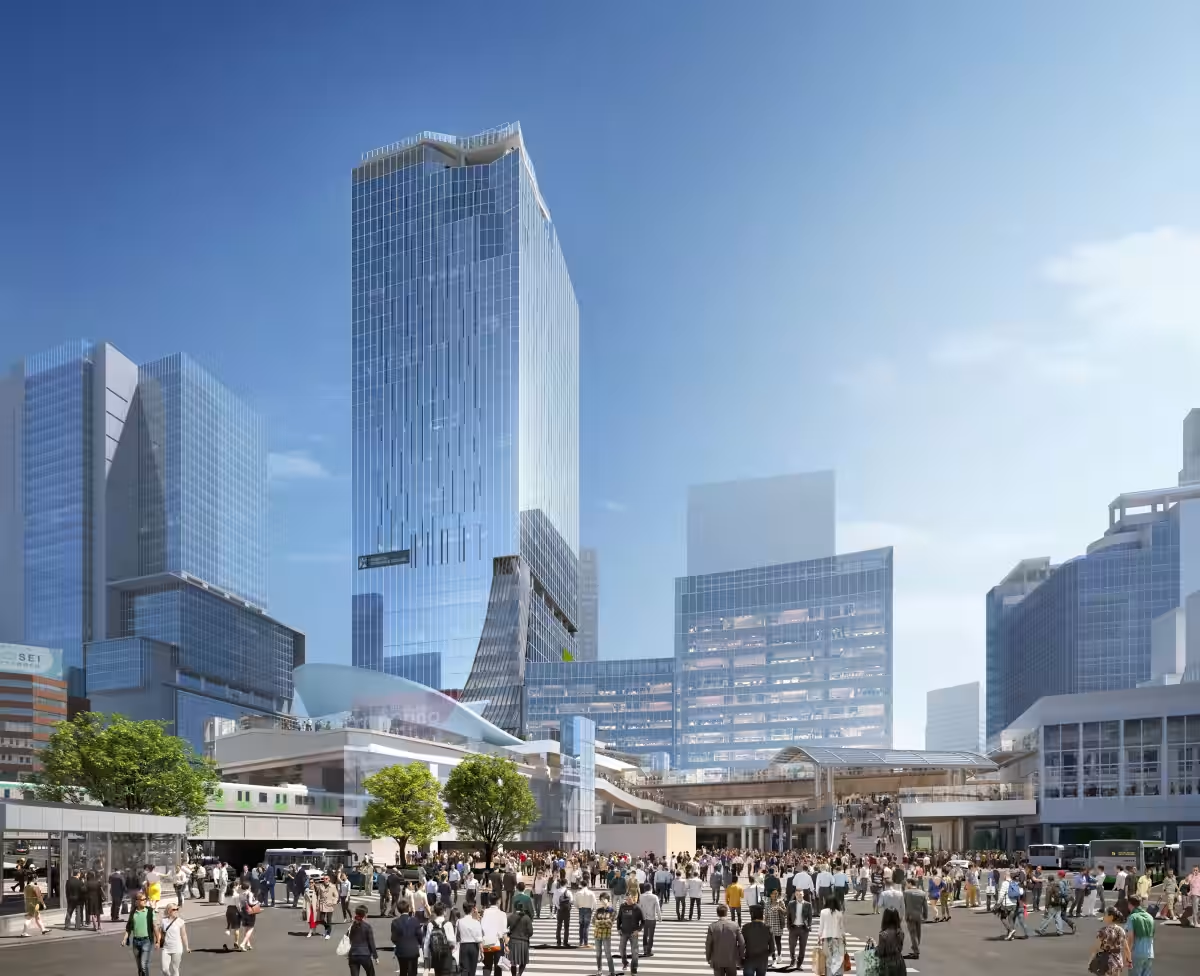
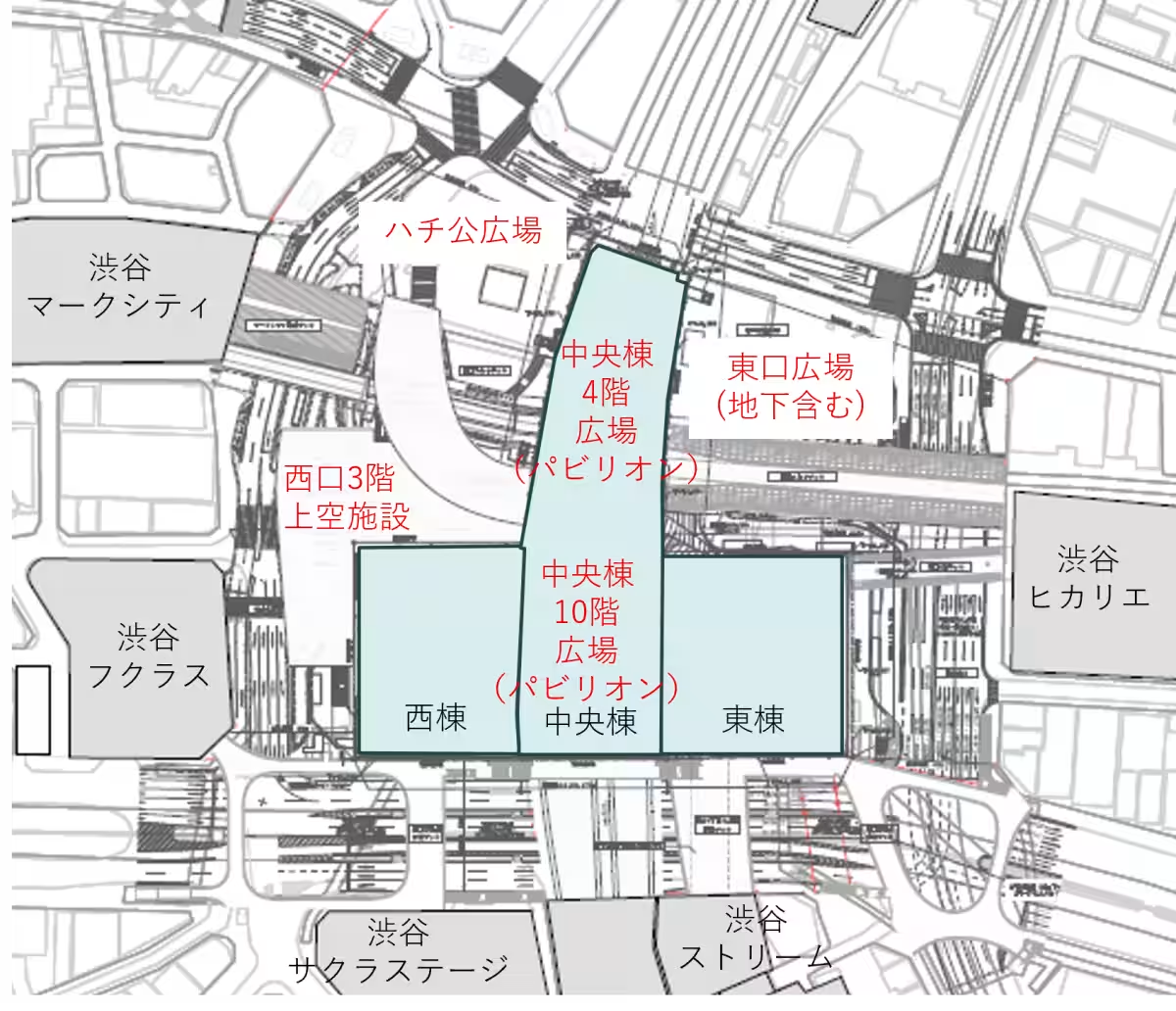
In one of the most ambitious urban renewal projects in recent history, the redevelopment of Shibuya Station is entering its final phase. As part of this extensive plan, the construction of the Shibuya Scramble Square Period II (Central and West buildings) is set to commence in May 2025, culminating in a complete transformation anticipated by 2034. This mammoth redevelopment, driven by Tokyu Corporation, East Japan Railway Company, and Tokyo Metro, focuses not merely on improving transportation infrastructure but on crafting a cohesive urban experience around the iconic station.
Key Features of the Redevelopment
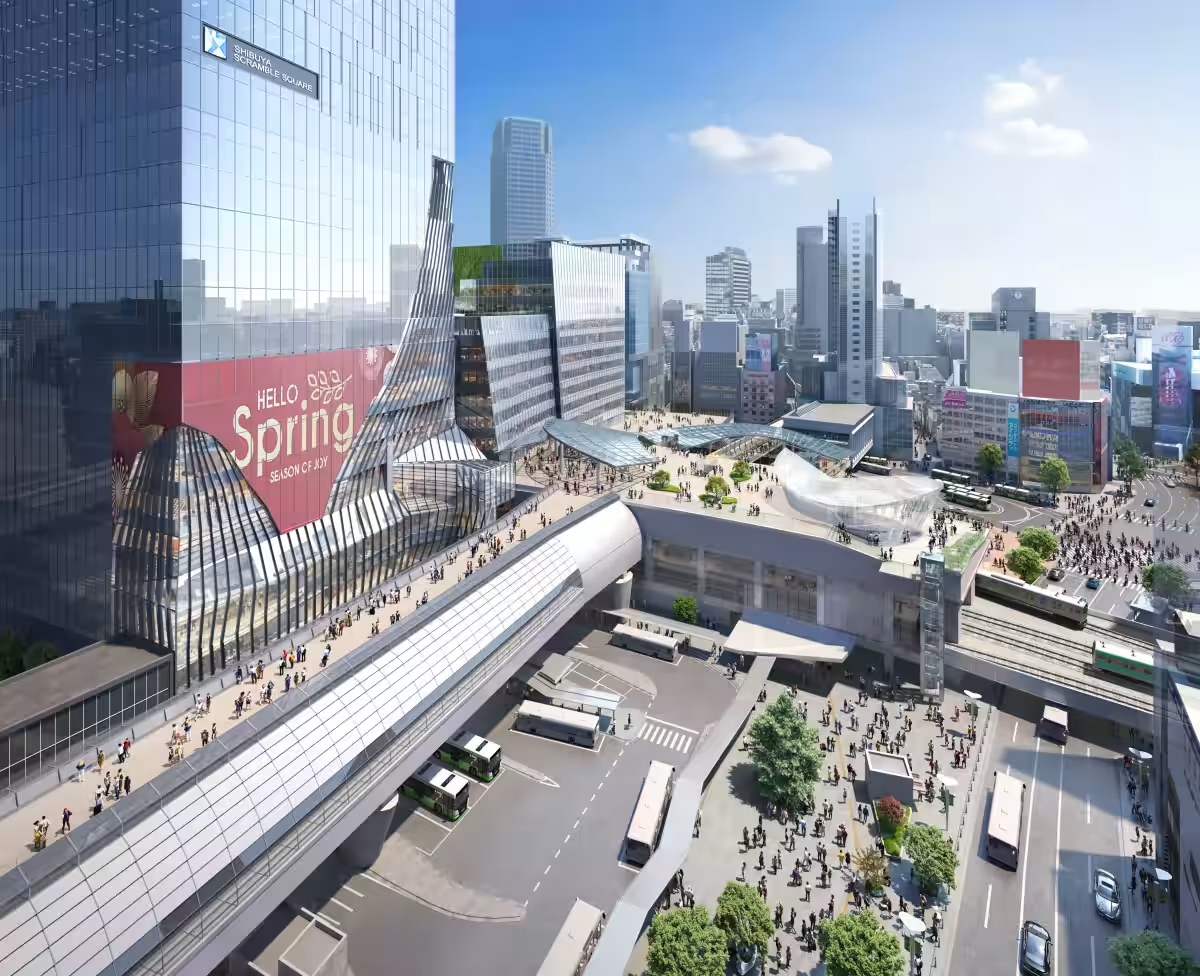
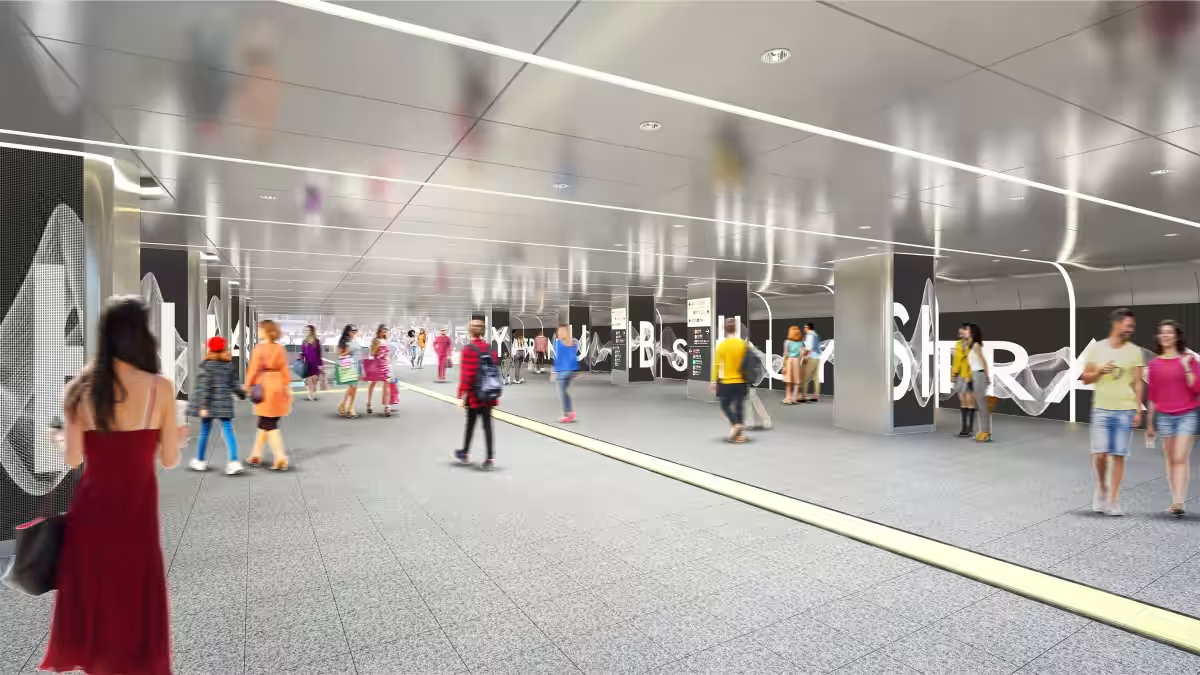
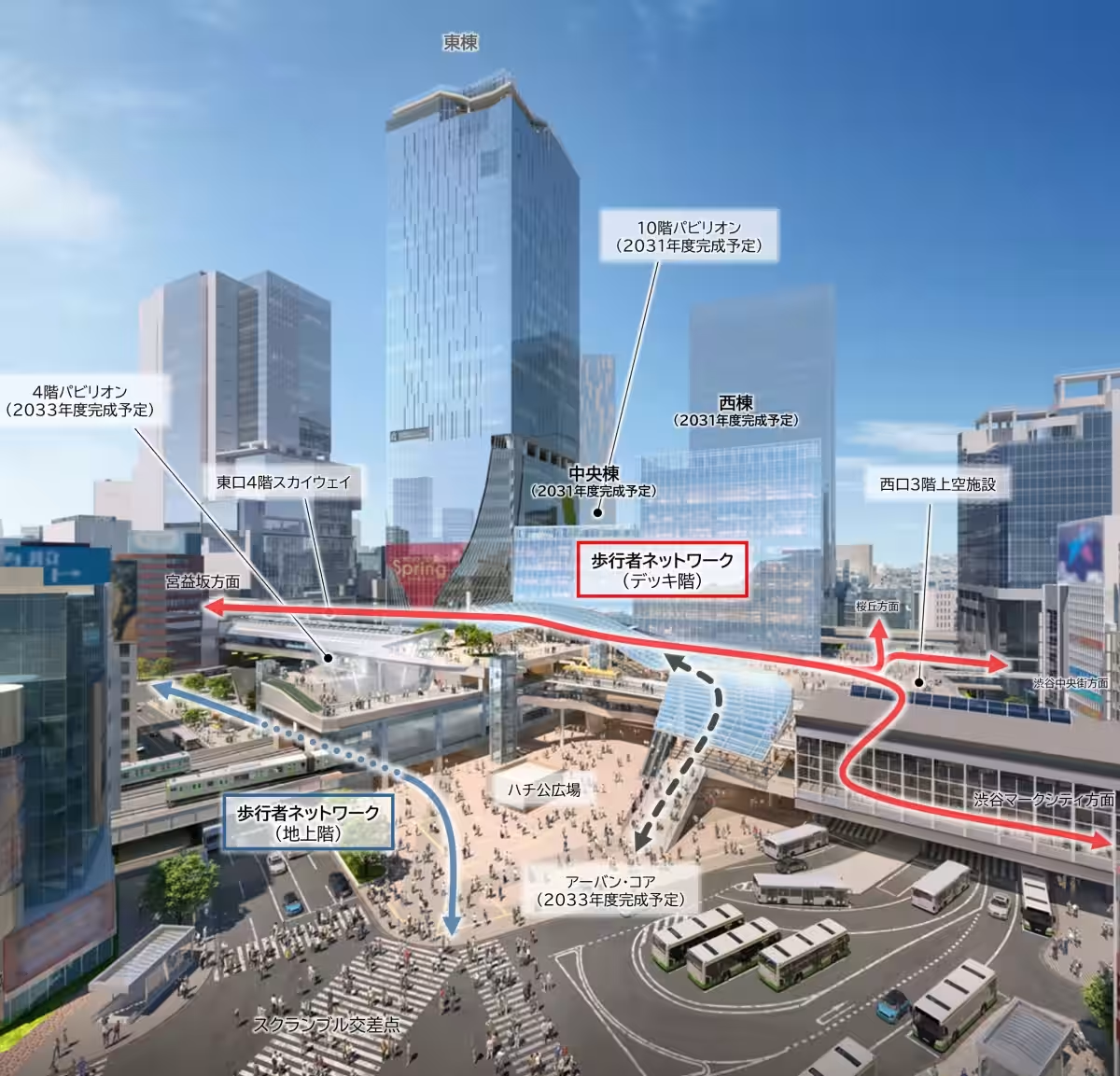
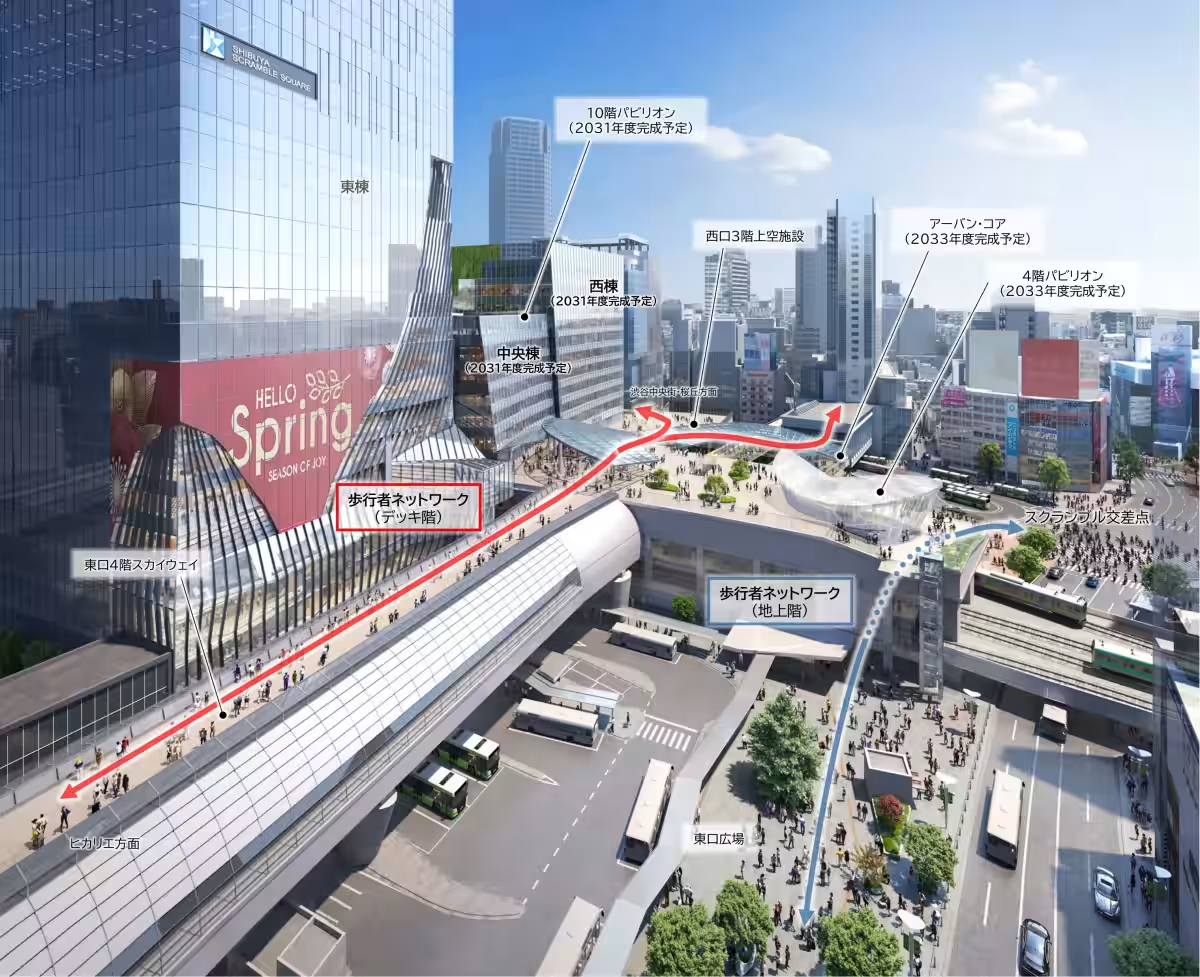
- - Enhanced Pedestrian Network: By fiscal 2030, a multi-layered pedestrian network will connect the various directions from Shibuya Station, significantly improving accessibility. This initiative aims to create an engaging environment, encouraging foot traffic and interaction in the surrounding areas.
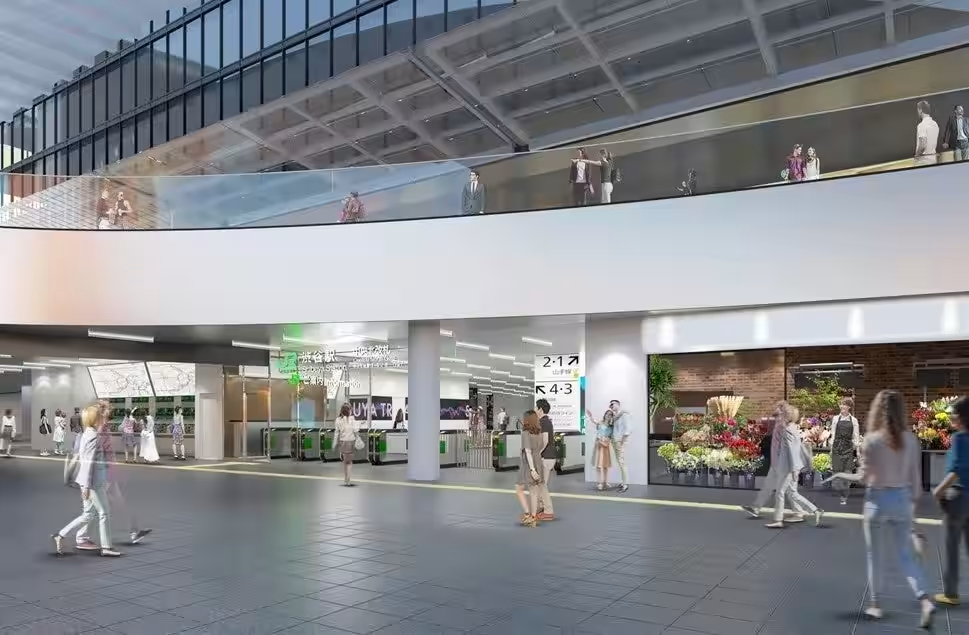
- - Modernized Station Facilities: The upgrade of JR Shibuya Station will include the completion of major facilities, improving the comfort of travelers with wide passageways and enhanced waiting areas. The transformation of the station aims to resonate with the vibrant culture and atmosphere of Shibuya.
- - Commercial Expansion: The completed Central and West buildings in 2031 will house one of the largest retail spaces in the metropolitan area, boasting a commercial floor space of approximately 6,000 square meters per level. This design not only focuses on enhancing the shopping experience but also on providing diverse recreational options to visitors.
- - Significant Completion Milestone: The total completion of the redevelopment effort, including major public spaces like Hachiko Square and East exit plaza, is scheduled for fiscal 2034. As the developments unfold, there may be some disturbances, but safety and communication around construction updates will remain paramount.
A Model for Urban Resilience
Designated as the "final chapter of urban opening," the period from 2030 to 2034 will witness a substantial improvement in connections among various transport links in Shibuya. This redevelopment represents a model for integrated urban revival, promoting interactions among diverse communities while respecting the city’s historical significance. The entire initiative aims to celebrate Shibuya as a hub of global attraction, fostering engagement and excitement in its iconic public spaces.
Detailed Planning and Evolving Needs
Since the onset of planning around 2010, the project has continuously evolved to meet the shifting demands of visitors, particularly in response to increased footfall from both local and international tourists. The redevelopment takes into account the necessary adaptations for the pedestrian and public space needs over time, ensuring that both safety and convenience are enhanced.
The Shibuya Station area, with its intricate network of rail lines intersecting and the architectural complexity it involves, is not just another station but a critical urban landmark that caters to the vibrant needs of modern-day commuters and shoppers alike. The design includes intricate safety measures to ensure that everyone can navigate safely through the area.
Innovative Attractions Ahead
By 2031, the second phase of the Shibuya Scramble Square will be complete, offering unparalleled experiences such as a Pavilion on the tenth floor aimed at fostering global cultural exchanges. This space would secure a unique view of Shibuya's characteristic scenery, integrating an expansive view of the famous scramble crossing and high-rise developments in Shinjuku, marking Shibuya as a must-visit destination.
Completion Timeline and Future Engagement
The completion phases are staggered, with a target for the Central and West buildings to welcome visitors in 2031, followed by extensive public areas such as pedestrian decks and open plazas by 2034. During this construction phase, the local authorities and project stakeholders will conduct several outreach initiatives including on-site visits to educate the public on the ongoing transformations.
Although the construction may disrupt various aspects of daily life temporarily, project leaders are committed to maintaining the station's vital functions while prioritizing safety. With ongoing communication about the construction processes, visitors will be kept informed about the timeline and developments.
Overall, the Shibuya Station redevelopment is not just about upgrading infrastructure—it's a comprehensive approach to revitalizing an iconic urban space, encouraging community engagement, and enhancing the visitor experience for years to come.

Topics Other)
【About Using Articles】
You can freely use the title and article content by linking to the page where the article is posted.
※ Images cannot be used.
【About Links】
Links are free to use.