



The Sleep Struggles of Working Women in Spring: Insights from a New Wellness Study
The Sleep Struggles of Working Women in Spring: Insights from a New Wellness Study
In a new survey conducted by wellness brand mariness, over 1,000 working women in their 30s and 40s shared their experiences regarding sleep quality and the seasonal fatigue often felt during spring. This study explored the gap between the ideal and actual sleep hours, particularly focusing on the environmental changes that accompany the onset of spring.
The springtime, celebrated for its blooming flowers and longer days, paradoxically ushers in feelings of fatigue and sleep disturbances for many women. The transition of seasons often brings about psychological stressors, disrupting the autonomic nervous system and leading to a decrease in sleep quality. Daytime fatigue and irritability may, in fact, stem from accumulated fatigue during the night and issues with sleep environment.
The Spring Fatigue Phenomenon
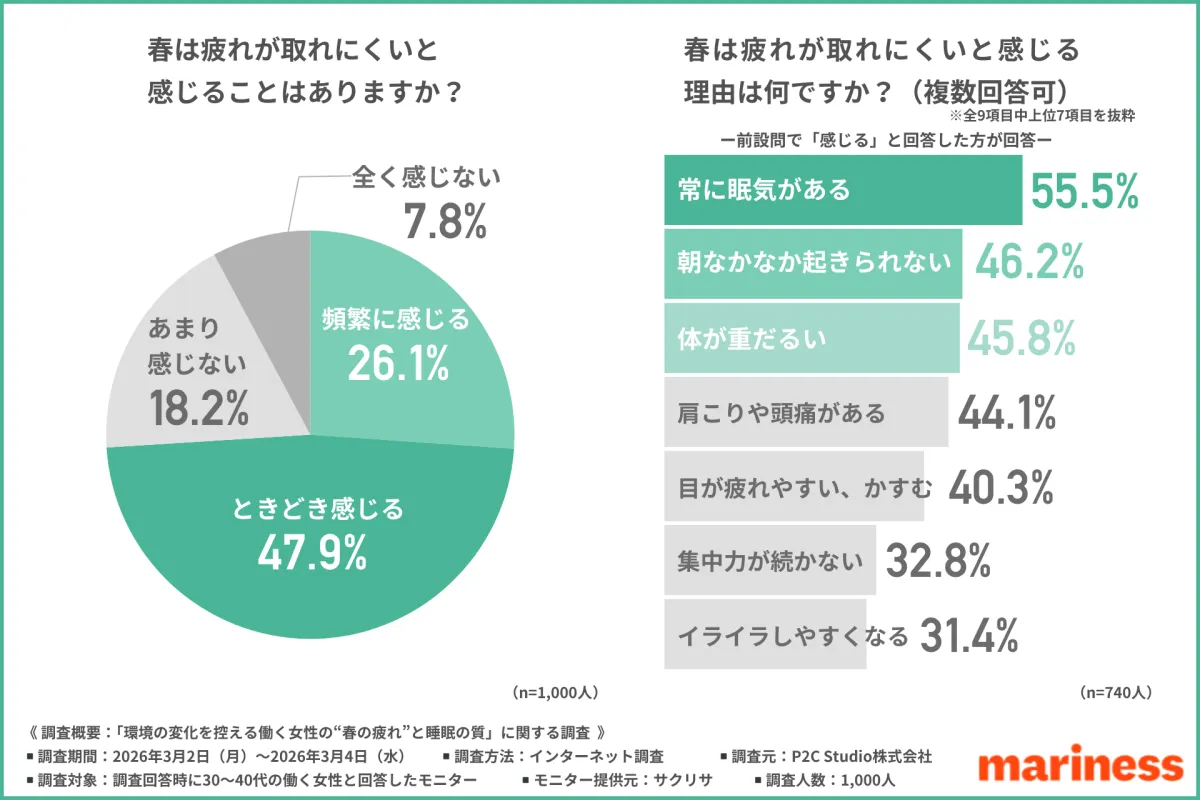
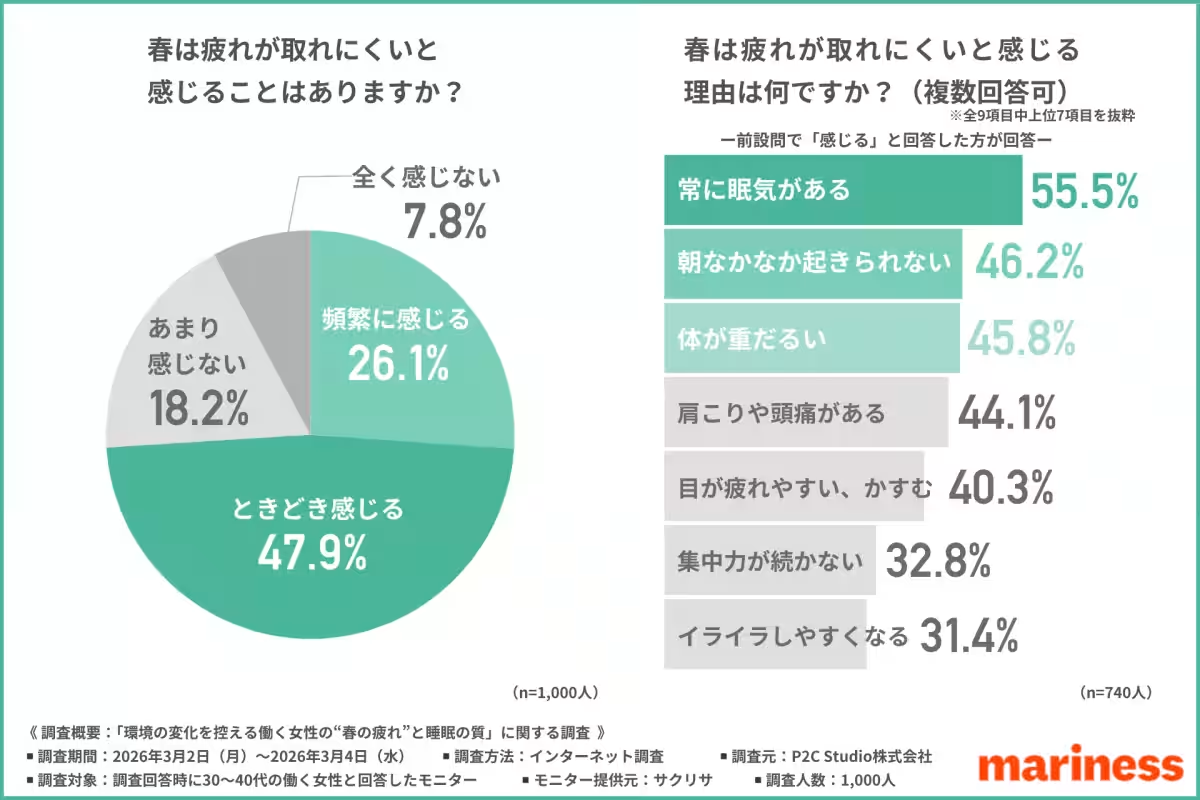
When asked whether they feel fatigued during spring, an overwhelming majority—about 74%—responded that they frequently or occasionally experience difficulties, with 26.1% stating they feel fatigued frequently and 47.9% occasionally. This indicates that environmental shifts linked to the new fiscal year and fluctuating temperatures significantly impact working women's physical and mental well-being.
Fatigue symptoms prominently reported include persistent sleepiness (55.5%), difficulty waking up in the morning (46.2%), and feelings of heaviness (45.8%). These responses suggest that sleep-related factors heavily influence how working women perceive their energy levels during this season. Despite attempts to secure sufficient sleep, many are suffering from poor sleep quality, indicating that the restorative potential of their sleep remains unfulfilled.
Changes in Sleep Quality
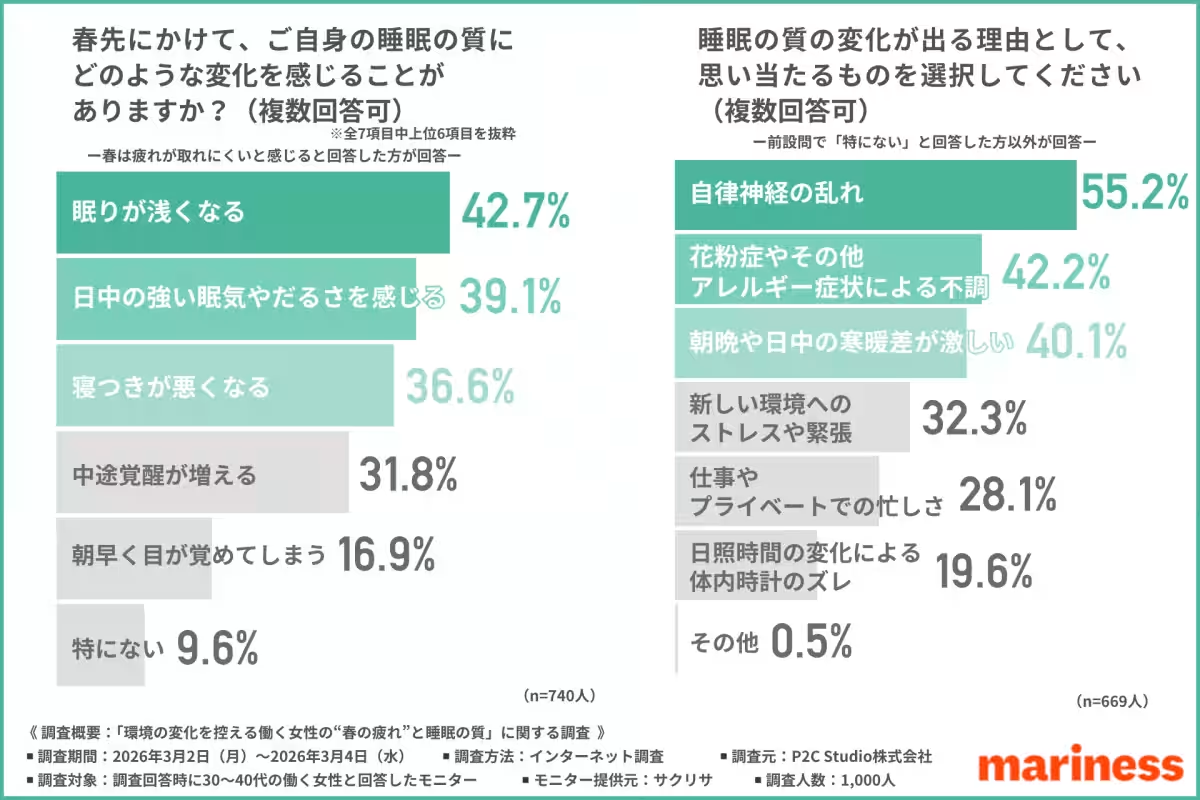
A follow-up question on perceived changes in sleep quality during spring revealed alarming trends: 42.7% reported shallower sleep (characterized by a lack of deep rest and frequent awakenings), while 39.1% acknowledged feeling excessively sleepy and lethargic during the day, and 36.6% experienced difficulties falling asleep.
A notable aspect is that while many respondents recognized their sleep duration as insufficient, the focus on sleep quality—reflected by the prevalence of shallow sleep reports—demonstrates a broader issue. The decrease in sleep quality itself seems to be impacting overall daytime performance, leading to a vicious cycle of fatigue.
Factors Contributing to Poor Sleep Quality
When asked about perceived causes of their declining sleep quality, the predominant factor identified was disturbance in the autonomic nervous system (55.2%), followed by allergy symptoms such as hay fever (42.2%) and drastic temperature changes (40.1%). The collection of these stressors points to the unique challenges presented by spring's fluctuating weather, compounded by external allergens contributing to overall discomfort and sleep disturbances.
A Gap Between Ideal and Actual Sleep
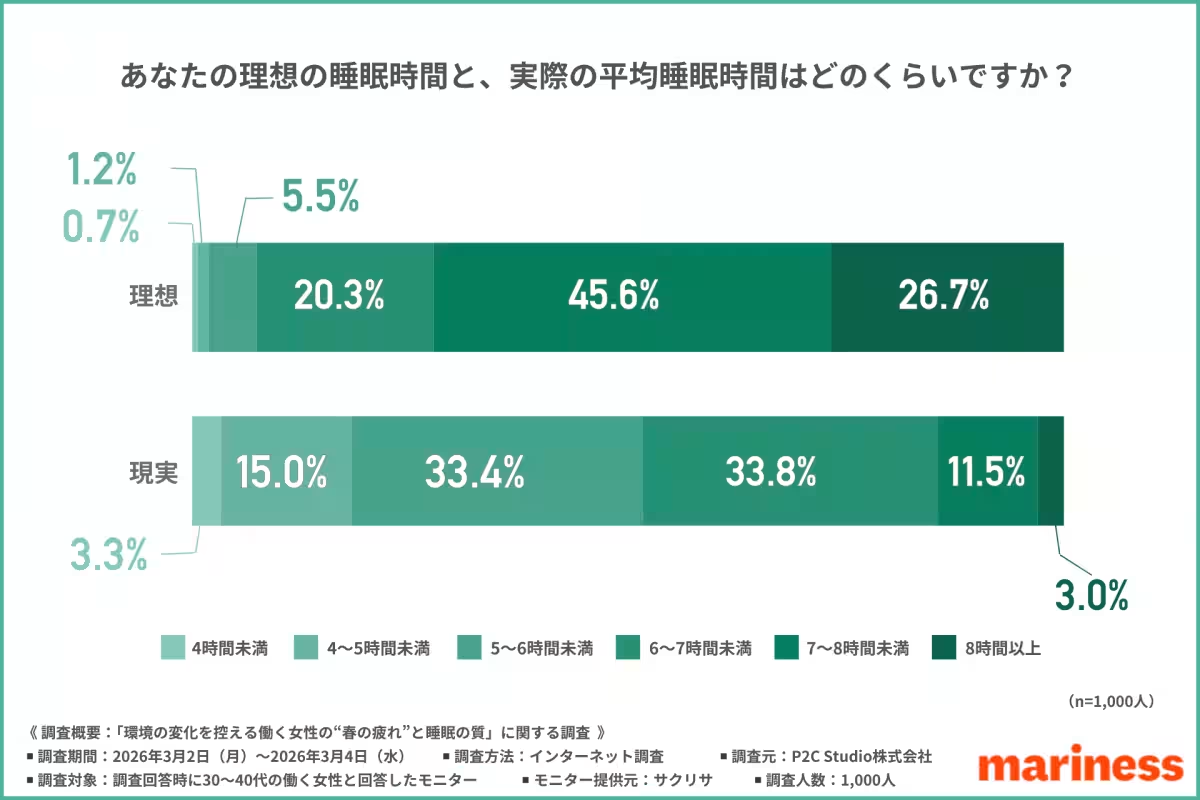
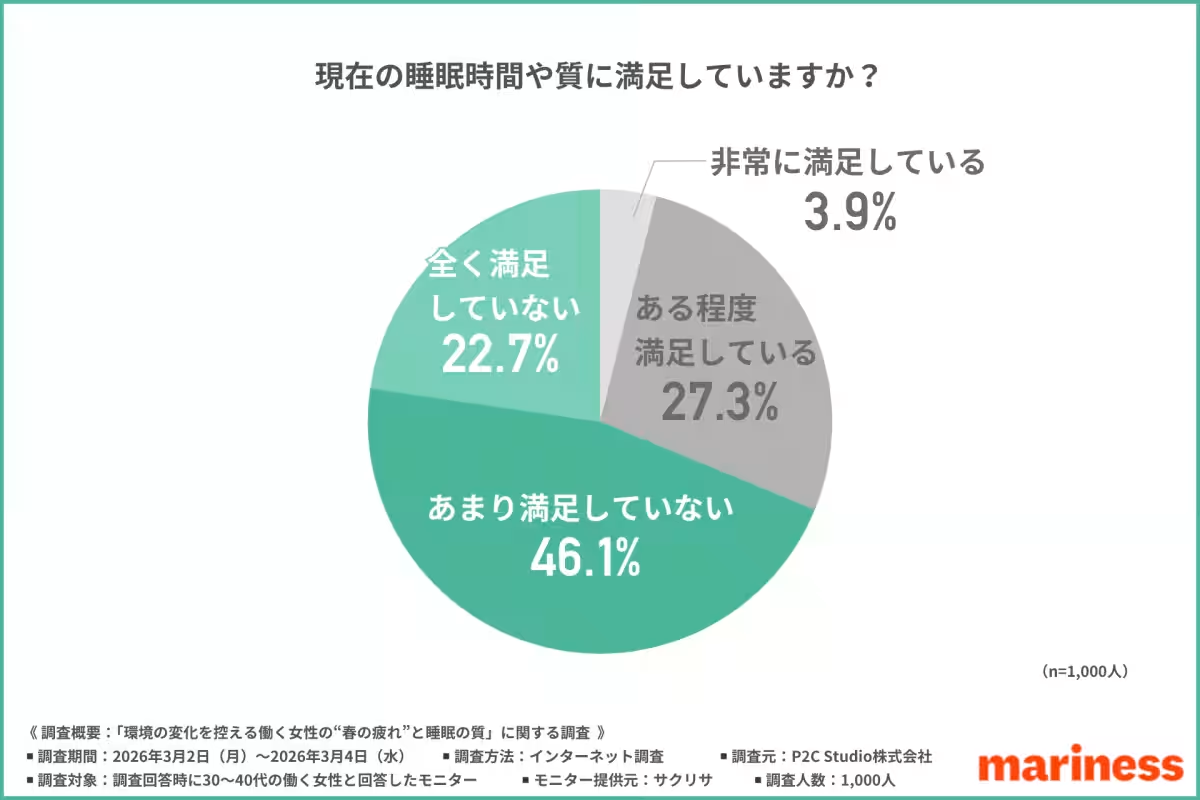
Despite many women desiring a minimum of seven hours of sleep, over half of the respondents reported averaging less than six hours. This significant discrepancy underscores societal pressures and lifestyle demands that prevent adequate sleep. Not surprisingly, about 70% of women expressed dissatisfaction with their sleep quality, indicating a pressing need for strategies to improve both sleep conditions and overall health.
Low Implementation of Sleep Solutions
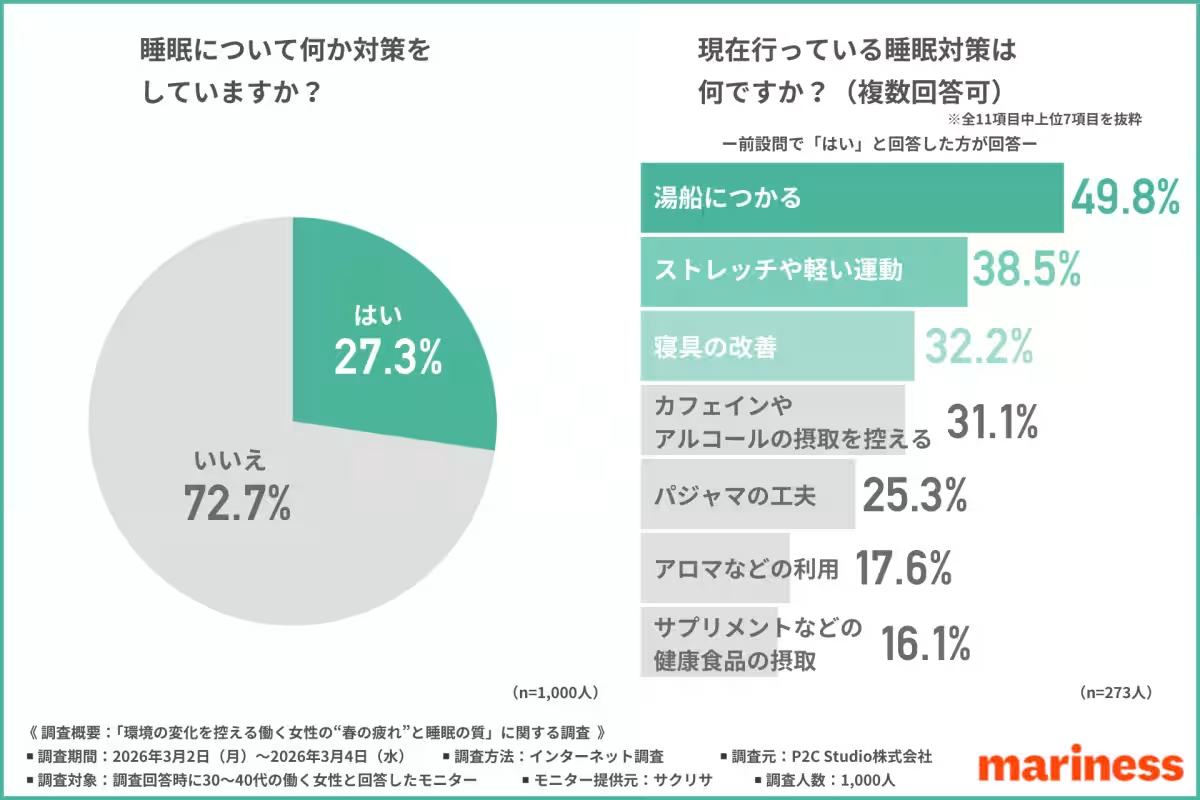
Interestingly, when asked if they actively engage in sleep-improvement strategies, about 27.3% responded positively, a number reflective of the challenges posed by a busy lifestyle. Despite facing ongoing sleep-related challenges, the majority find difficulty in prioritizing sleep improvement amidst their hectic schedules.
For those implementing changes, popular strategies include taking relaxing baths (49.8%), engaging in light exercise or stretching (38.5%), and upgrading sleep gear, such as pillows and mattresses (32.2%). This indicates a preference for manageable, easily integrated methods that don't require extensive time commitments.
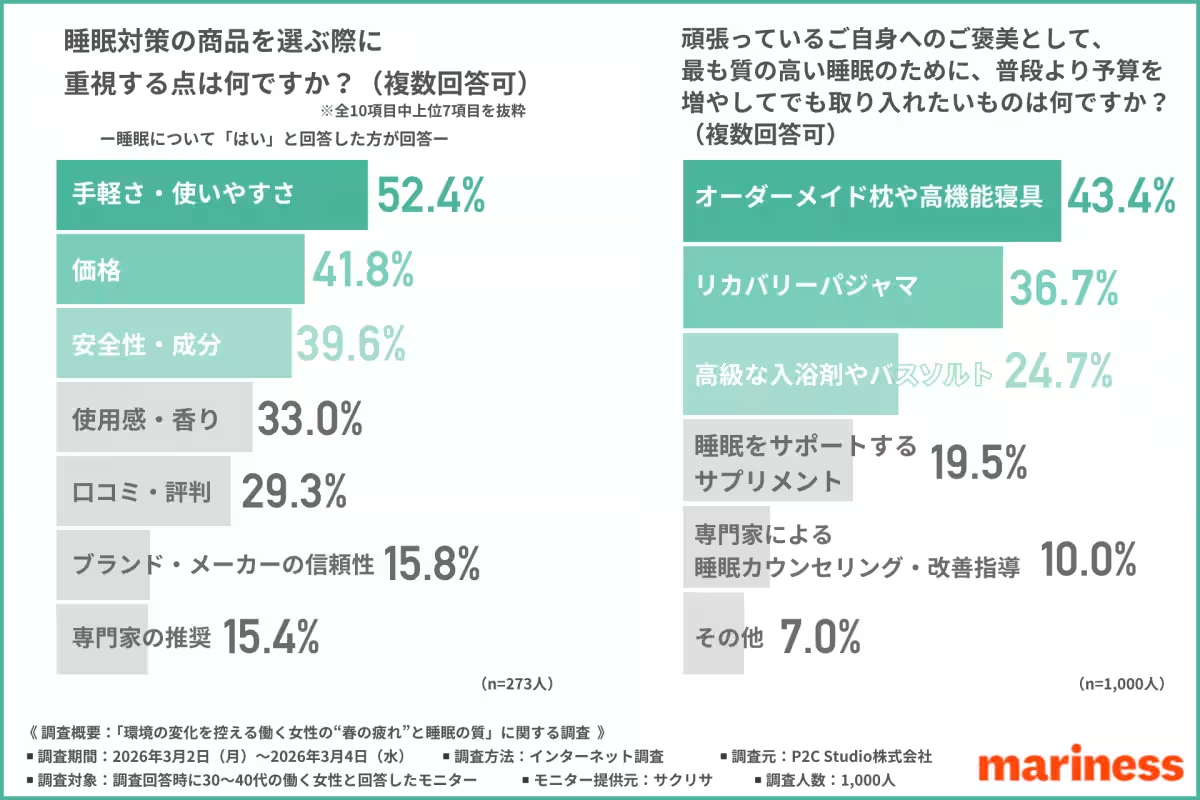
Prioritizing Ease in Sleep Solutions
Respondents emphasized

Topics Health)
【About Using Articles】
You can freely use the title and article content by linking to the page where the article is posted.
※ Images cannot be used.
【About Links】
Links are free to use.