



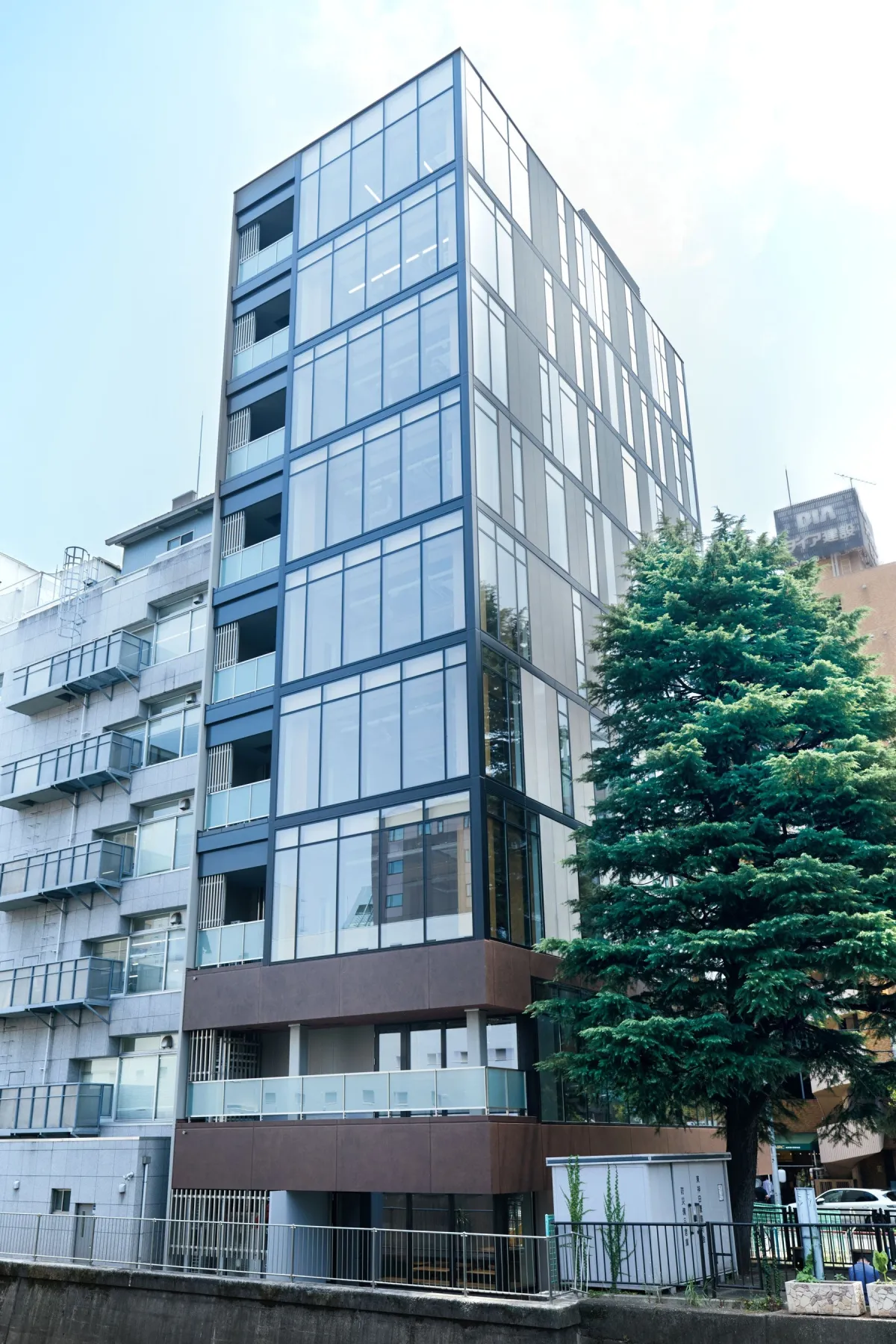
Innovative Hybrid Office Building KiGi AKIHABARA Opens in Central Tokyo
KiGi AKIHABARA: A New Era in Office Construction
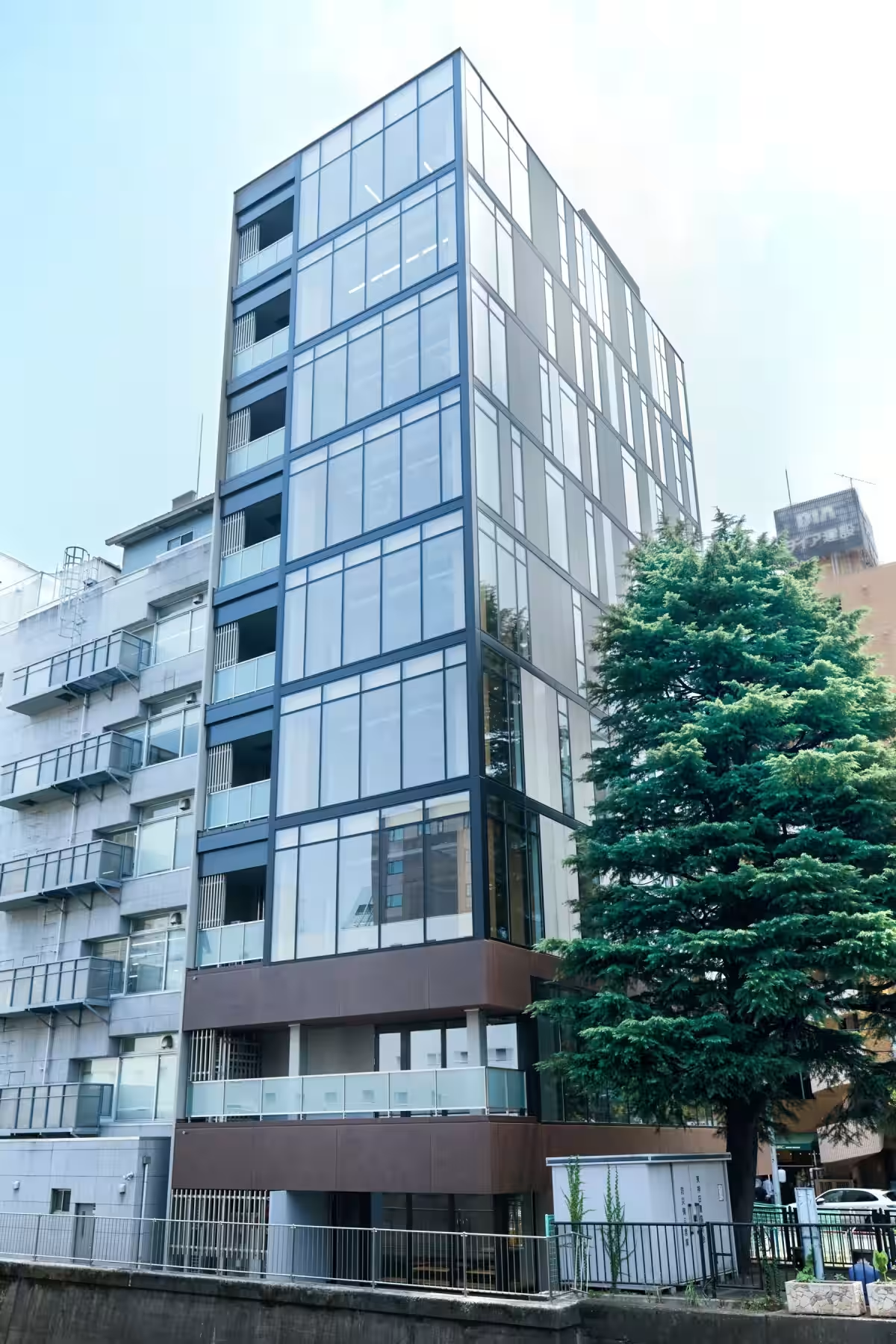
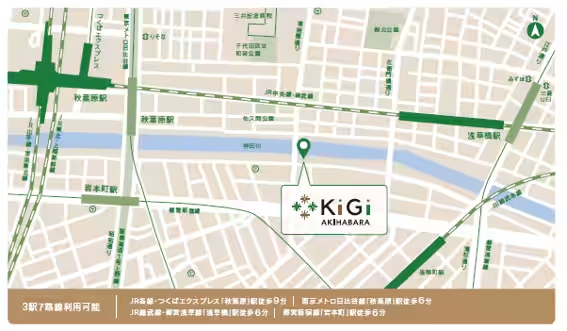
In a remarkable initiative, Sankei Building Co., Ltd. has launched its first mid-rise hybrid office building, named "KiGi AKIHABARA," located in the heart of Tokyo's Chiyoda Ward. This office building symbolizes a new approach to urban architecture that intertwines nature with cutting-edge technology. Its slogan, "Connecting with Wood, Shining People," encapsulates the vision of a workspace that promotes well-being, creativity, and environmental sustainability.
Hybrid Wood and Steel Structure
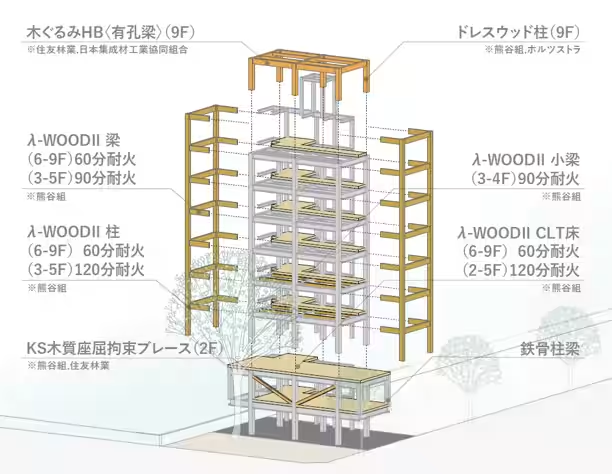
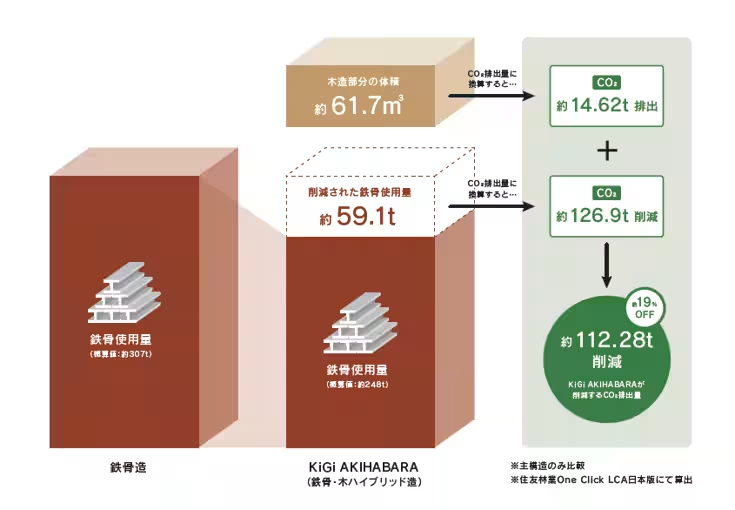
The building stands at nine stories tall and features a unique hybrid structure that combines a sturdy steel core with wooden frames surrounding it. This innovative design not only meets the performance demands of urban mid-rise buildings but also integrates wood usage in a practical and responsible manner. By replacing approximately 59.1 tons (about 19%) of steel with wood, Sankei Building aims to reduce CO₂ emissions during construction by about 112.3 tons, making a substantial positive impact on the environment.
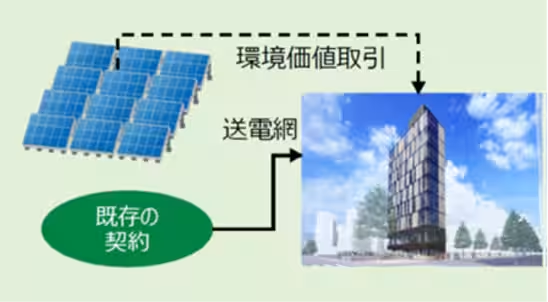
Furthermore, the incorporation of electric furnace materials for some steel components and the use of renewable energy values exemplify a commitment to sustainability that extends from construction to operational phases.
Raising Awareness About Wood Utilization
In recent years, the construction industry has been under pressure to adapt to carbon reduction measures and resource recycling practices. However, urban mid-rise office buildings have traditionally found it challenging to integrate wood into their construction due to various structural and economic constraints. With KiGi AKIHABARA, Sankei Building hopes to pave the way for broader acceptance of wood in urban architecture by showcasing a model that combines wood and steel effectively.
Key Features of KiGi AKIHABARA
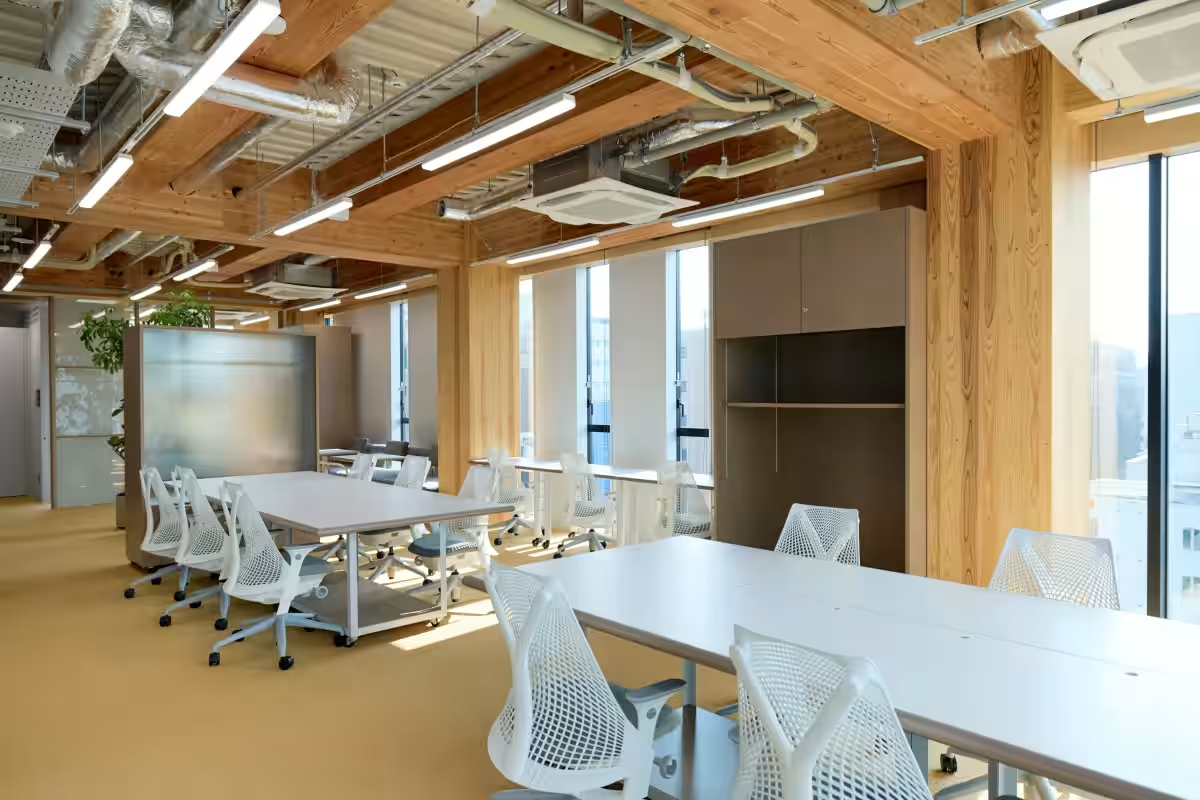
1. Hybrid Structure: The innovative design of KiGi AKIHABARA allows for the central core to be steel, while the exterior is supported by wooden frames, which ensures both stability and the environmental benefits of wood.
2. Advanced Technologies: The building employs three pioneering wood technologies aimed at enhancing fire resistance, seismic stability, and aesthetic appeal:
- λ-WOOD II: A fire-resistant wood material used for structural elements, promoting easier recycling upon deconstruction.
- Dresswood: This material acts as a fire protective covering for steel elements, combining the strength of steel with the warmth of wood for a distinctive aesthetic.
- KS Wood Buckling Restrained Brace: Utilizing domestic timber, this technology improves seismic performance and stimulates domestic forestry.
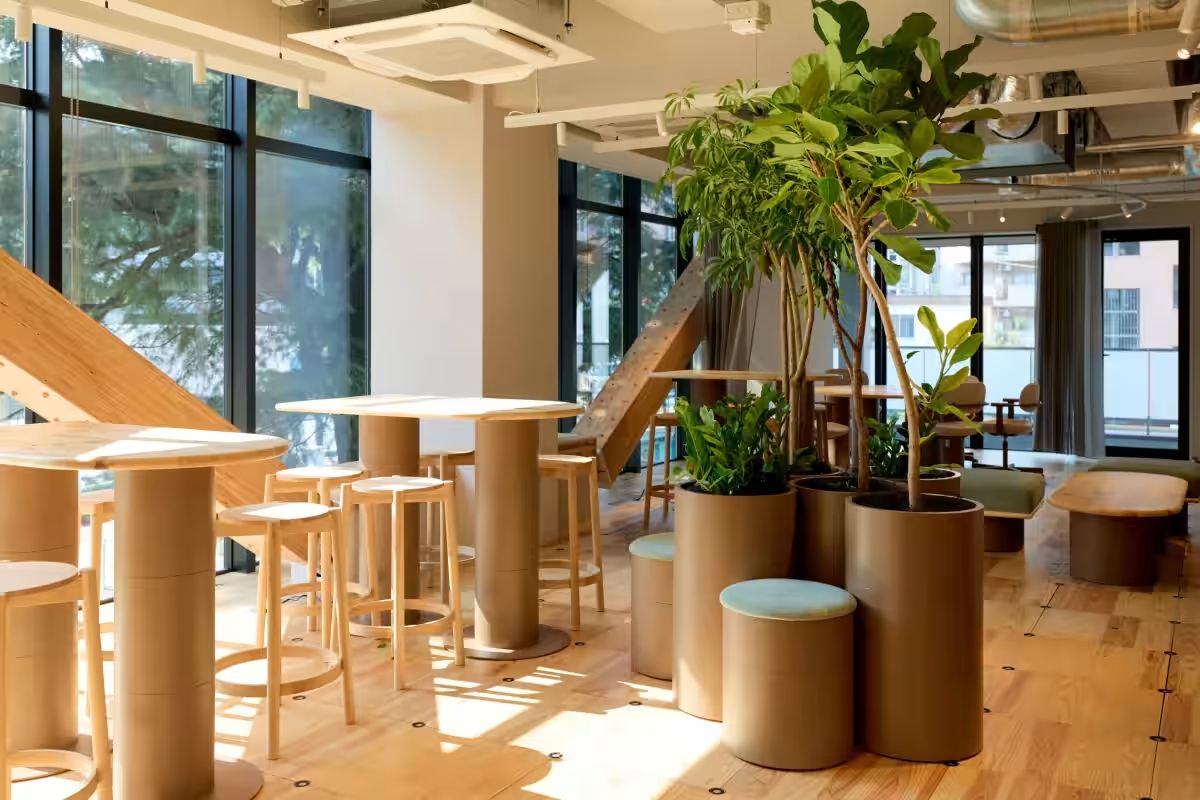
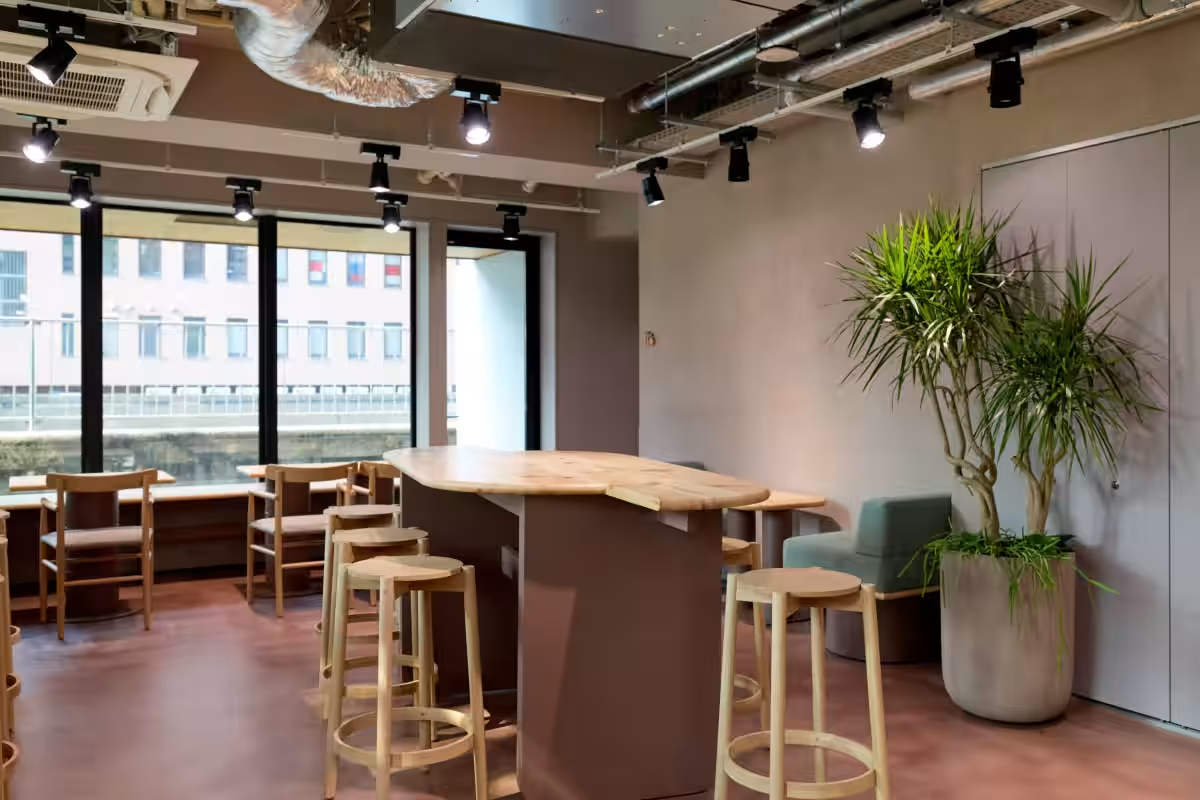
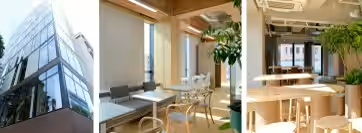
3. User Experience and Ambiance: The integration of wood extends beyond the structure itself. The interior design includes wooden finishes and furniture that create a warm, inviting work environment. Shared spaces like lounges are designed to encourage interaction and community building among tenants.
Environmental Considerations from Construction to Operation
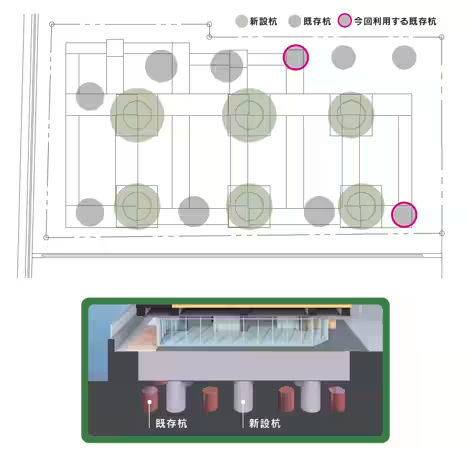
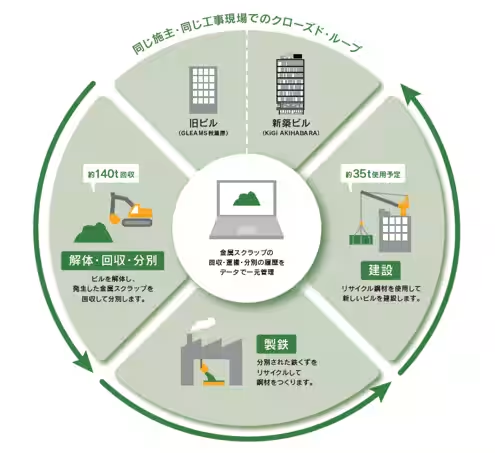
KiGi AKIHABARA aims for a truly sustainable approach, targeting reductions in carbon emissions right from the construction phase. Alternative measures, such as reusing existing foundation piles and metals from old buildings, contribute to a 'closed-loop' system. The rooftop solar energy system, developed by Sankei Building, can also ensure that the building's operations rely on 100% renewable energy. This dual approach not only helps in minimizing carbon footprints but also sets an exemplary standard for future developments.
A Vision Forward: Connecting People Through Wood
Sankei Building positions KiGi AKIHABARA as more than just an office space—it’s a place where city life meets nature, facilitating connections among people and fostering creativity. The ongoing activities associated with the building will aim to promote a culture that centers around sustainability and community engagement, adhering to the brand slogan, "Connecting with Wood, Shining People."
As a responsive developer, Sankei Building recognizes the importance of aligning construction practices with modern, sustainable living. The initiatives seen in KiGi AKIHABARA reflect their commitment to contributing to the SDGs (Sustainable Development Goals), indicating a proactive stance toward societal needs and environmental responsibilities.
Conclusion
The opening of KiGi AKIHABARA marks a pivotal moment for urban office design in Japan. By integrating sustainable practices into the fabric of its architecture and user experience, it exemplifies how modern office buildings can thrive while respecting both the environment and the needs of their occupants. With continuing projects aimed towards public engagement and long-term sustainability, Sankei Building is poised to lead Japan toward a brighter, greener future in urban development.




Topics Consumer Products & Retail)


【About Using Articles】
You can freely use the title and article content by linking to the page where the article is posted.
※ Images cannot be used.
【About Links】
Links are free to use.