



Important Safety Checkpoints for Cyclists: Beware of Teen Accidents as New Cycling Season Begins
Important Safety Checkpoints for Cyclists
As the new academic year begins, many individuals, particularly teenagers, will be starting or returning to cycling as a means of commuting. The transition to warmer weather not only increases the chances of cycling for school or work but also for leisure activities during the Golden Week holidays. Therefore, it is vital to recognize the importance of safety checks before hopping on a bike, particularly since accidents can have severe consequences.
The Rise of Cycling Accidents
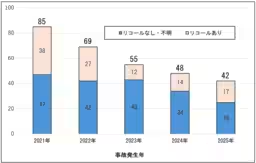
According to the National Institute of Technology and Evaluation (NITE), which oversees product safety, there were 299 reported cycling accidents between 2021 and 2025, with a staggering 80% categorized as severe injuries. Many of these incidents occurred among teenagers, highlighting the need for precautions.
Notable Findings:
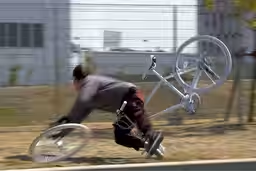
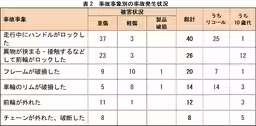
- - A significant portion of accidents involved issues such as debris getting caught in the wheels and accidents related to recalled products.
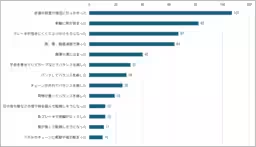
- - Survey data from NITE indicated that common scenarios included poor braking performance and collisions arising from wheel entanglement.
Key Points to Prevent Accidents
To ensure safety while cycling, individuals should carry out thorough checks on their bicycles before starting their journeys. Here are four essential safety checks:
1. Check for Debris in Wheels:
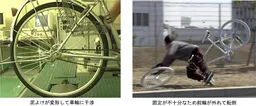
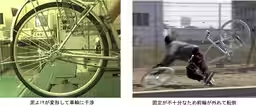
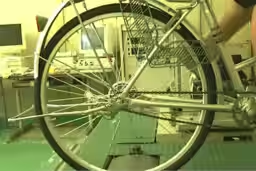
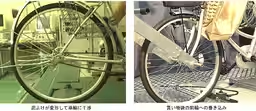
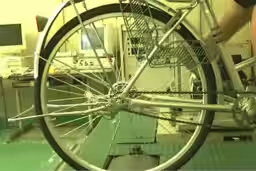
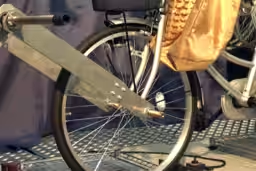
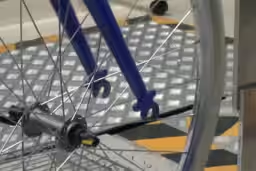
Inspect for any foreign objects that may have become lodged in the wheels. Ensure that mudguards are not bent or detached, as these can snag on the wheels and cause accidents. Furthermore, avoid hanging bags or items from handlebars that could interfere with wheel movement.
2. Brake Functionality:
Ensuring that your bicycle's brakes are functioning effectively is essential. Poor braking can lead to collisions and serious injuries. Before riding, squeeze the brake levers and gently rock the bike back and forth to check for responsiveness. If the brakes feel loose or overly stiff, adjustments are necessary.
3. Chain Condition:
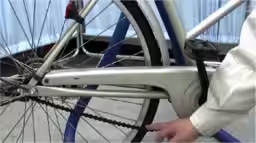
Over time, bicycle chains can stretch and become loose. Pay attention to unusual noises while riding, as they may indicate that the chain is misaligned or at risk of breaking due to rust. Consult a bike technician if the chain shows signs of wear and tear.
4. Inspect for Loose Parts:
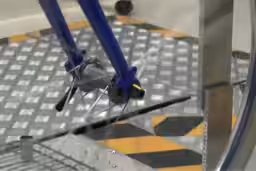
Regularly verify that the handlebars, wheels, and pedals are securely fastened. Loose components can lead to accidents during rides. This is especially important for bikes purchased online that may require assembly — always refer to the manufacturer’s instructions to ensure correct assembly.
Additional Safety Guidelines
Alongside the aforementioned checks, cyclists should ensure:
- - That there’s an appropriate amount of air in the tires.
- - That lights and reflectors are functioning correctly.
Regular inspections and maintenance from certified bicycle safety technicians are also recommended to mitigate risks.
Educational Resources
To support cyclists in avoiding accidents, NITE has developed a dedicated online tool called the NITE SAFE-Lite. This resource allows users to search for information related to their bicycle models and check for any relevant accident or recall data.
For those interested, a video highlighting the important check-points before cycling is also available for further guidance.
Conclusion
The beginning of a new cycling season comes with both excitement and responsibility. Especially for teenagers, acknowledging the necessity of following safety protocols cannot be overstated. By adhering to these simple yet important checks, cyclists can significantly reduce the likelihood of accidents and enjoy a safer cycling experience.






Topics Other)
【About Using Articles】
You can freely use the title and article content by linking to the page where the article is posted.
※ Images cannot be used.
【About Links】
Links are free to use.