




Enhancing Parent-Teacher Relations with New Training Program for Schools
Enhancing Parent-Teacher Relations with New Training Program for Schools
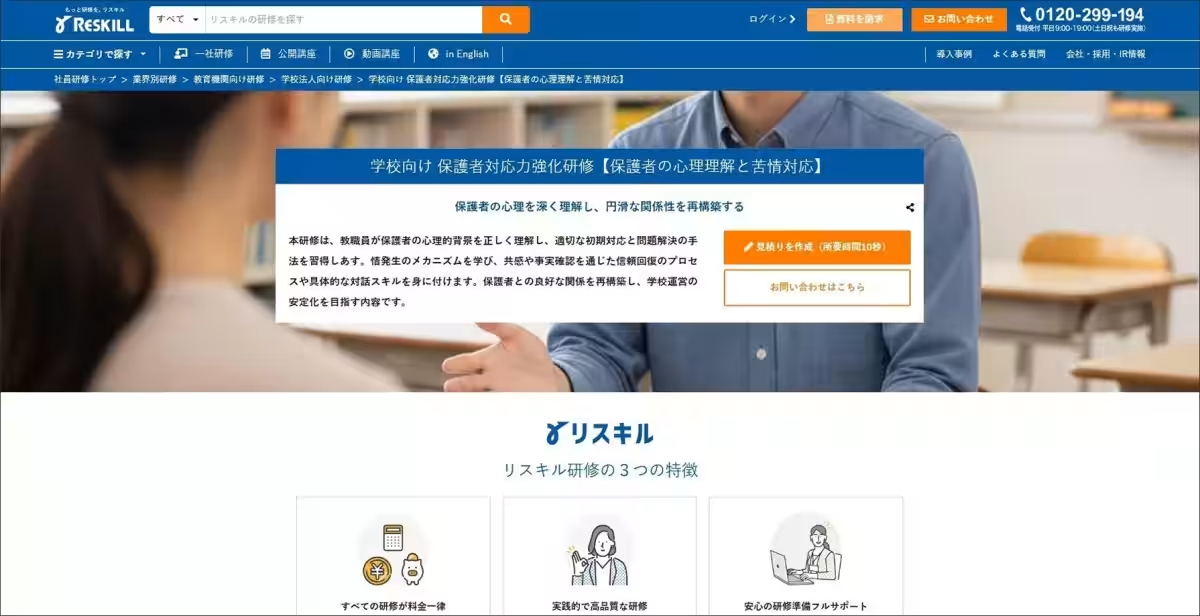
In the ever-evolving landscape of education, establishing effective communication between schools and parents is critical. Recognizing this need, Risquil Corporation has launched a new training program designed to strengthen the capabilities of educators in handling parental interactions. The program, known as the "Strengthening Parent Response Training for Schools,” aims to equip school staff with the skills necessary to understand the psychological background of parents, manage complaints effectively, and enhance the overall relationship between schools and home environments.
Understanding the Need for Improved Parental Engagement
In today’s educational settings, the interaction with parents has emerged as a significant challenge. As the expectations of parents evolve, discrepancies between those expectations and reality may lead to dissatisfaction and complaints. It is crucial for school officials to address these gaps promptly, as failure to do so can escalate issues, increase stress on educators, and destabilize school operations. By understanding parental psychology and developing constructive dialogue, educators can foster trust and strengthen relationships with families.
Overview of the Training Program
The "Strengthening Parent Response Training for Schools" is more than just a complaint management initiative. This comprehensive program teaches educators how to align the expectations of parents with the reality of the educational environment, thereby creating a more conducive atmosphere for learning.
Target Audience
The training is aimed not only at teachers but at all staff members within educational institutions.
Goals and Skills Development
The primary objective of this program is to train educators in communication techniques that bridge the gap between parental expectations and the realities of school operations. Participants will learn to:
- - Understand the underlying reasons for parental complaints and psychological states.
- - Improve their initial response quality through effective empathy and fact-checking techniques.
- - Deal assertively and appropriately with unreasonable requests from parents.
Key Features of the Training Program
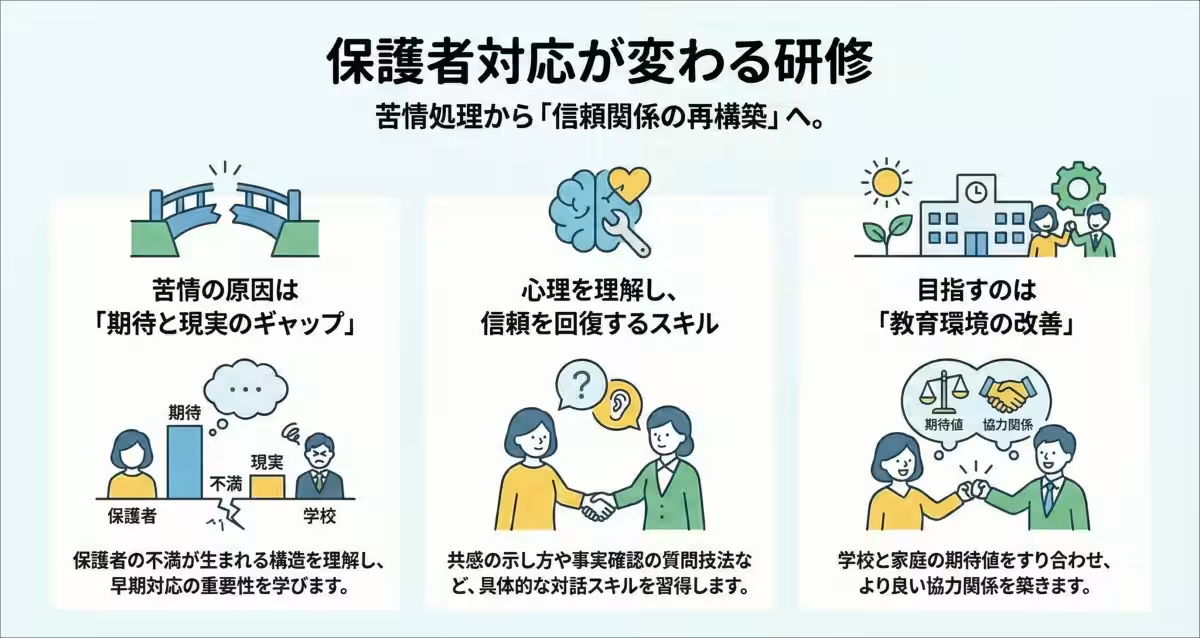
1. Understanding the Structure of Complaints: Participants will gain insights into how gaps between expectations and reality can lead to parental dissatisfaction. This knowledge will be foundational in preventing and addressing concerns effectively.
2. Initial Response Techniques for Trust Recovery: Educators will learn how to draw out parents’ genuine concerns through probing questions and empathetic interactions, facilitating prompt problem resolution and trust recovery.
3. Strengthening Organizational Response Capability: The program also equips educators with tools and strategies for handling tough requests and ensuring safety within the educational setting.
Sample Curriculum Highlights
- - Understanding Parental Needs:
- How gaps between expectations and reality lead to complaints
- Methods for narrowing these gaps and effective communication strategies.
- - Skills for Addressing Parental Concerns:
- Questioning techniques to draw out authentic concerns (open/closed questions, reflective listening).
- The process for proposing solutions and achieving mutual agreement, including guidance for handling unreasonable demands.
About Risquil Corporation
Risquil Corporation, dedicated to the concept of "More Training," offers clear, uniform pricing for its business training sessions. The newly introduced training program for schools can also be customized to meet specific institutional challenges without additional fees.
With a team of skilled trainers possessing rich experience, Risquil provides comprehensive support from material delivery to workshop execution, ensuring a seamless training experience. The training can be conducted in-person, online, or in a hybrid format, catering to the diverse needs of educational institutions across the nation.
This initiative is not just about enhancing skills; it’s about fostering a collaborative atmosphere where schools and families can work together towards common educational goals. The effort to bridge the communication gap is one that will yield benefits for both educators and parents alike.
Topics Other)









【About Using Articles】
You can freely use the title and article content by linking to the page where the article is posted.
※ Images cannot be used.
【About Links】
Links are free to use.