




Transforming Children’s Creativity with AI: A Summer Experience in Tokyo
Transforming Children’s Creativity with AI
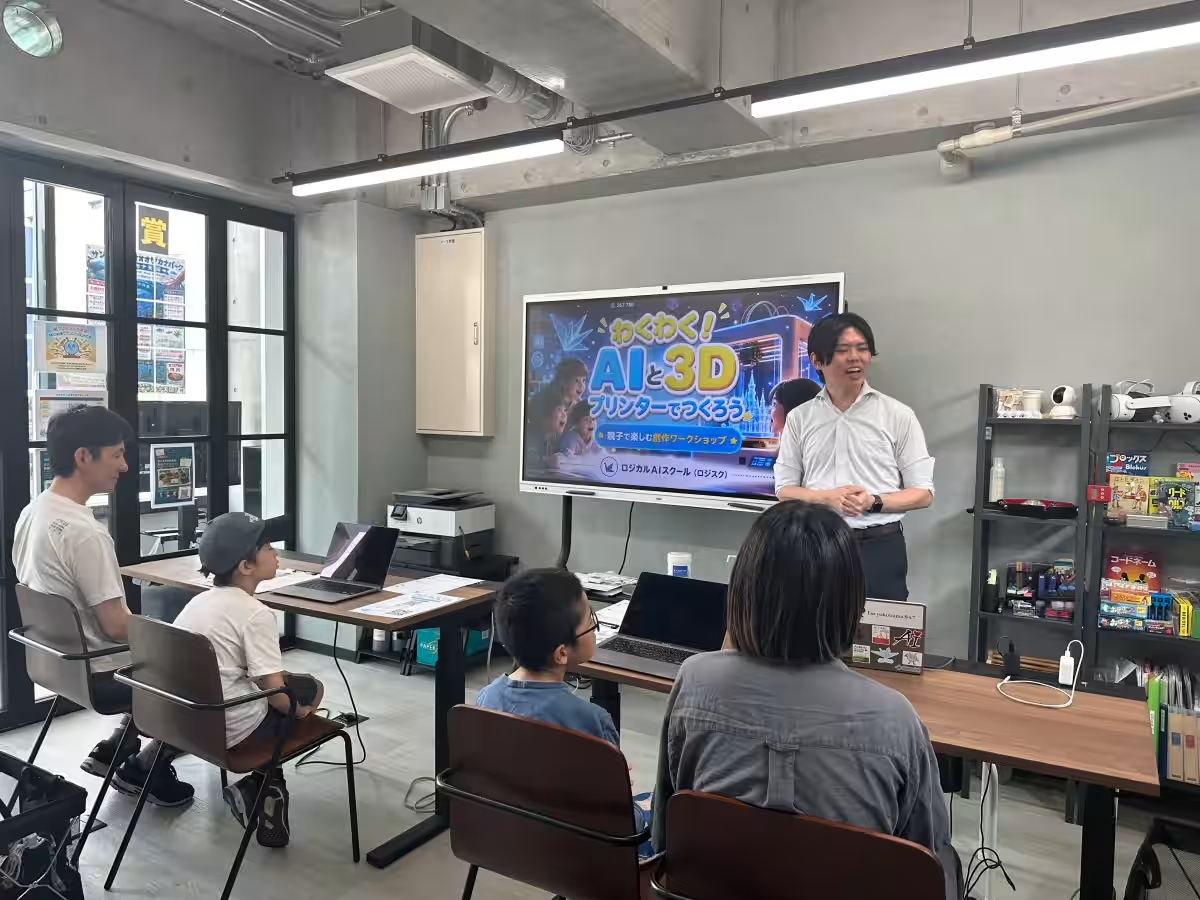
In a world increasingly shaped by technology, the importance of enhancing children's creativity through innovative education methods cannot be overstated. This summer, the Logical AI School in Kichijoji, Tokyo, hosted a remarkable AI experience event aimed at elementary school children, showcasing how AI, 3D printing, and virtual reality (VR) can revolutionize learning.
Immersive AI Experiences
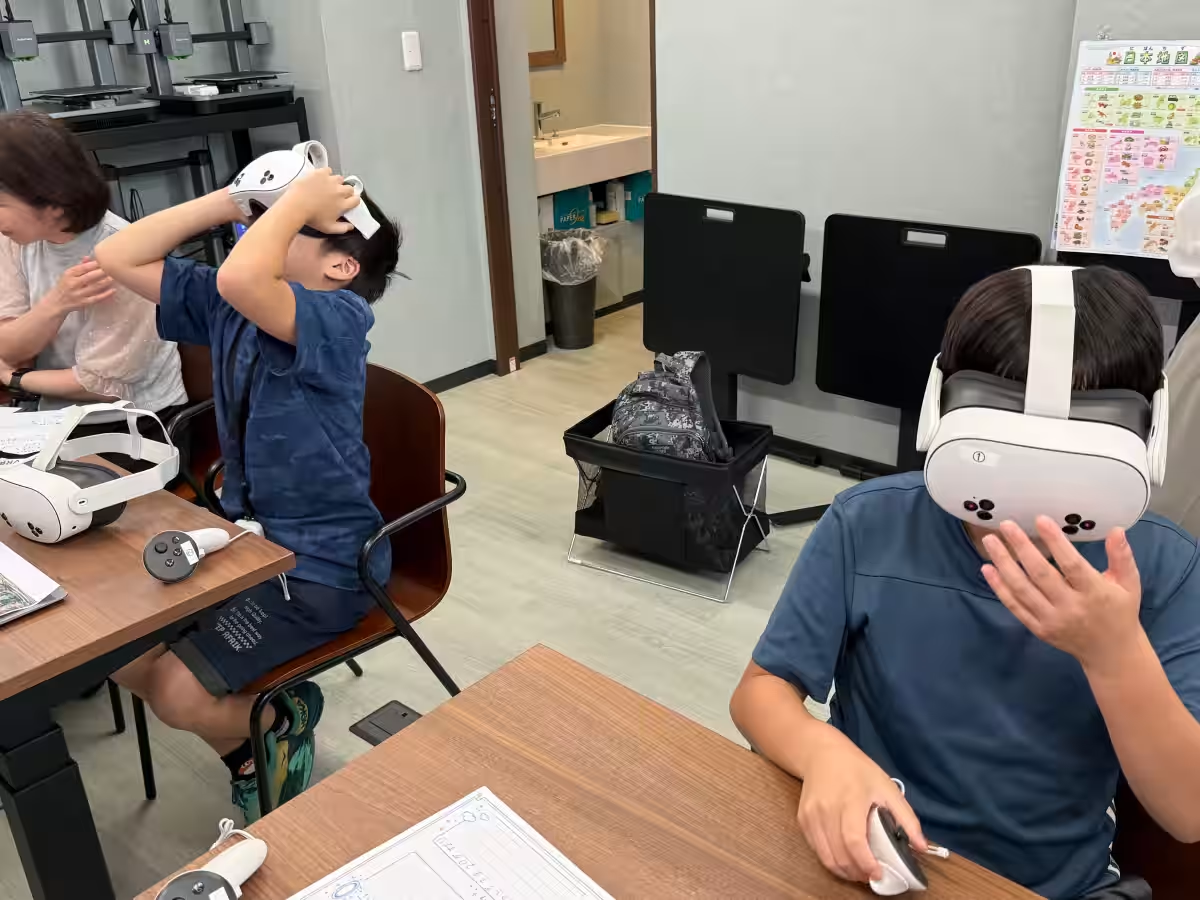
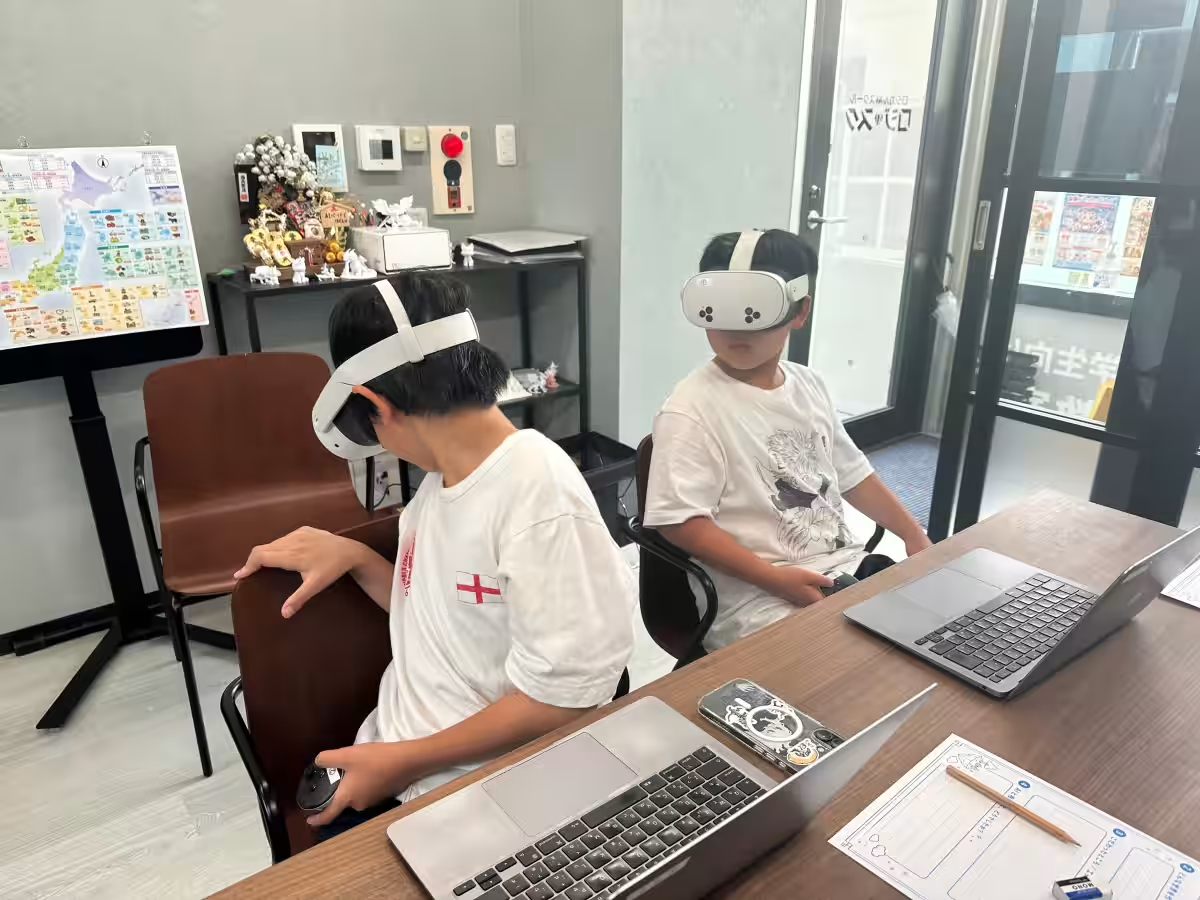
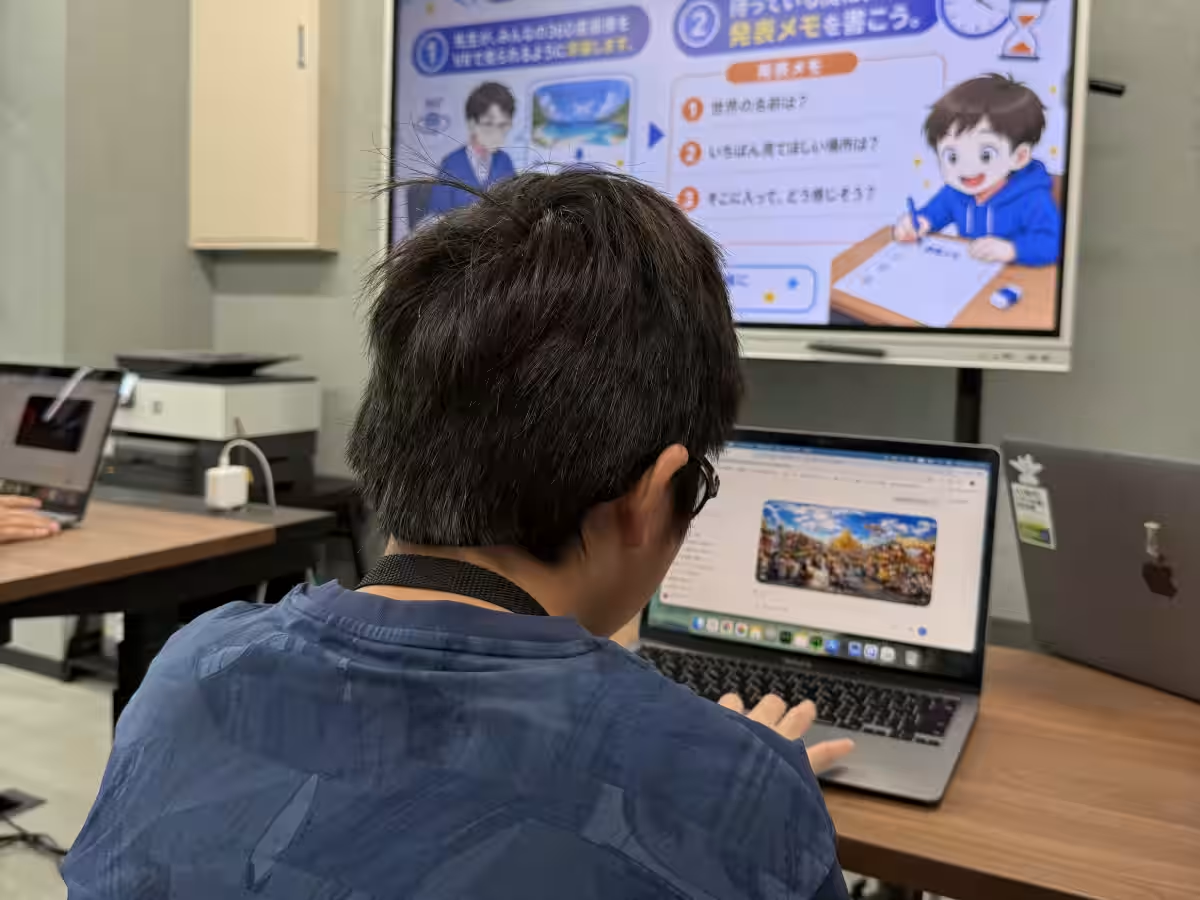
During the summer event, children were encouraged to think about what they wanted to create and the worlds they wanted to build, effectively utilizing AI to visualize their ideas. As they engaged in hands-on activities, many children engaged deeply in the creation process, which led to remarkable transformations in their reactions. The pivotal moment came when they donned VR headsets and were fully immersed in the 360-degree worlds they had created. Suddenly, the digital concept transitioned into an all-encompassing reality. Instead of merely observing AI-generated creations, the children found themselves within the very worlds they had designed, enhancing their personal connection to their projects.
A Shift in Perception
This transformative experience highlighted the notion that the dynamic nature of AI-assisted creativity flourishes when children can interact with and engage in tangible experiences. The joy and excitement on their faces as they explored their own virtual realities were a testament to the effectiveness of this hands-on approach, where visualizing and creating became a source of empowerment. This immersive AI experience not only captivated the children's imaginations but also instilled a sense of ownership over their creations.
Moreover, the Logical AI School places great importance on moving beyond screen-based interactions. The intent is to cultivate a deeper understanding of what children want to express and to guide them in articulating their thoughts into physical forms through the use of AI. This approach allows children to see AI not merely as a tool for answers, but as a collaborative partner in the creative process.
Insights from Parents
Feedback from parents following the event was overwhelmingly positive. They expressed appreciation not just for the exposure to AI and VR, but for observing their children immerse themselves in creative thinking and the joy of crafting something from scratch. Here are some motivational notes shared by the parents:
- - “My child exceeded their expectations in creation.”
- - “It was heartening to see how they focused on expressing their thoughts while using AI, reinforcing their imaginative abilities.”
- - “I am genuinely glad they had this experience, as it sparked their intellectual curiosity.”
- - “The event facilitated a sense of discovery and creativity, which is especially important at this age when structured play is often emphasized.”
The key takeaway for many parents was recognizing their children's potential for creativity when provided with the right tools and opportunities.
Future Aspirations at Logical AI School
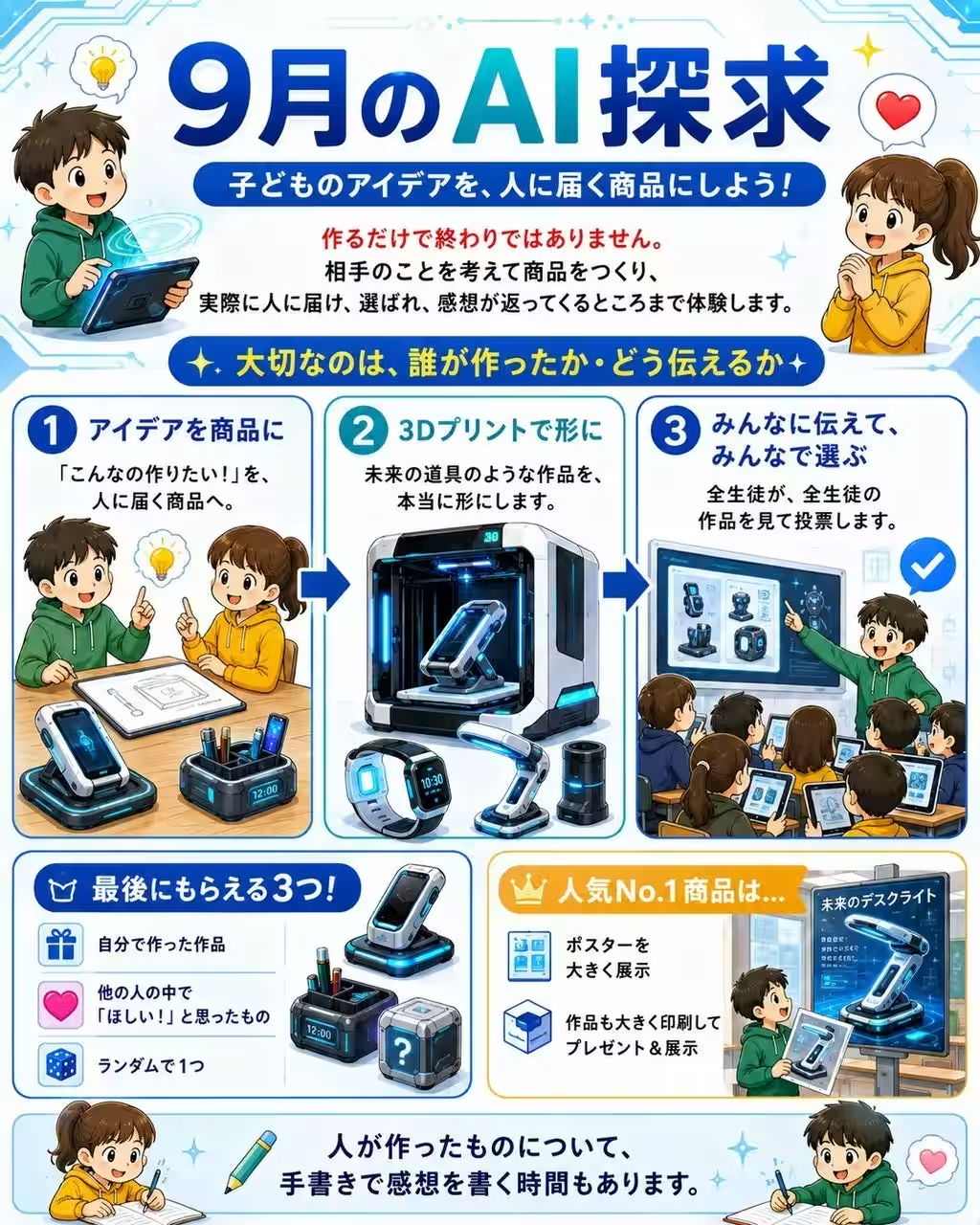
Following the success of the summer event, the Logical AI School is set to introduce an exciting new theme in September: shifting from "creating what I want" to "creating something that someone else desires." This innovative approach will encourage students to think about product development while collaborating with AI and 3D printers. Children will explore questions such as:
- - Who would want this creation?
- - What would make someone happy?
- - How can we make the product appealing?
- - How to communicate its desirability?
Through this perspective, their creative process will transcend personal ambition and focus on crafting products for others. They will gain experience in brainstorming, designing, and marketing their products effectively. At the event's conclusion, children will even vote on whose creation they would most want. This shift not only nurtures creativity but also fosters empathy and understanding regarding the needs of others.
A Vision for the Future
As artificial intelligence becomes integrated into various aspects of our lives, it is vital for young minds to understand its potential, using technology as a partner in the creative process rather than merely a tool. The mission of the Logical AI School, as articulated by its director Yuki Kawashima, emphasizes fostering an environment where children can freely express their ideas and bring them to life.
The school's future initiatives will continue to support kids in discovering their capabilities while navigating the complexities of ideation, design, and execution. With unique programs like these, the Logical AI School is paving the way for a generation equipped not just with technical skills but with an expansive creative mindset that can change the world.
Conclusion
The event at the Logical AI School serves as a shining example of how intertwining education with technology can ignite imaginations and conquer boundaries. By fostering a spirit of inquiry and creation, we can help our children not only to think critically but to act with confidence as they engage with the wonders of AI, creating a better tomorrow.






Topics Other)


【About Using Articles】
You can freely use the title and article content by linking to the page where the article is posted.
※ Images cannot be used.
【About Links】
Links are free to use.