



Current Awareness and Urgent Need for Preparedness Amid Disaster Risks: A 2026 Survey Highlights
Overview of the 2026 Disaster Preparedness Survey
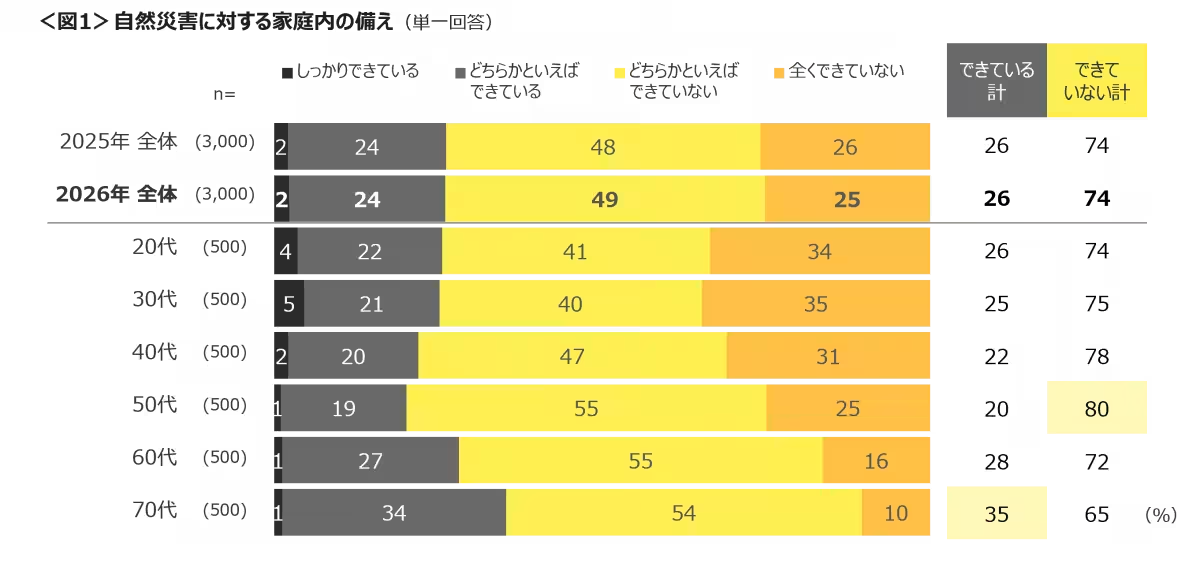
In a recent study conducted by Cross Marketing, headquartered in Shinjuku, Tokyo, it was revealed that a staggering 74% of households feel ill-equipped to handle disasters, with the data collected from a sample of 3,000 individuals aged between 20 and 79 across Japan. This survey comes in the wake of significant natural disasters, including the Kumamoto Earthquake and Chiba heavy rain incidents of 2026, offering critical insights into the state of disaster preparedness and the perception of evacuation training in Japan.
Key Findings
The survey highlights a troubling trend: while the awareness of the necessity for preparedness remains high, the actual implementation of disaster readiness measures is shockingly low. Only 26% of respondents believe their homes are adequately prepared for potential disasters. Particularly concerning is the 30% figure among individuals in their 20s to 40s, indicating a significant disconnect between recognizing the need for preparedness and taking effective action.
Necessities for Disaster Preparedness
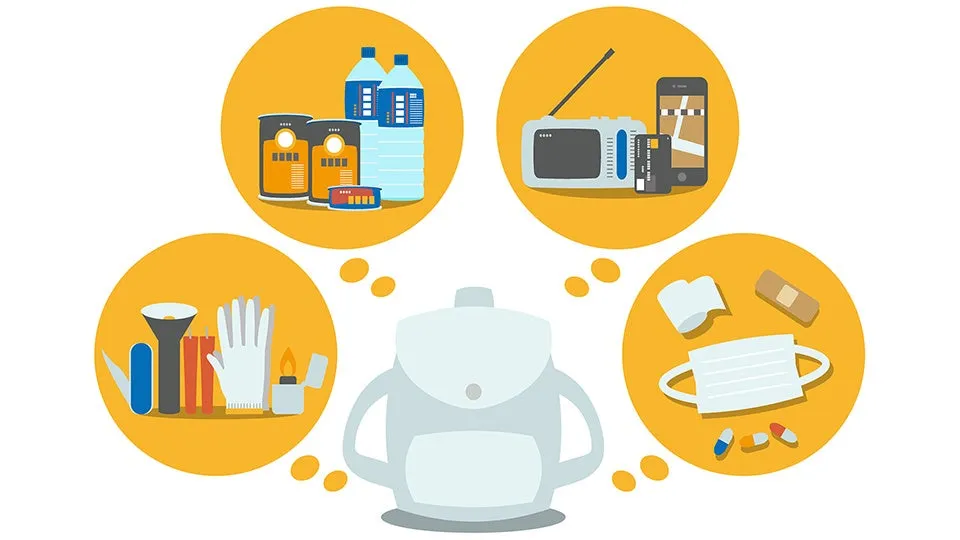
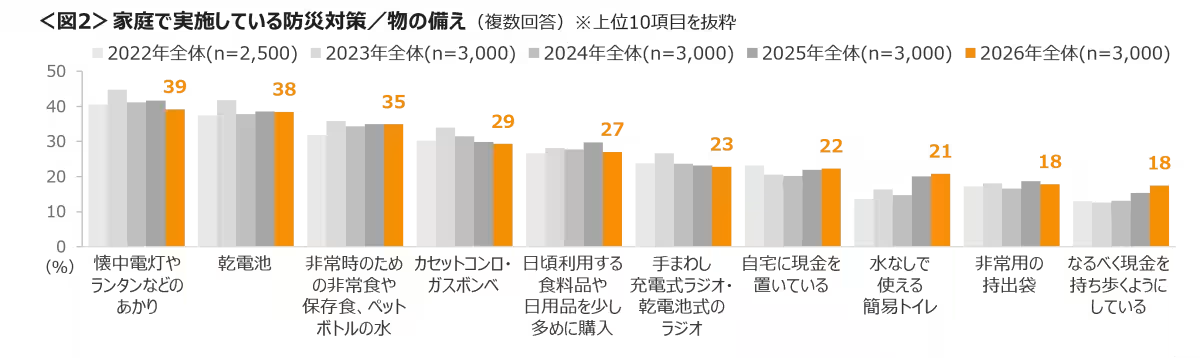
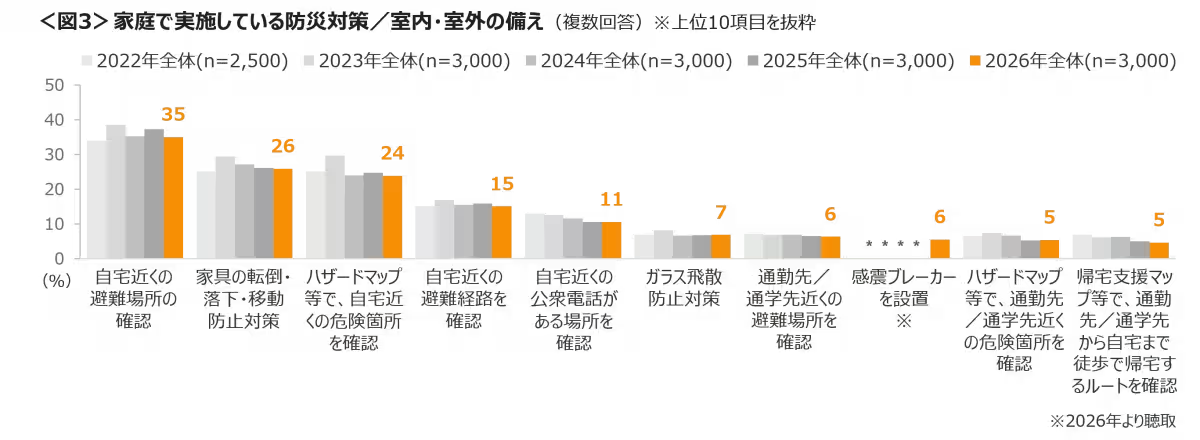
The specific items that households typically stock for emergencies include flashlights, batteries, and non-perishable food, each sitting at around 30% of households. Furthermore, when it comes to ensuring interior and exterior preparedness, only about 30% have confirmed the location of nearby evacuation sites.
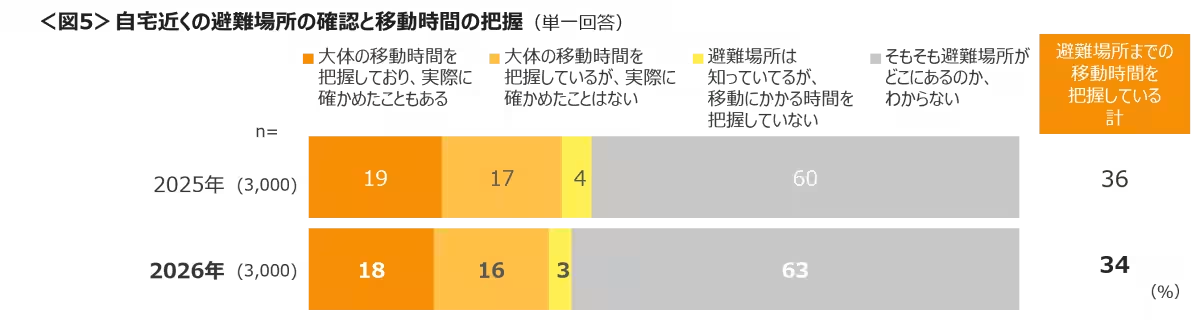
An alarming statistic shows that over 63% of respondents do not even know where their closest evacuation site is located. Additionally, just 34% are aware of the estimated time it would take to reach these sites during an emergency, indicating a severe lack of planning and awareness.
Insurance Coverage
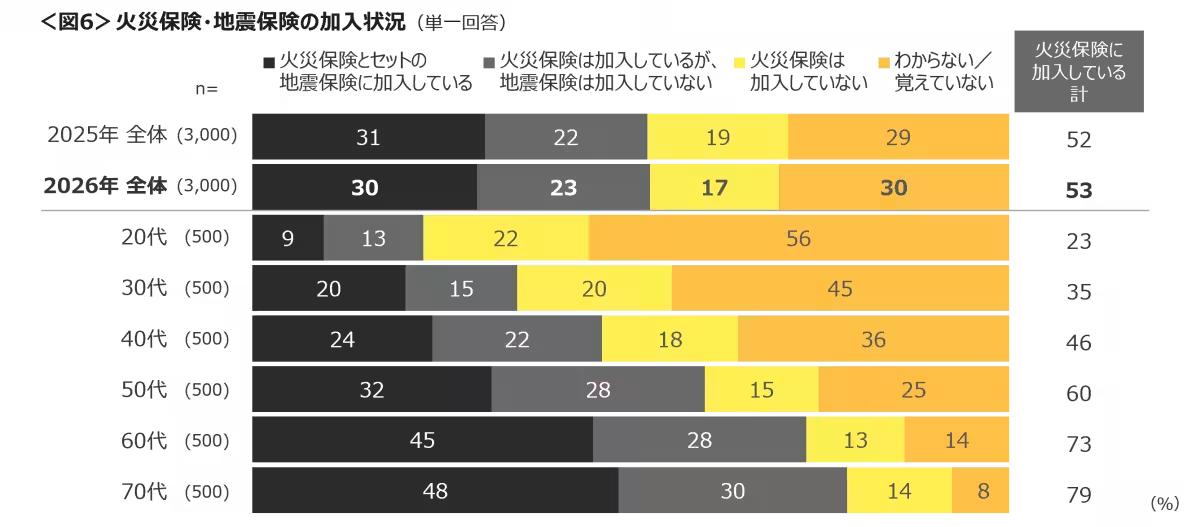
Insurance coverage also reflects a cautious approach to disaster preparedness. Among respondents, 30% have chosen a fire insurance plan that includes earthquake coverage, while 23% have opted only for standard fire insurance. The trend shows that older generations (60s and 70s) are more likely to have prepared for potential disasters due to their lived experiences.
Perception vs. Reality in Training Participation
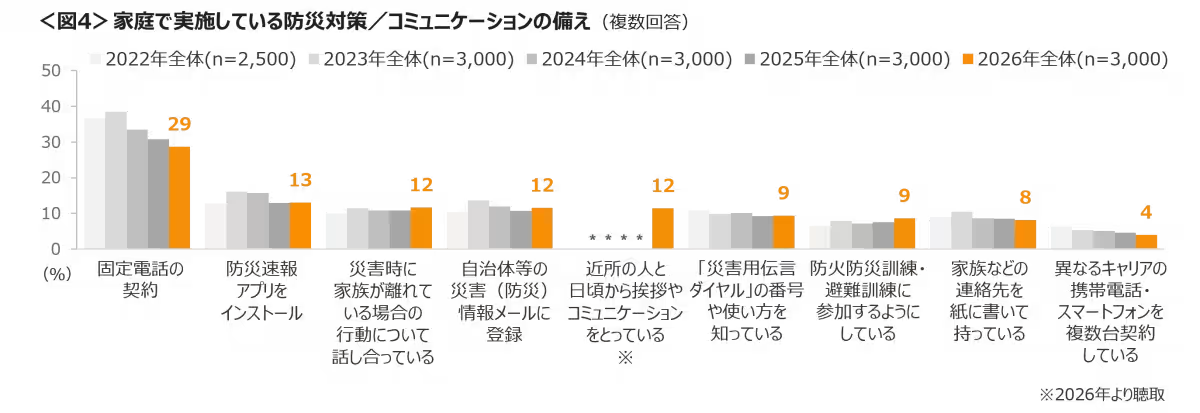
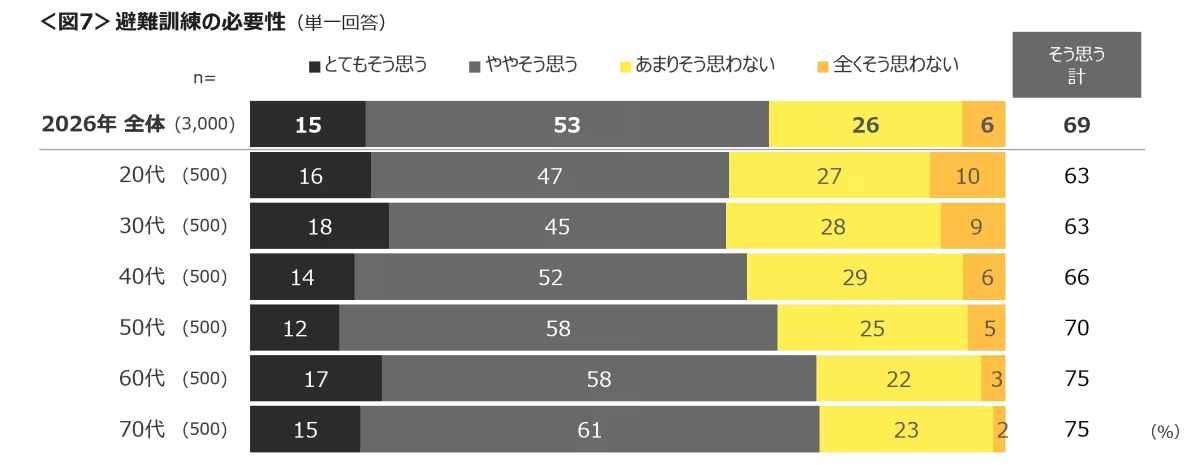
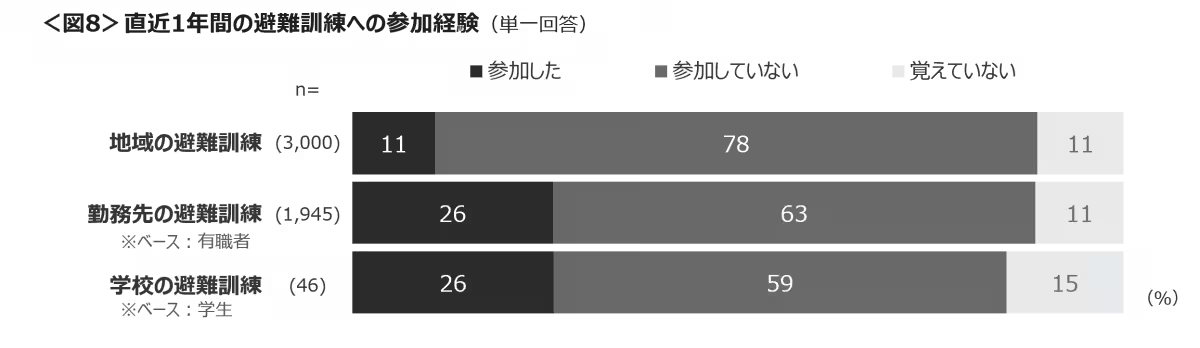
Despite a strong belief in the importance of evacuation training—69% of those surveyed indicated they feel this training is necessary—actual participation rates remain disappointing. Only 11% have engaged in local evacuation drills, and just 26% participated in training through work or educational institutions. This gap between perception and action illustrates a significant challenge for disaster preparedness initiatives.
Need for Improvements
The findings call for increased efforts to promote awareness and participation in disaster preparedness activities. Institutions and community organizations must work together to enhance training participation rates and improve the adequacy of household preparedness measures. Furthermore, strategies to educate the public on the locations and accessibility of evacuation sites are crucial.
Conclusion
As Japan faces increasing natural disasters, the urgent need for public awareness and the delivery of effective evacuation training cannot be overstated. Cross Marketing's survey offers vital data that could inform strategies to bolster disaster preparedness across the nation. Future initiatives should aim to bridge the awareness-action gap and ensure that every household knows how to respond effectively in the face of emergencies. Partnerships between government entities, community organizations, and citizens will be imperative in creating a resilient society capable of facing potential disasters head-on.
For further insights, you can explore the complete report at Cross Marketing.
Topics Policy & Public Interest)
【About Using Articles】
You can freely use the title and article content by linking to the page where the article is posted.
※ Images cannot be used.
【About Links】
Links are free to use.