



Pharmacy Openings in Japan: Trends and Insights for 2025 and Beyond
Emerging Trends in Pharmacy Openings Across Japan
Overview of the Pharmacy Boom
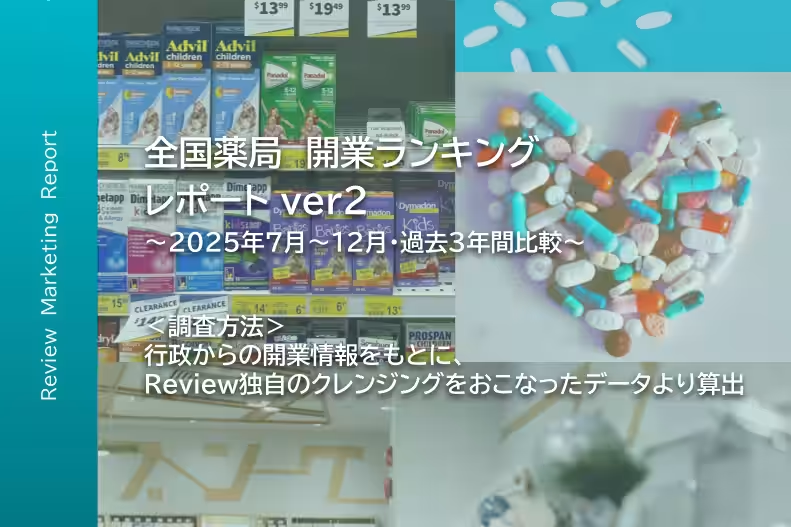
In a recent analysis conducted by Review Co. Ltd., a company based in Osaka, Japan, the data reveals a significant shift in pharmacy opening trends as we head into the second half of 2025. The report showcases the opening of 2,175 new pharmacies across the nation from July to December 2025, marking a reversal from the previous year's dips and highlighting a unique concentration of openings in urban areas.
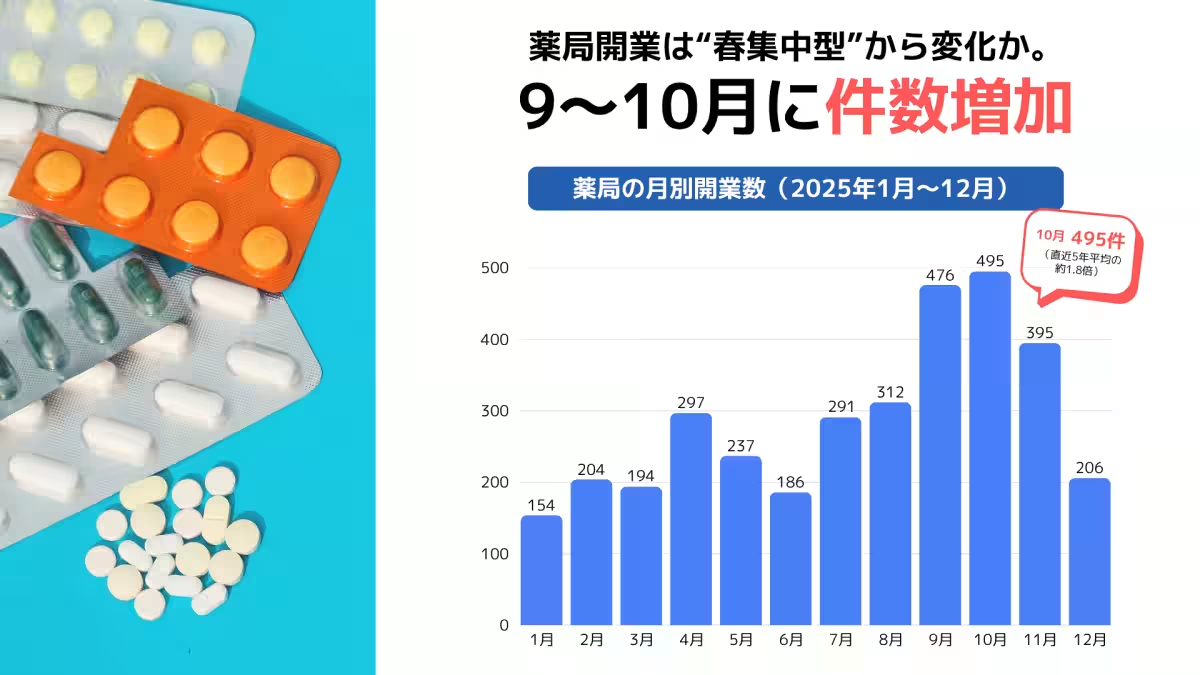
The trend suggests an unprecedented spike in the months of September and October, with 476 and 495 pharmacies opening, respectively. This surge represents an increase of roughly 1.6 to 1.8 times the previous average for these months, indicating a notable departure from the traditional pattern of spring openings. Several factors may be influencing this shift, including the development of medical malls and preparation periods following regulatory changes.
Regional Insights and Urban Concentration
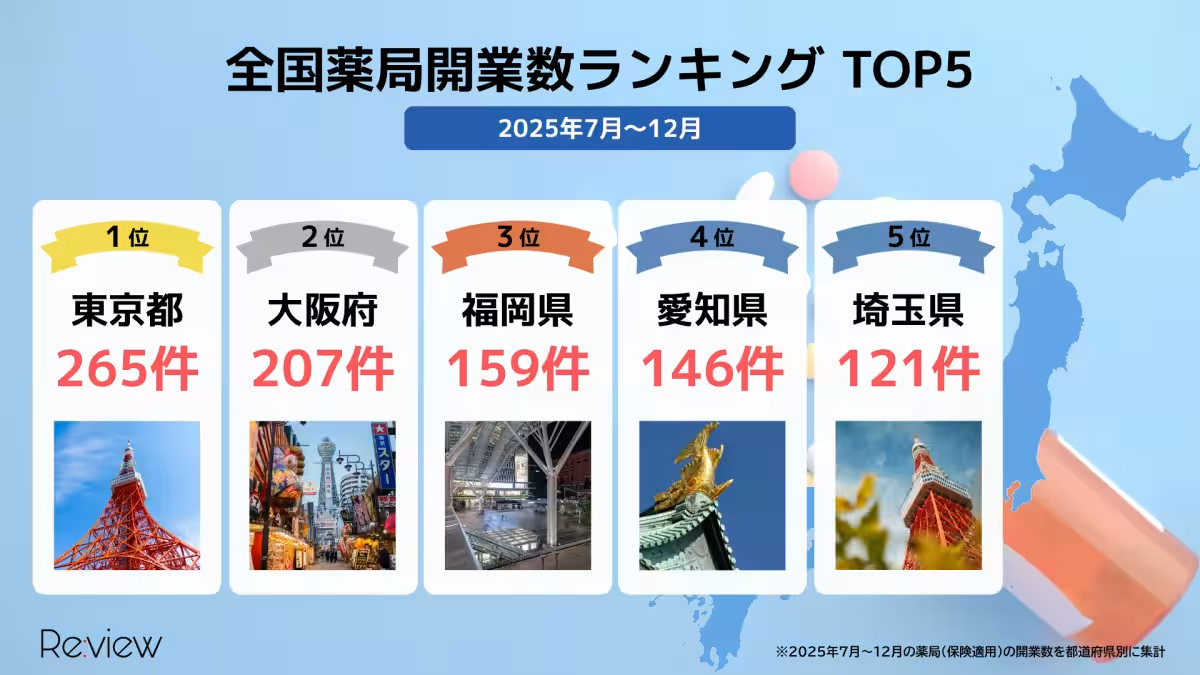
The report's findings also reveal a stark concentration of new pharmacy establishments in metropolitan and core urban areas. The top five prefectures by opening volume from July to December 2025 include:
1. Tokyo - 265 new pharmacies
2. Osaka - 207 new pharmacies
3. Fukuoka - 159 new pharmacies
4. Aichi - 146 new pharmacies
5. Saitama - 121 new pharmacies
This trend points towards a preference for sites in redevelopment zones and medical malls, where collaboration with healthcare providers is more feasible. In contrast, regional areas are experiencing disparities in pharmacy openings, signaling a need for tailored strategies in these locations.
Changing Timing for Pharmacy Openings
Traditionally, the beginning of the fiscal year and alterations to medical fee systems prompted a clustering of new pharmacy projects in spring. However, the data for 2025 indicates an emerging preference for late summer and early autumn openings, with notable activity in September and October. This change highlights the evolving landscape of pharmacy deployment, now increasingly influenced by external factors, including:
- - Concentration of medical mall developments
- - Preparation periods after regulatory modifications
- - Challenges in securing personnel and adhering to construction timelines
The industry may now be transitioning from a reliance on cyclical fiscal patterns to a more nuanced approach that considers multiple external circumstances amid a changing healthcare environment.
Urban Centers and Healthcare Innovations
The observed urban concentration may also be tied to the increasing demand for in-home healthcare services and the digital transformation within the medical field. As pharmacy roles expand to include digital prescriptions, online medication guidance, and support for community-based health initiatives, urban areas become more attractive for new ventures. In regions where a strong demand exists, difficulties in workforce acquisition and system infrastructure can hinder growth.
The Evolution of Pharmacy Roles
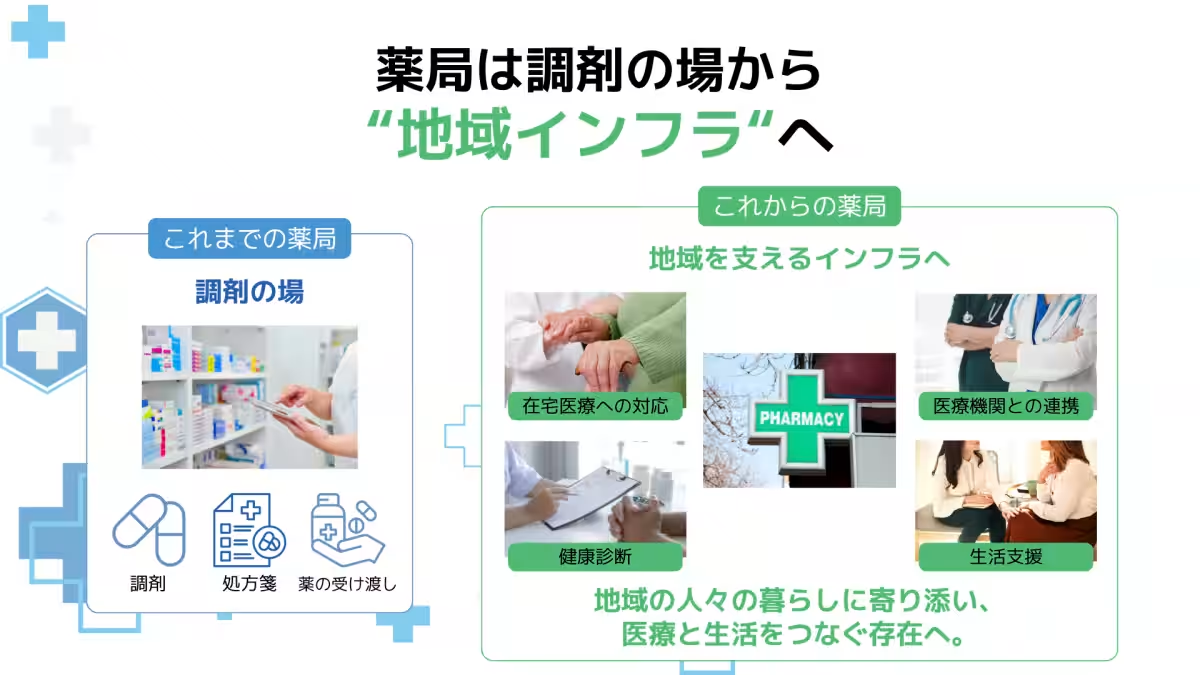
Our analysis reveals a significant transformation in the functions of pharmacies, extending beyond simple dispensing roles to become vital community infrastructure. The increasing emphasis on:
- - In-home healthcare solutions
- - Collaboration with healthcare institutions
- - Health consultations
- - Supportive services for daily living
has evolved the role of pharmacies into community health advocates, particularly important in the context of an aging population. Moving forward, considerations around the location, type, and purpose of each new establishment will become paramount in the strategies employed by new pharmacy entrants.
Conclusion: A Shift Towards Purposeful Engagement
The data highlights a substantive shift in the pharmacy landscape as we approach late 2025, underscoring several concurrent trends:
1. Increase in the number of openings
2. Continued concentration in urban environments
3. Change in traditional opening periods
These shifts suggest that pharmacy openings are not merely about quantity anymore but are becoming increasingly about fulfilling the nuanced needs of regional healthcare ecosystems. The decisions surrounding new openings will likely play a crucial role in ensuring balanced and sustainable healthcare delivery moving forward.
The insights derived from our comprehensive report can serve as a valuable tool for stakeholders within the industry to navigate this evolving landscape effectively. Our commitment remains to provide relevant, actionable data to support informed decision-making in the pursuit of community well-being.


Topics Consumer Products & Retail)
【About Using Articles】
You can freely use the title and article content by linking to the page where the article is posted.
※ Images cannot be used.
【About Links】
Links are free to use.