




Exploring the Necessity and Creation of 'Comma Place' for Well-Being
Exploring 'Comma Place' for Well-Being
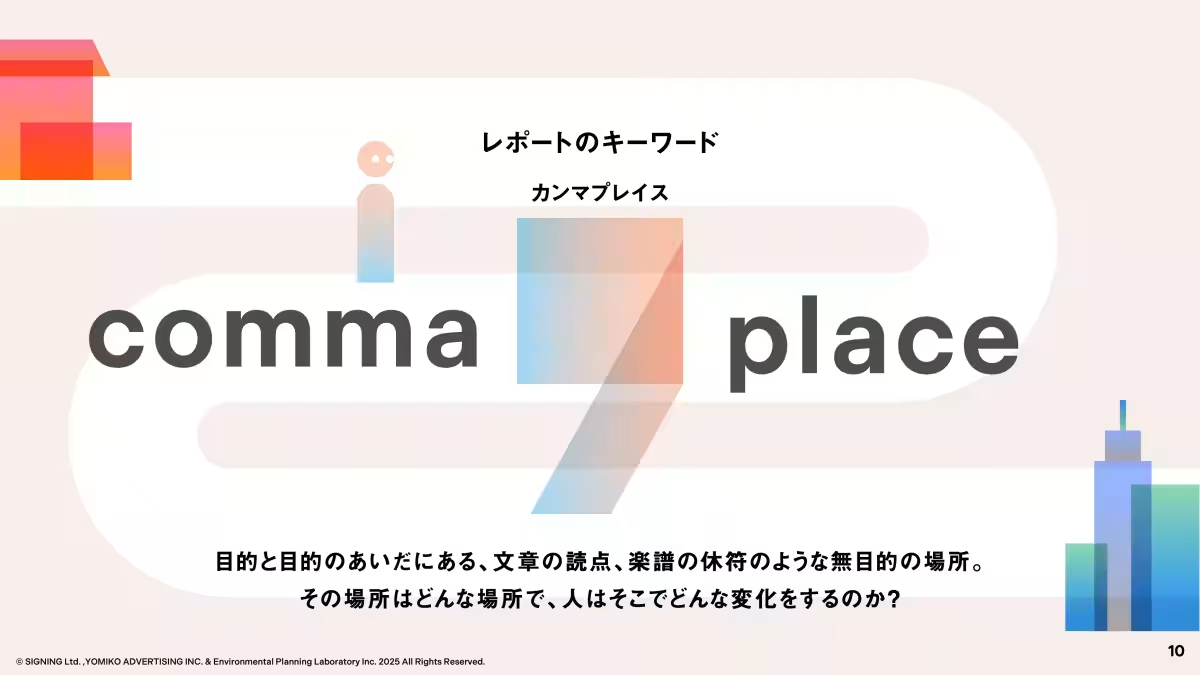
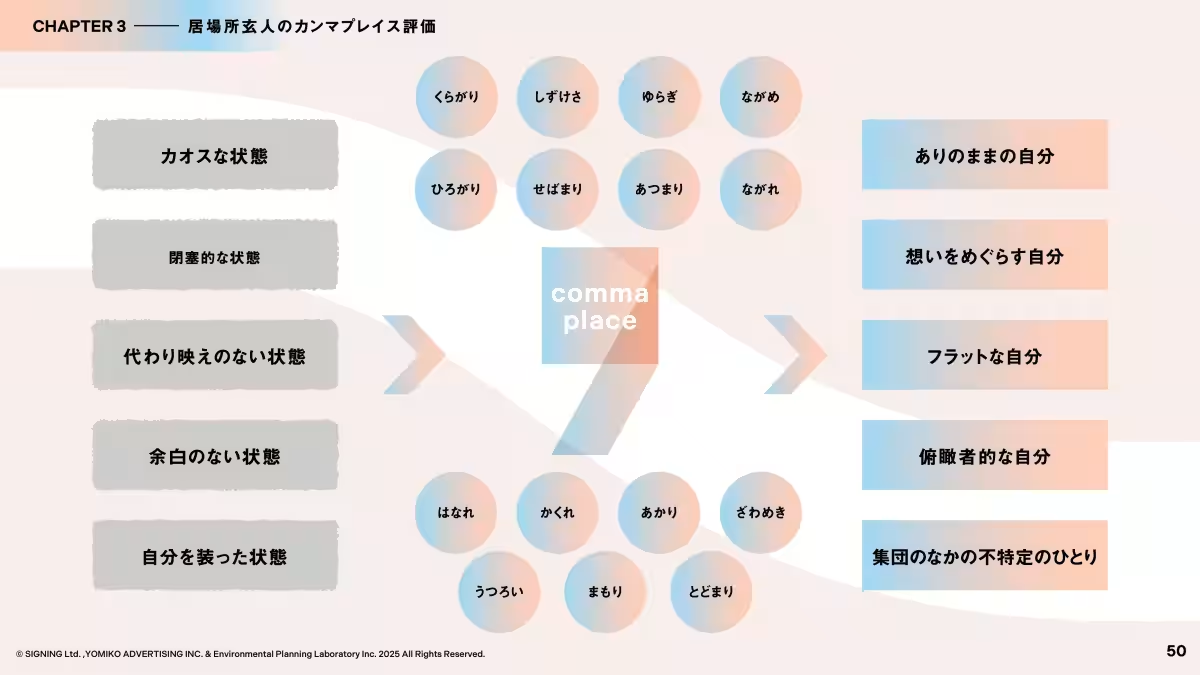
In the face of rapidly changing lifestyles, the modern concept of a personal space has evolved significantly, especially post-pandemic. In this context, SIGNING, alongside the Yomiuri Advertising Agency and the Environmental Planning Institute, has released the insightful report, _iBASHO REPORT Vol.2: A Place You Just Want to Be_. This report delves into the notion of 'comma place,' a term coined to describe spaces between purposes, akin to pauses in written text or musical scores, which can provide solace and enhance one's well-being.
The Significance of Comma Place
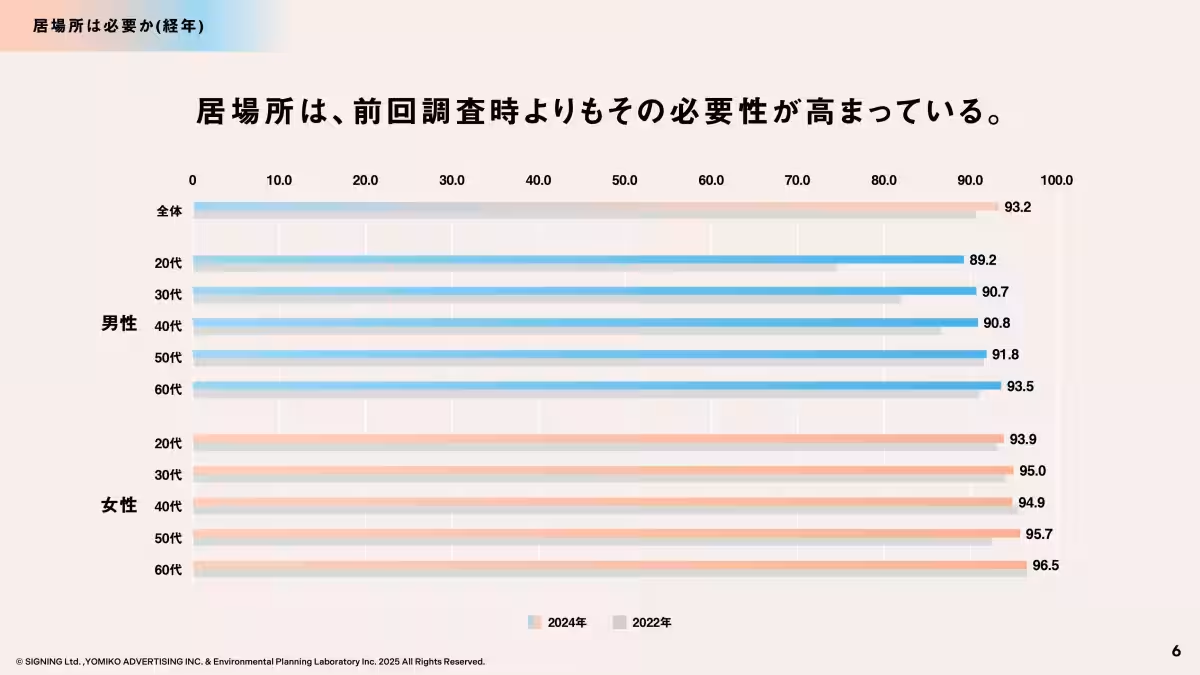
We live in an era where daily routines point to a focus on efficiency and purposeful activities, often at the expense of spontaneous breaks and leisure. With the integration of digital experiences into every facet of life, individuals are constantly seeking meaningful dialogues between work and relaxation. This has rendered it increasingly difficult to appreciate the value of 'unstructured time.' The report identifies 'comma places' as crucial areas where people can unwind and reconnect with themselves, deviating from their structured lives.
Methodology of the Research
The research comprises a comprehensive survey targeting 2,700 people aged between 20 and 69, conducted through internet research across Japan. The survey assesses current sentiments towards personal spaces, particularly in the aftermath of a pandemic that has redefined interpersonal dynamics.
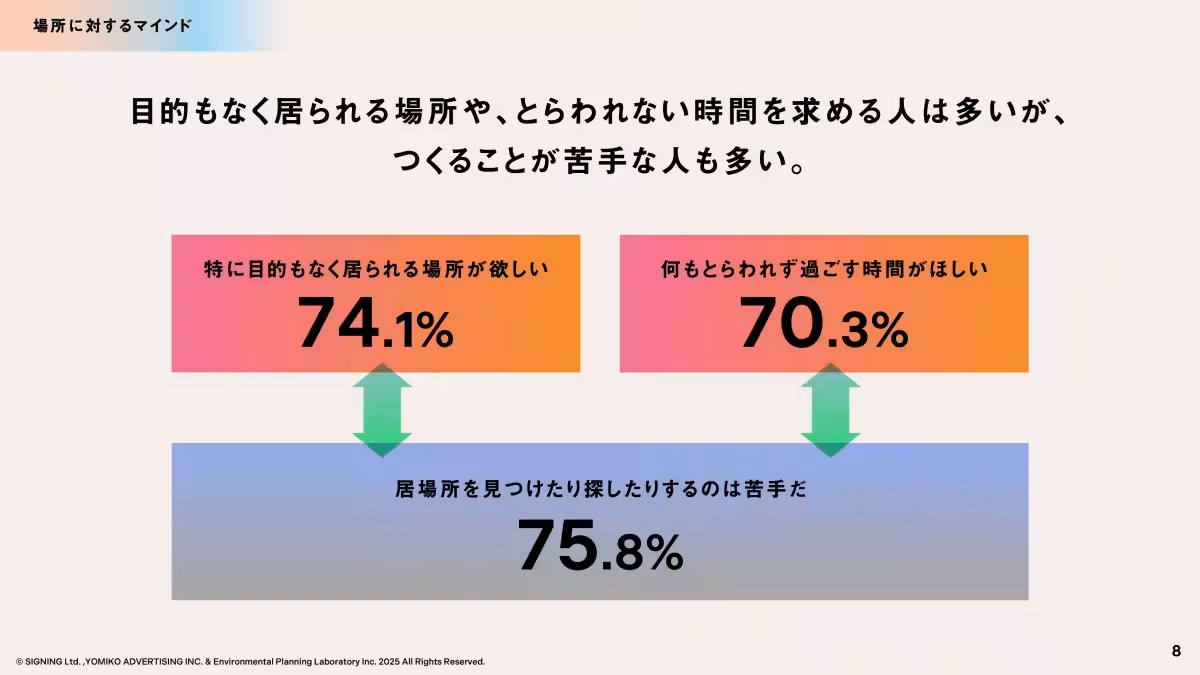
One of the key findings reveals an increased necessity for such spaces, highlighting that many individuals struggle to identify suitable locations for purposeless relaxation activities, with 75.8% expressing difficulty in finding these respite areas.
Insights on Well-Being through Unstructured Spaces
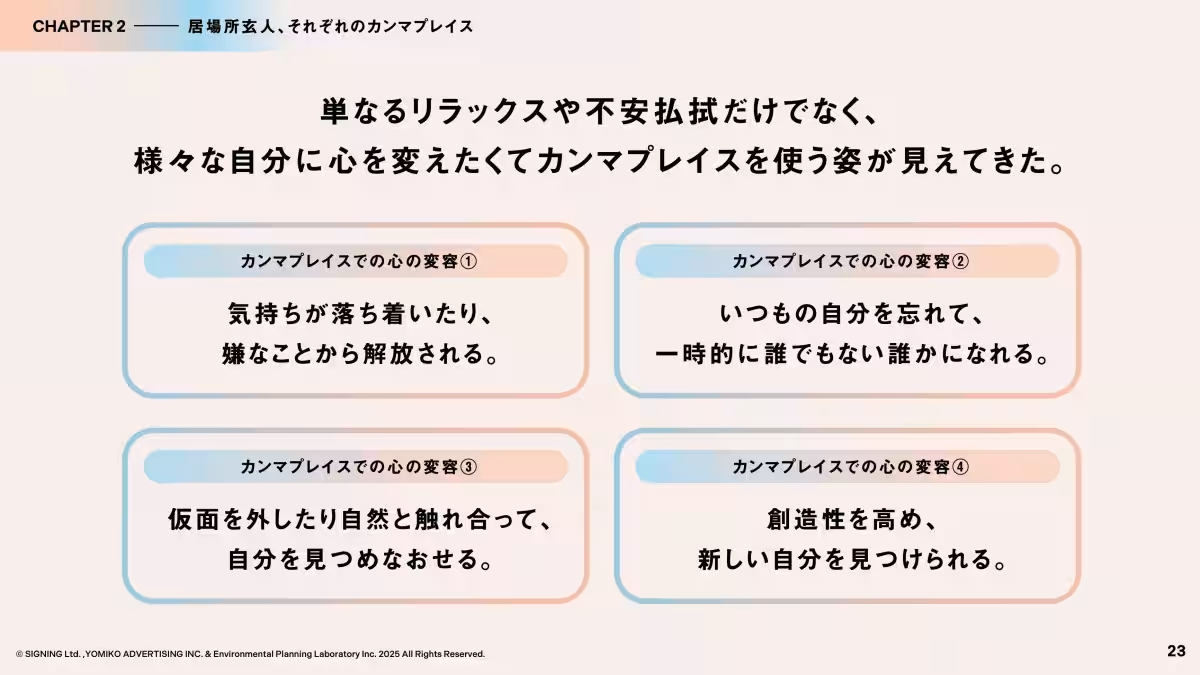
On analyzing the behavioral patterns of 'space connoisseurs,' those adept at finding relaxation in diverse environments, the research provides insights into how they utilize these comma places not solely for relaxation but as transformative spaces that cater to varied needs, both physical and emotional.
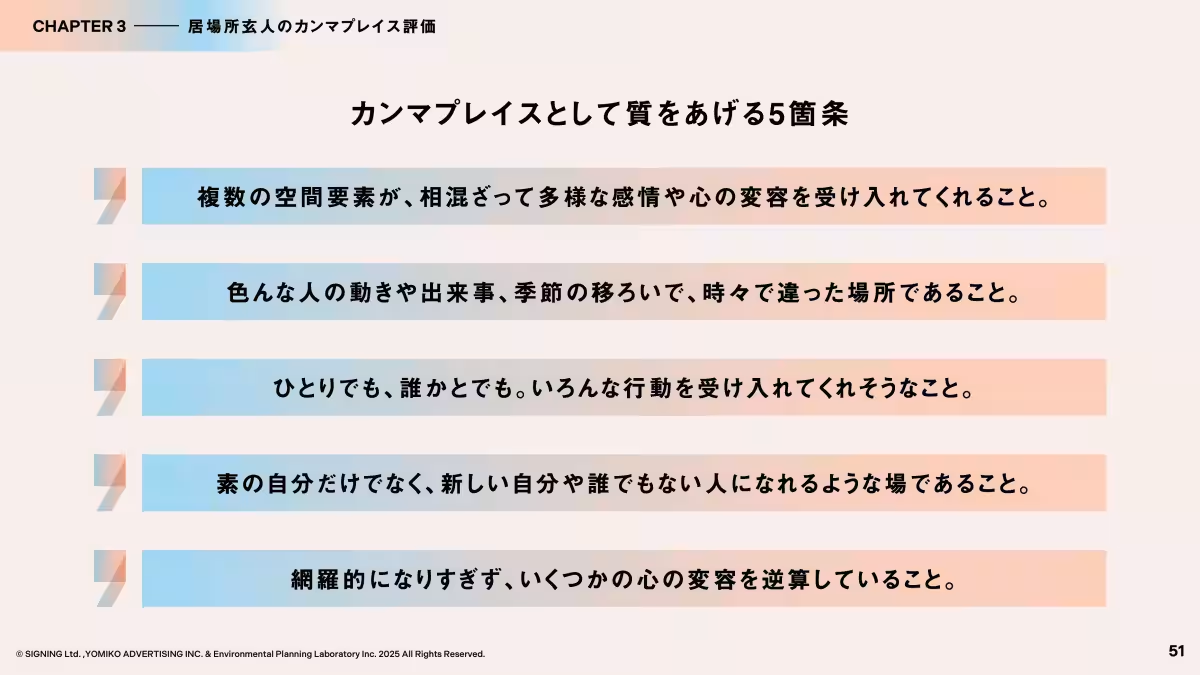
The report suggests that enhancing the quality of comma places requires careful attention to five essential points, addressing factors from ambiance to accessibility.
A Broader Perspective of iBASHO
The _iBASHO Project_ aims to reshape the relationship between people and their environments through a dual lens of identity (i) and place (BASHO). This melding of concepts recognizes that the definitions of personal spaces have expanded well beyond the traditional work-home-third place model, especially with the rise of remote work.
Through collaboration with experts from various sectors, including urban studies and architecture, the project aspires to redefine how individuals can reclaim their spaces and the inherent complexities that come with them. As society grapples with growing feelings of isolation and confusion regarding personal identity, this initiative encourages the rediscovery of individual spaces, providing potential business opportunities by aligning them with contemporary needs.
The Future of Well-Being
In light of the findings, the report emphasizes that moments of reflection and purposeless engagement can provide meaningful contributions to the quality of life and overall well-being. As the world continuously evolves, the challenge will be to incorporate natural pauses into our daily routines, creating environments that support holistic lifestyle changes.
Ultimately, the _iBASHO REPORT Vol.2_ aims to illuminate the pathway toward cultivating these comma places, hoping to increase the prevalence of challenge and trivial moments of well-being in our society. The collective efforts drawn from research and various partners involved in this venture aim to foster a future where well-being is effectively interwoven into the fabric of everyday life.
For those interested in the detailed findings and further insights, the full report can be accessed and downloaded via this link.

Topics Other)
【About Using Articles】
You can freely use the title and article content by linking to the page where the article is posted.
※ Images cannot be used.
【About Links】
Links are free to use.