



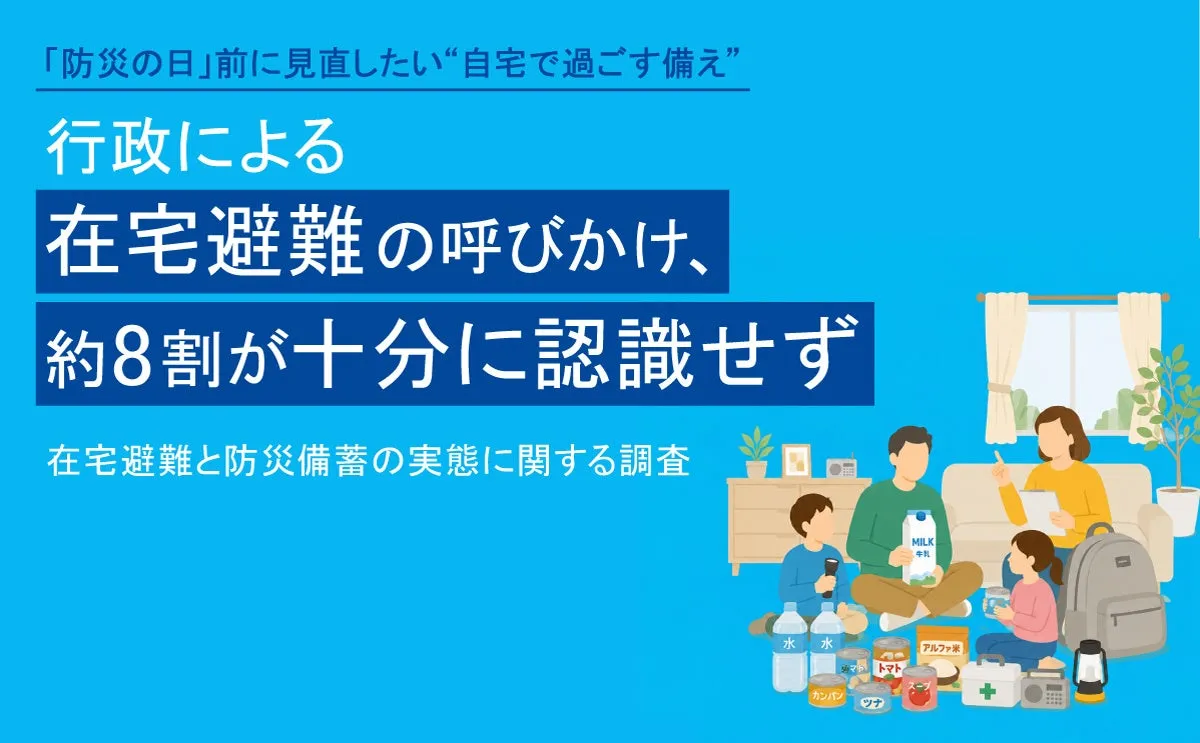
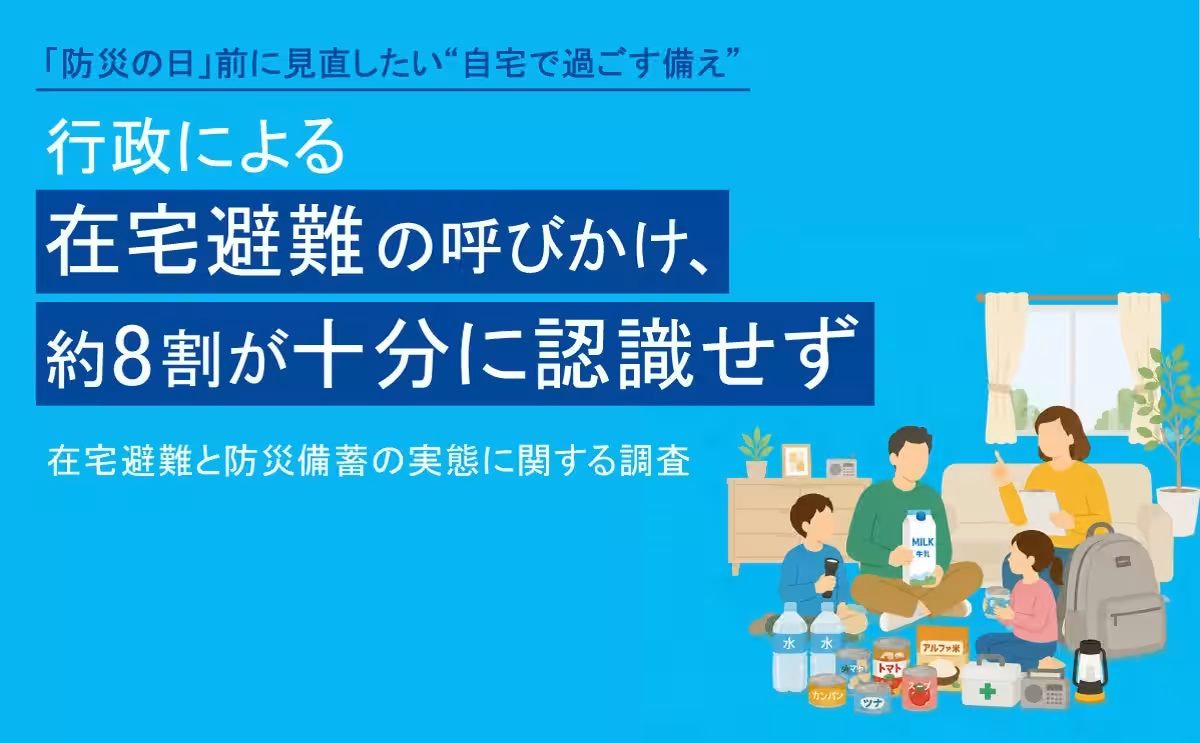
Reassessing Emergency Preparedness at Home Before Disaster Prevention Day
Reassessing Emergency Preparedness at Home Before Disaster Prevention Day
As Japan approaches September 1st, designated as Disaster Prevention Day, the importance of assuring our households are equipped and ready for disasters becomes increasingly crucial. Following the recent Kumamoto earthquake, which took place around one month ago, a reminder of the necessity for preparedness is evident.
Japan consistently faces various natural disasters, including earthquakes, typhoons, and torrential rains. Recently, historical rainfall was recorded in Chiba Prefecture, leading to extensive flooding, power outages, and disruptions to transportation networks. Thus, it is clear that disasters can significantly affect our daily lives regardless of location or season.
In recent years, concerns have arisen over the overwhelming number of individuals who concentrate in evacuation shelters during large-scale disasters, often exceeding the capacity of these facilities. On the other hand, improved housing code regulations have resulted in more earthquake-resistant homes. As a result, in cases where homes remain intact and secure, “staying at home during a disaster” is being recognized as a vital option. This approach not only alleviates congestion in shelters but also ensures that necessary support reaches those who truly require it.
In light of this philosophy, government and local authorities are promoting home-based evacuations and establishing support systems in collaboration with private enterprises to ensure adequate supply of materials and living assistance. They are also encouraging households to maintain sufficient stocks of food and drinks as a proactive disaster measure.
However, there are challenges to effectively accommodating this strategy. Simply stockpiling food and drink is insufficient; individuals must also keep track of expiration dates and maintain these supplies in a usable state. Therefore, a recent survey conducted by Tetra Pak Japan among 1,000 participants aged 20-60 revealed insights into public awareness regarding home-based evacuations and the realities of food storage.
Survey Summary
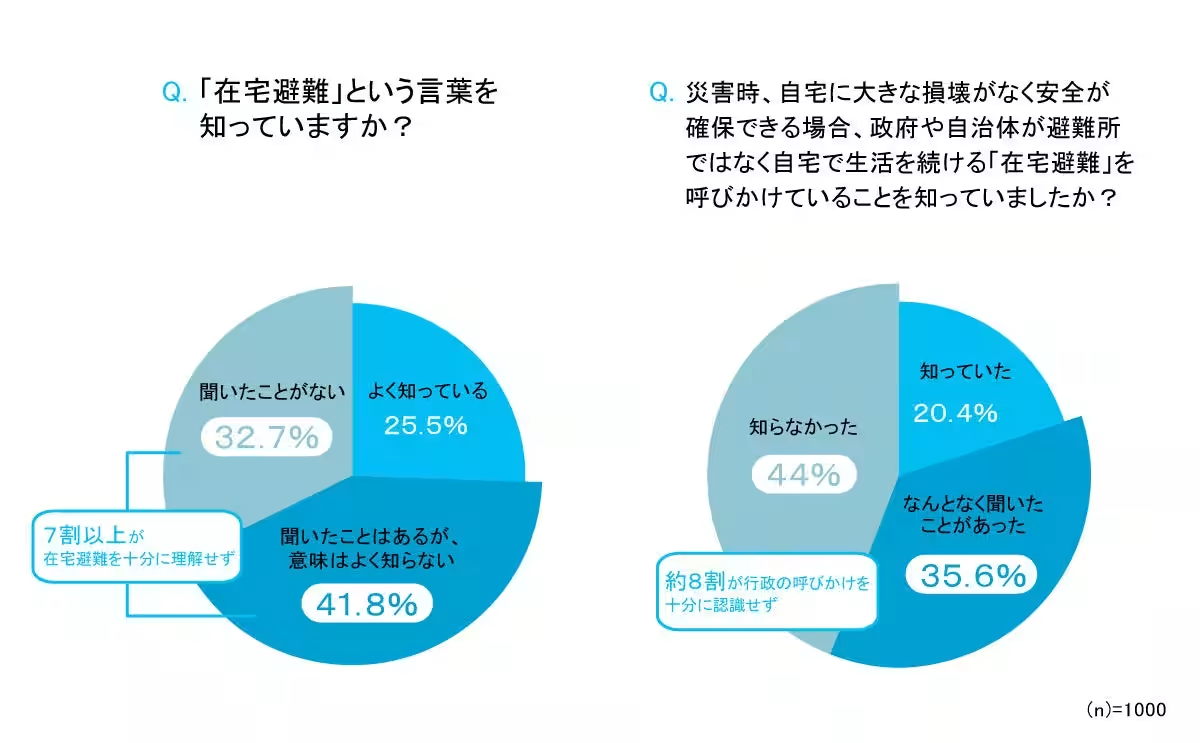
- - Only 25.5% of respondents reported knowing what "home evacuation" entails, and around 79.6% are unaware of the government's calls to action related to this.
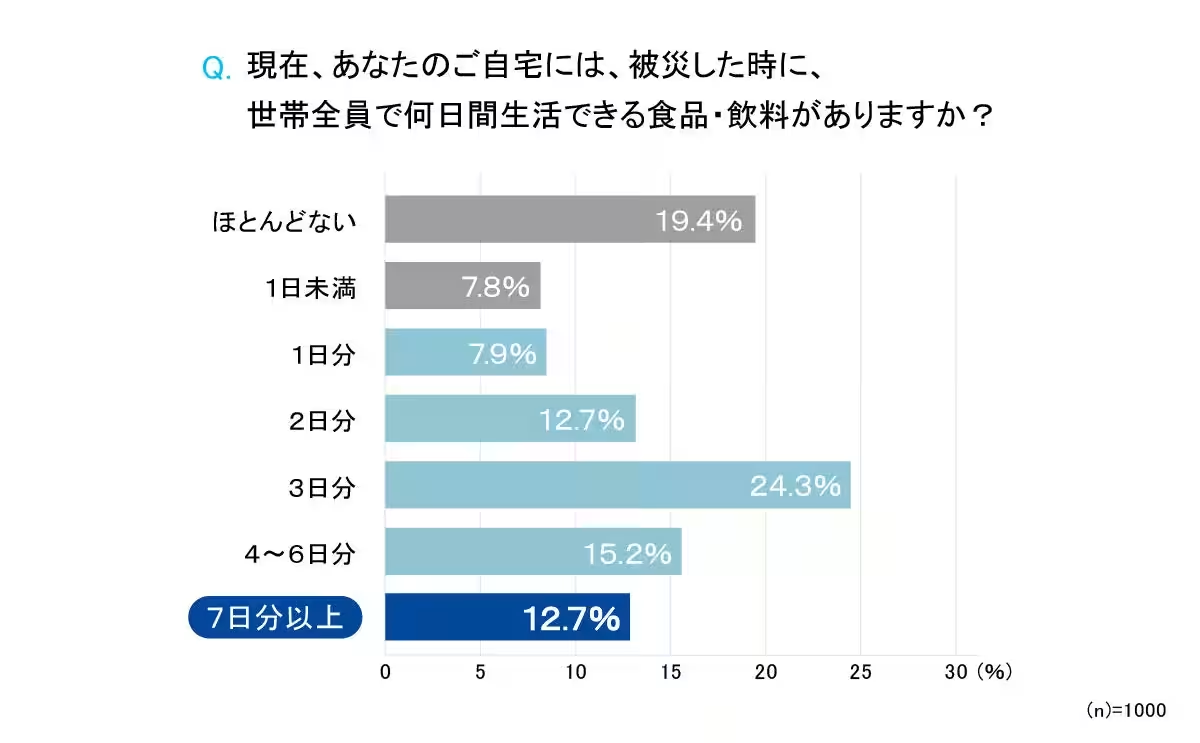
- - Only approximately 12.7% of individuals have the recommended seven days' worth of food and drink stored, with about 72.1% having three days or less.
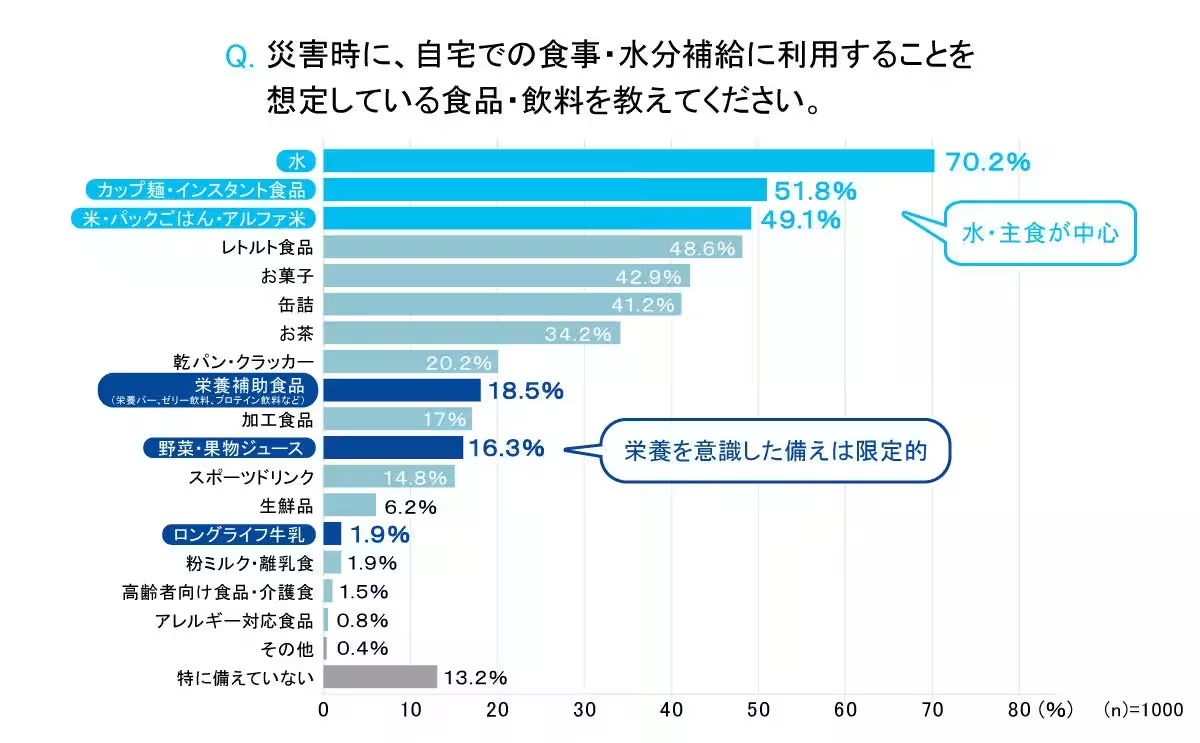
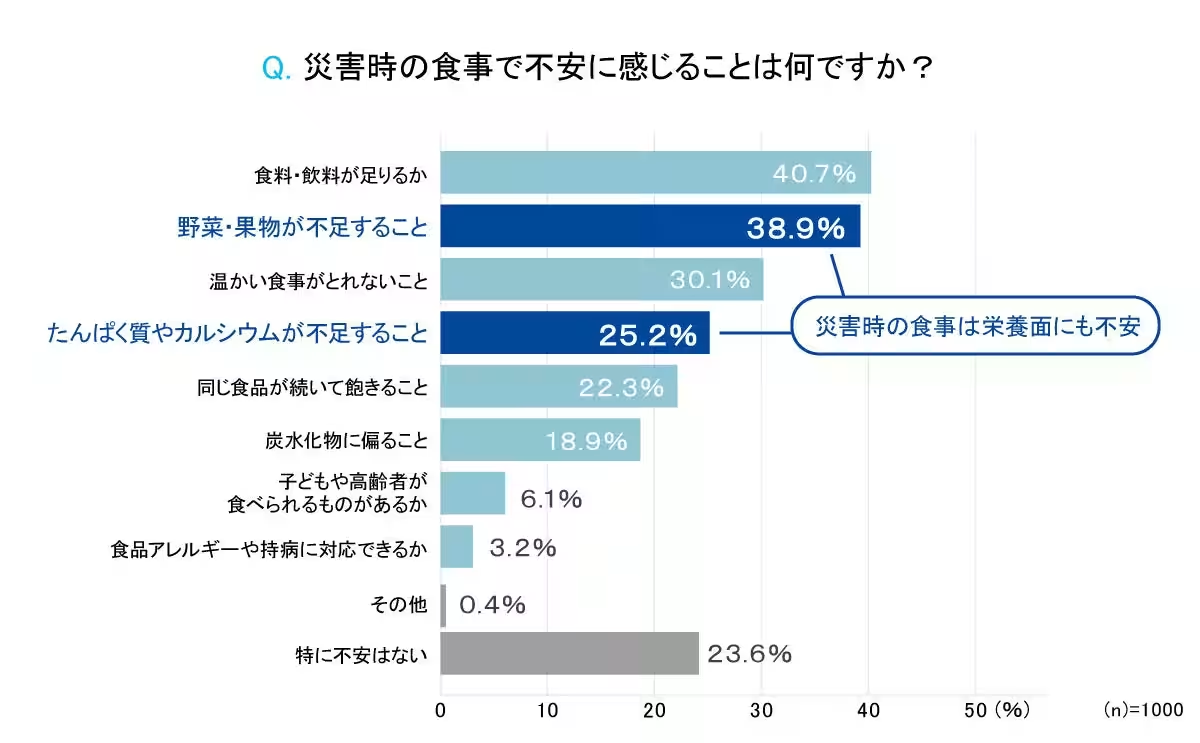
- - Commonly stocked items include "water" and "staple foods," but 25.2% express anxiety about a potential deficiency in protein and calcium.
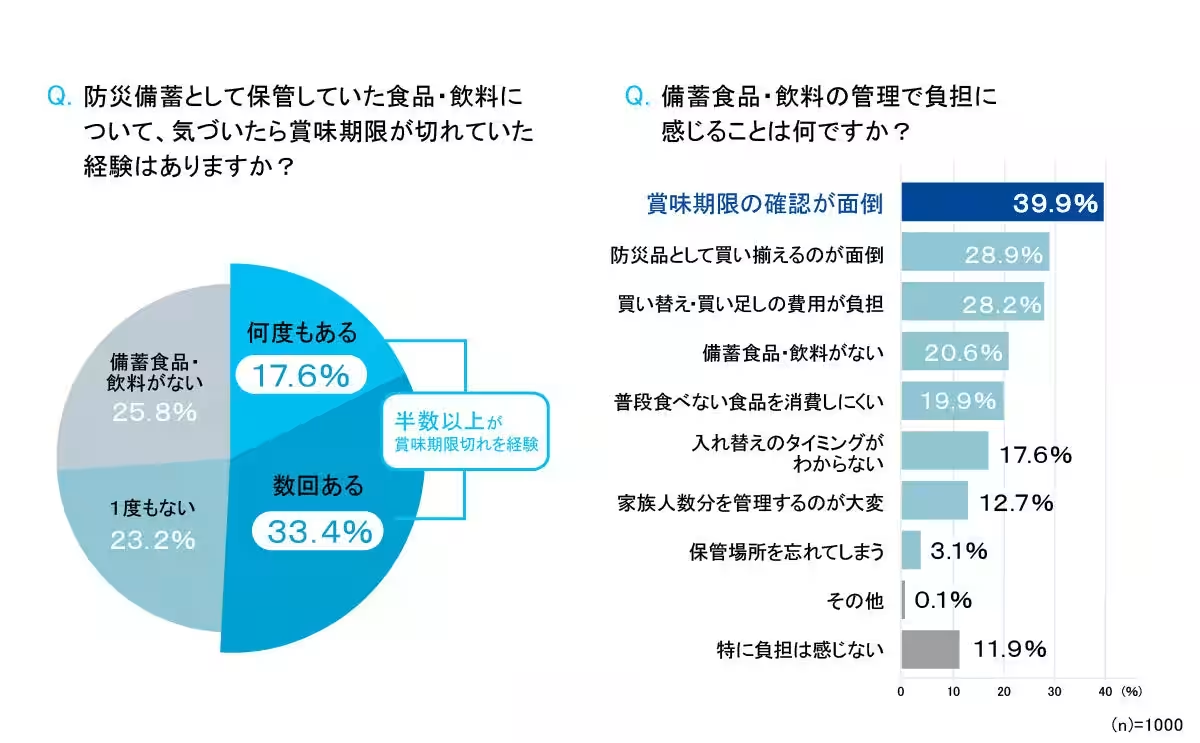
- - Over 51.0% have encountered expired stored food and drink, with a majority (39.9%) indicating that checking expiration dates is a tedious burden.
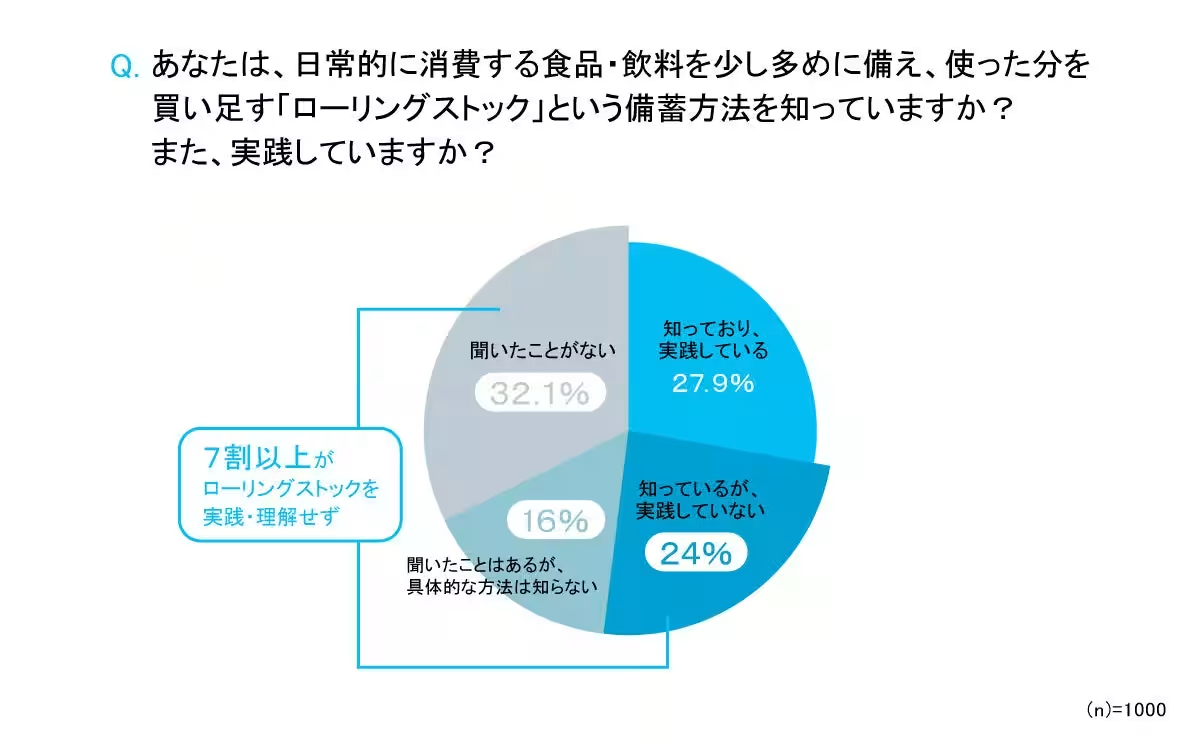
- - Less than 30% regularly practice


Topics Other)






【About Using Articles】
You can freely use the title and article content by linking to the page where the article is posted.
※ Images cannot be used.
【About Links】
Links are free to use.