



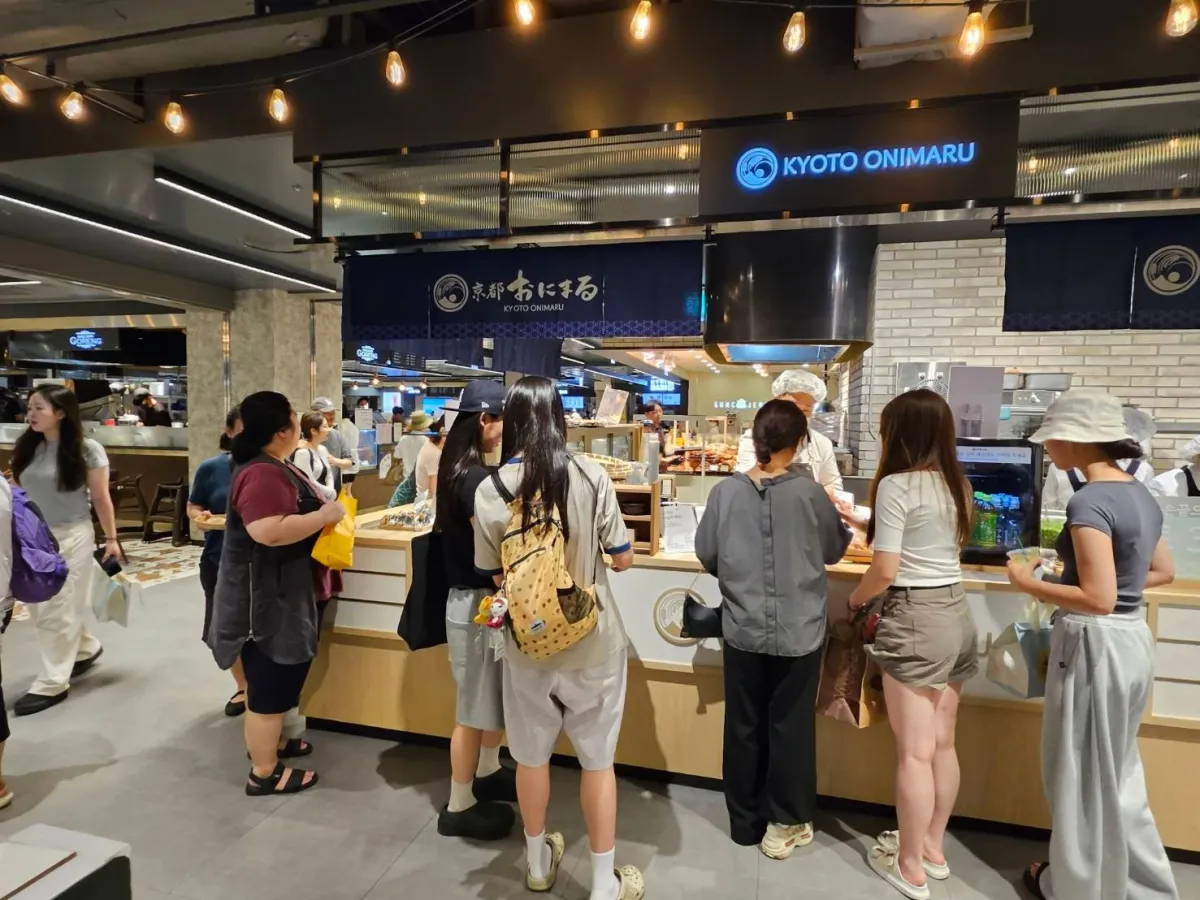
Odimaru Expands to South Korea with 5th Franchise Location in July 2026
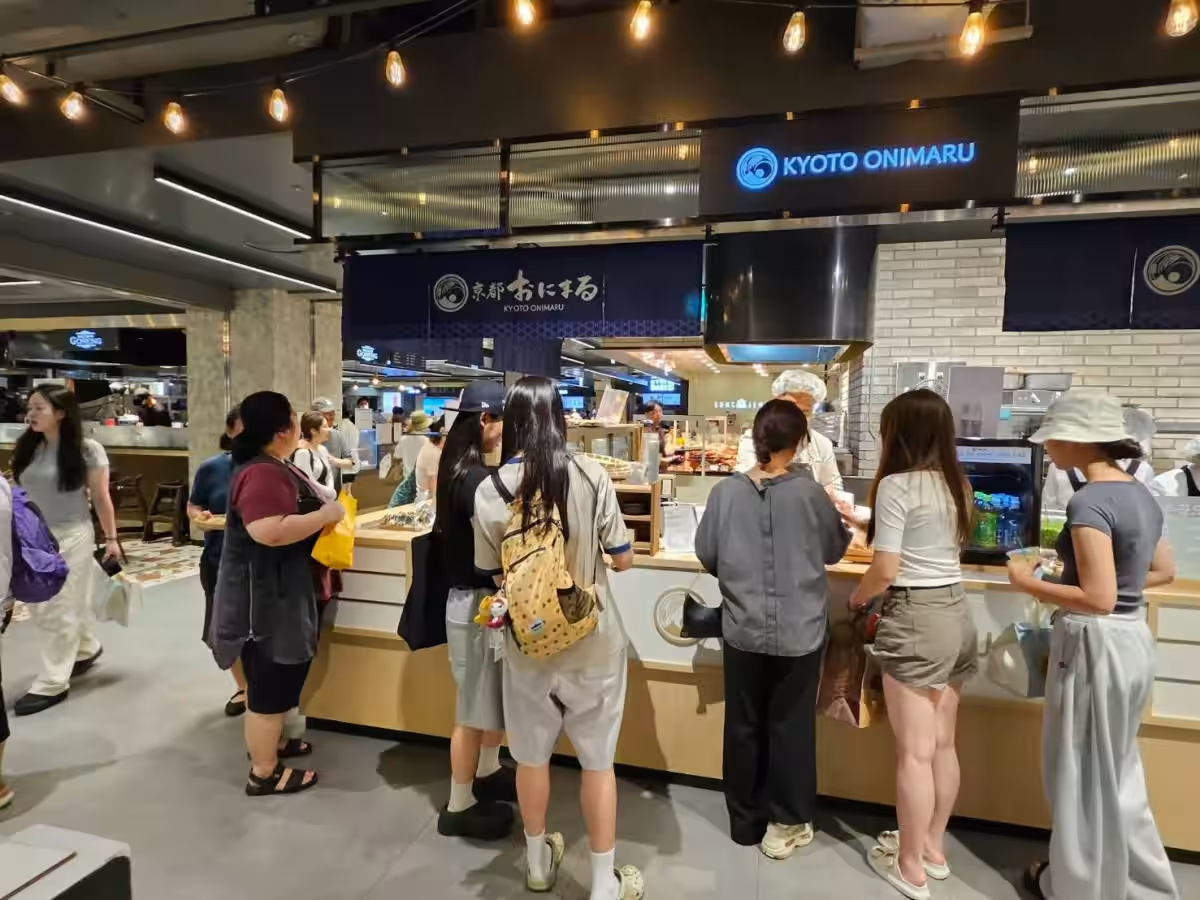
In July 2026, Odimaru, a renowned onigiri (Japanese rice ball) specialty restaurant, opened its fifth location in South Korea at the Shinsegae Department Store in Gwangju. This milestone marks the restaurant's commitment to expanding its footprint internationally, bringing the total number of overseas stores to 24. The journey began in June 2024 with the launch of Odimaru's first international store in Taiwan, and since then, the brand has spread to locations in South Korea, Hong Kong, China, and Singapore. Furthermore, Odimaru is currently working on opening new outlets in the USA and Thailand, with interest coming from seven different countries.
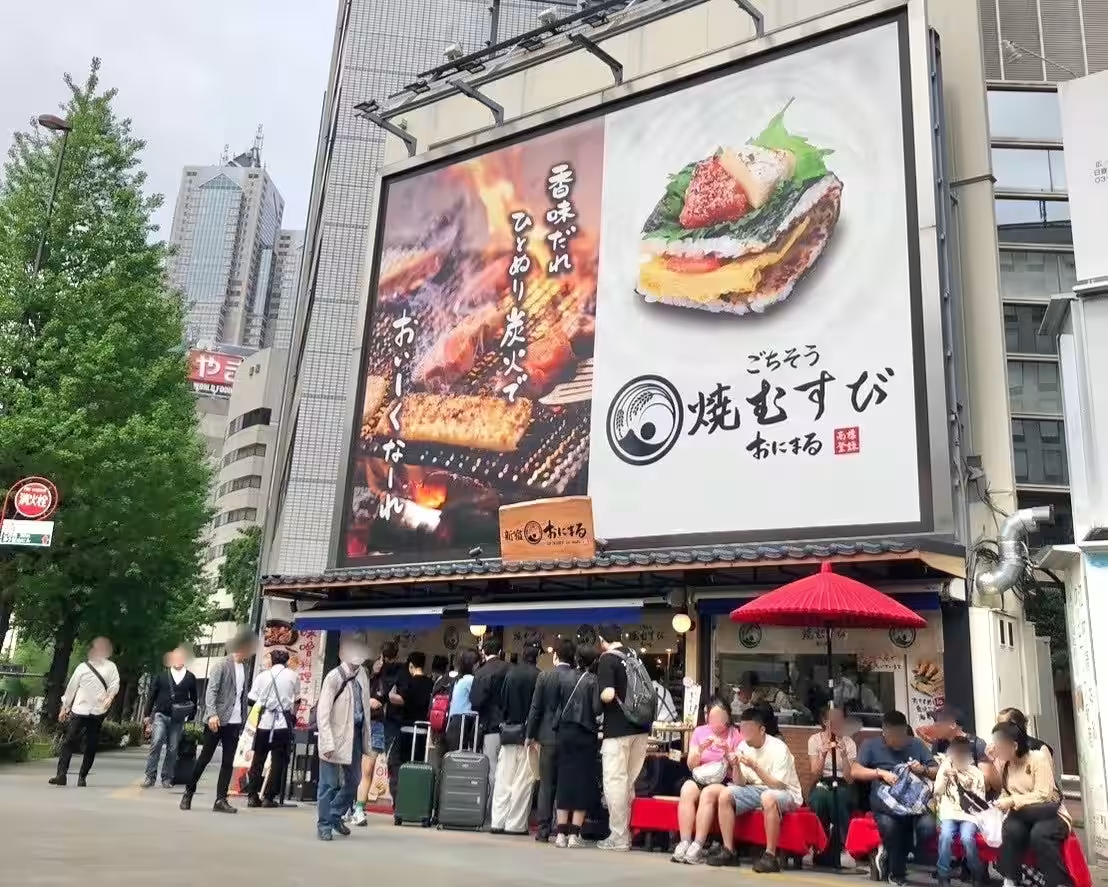
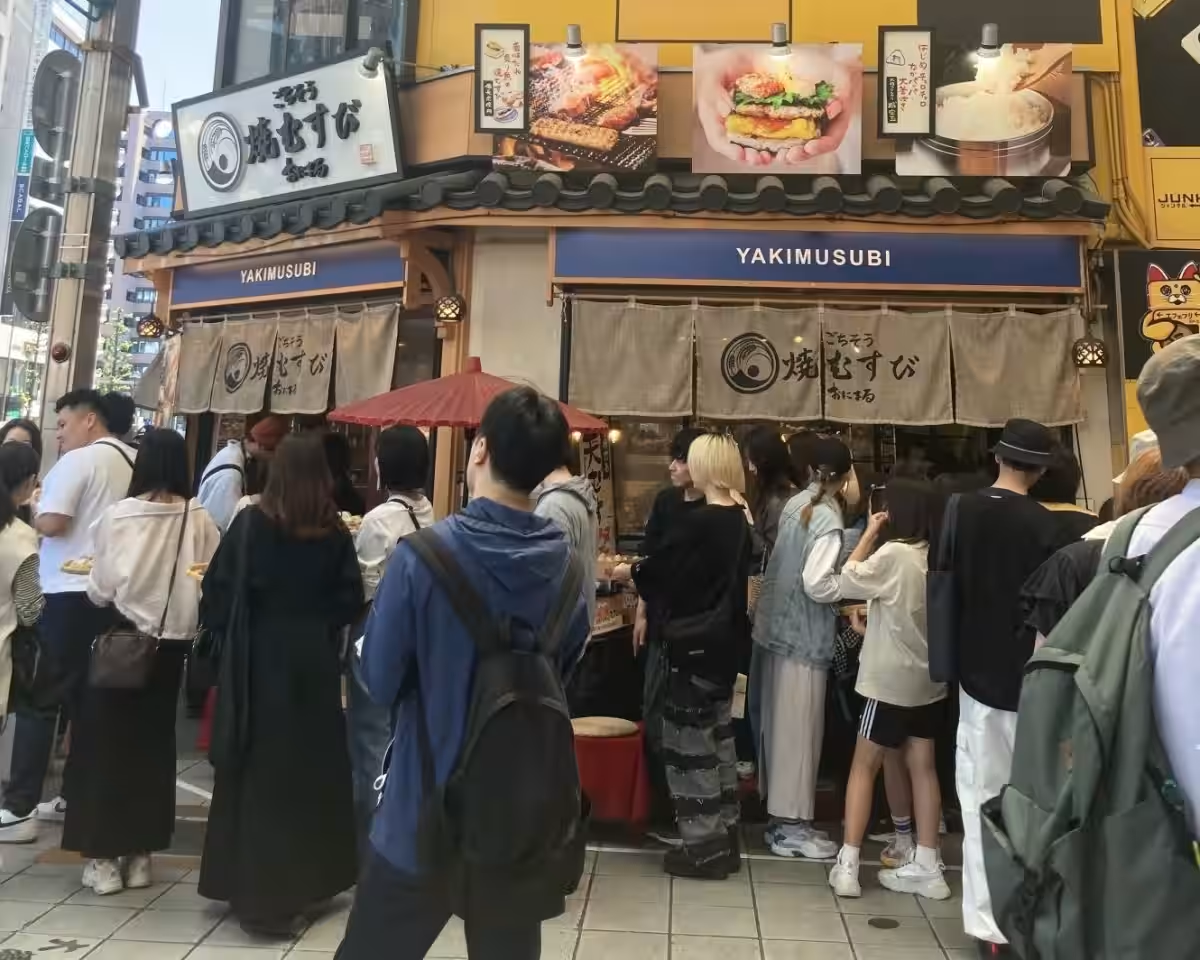
Odimaru has established a unique approach for its overseas expansions. Unlike many international businesses that scout for promising locations, Odimaru responds directly to inquiries from local businesses interested in partnering with the brand. This strategy has proven successful and is rooted in their core product: the 'Gochisou Yakimusubi', a savory rice ball that wraps rice and various fillings in its toasted exterior. The restaurant first opened its doors in Aichi Prefecture, Japan, in June 2022, and has quickly grown to six locations in Tokyo and others in major cities like Kanagawa, Chiba, Osaka, Kyoto, Hyogo, and Hiroshima. By November 2026, the company aims to operate 26 domestic locations while targeting sales of 1.8 billion yen (approximately 16 million USD) for the fiscal year ending March 2027.
Odimaru’s swift international growth can be attributed to the increasing local demand for Japanese cuisine—evident from their rapid expansion to 24 international stores in merely two years. An important aspect of their appeal lies in the high-quality, freshly made onigiri presented in a way that allows customers to experience Japanese food culture actively. This has resonated well with local partners who see the potential for replicating Odimaru's successful model in their regions.
The brand’s overseas growth is not without its challenges. As the number of Japanese restaurants declines globally, the need for onigiri has consistently increased, demonstrating its enduring relevance as a staple food. Odimaru's business model emphasizes sustainability and the use of high-quality Japanese rice, particularly “Koshihikari” from Niigata. They have made a commitment to increasing the proportion of Japanese rice used across their outlets, particularly focusing on markets such as Taiwan, Hong Kong, Singapore, and the USA, which the Japanese government has identified as targets for rice export expansion.
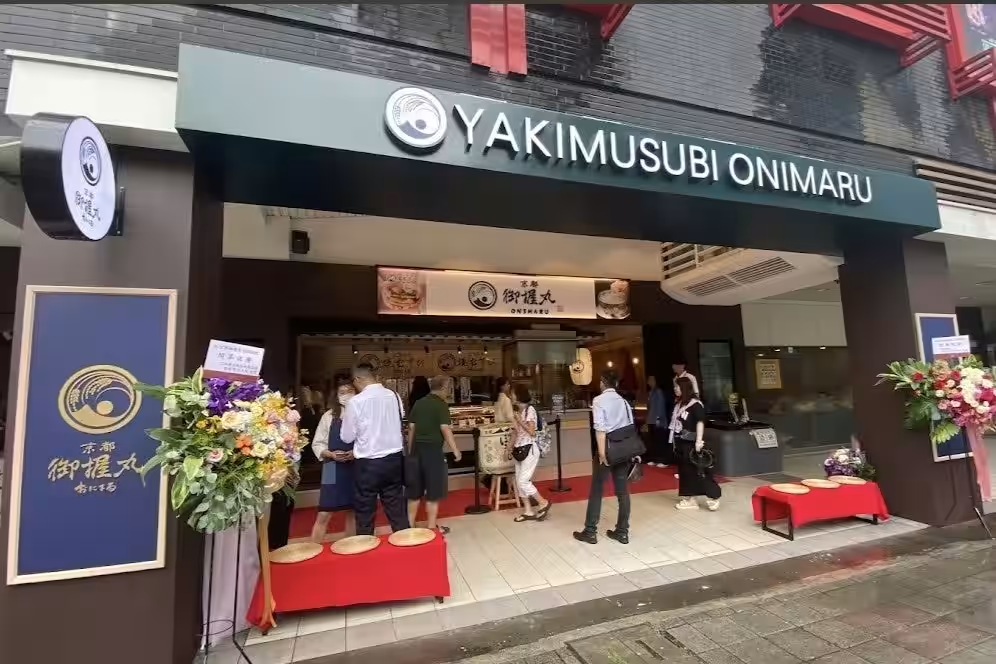
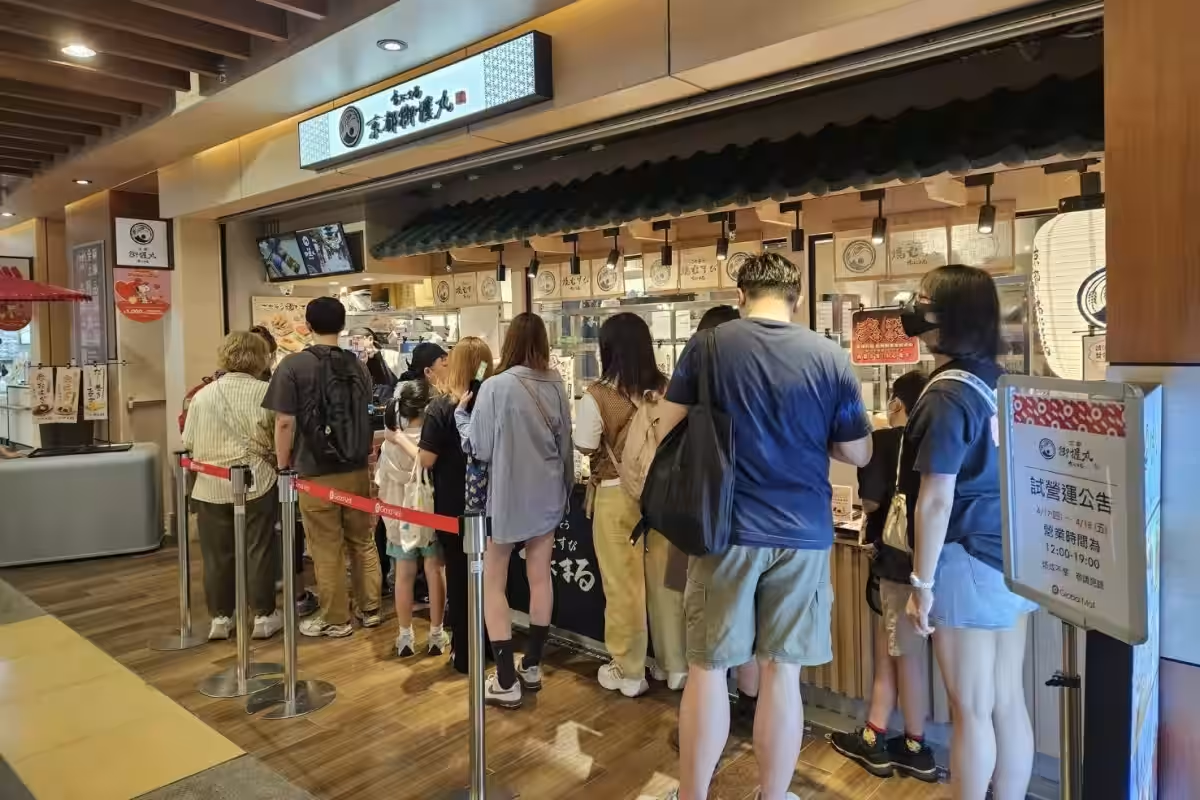
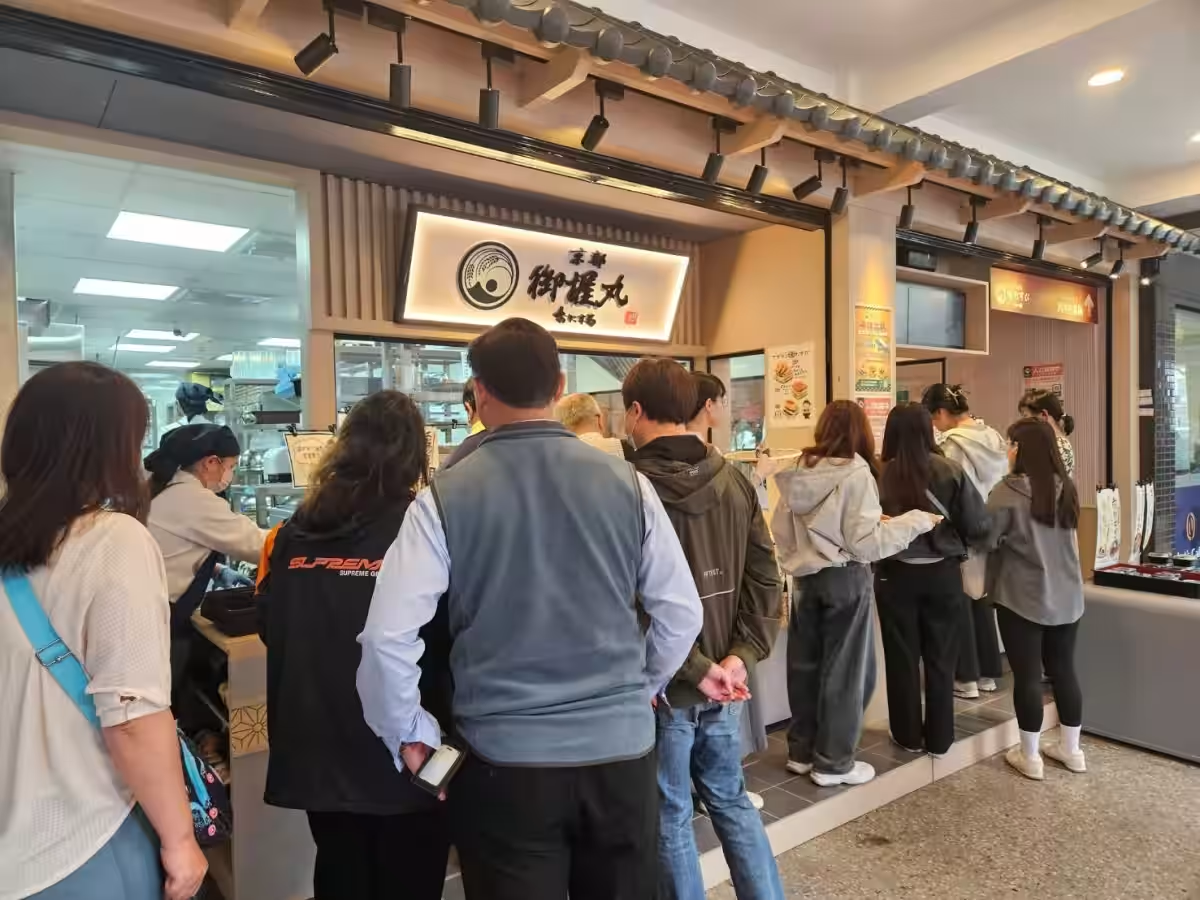
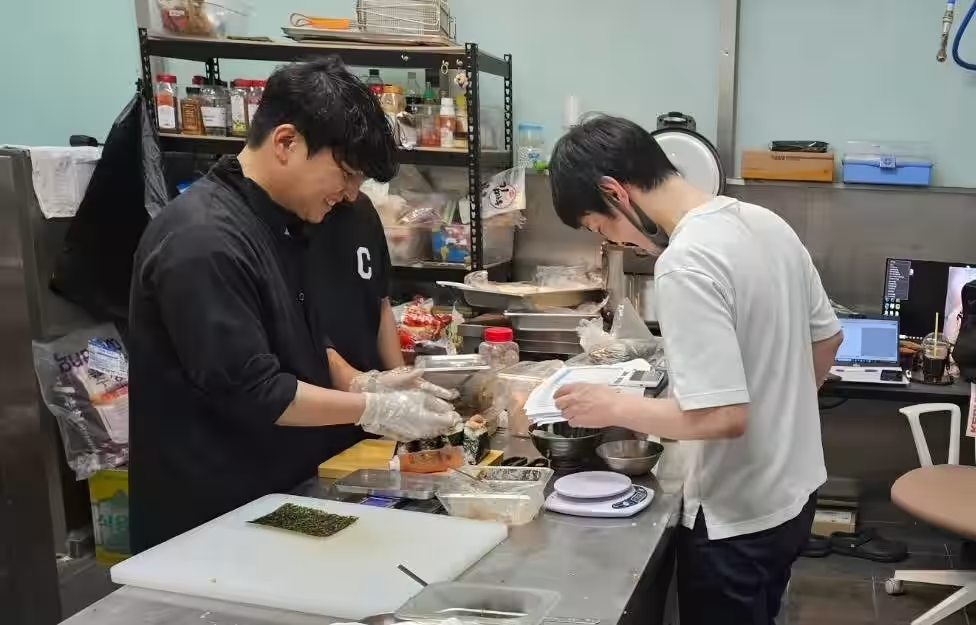
In Taiwan, Odimaru currently operates 13 locations, with plans to increase to 15 by the end of 2026. They will introduce a central kitchen which will facilitate smoother operations and allow for more significant expansion. The local market has shown a preference for Odimaru’s approach, as it connects Japanese culture with daily meals rather than serving merely as a unique dining experience.
Simultaneously, Odimaru opened its 5th store in South Korea amidst a growing market for Japanese cuisine, which has added about 1,590 Japanese restaurants since the latest survey. Odimaru's initial sales figures in South Korea were promising, with the Gwangju store generating approximately 640,000 yen on its first day of operation. Furthermore, the rapid growth of subsequent openings, which saw sales at initial locations surge to triple that of their counterpart stores, illustrates the robust demand for Odimaru's offerings.
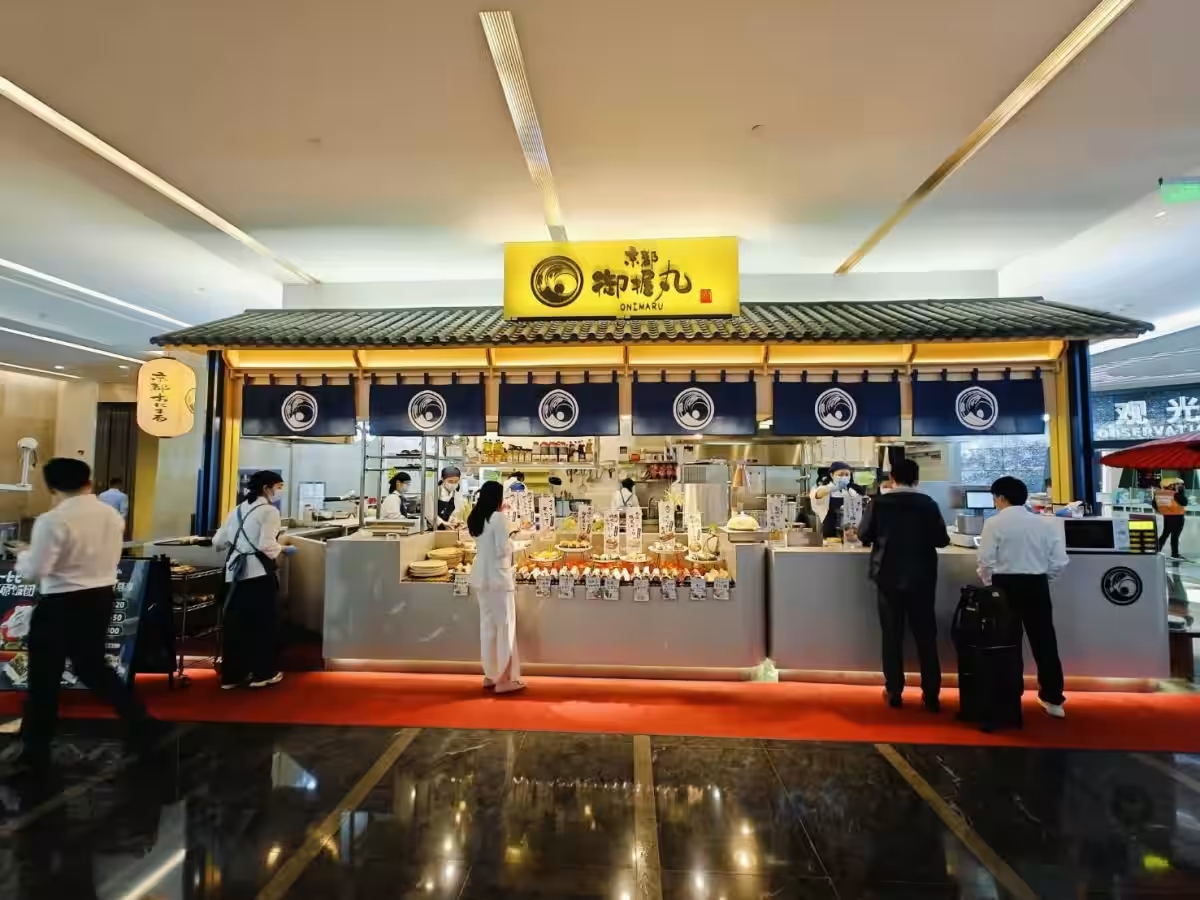
Hong Kong serves as an innovative market where Odimaru is setting up pop-up shops in commercial areas and planning to install rice ball vending machines for schools, hospitals, and businesses. This approach aims to further penetrate locations with limitations on traditional restaurant setups, thus diversifying their sales channels. Similar inquiries have been received from Singapore and the USA, highlighting a future growth avenue that surpasses mere storefront numbers.
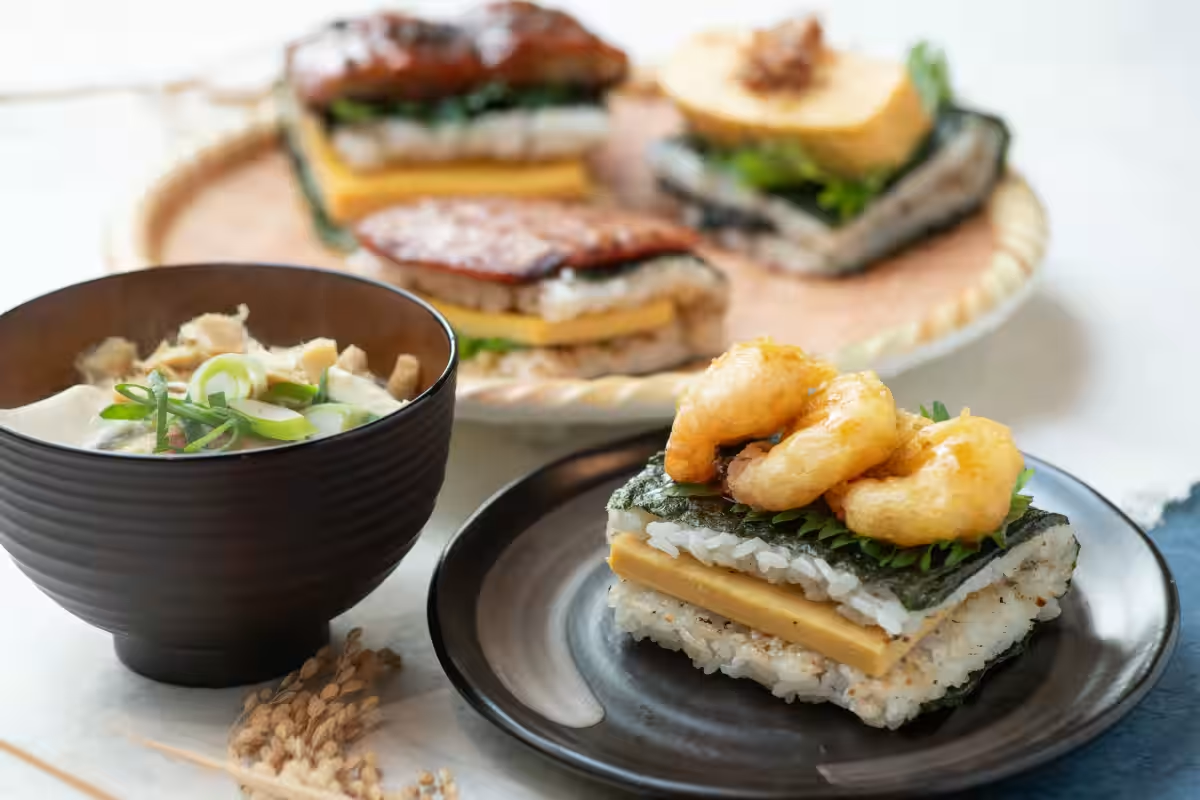
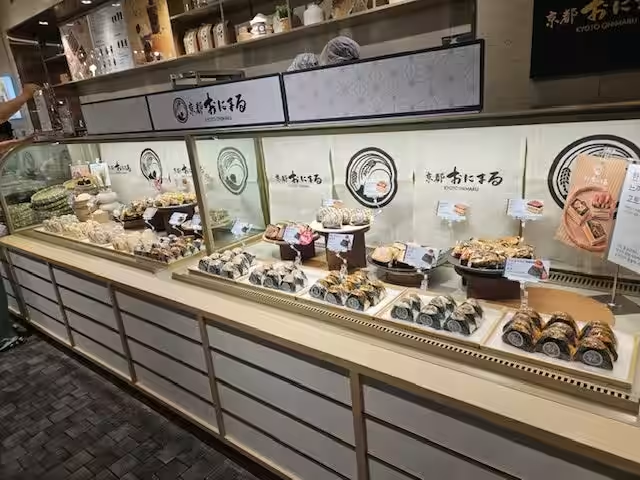
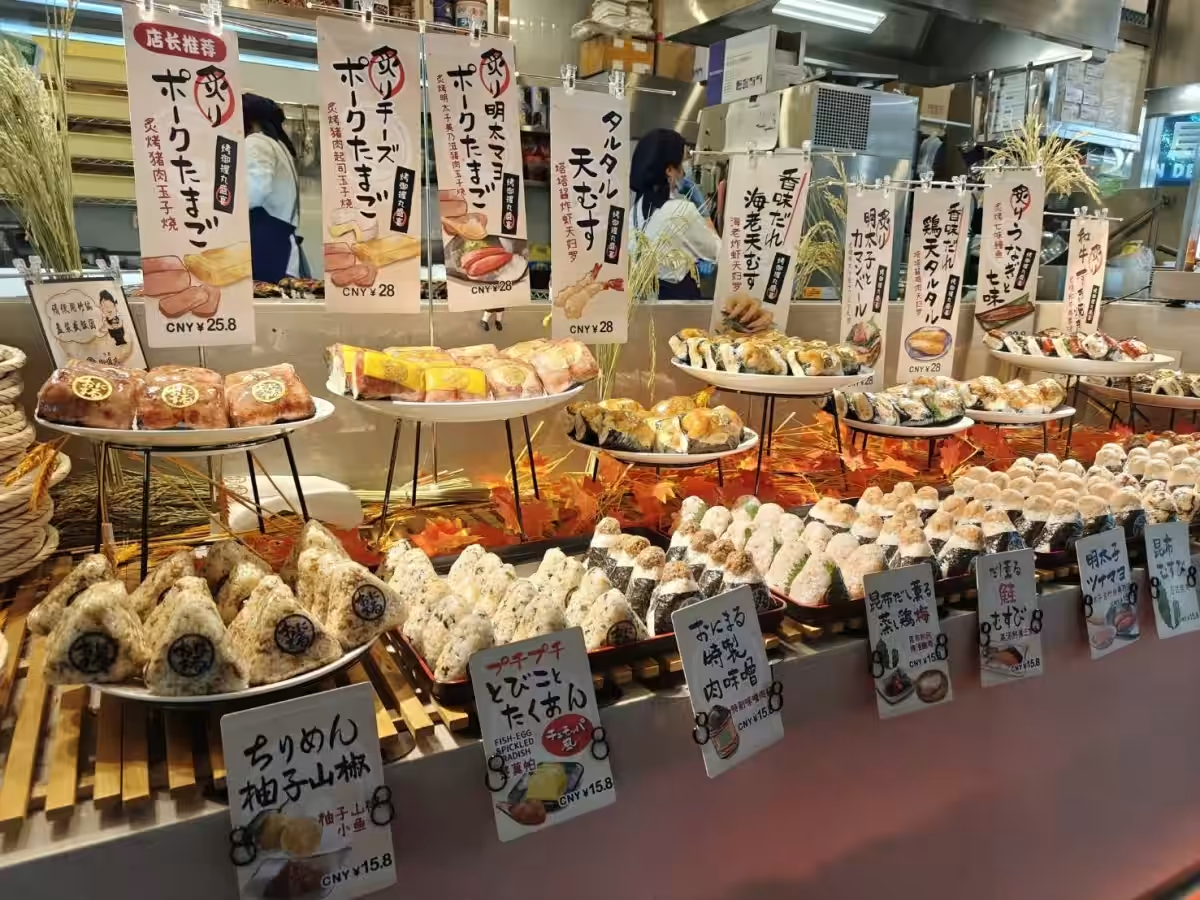
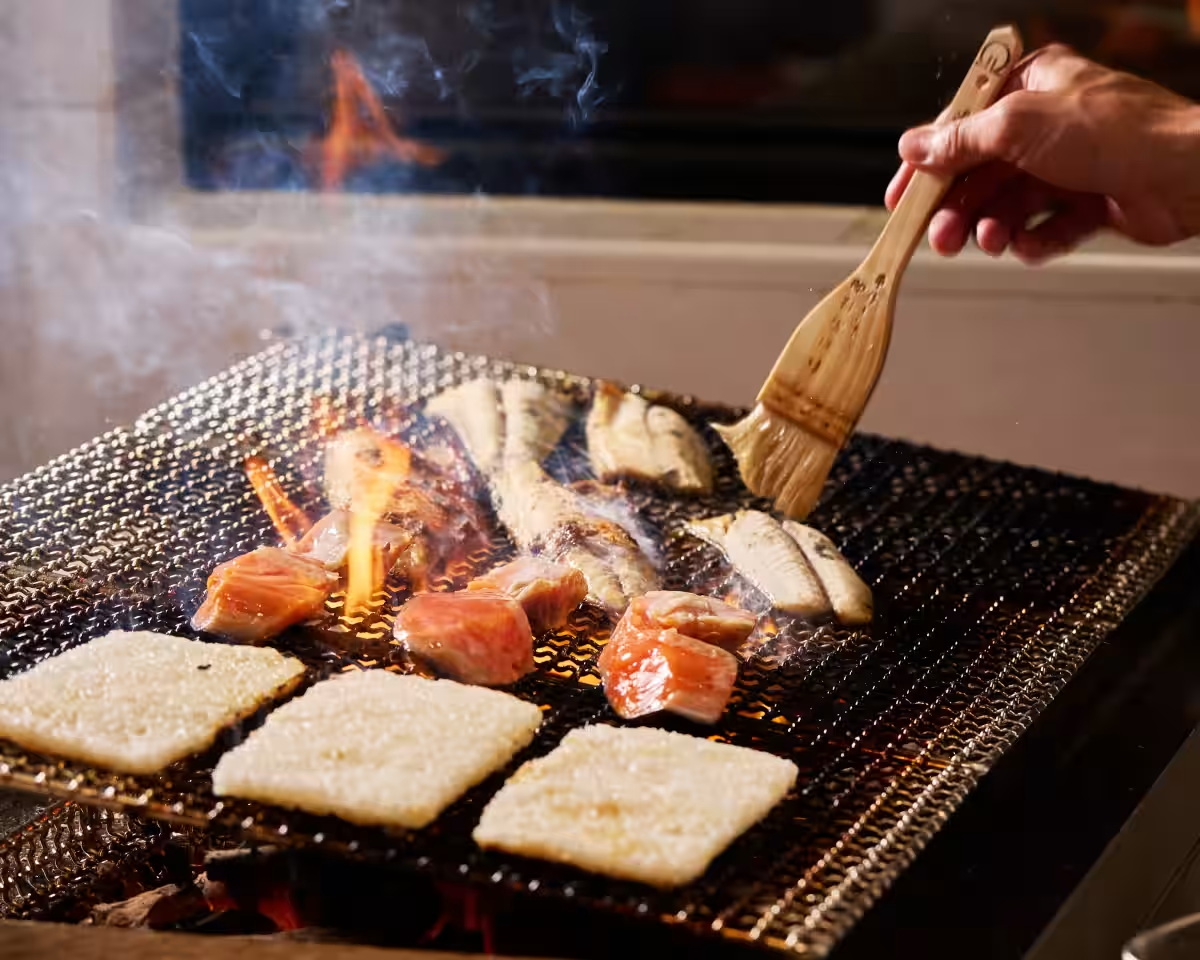
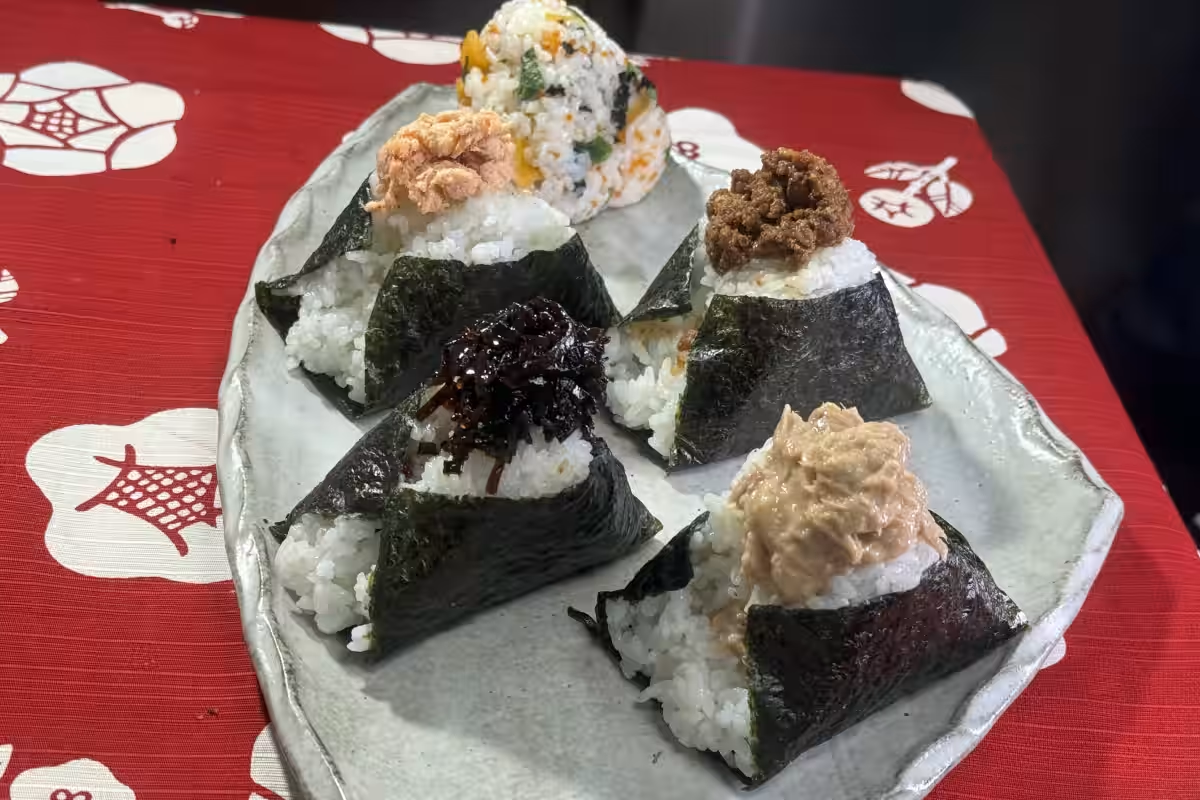
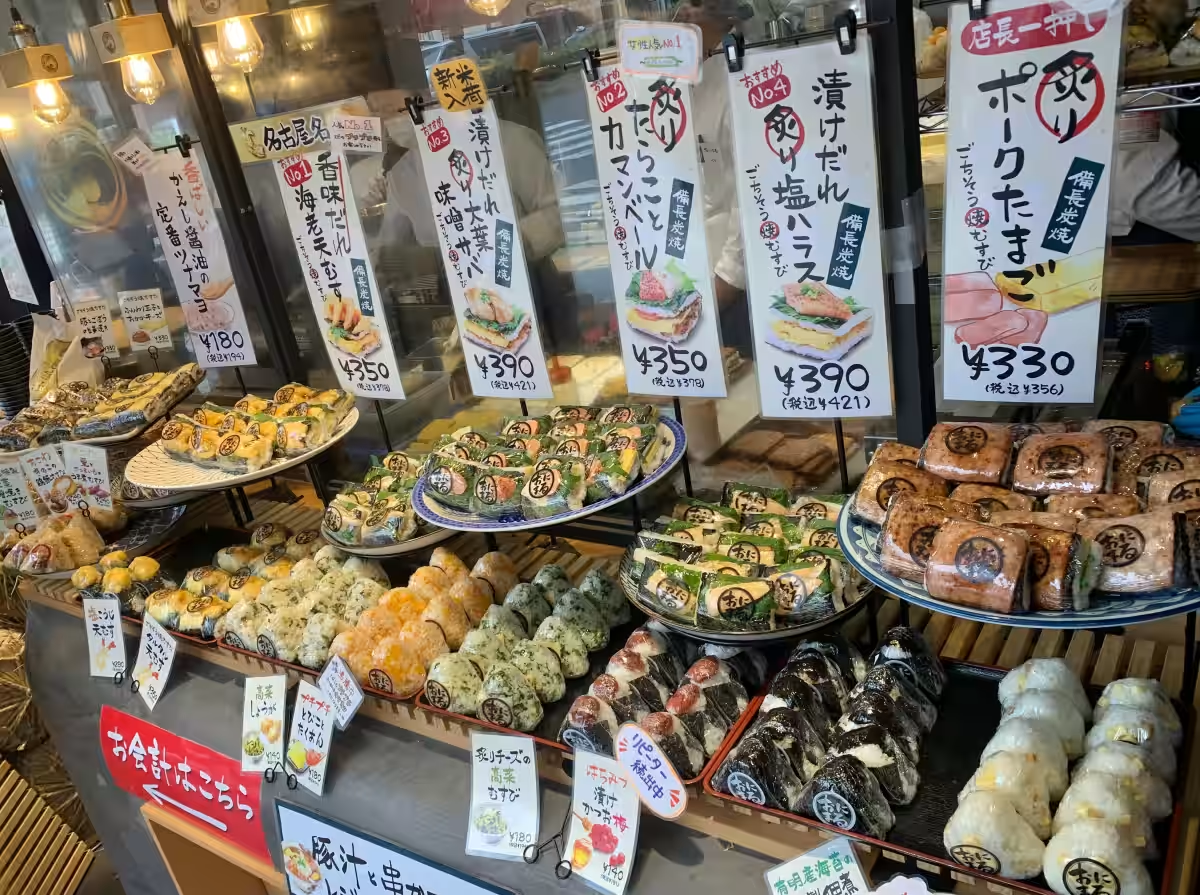
Odimaru's core philosophy centers around their signature dish, the ‘Gochisou Yakimusubi’, prepared with large grains of rice and the visual appeal of live cooking. Their menu includes around 20 different variations, maintaining a balance between signature items and local adaptations based on regional preferences. As sales data from Taiwan indicates, items such as the 'Shiozake Musubi' and 'Ebi Tempura Musubi' have been particularly well-received.
Reflecting on the future, Odimaru plans to utilize a combination of small booths alongside central kitchens to optimize their offerings in Singapore while preparing showcase-style store formats in the USA. Ongoing discussions with partners in Thailand and China aim to enhance their international presence even further.
Marino Co., Ltd., Odimaru’s parent company, established in 1981, aims to continue its mission of globalizing the onigiri experience while supporting the local economies of its international locations by using Japanese agricultural products. The company's strategy reflects a commitment to cultural exchange through cuisine, ensuring that aspects of Japanese culinary traditions continue to be shared and appreciated around the world.




Odimaru has established a unique approach for its overseas expansions. Unlike many international businesses that scout for promising locations, Odimaru responds directly to inquiries from local businesses interested in partnering with the brand. This strategy has proven successful and is rooted in their core product: the 'Gochisou Yakimusubi', a savory rice ball that wraps rice and various fillings in its toasted exterior. The restaurant first opened its doors in Aichi Prefecture, Japan, in June 2022, and has quickly grown to six locations in Tokyo and others in major cities like Kanagawa, Chiba, Osaka, Kyoto, Hyogo, and Hiroshima. By November 2026, the company aims to operate 26 domestic locations while targeting sales of 1.8 billion yen (approximately 16 million USD) for the fiscal year ending March 2027.
Odimaru’s swift international growth can be attributed to the increasing local demand for Japanese cuisine—evident from their rapid expansion to 24 international stores in merely two years. An important aspect of their appeal lies in the high-quality, freshly made onigiri presented in a way that allows customers to experience Japanese food culture actively. This has resonated well with local partners who see the potential for replicating Odimaru's successful model in their regions.
The brand’s overseas growth is not without its challenges. As the number of Japanese restaurants declines globally, the need for onigiri has consistently increased, demonstrating its enduring relevance as a staple food. Odimaru's business model emphasizes sustainability and the use of high-quality Japanese rice, particularly “Koshihikari” from Niigata. They have made a commitment to increasing the proportion of Japanese rice used across their outlets, particularly focusing on markets such as Taiwan, Hong Kong, Singapore, and the USA, which the Japanese government has identified as targets for rice export expansion.
In Taiwan, Odimaru currently operates 13 locations, with plans to increase to 15 by the end of 2026. They will introduce a central kitchen which will facilitate smoother operations and allow for more significant expansion. The local market has shown a preference for Odimaru’s approach, as it connects Japanese culture with daily meals rather than serving merely as a unique dining experience.
Simultaneously, Odimaru opened its 5th store in South Korea amidst a growing market for Japanese cuisine, which has added about 1,590 Japanese restaurants since the latest survey. Odimaru's initial sales figures in South Korea were promising, with the Gwangju store generating approximately 640,000 yen on its first day of operation. Furthermore, the rapid growth of subsequent openings, which saw sales at initial locations surge to triple that of their counterpart stores, illustrates the robust demand for Odimaru's offerings.
Hong Kong serves as an innovative market where Odimaru is setting up pop-up shops in commercial areas and planning to install rice ball vending machines for schools, hospitals, and businesses. This approach aims to further penetrate locations with limitations on traditional restaurant setups, thus diversifying their sales channels. Similar inquiries have been received from Singapore and the USA, highlighting a future growth avenue that surpasses mere storefront numbers.
Odimaru's core philosophy centers around their signature dish, the ‘Gochisou Yakimusubi’, prepared with large grains of rice and the visual appeal of live cooking. Their menu includes around 20 different variations, maintaining a balance between signature items and local adaptations based on regional preferences. As sales data from Taiwan indicates, items such as the 'Shiozake Musubi' and 'Ebi Tempura Musubi' have been particularly well-received.
Reflecting on the future, Odimaru plans to utilize a combination of small booths alongside central kitchens to optimize their offerings in Singapore while preparing showcase-style store formats in the USA. Ongoing discussions with partners in Thailand and China aim to enhance their international presence even further.
Marino Co., Ltd., Odimaru’s parent company, established in 1981, aims to continue its mission of globalizing the onigiri experience while supporting the local economies of its international locations by using Japanese agricultural products. The company's strategy reflects a commitment to cultural exchange through cuisine, ensuring that aspects of Japanese culinary traditions continue to be shared and appreciated around the world.
Topics Consumer Products & Retail)
【About Using Articles】
You can freely use the title and article content by linking to the page where the article is posted.
※ Images cannot be used.
【About Links】
Links are free to use.