



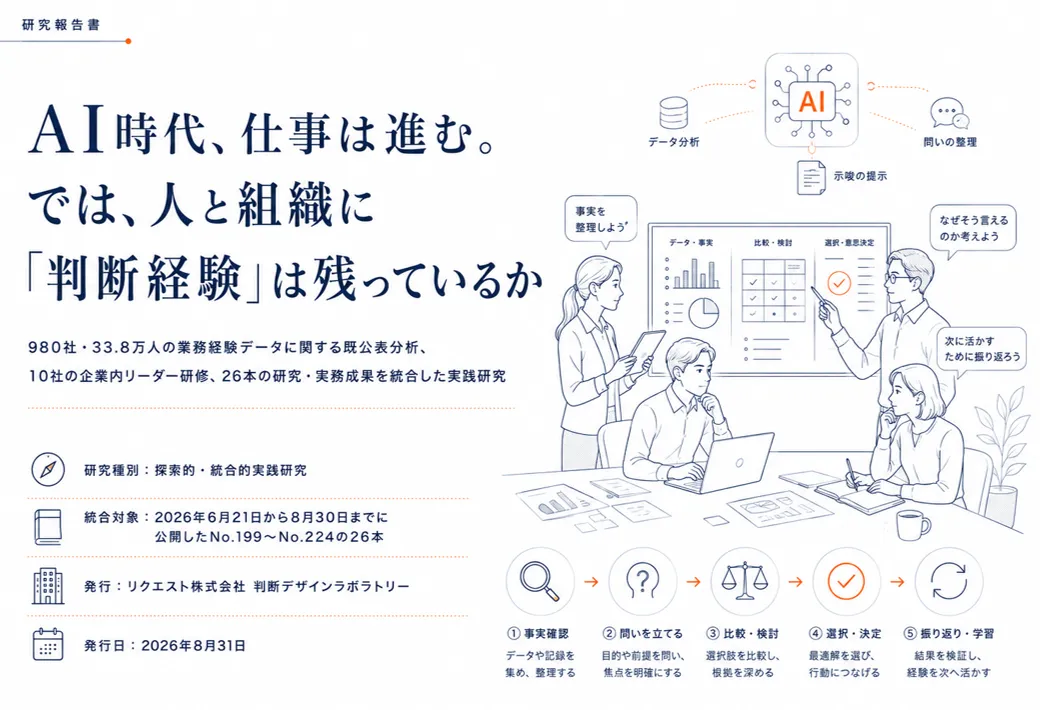
AI Era: How Judgement Experience Shapes Work and Organizations
Understanding the Impact of AI on Work and Judgement Experience
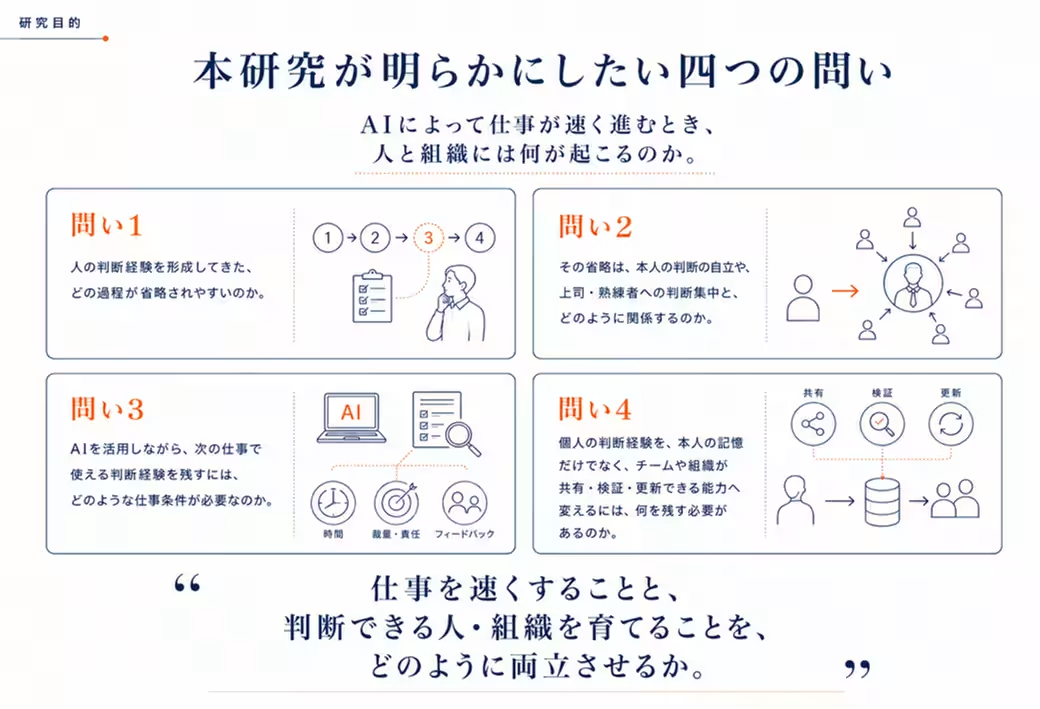
In today's fast-paced work environment, the introduction of AI has significantly accelerated task completion, transforming how work is conducted. However, a crucial concern arises: as we increasingly rely on AI for efficiency, are we losing the valuable judgement experience that individuals and organizations need?
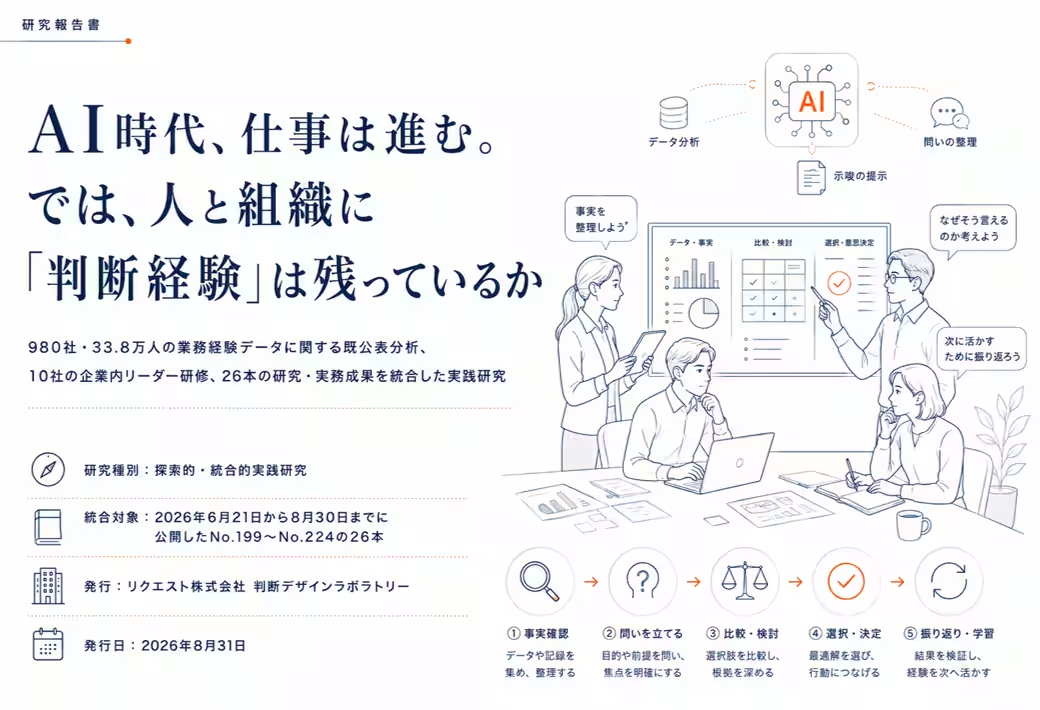
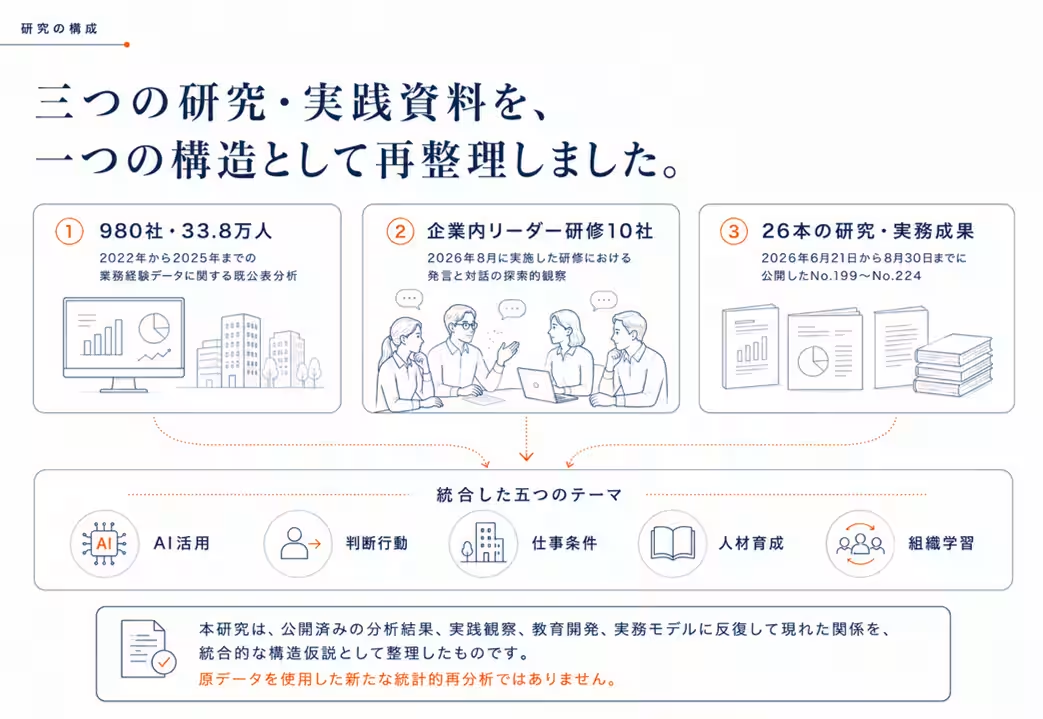
Request Inc., based in Shinjuku, Tokyo, has conducted an extensive study, incorporating data from 980 companies and over 338,000 employees, to analyze the relationship between AI utilization and judgement behavior. The findings, which will be presented in an 18-page research report, highlight the need to distill the essence of judgement experience amidst technological advancements.
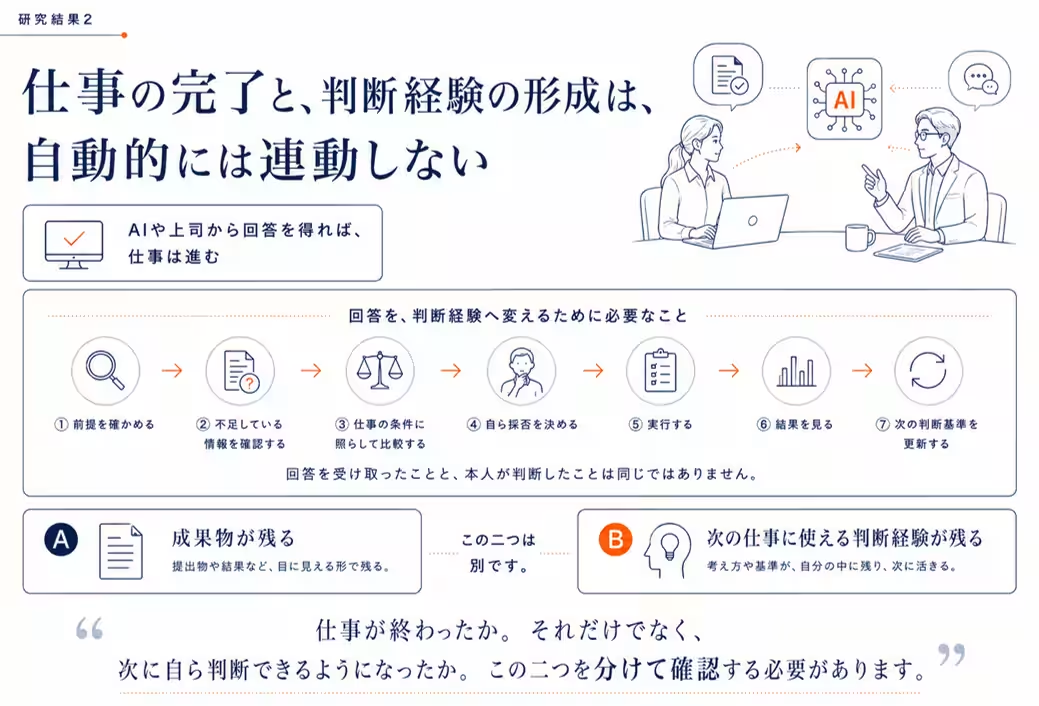
Separating Task Completion from Judgement Experience
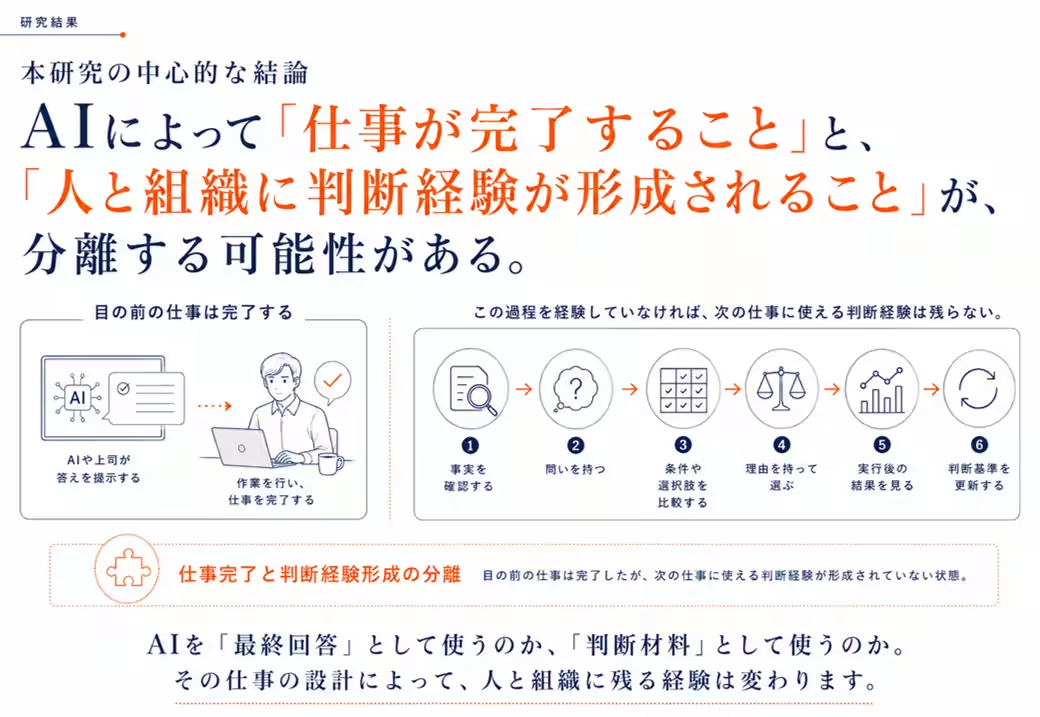
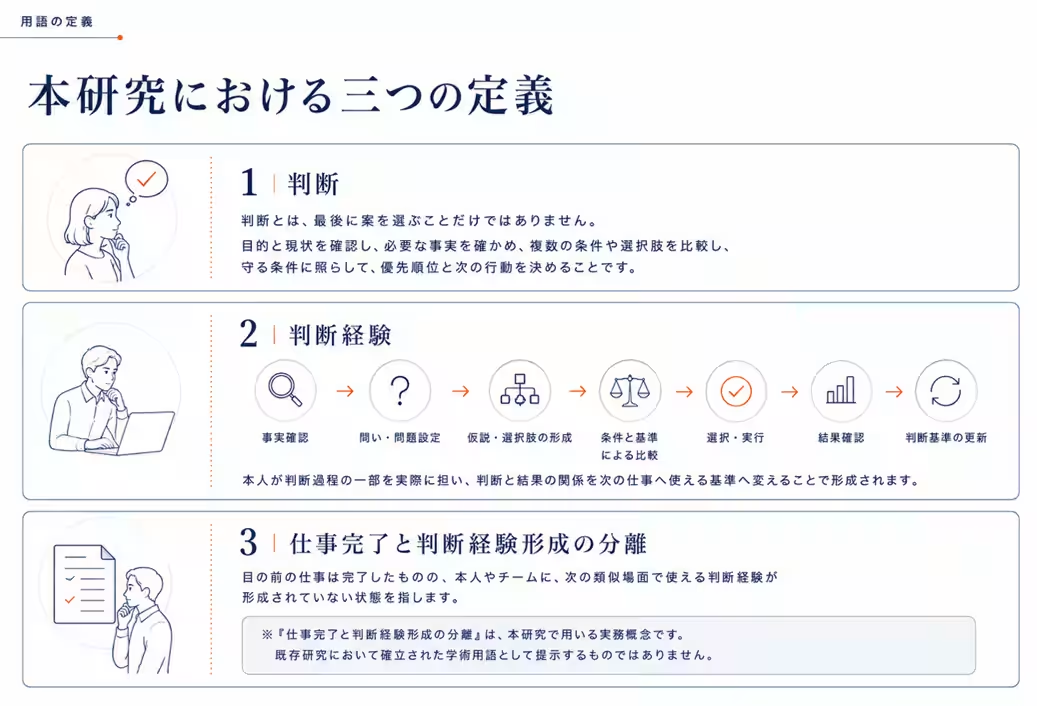
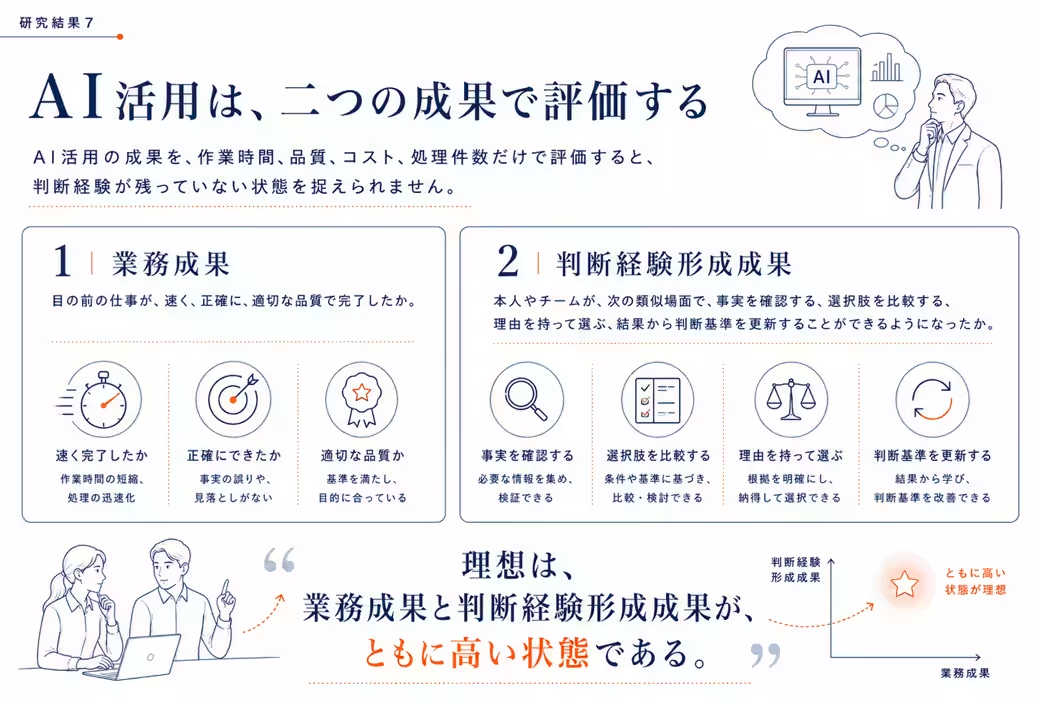
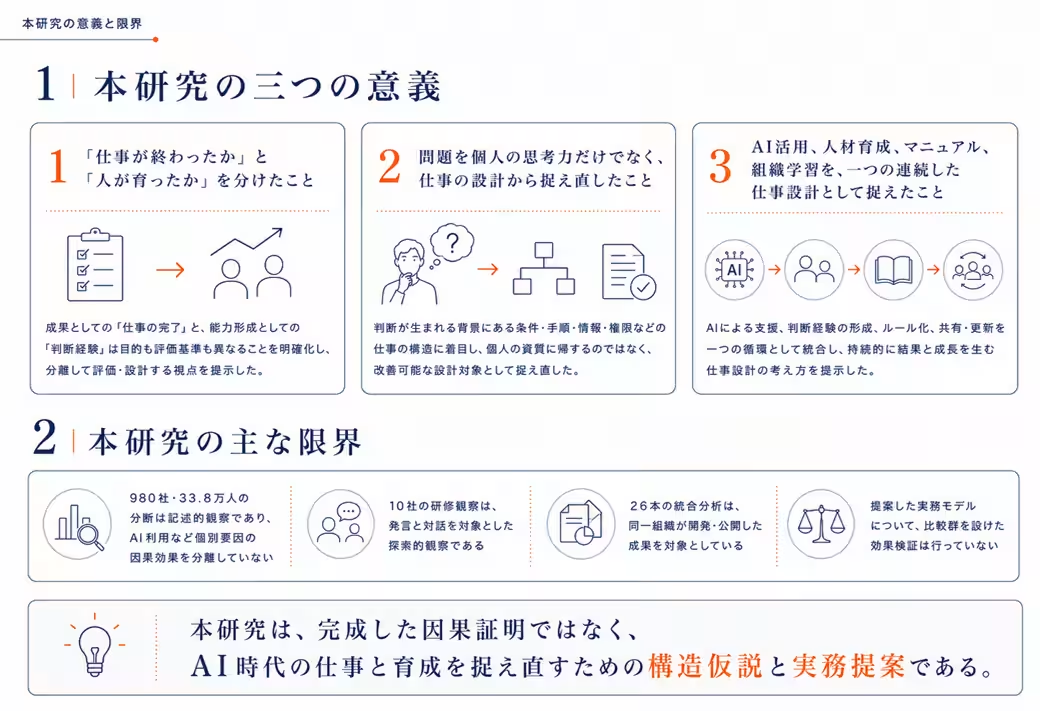
One of the key insights from this research is the distinction between task completion and the formation of judgement experience. While we can measure the success of a task based on output quality or efficiency, the ability of individuals to make informed decisions based on past experiences is not so easily quantified. It is entirely possible to successfully complete a job without the individual gaining the necessary skills and insights required for future similar situations.
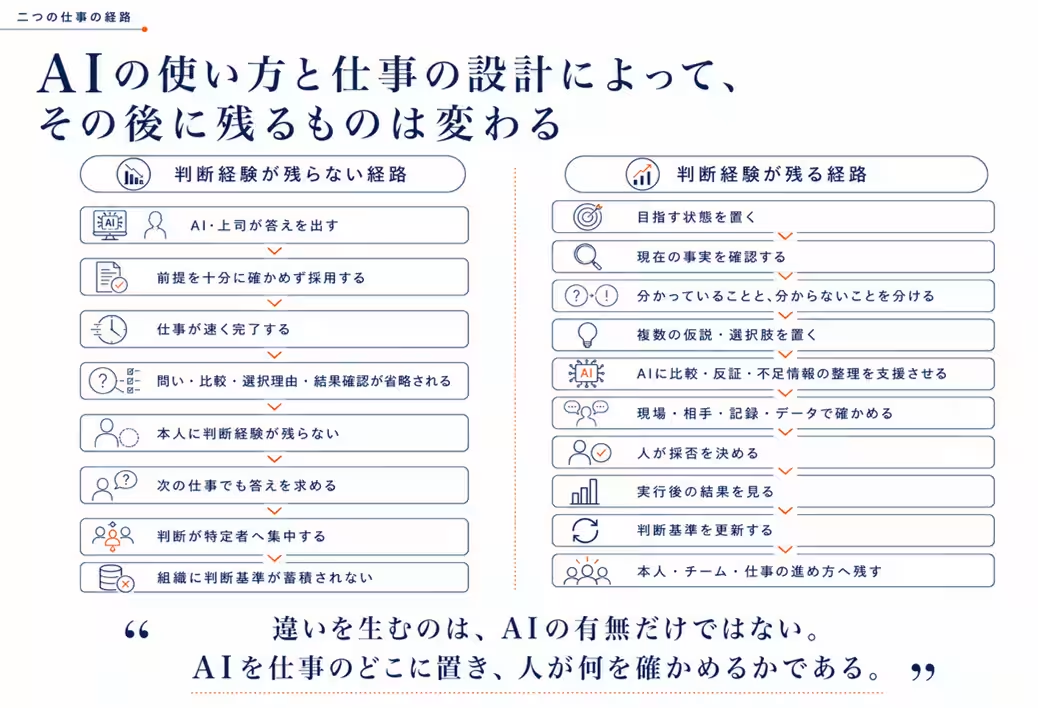
Consider the potential implications: if employees rely solely on AI for answers—accepting suggestions without thorough examination—they may not develop the critical thinking and decision-making skills essential for their roles. This phenomenon, termed as the separation of completion and judgement experience, poses a significant challenge for organizations.
The Role of AI in Judgement Design
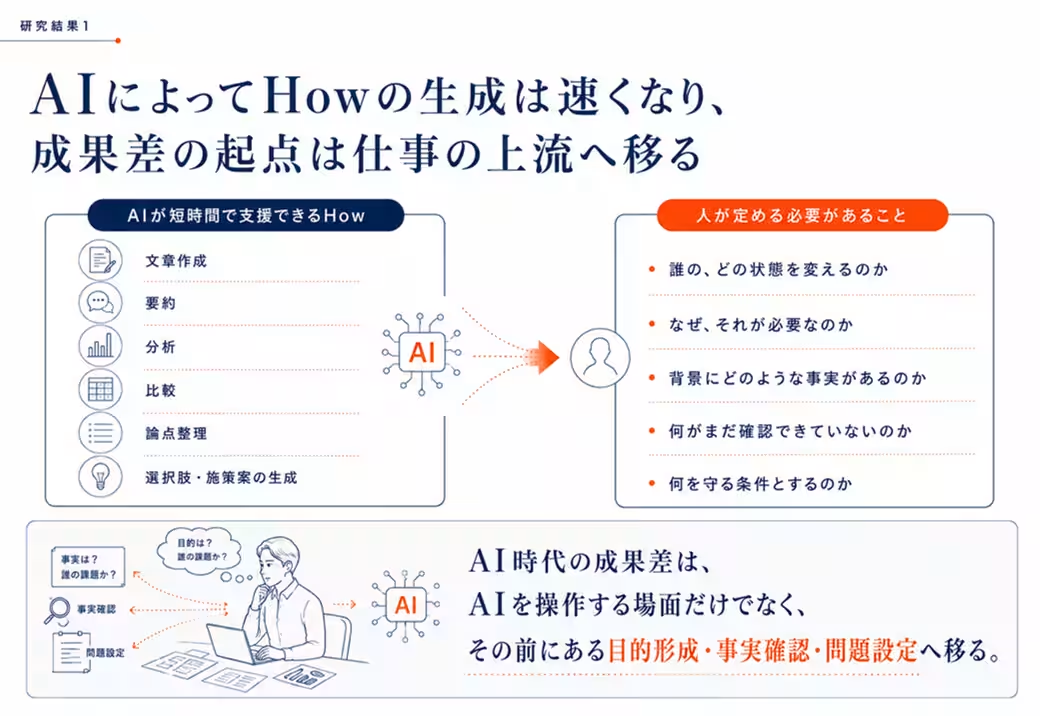
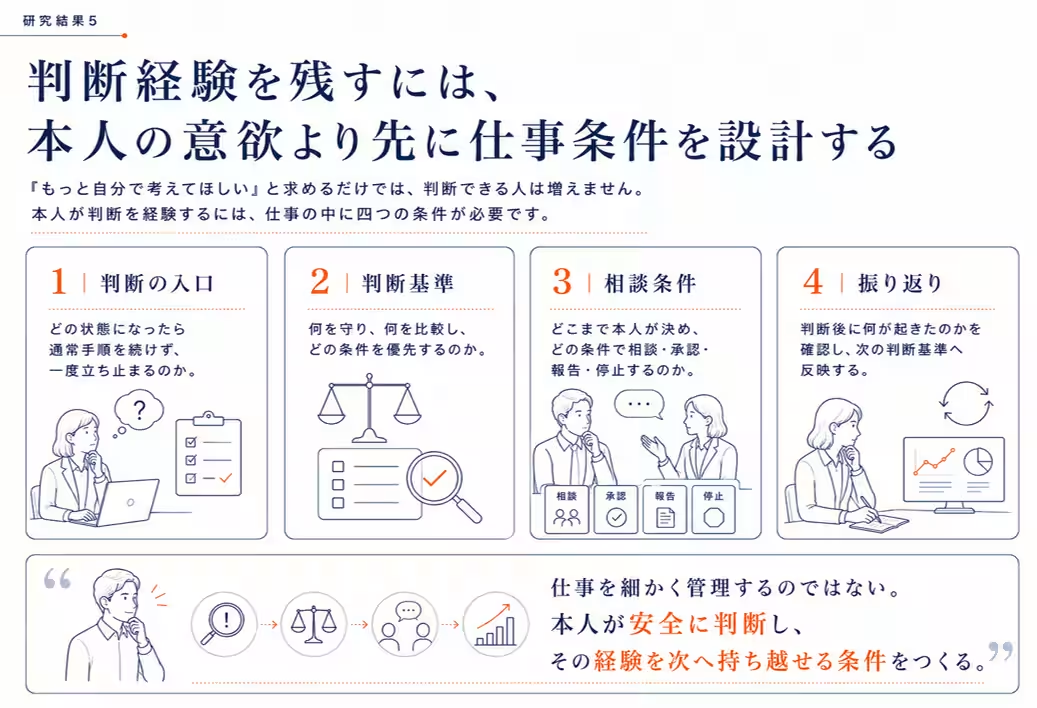
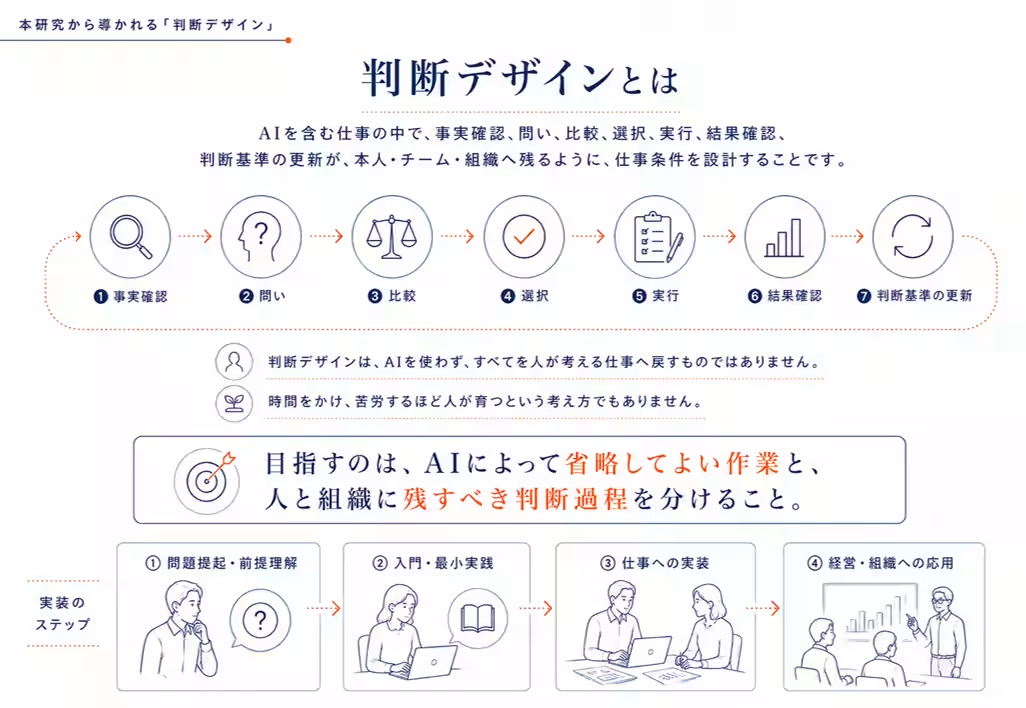
As organizations incorporate AI, the challenge lies in how these tools are utilized. AI can either be treated as a final authority that provides answers or as a valuable resource that facilitates enquiry, hypothesis generation, and debate. The way work is designed will ultimately determine how effectively AI contributes to both task success and the cultivation of judgement experience.
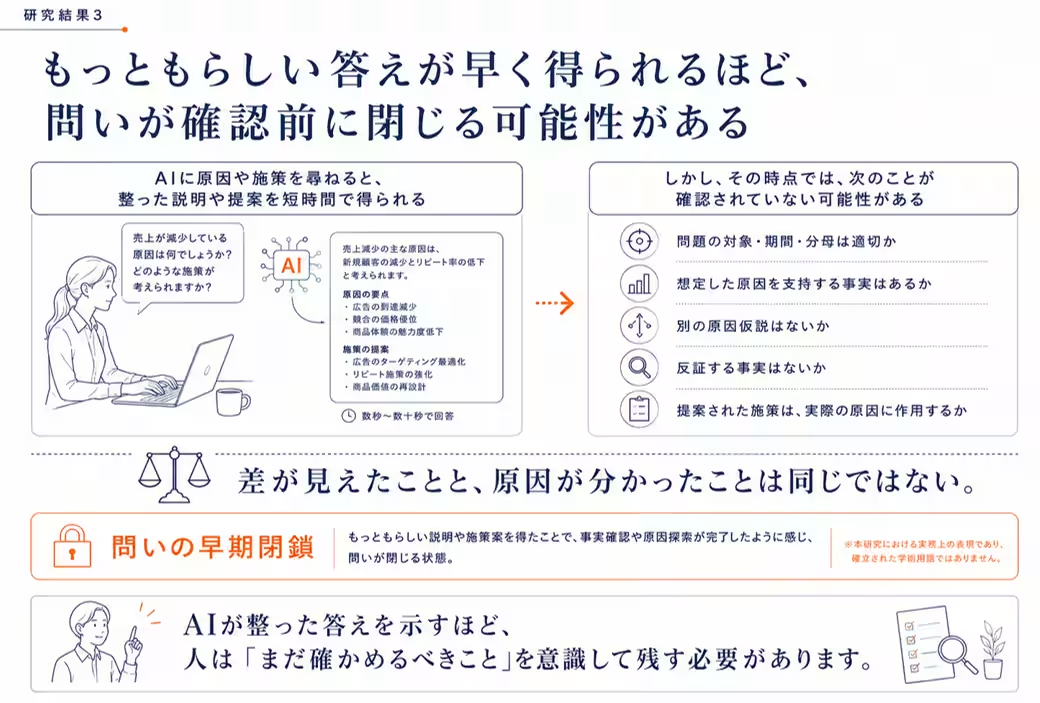
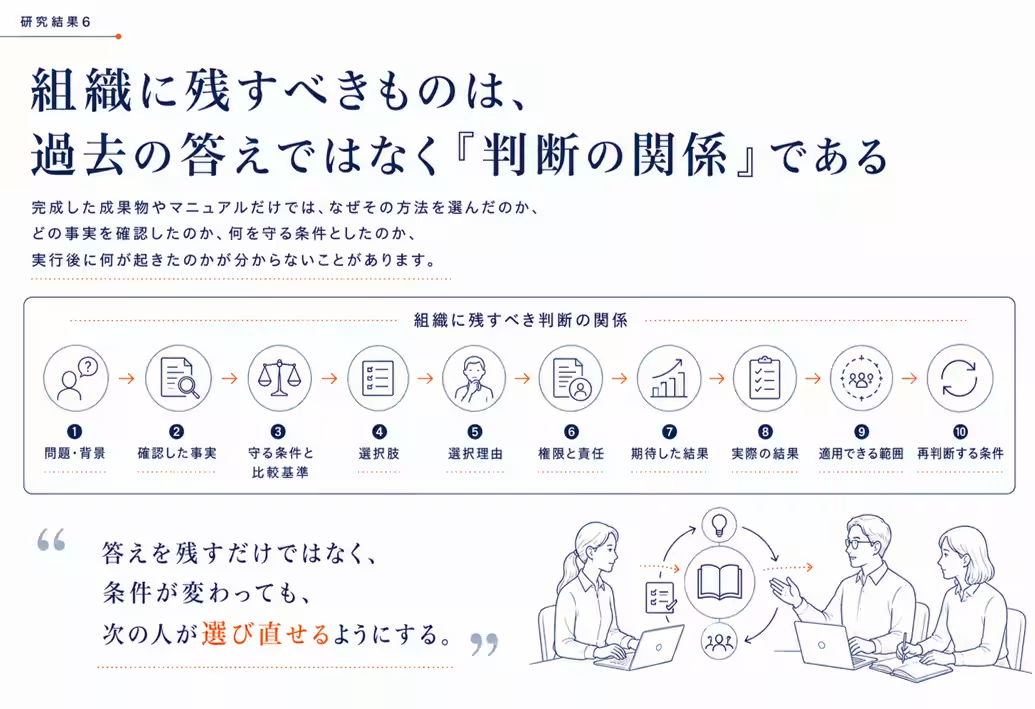
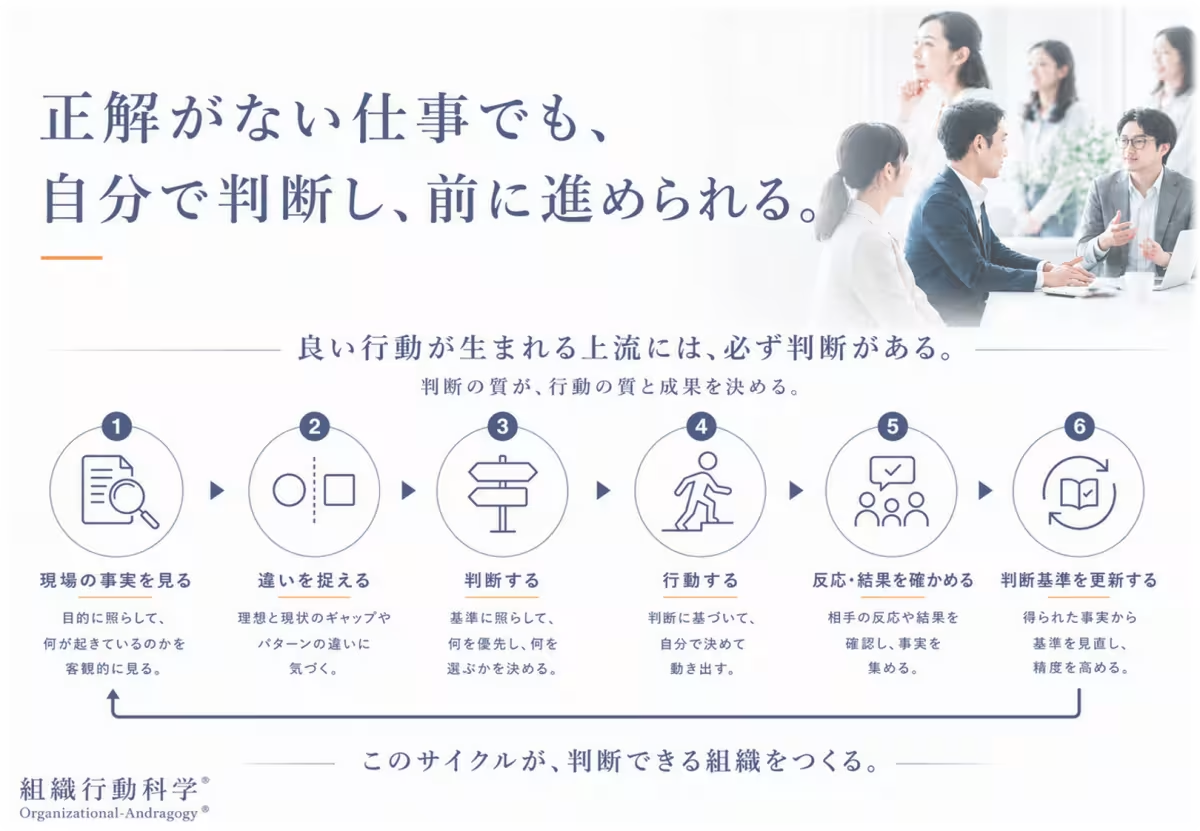
To effectively nurture decision-making within teams, it is crucial to ask:
- - What facts are confirmed?
- - What criteria are used for evaluation?
- - How are outcomes analyzed post-task?
When companies approach AI as a means to streamline operations, they may overlook the importance of maintaining a design that fosters critical judgement processes amongst employees.
Evaluating Success Beyond Efficiency
This research stresses that while it is easy to evaluate success based on outputs, it is equally essential to consider whether employees can apply their judgement skills to future challenges. The study proposes a dual evaluation of tasks: assessing how quickly and efficiently work is completed, alongside determining whether team members are better equipped to make decisions in similar scenarios moving forward. This two-faceted approach ensures that the introduction of AI does not diminish the critical learning experiences that contribute to long-term organizational growth.
Case Studies and Observations
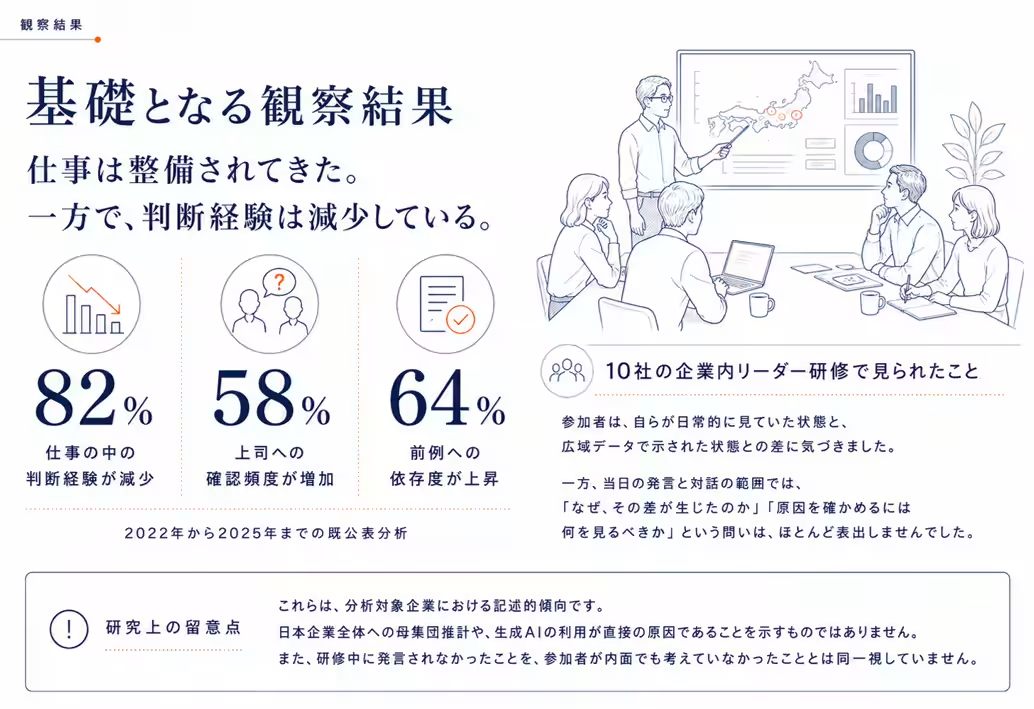
Through an exploratory observation during leadership training sessions, distinct patterns emerged—participants were made aware of discrepancies between their perceptions of work and the data-driven insights presented during the training. This reflective moment underscored the necessity for individuals to confront and analyze their experiences to bridge the gap of understanding. Nonetheless, such insights need to manifest in meaningful dialogues that challenge preconceived notions of decision-making.
The Future of Judgement Design
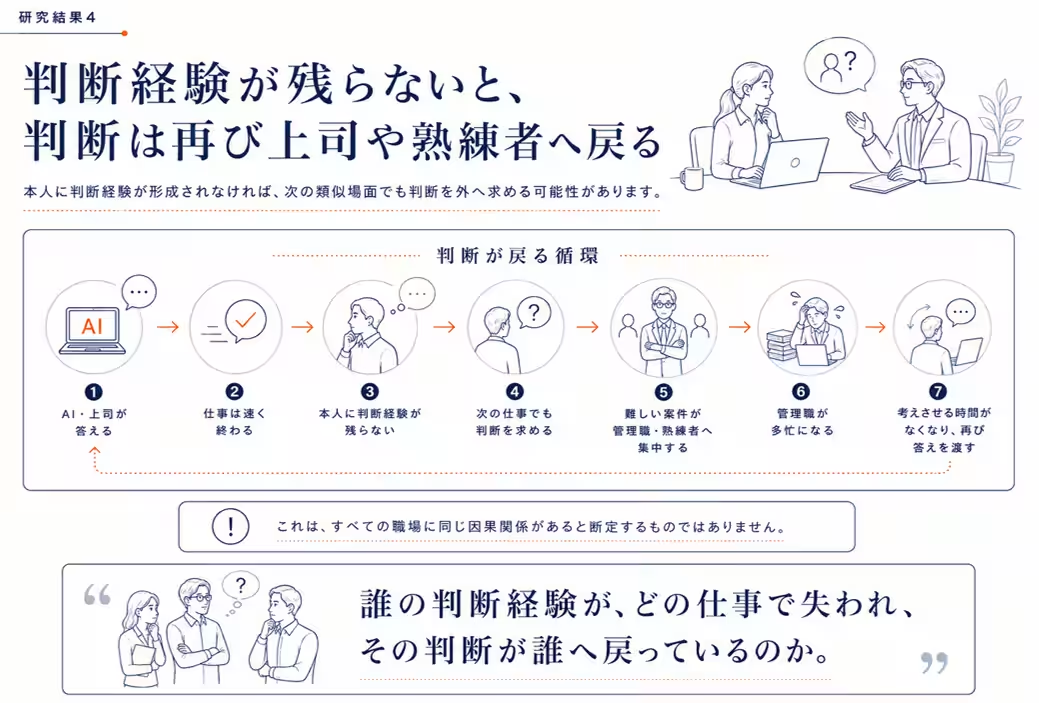
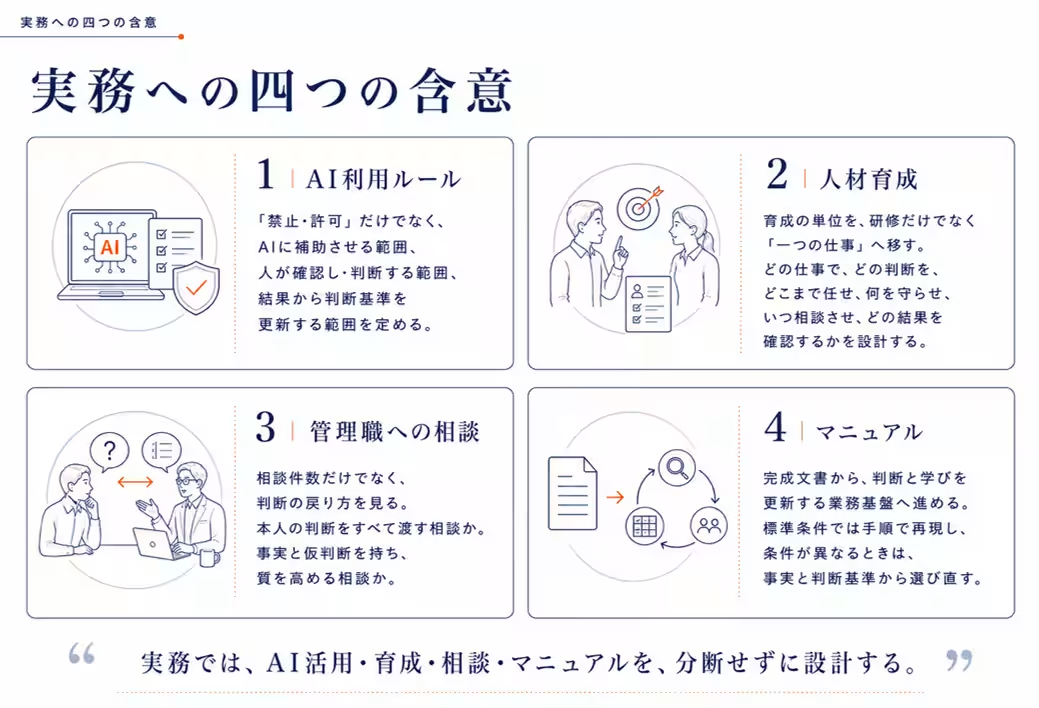
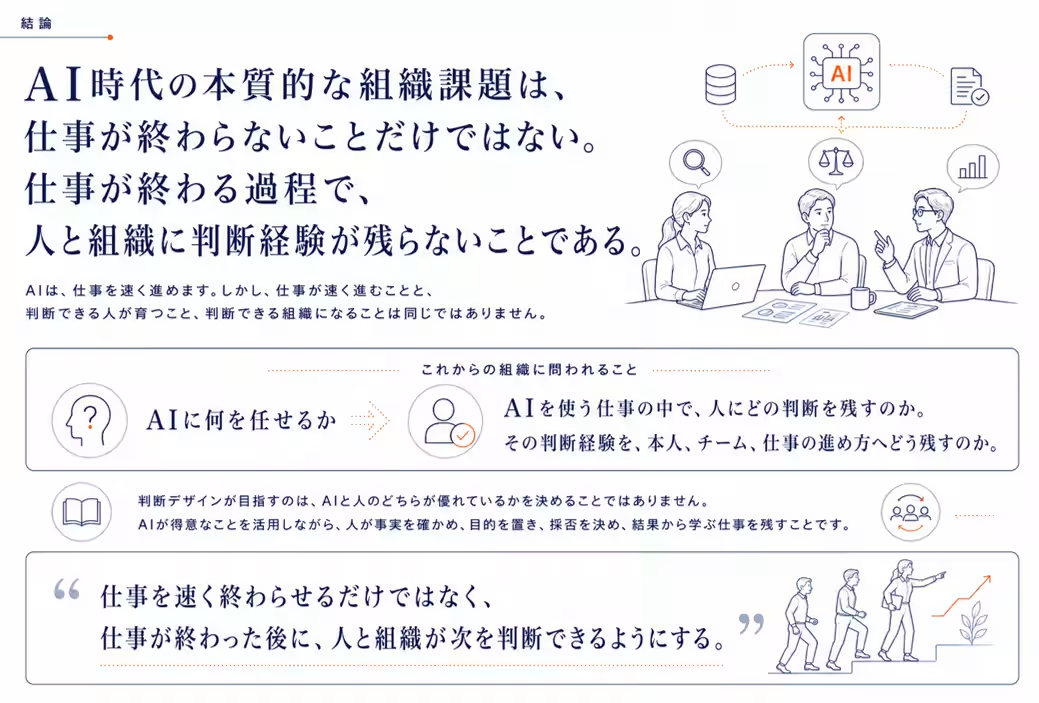
Organizational success in the AI era relies on intentional judgement design. This involves crafting work environments where the roles of AI, human decision-making, and organizational learning are interconnected. As we evolve in this digital landscape, a re-assessment of what experiences we wish to preserve becomes imperative. Merely focusing on output efficiency can lead to a cycle of reliance on higher-ups for decision-making, ultimately stunting the development of capable, autonomous teams.
In conclusion, while AI is enhancing our ability to finish tasks more quickly, it is crucial to ensure that we do not sacrifice the valuable judgement experience in the process. Organizations must strive to find balance by designing work processes that allow individuals to learn, make mistakes, and grow from their experiences. The goal is not only to complete work efficiently but to foster an environment where both individuals and teams can thrive through informed decision-making.



Topics Business Technology)
【About Using Articles】
You can freely use the title and article content by linking to the page where the article is posted.
※ Images cannot be used.
【About Links】
Links are free to use.