



Choosing the Right Treatment for Axillary Malodor: Insights from a 2026 Survey
Choosing the Right Treatment for Axillary Malodor: Insights from a 2026 Survey
Introduction
The issue of axillary malodor, often referred to as 'body odor,' affects approximately 10-15% of the Japanese population. Many individuals struggle silently with this condition, leading to a decline in their quality of life. A recent survey conducted by IC Clinic, with insights from over 300 participants considering treatment for this condition, sheds light on their priorities when selecting a treatment method.
Key Findings
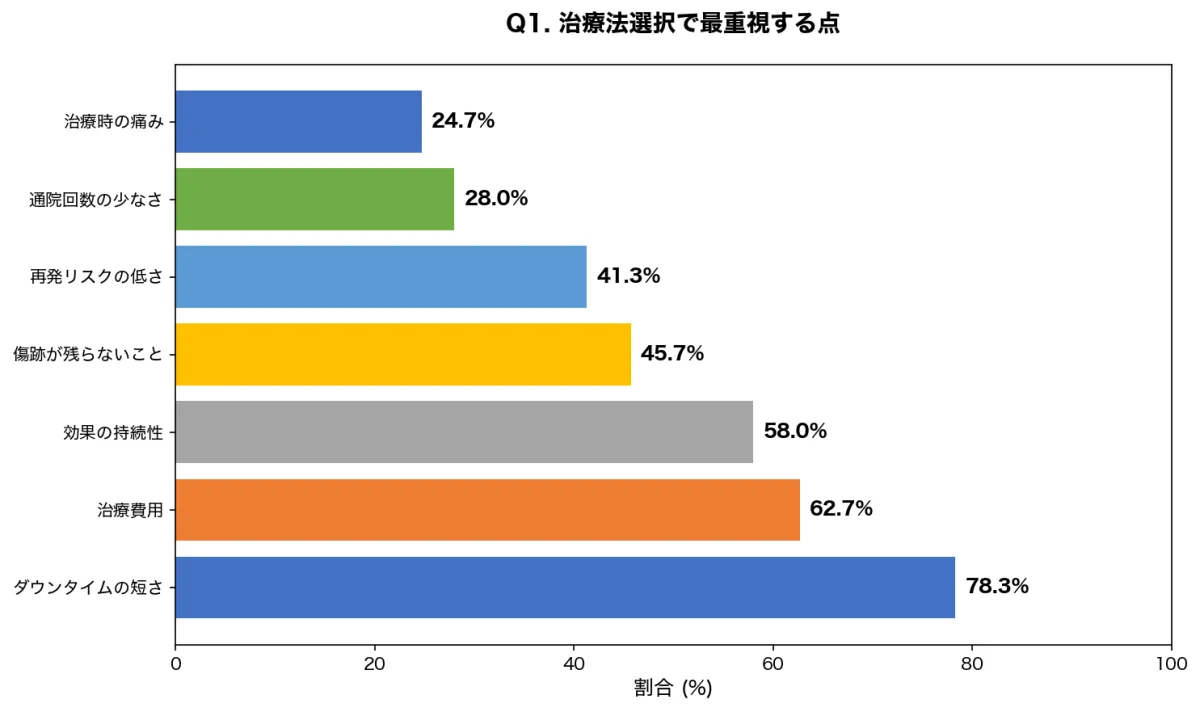
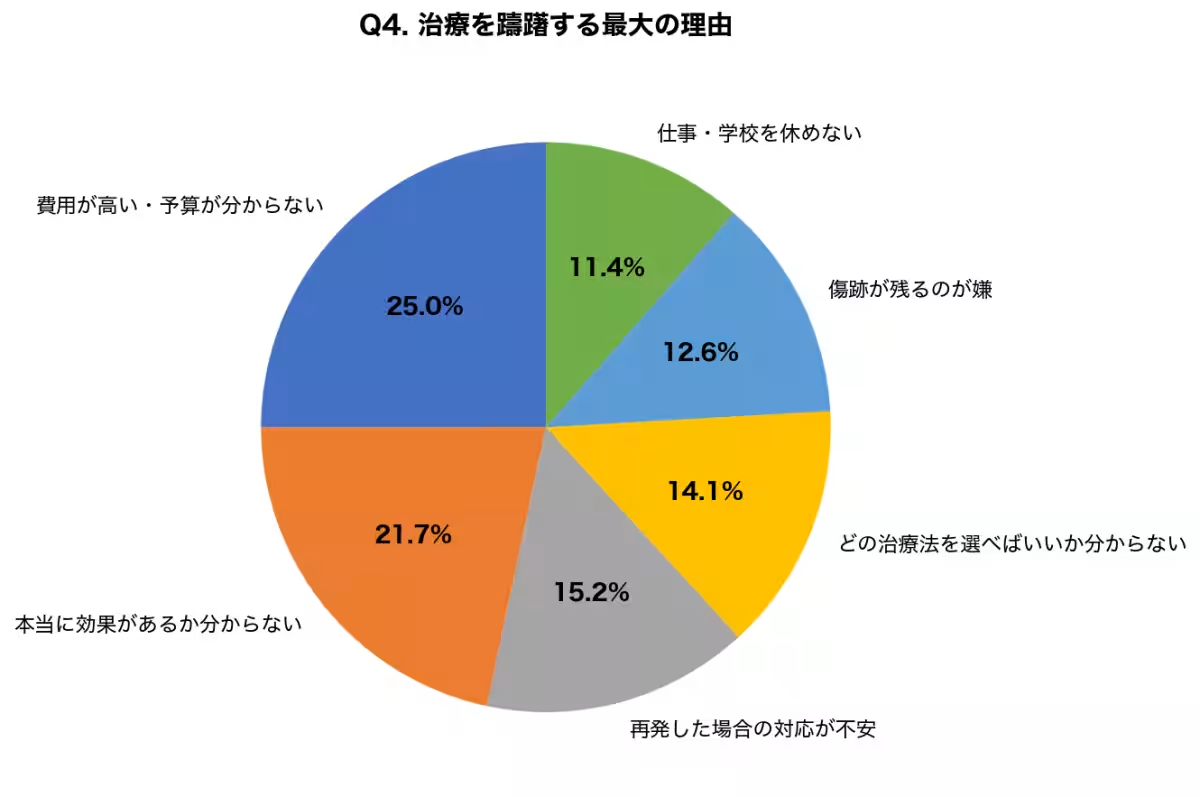
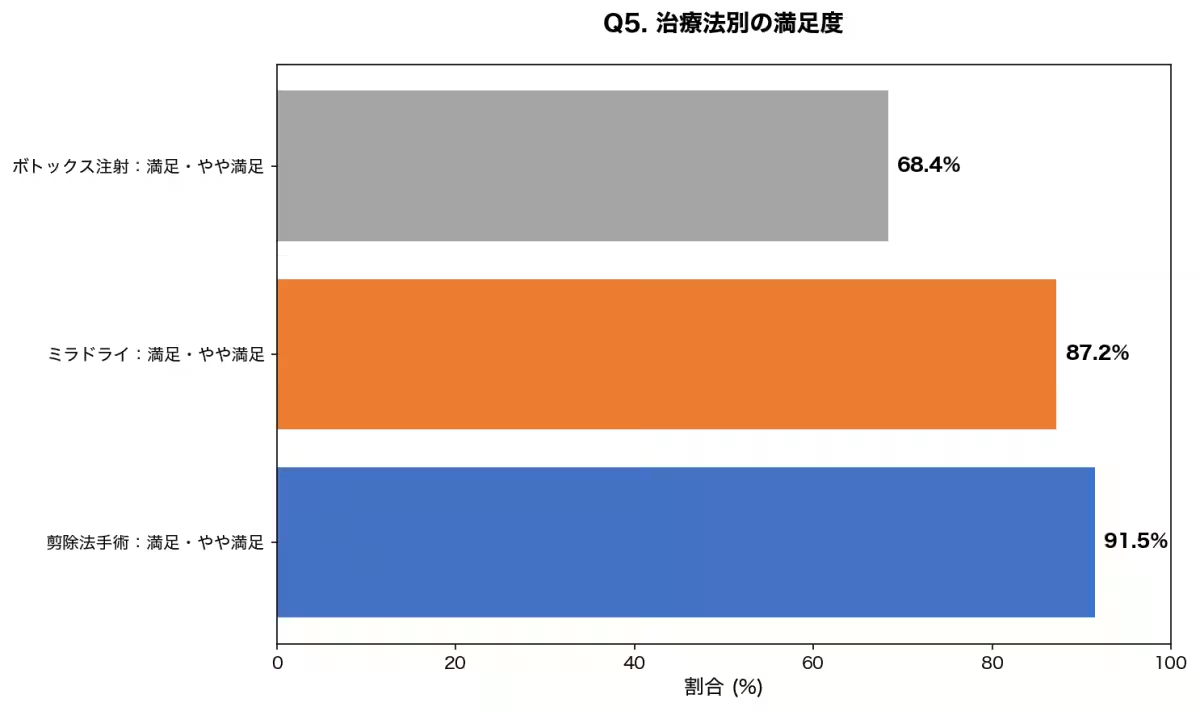
From the collected data, it was discovered that 78.3% of individuals prioritized minimizing downtime in their treatment choices. Meanwhile, the satisfaction rates among treatment recipients revealed that 91.5% who underwent surgical methods, 87.2% for MiraDry, and 68.4% for Botox felt satisfied with the results. The primary reasons for hesitancy in pursuing treatment were financial concerns (62.7%) and doubts about effectiveness (54.3%).
Treatment Options Overview
The three main treatment methods for axillary malodor include:
- - MiraDry: A non-invasive procedure utilizing microwave technology to destroy sweat glands. It boasts a success rate of about 70-80% and minimal downtime of 2-3 days.
- - Surgical Method: An invasive procedure involving a 3-4 cm incision to remove sweat glands directly. It has the highest success rate of over 90% but comes with longer downtime of 2-3 weeks.
- - Botulinum Toxin (Botox) Injection: A quick treatment that blocks nerve signals to reduce sweating but does not remove glands. Effects last 4-9 months.
Detailed Comparison of Treatment Options
| Treatment Method | Principle | Sweat Gland Removal Rate | Longevity of Effect | Downtime | Scars | Treatment Duration | Cost Estimate | Follow-up Visits | Reoccurrence Risk | Appropriate For |
|---|---|---|---|---|---|---|---|---|---|---|
| ---- | ------ | ------ | ----- | --- | -- | ----- | ---- | ---- | ----- | ------- |
| MiraDry | Microwave energy destroys glands | 70-80% | Semi-permanent | 2-3 days | None | ~1 hour | ¥300,000-¥400,000 (self-pay) | 1-2 visits | 20-30% | Moderate to severe conditions |
| Surgical Method | Direct removal under visual guidance | 90%+ | Semi-permanent | 2-3 weeks | 3-4 cm incision | ¥40,000-¥50,000 (insurance applicable) | 3-5 visits | 5-10% | Severe conditions | |
| Botox Injection | Blocks signals to sweat glands | No gland removal | 4-9 months | None | None (small puncture) | ¥30,000-¥50,000 per session (self-pay) | 2-3 times per year | Necessary after effects fade | Mild to moderate symptoms or temporary relief |
Why People Hesitate to Seek Treatment
The survey indicated that financial concerns and apprehensions regarding the effectiveness of treatments deeply impact patients’ decisions. Clear and transparent communication about the costs involved and realistic expectations regarding outcomes are crucial in alleviating these concerns.
Conclusion
The findings from IC Clinic emphasize the vital role that individual circumstances such as budget, lifestyle, and severity of the condition play in treatment selection. For effective results, prospective patients are advised to consult with a medical expert for accurate diagnoses and to understand the pros and cons of each option thoroughly. As treatment options expand, transparent education becomes essential in helping individuals make informed choices about their health.
Expert Opinion
Dr. Kota Takakuwa from IC Clinic, who has over 15 years of clinical experience in dermatological surgery, stresses that understanding one’s own symptoms and expectations is essential for treatment success. With the increasing popularity of both invasive and minimally invasive treatment options, patients should feel empowered in their journey towards effective treatment for axillary malodor.
Topics Health)
【About Using Articles】
You can freely use the title and article content by linking to the page where the article is posted.
※ Images cannot be used.
【About Links】
Links are free to use.