



AI Japanese Lab: Tackling the Japanese Language Gacha Problem in AI Tools
Overcoming the Japanese Language Gacha Problem with AI Japanese Lab
In recent years, artificial intelligence (AI) has rapidly evolved, showcasing its capabilities in generating images, music, and videos. However, this proliferation has surfaced significant challenges, especially for Japanese-speaking users who encounter what is colloquially referred to as the "Japanese language gacha" problem. This issue stems from AI’s inability to understand subtle nuances in Japanese context and reading, often leading to subpar outputs and frustration among creators.
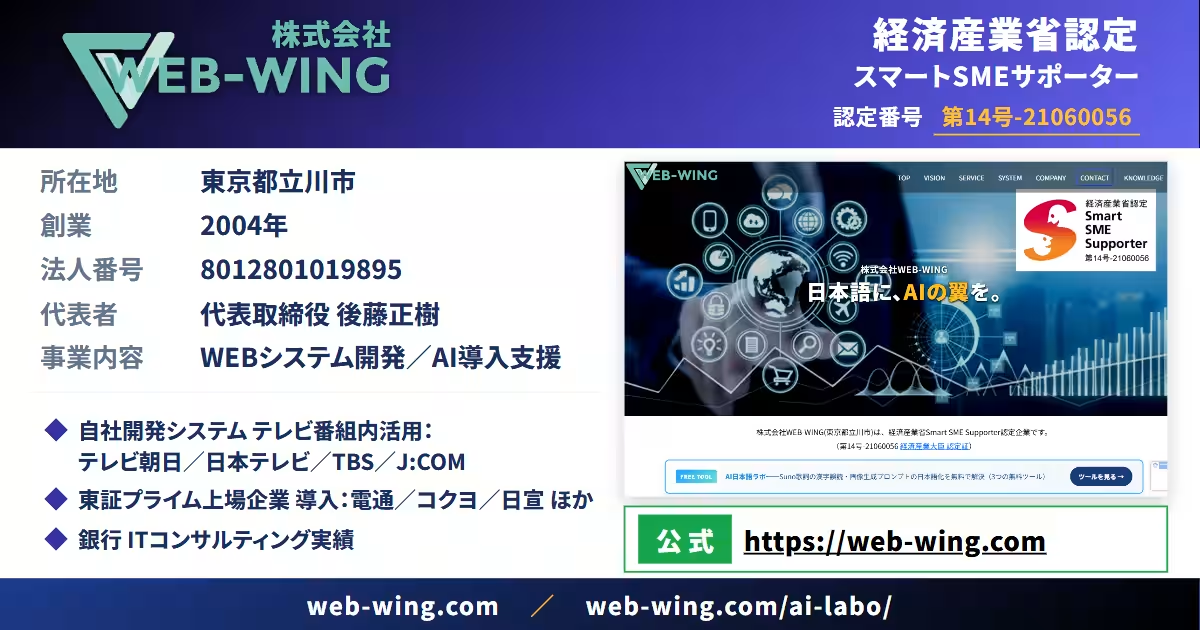
On May 15, 2026, WEB-WING, a company based in Tachikawa, Tokyo, launched the "AI Japanese Lab," a collection of three free tools aimed specifically at tackling this significant issue encountered by Japanese users of generative AI. With a firm foundation in software development and a dedicated focus on the Japanese language, WEB-WING seeks to enhance the usability of generative AI tools for native Japanese speakers.
What is the Japanese Language Gacha Problem?
The term "Japanese language gacha" refers to the phenomenon where users input identical Japanese prompts into an AI, yet receive wildly different results due to the AI's poor contextual interpretation. This inconsistency forces creators to repeat the prompt multiple times before achieving their desired outcomes, ultimately hindering productivity and efficiency in creative workflows.
Introduction of AI Japanese Lab
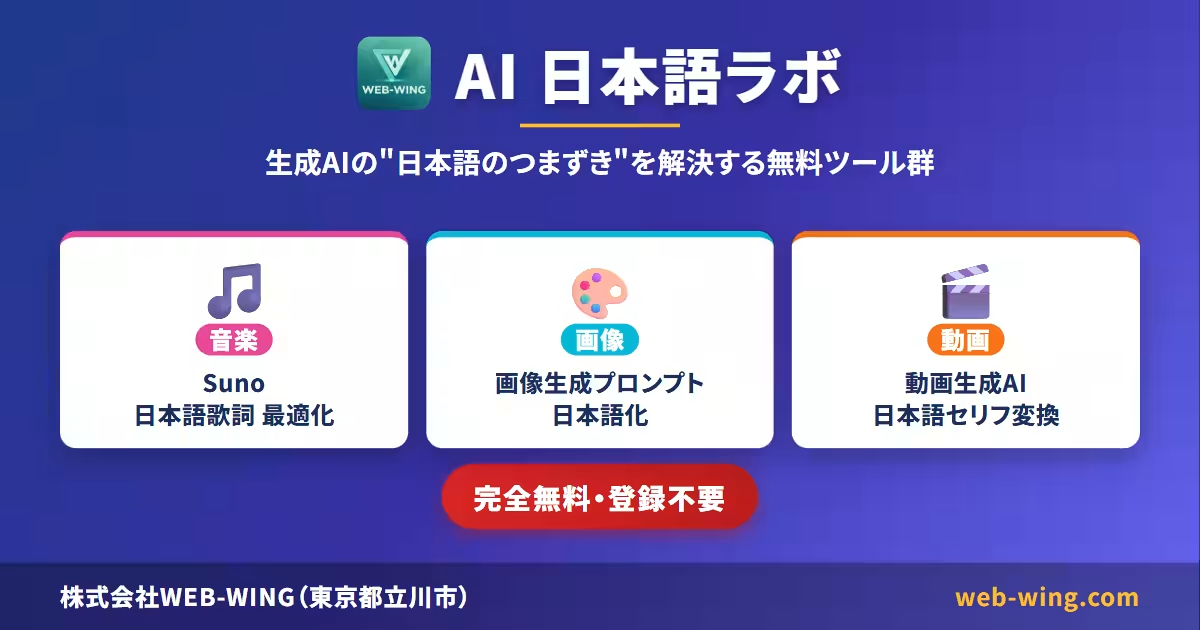
The AI Japanese Lab addresses three core generative AI challenges, focusing on image generation, music, and video. The three tools provided are:
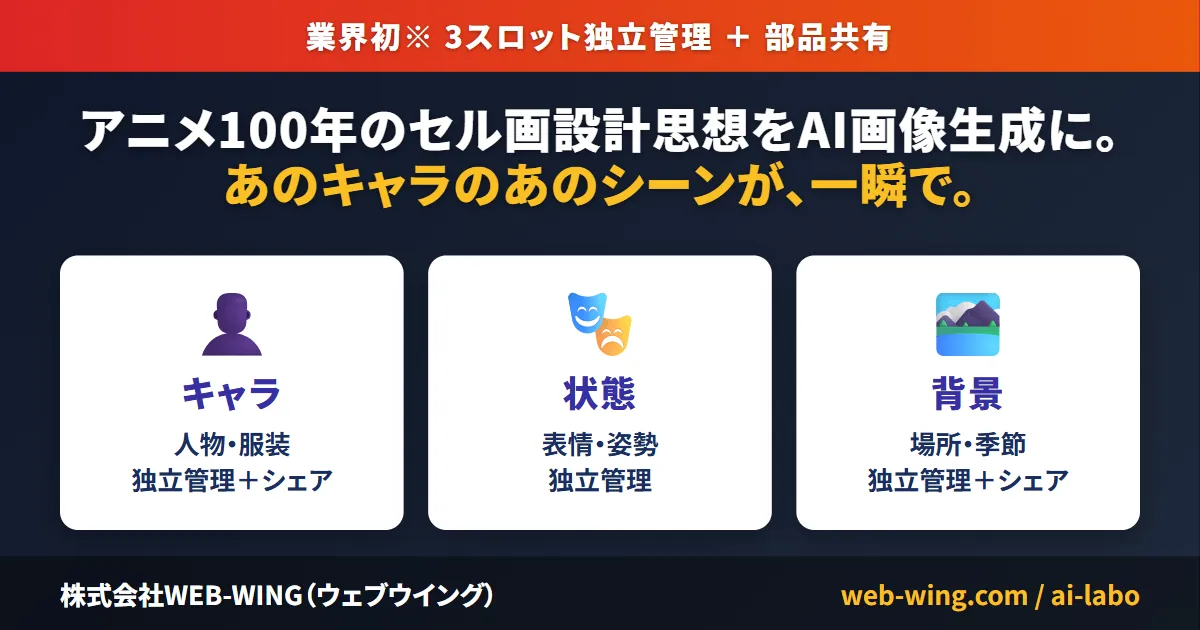
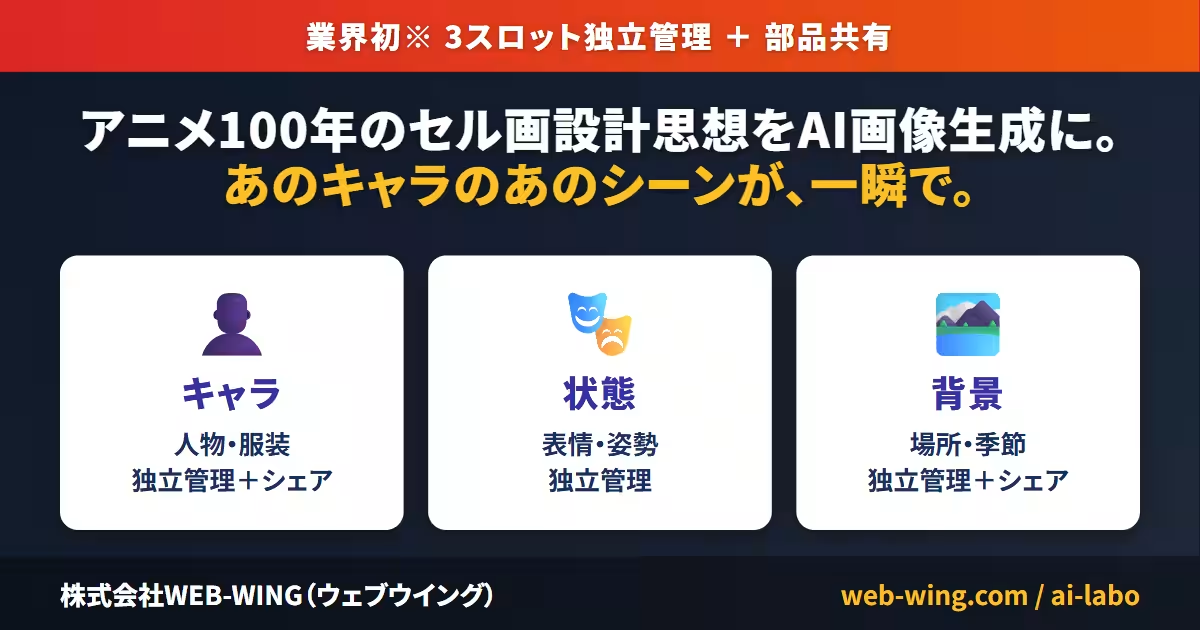
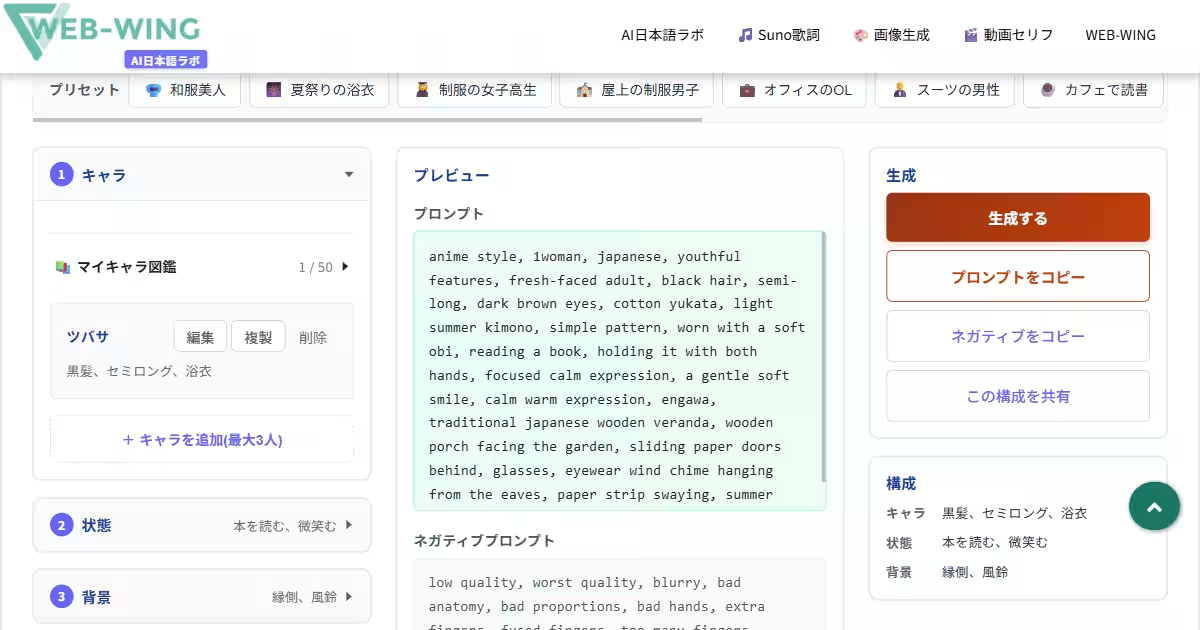
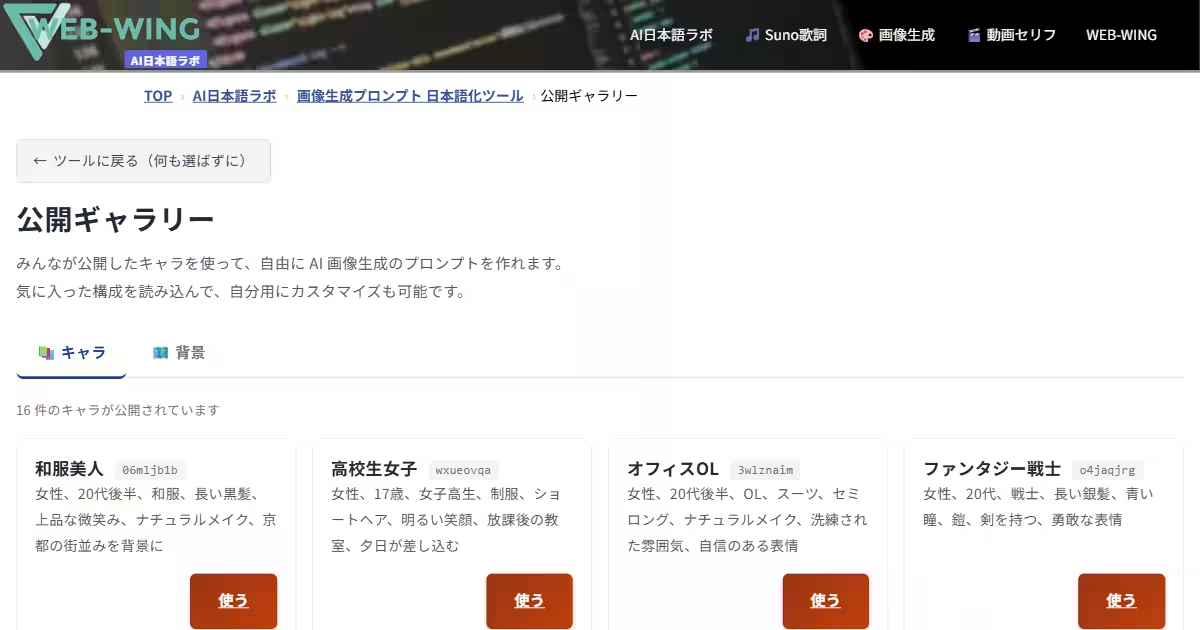
1. Japanese Prompt Optimization for Image Generation: This tool allows users to efficiently generate prompts for AI image generators, incorporating the same design principles used in traditional animation cell art. The tool features an innovative three-slot independent management system that enables users to manage character, state, and background separately.
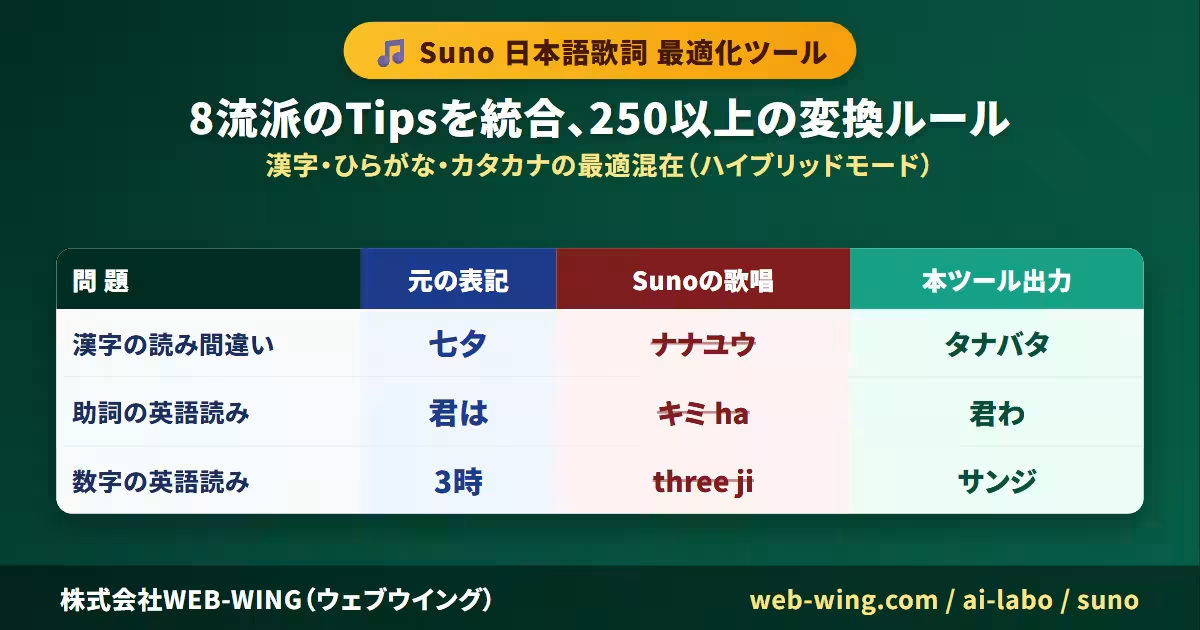
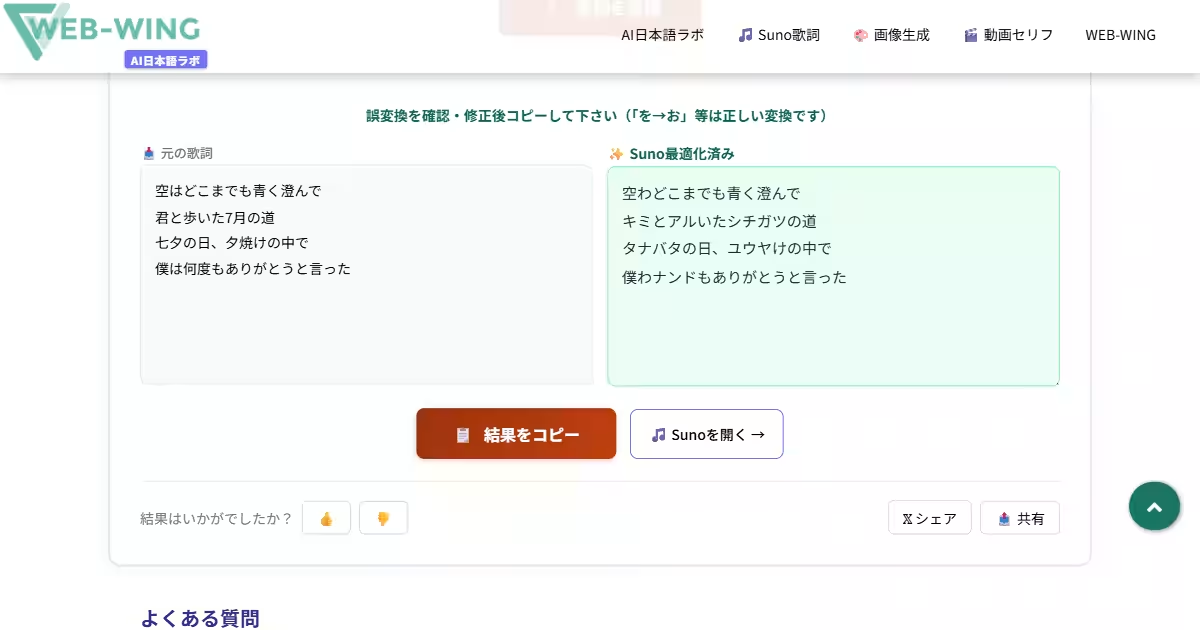
2. Suno Japanese Lyric Optimization Tool: This music generation tool optimizes Japanese lyrics for AI tools like Suno, addressing common issues with kanji misreading and the pronunciation of particles in sentences. This tool aims to provide users an authentic and seamless music generation experience.
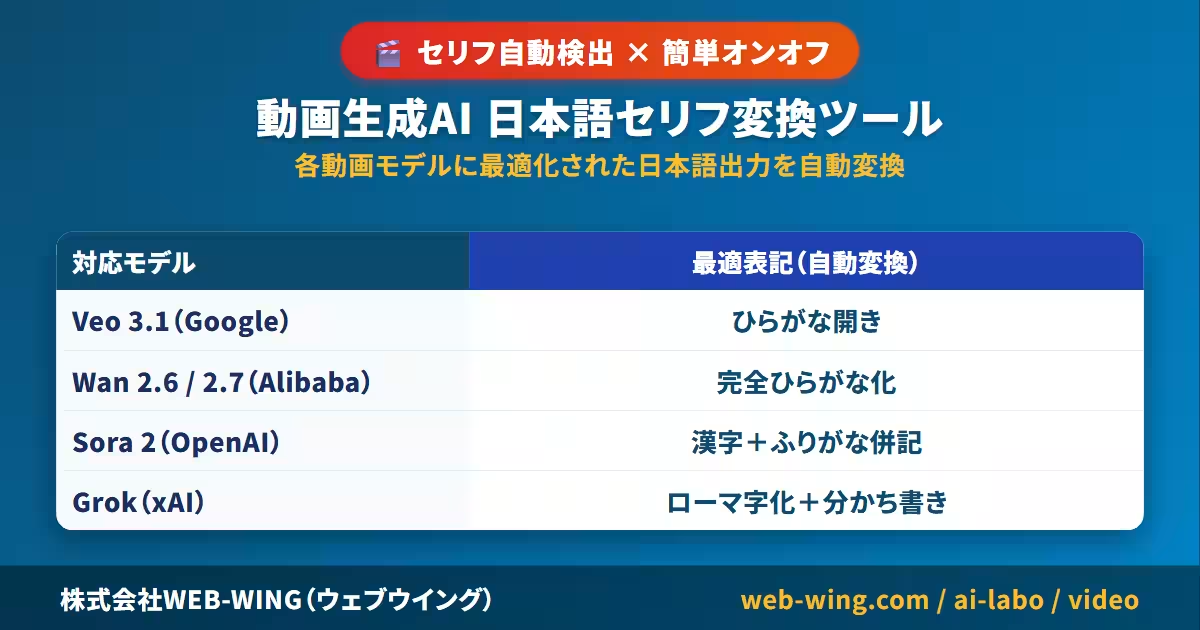
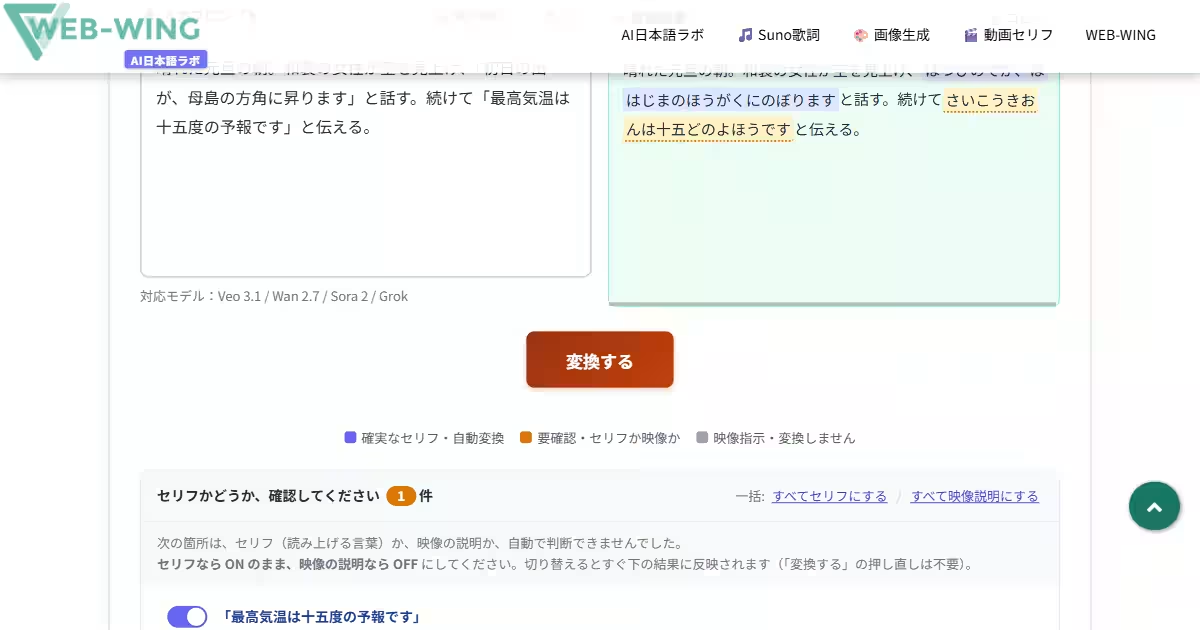
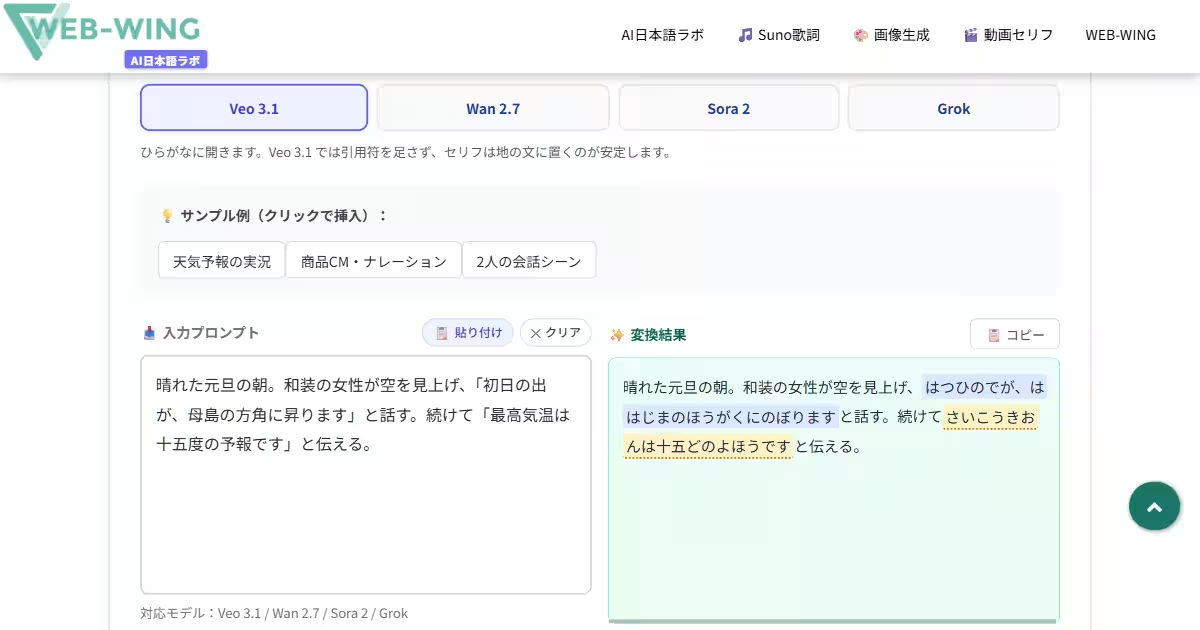
3. Japanese Dialogue Conversion Tool for Video Generation: This tool allows for the precise conversion of dialogue prompts for various video generation models, ensuring that audiovisual tasks remain coherent and engaging.
Each of these tools does not require registration and is available completely free of charge.
Innovations and Unique Features
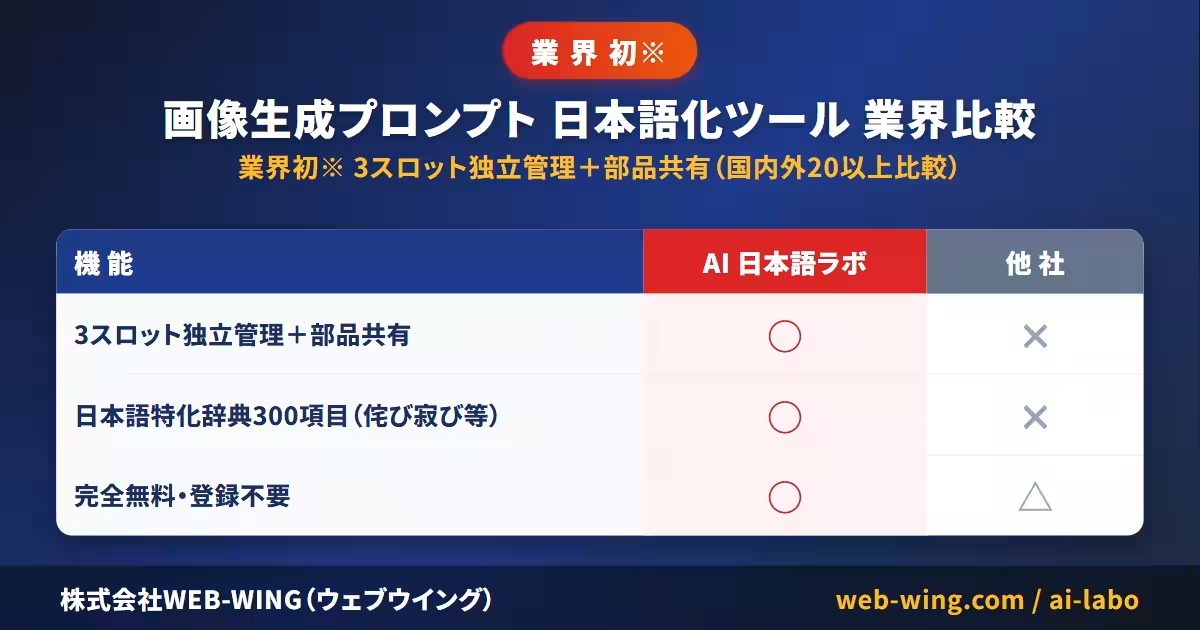
The AI Japanese Lab is distinguished by its integration of a 300-item Japanese-focused dictionary, facilitating accurate translations and contextual understandings for AI-generated output. Particularly notable is the image generation optimization tool, which allows users to create consistent character appearances across different scenes by managing individual components separately. This system addresses major challenges faced by users when changing backgrounds, poses, or expressions in their image prompts.
The combination of AI-powered pre-processing and persistent character management enables users to produce high-quality visuals that faithfully represent their creative intent.
Background Problems in English AI
The majority of current generative AI models are developed primarily for English-speaking markets, which means they struggle with the unique syntactical and contextual characteristics of Japanese. As a result, AI models like Suno and various image generation tools often misinterpret prompts composed in Japanese, leading to inaccuracies in both lyrics and imagery generation.
This gap has resulted in significant barriers for Japanese creators who wish to leverage these powerful tools but find themselves unable to do so effectively.
Future Directions
Going forward, WEB-WING plans to expand the offerings within AI Japanese Lab, continuously enhancing tool effectiveness and precision to better serve the needs of Japanese creators. As recognized by the Ministry of Economy, Trade, and Industry as a Smart SME supporter, the company is committed to facilitating the usage of generative AI among small and medium-sized enterprises and individual creators.
By aiming to democratize these powerful tools, WEB-WING hopes to empower a broader audience within the Japanese-speaking community, ensuring they can harness AI technologies without the barriers of language barriers.
Conclusion
The AI Japanese Lab reflects WEB-WING’s commitment to social responsibility and innovation, allowing for a seamless integration of AI technologies into the creative processes of Japanese users. By offering robust, user-friendly tools for free, the initiative marks a significant step forward in resolving the Japanese language gacha problem and closing the gap in generative AI capabilities across language barriers.
For more information, please visit the official AI Japanese Lab website.


Topics Consumer Technology)
【About Using Articles】
You can freely use the title and article content by linking to the page where the article is posted.
※ Images cannot be used.
【About Links】
Links are free to use.