



The Hidden Gap: Mother's Health Needs and Gift Intentions from Children on Mother's Day
Introduction
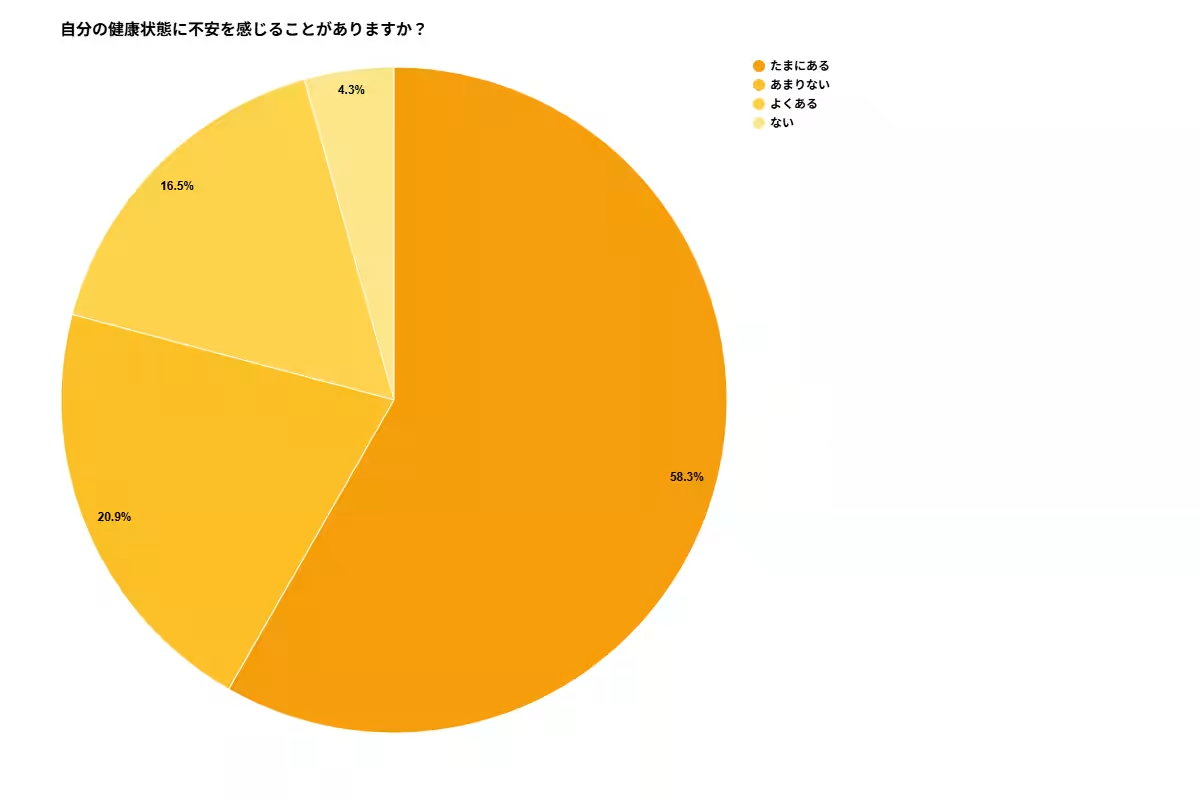
In a recent survey conducted by Nwith Co., Ltd., over 400 individuals were queried about the realities faced by mothers today, especially concerning their health and dietary choices. A staggering 75% of mothers expressed concerns about their health, revealing a significant gap between their needs and what their children consider for Mother's Day gifts.
Survey Summary
Key Findings
- - Approximately 75% of mothers disclosed feeling uneasy about their health.
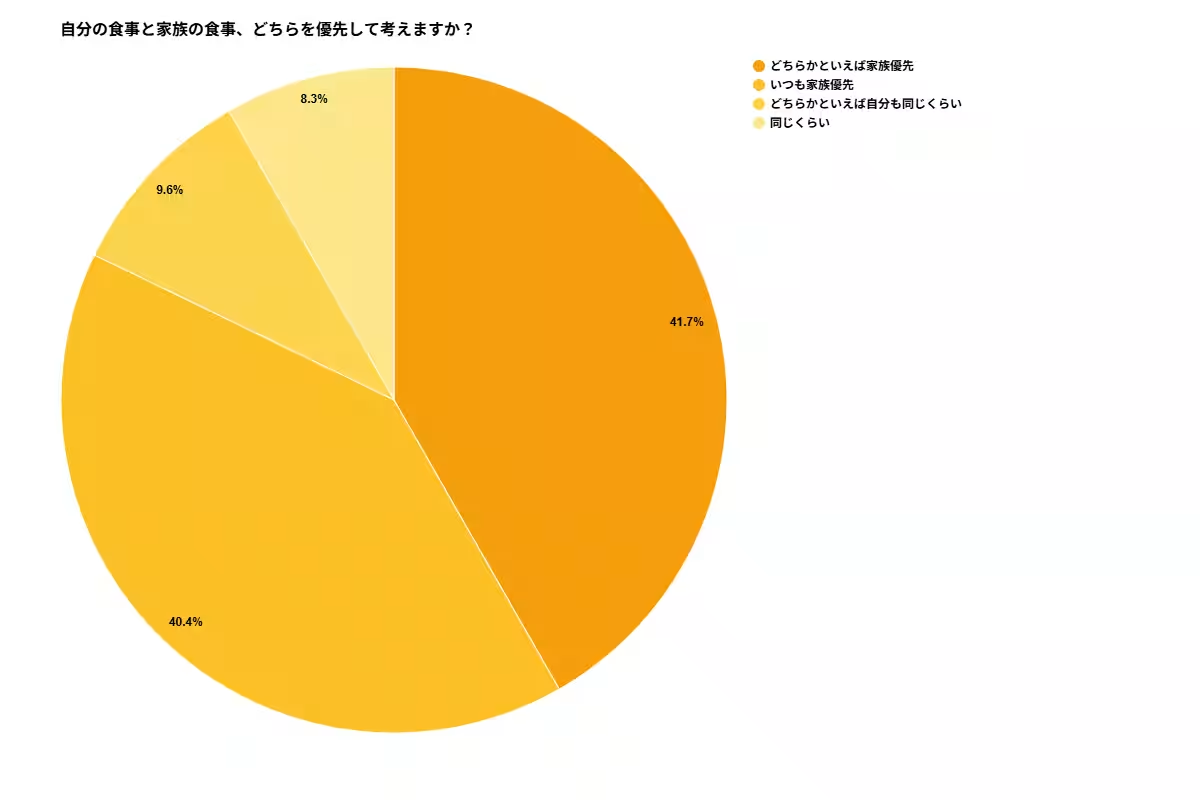
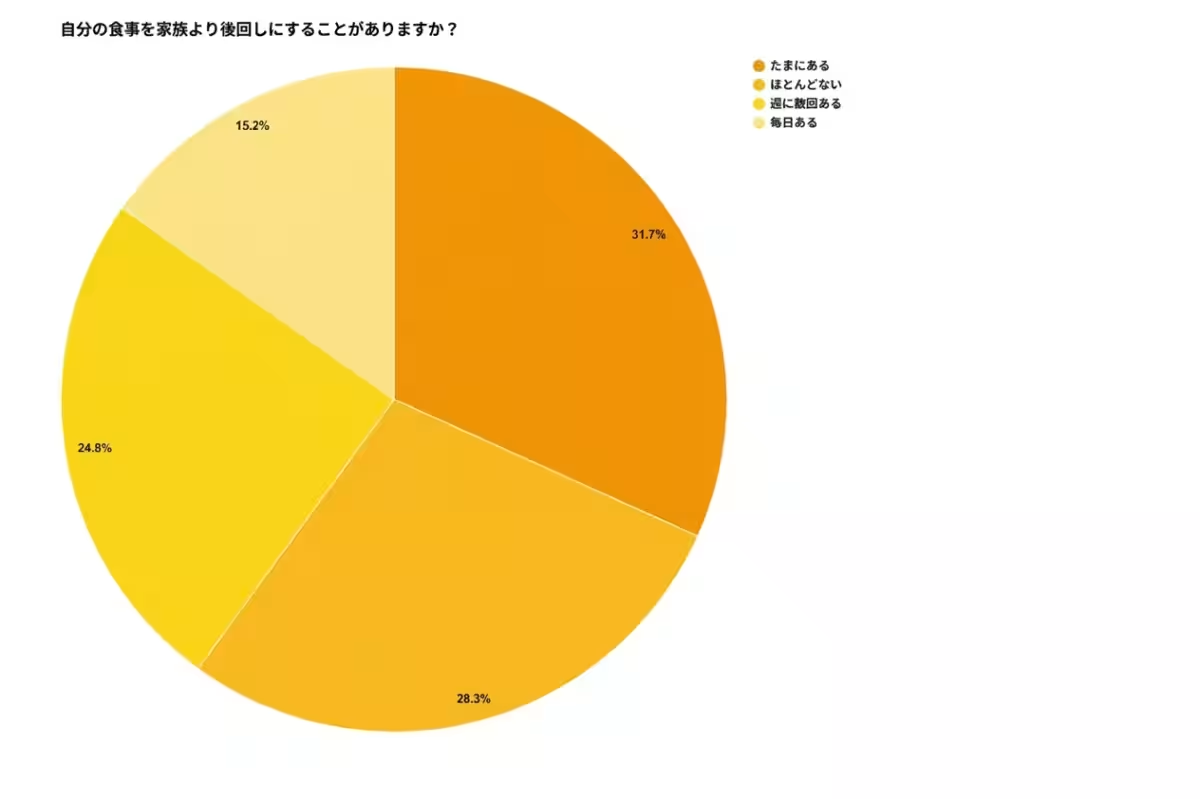
- - Roughly 72% of mothers admitted to prioritizing their family’s meals over their own.
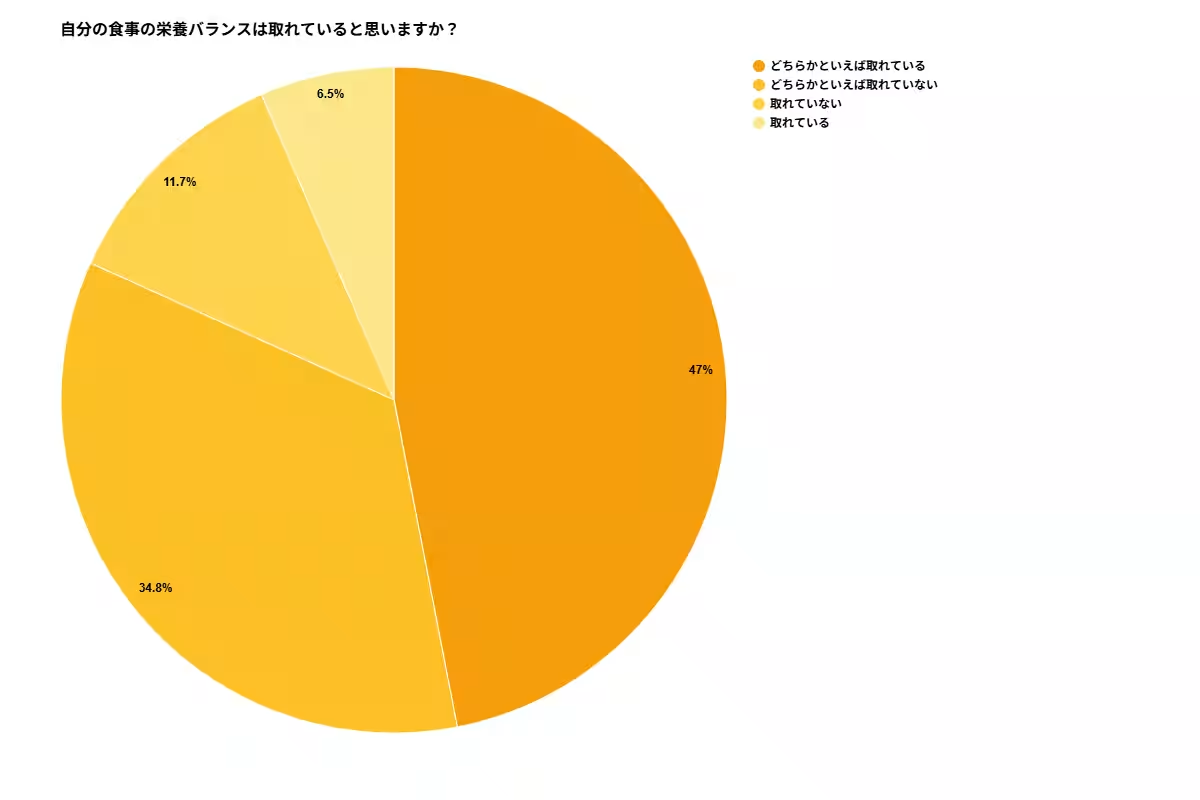
- - About 46% of mothers feel that their meals lack nutritional balance.
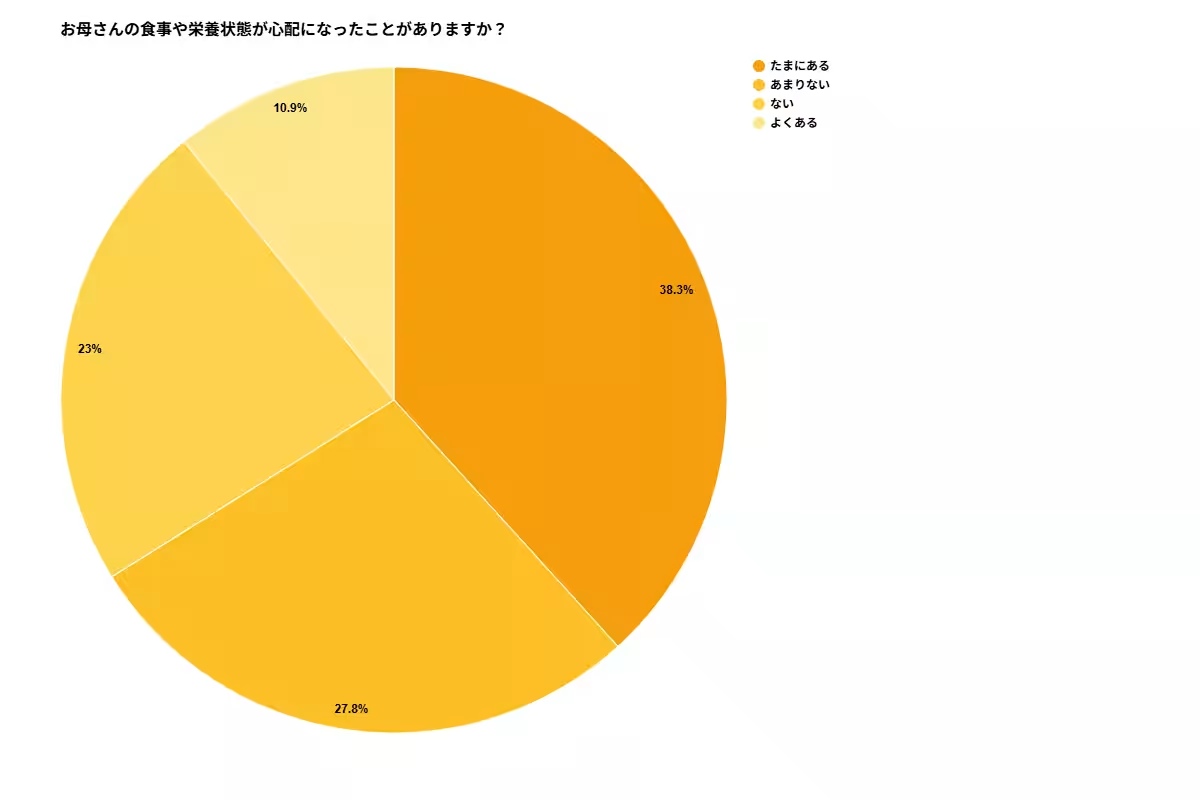
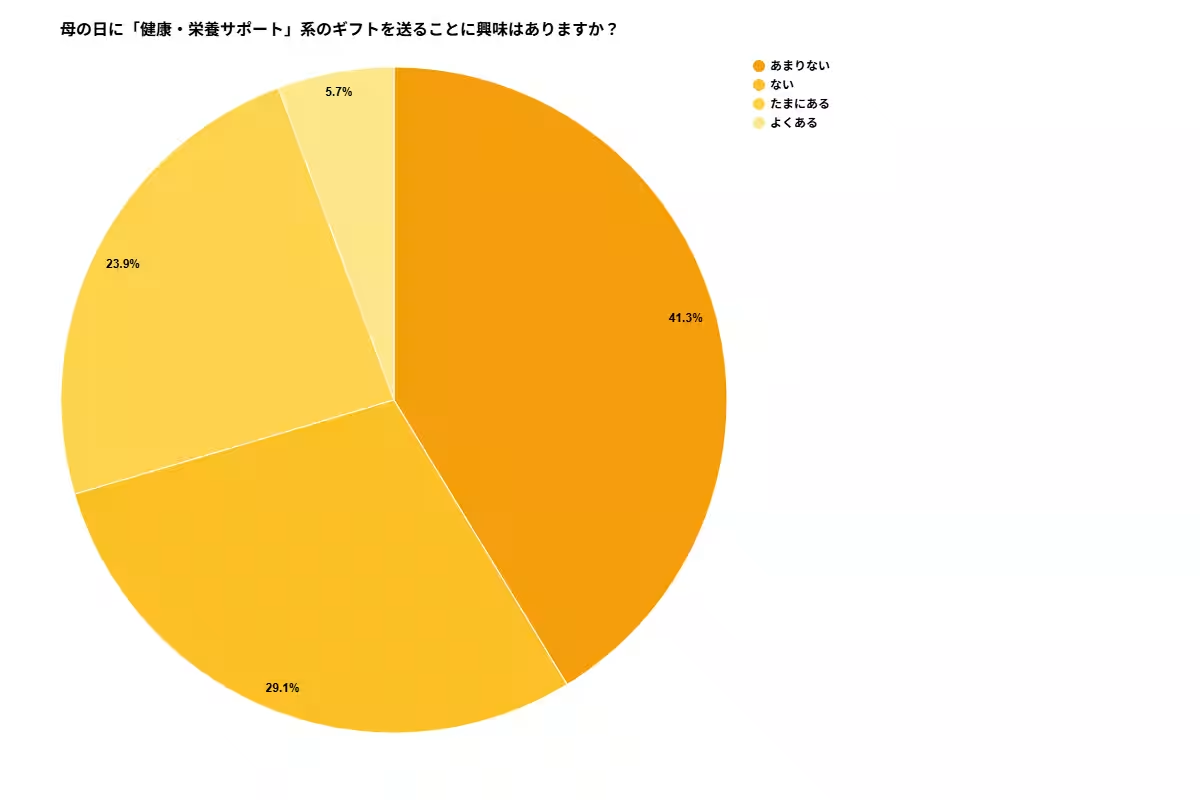
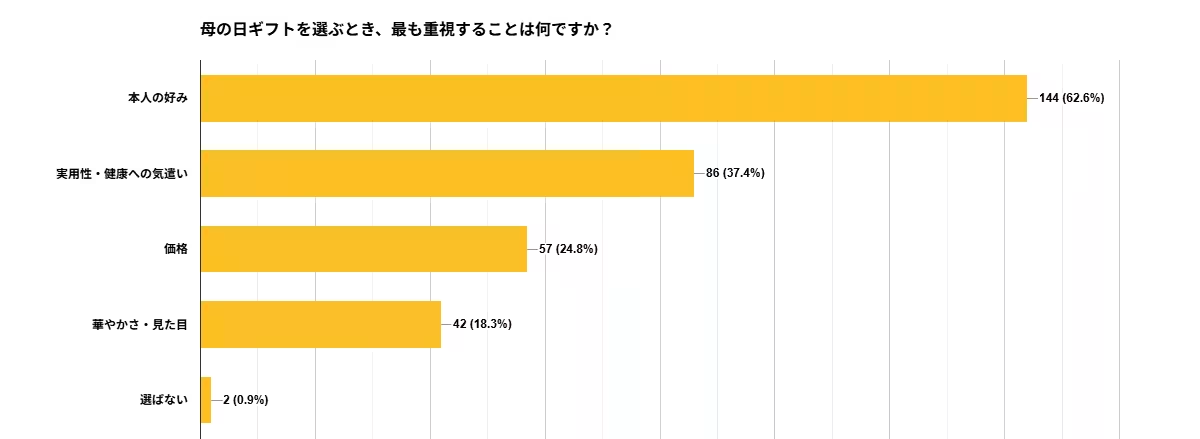
- - Interestingly, while nearly half of the younger generations expressed concern regarding their mothers' nutritional status, only about 30% plan to give health-related gifts for Mother's Day.
These results underscore a crucial disconnect between the health concerns of mothers and the actions taken by their children.
In-Depth Analysis
Mothers’ Eating Habits
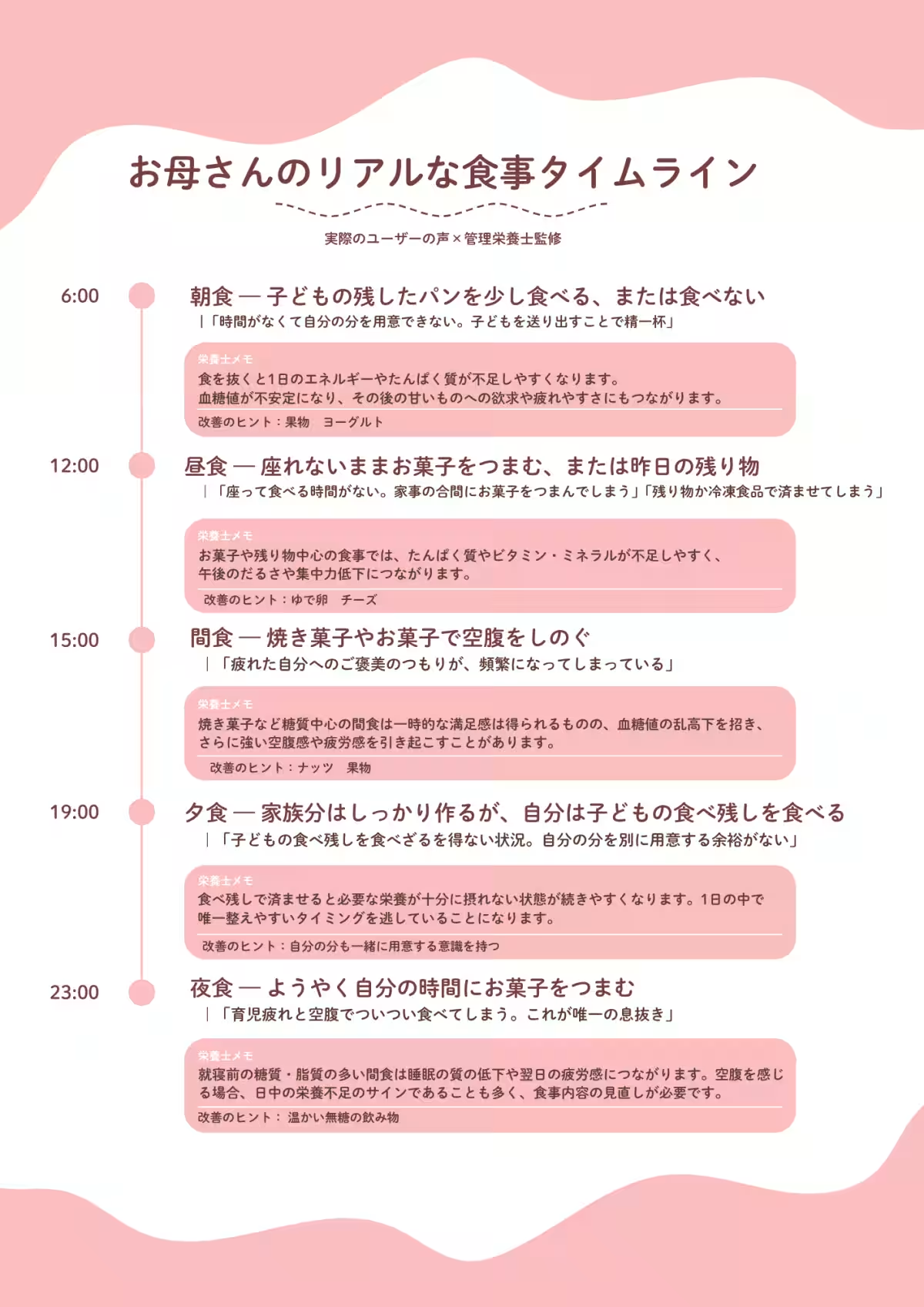
When asked about their meal choices, 82% of mothers stated they prioritize their family’s meals. Furthermore, 72% confessed they often postpone their own meals for the sake of their families. This self-sacrificial trend has raised alarms, as almost half of the mothers recognize a lack of nutritional balance in their diets. The message is clear: mothers, while being the backbone of family health, often neglect their own dietary needs.
Health Concerns Among Mothers
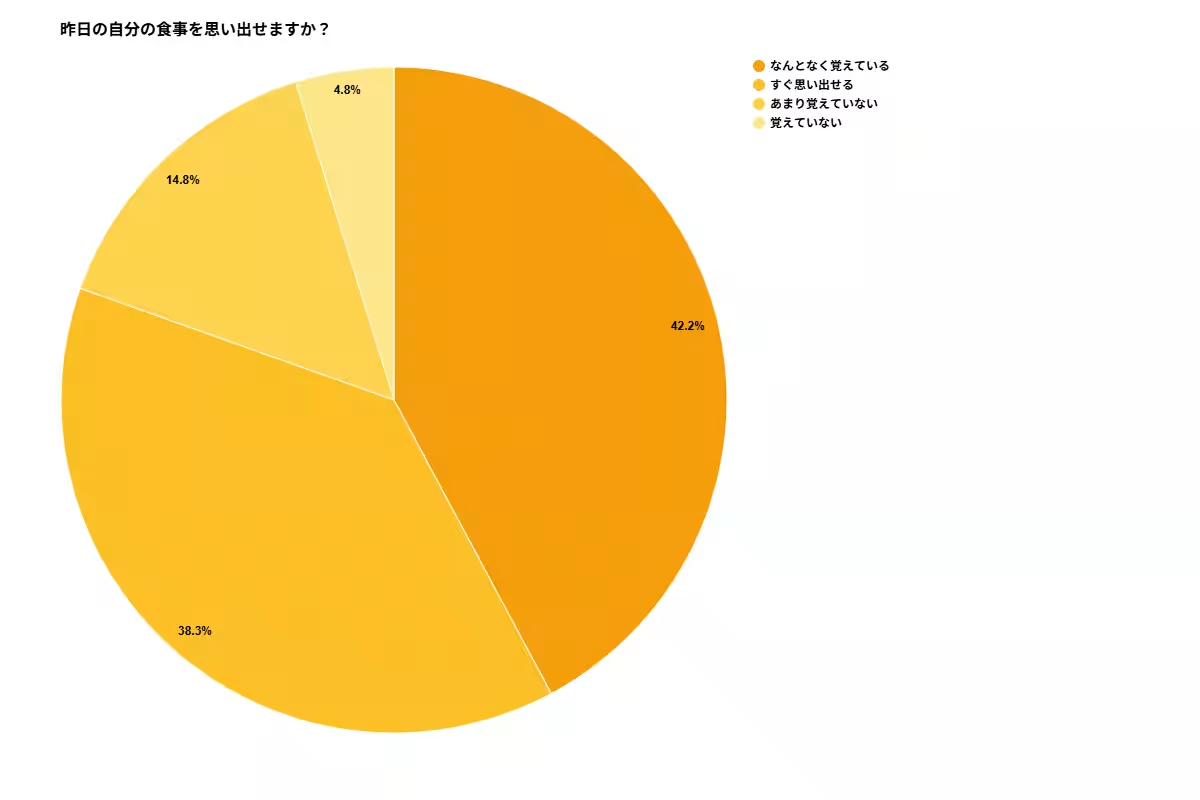
Despite showing high concern for their health, about 75% of mothers feel anxious regarding their well-being. The survey revealed an alarming fact: one in five mothers couldn’t recall what they had eaten the previous day, indicating how submerged their own dietary needs are under familial obligations. This suggests that while mothers are aware of their health risks, they lack resources to properly address them.
The Gap in Gift-Giving Intentions
The survey went on to analyze perspectives from the younger generations regarding their mothers’ health. While about 49% reported having worried about their mothers' dietary habits, only 30% intended to gift health or nutrition-related items for Mother's Day. This stark contrast between concern and action reveals an invisible disconnect in familial understanding of health priorities.
Real-Life Impact
The research highlights the overwhelming tendency for mothers to deprioritize themselves, often unconsciously. Saori Ogawa, a registered dietitian, emphasized that sustained neglect of self-care, including irregular eating patterns, can lead to deficits in essential nutrients, resulting in fatigue and low sleep quality, which in turn can impact family dynamics.
Ogawa advocates for small steps: “Mothers should start preparing meals for themselves along with their families or eat even a bite during breakfast.” These small changes can serve as building blocks for better health, which ultimately contributes to family well-being.
CHONPS: A Solution for Nutritional Guidance
To bridge these gaps, CHONPS offers tailored nutritional support through its platform. Employing a vast network of registered dietitians, they provide personalized meal plans and continuous dietary advice, aiming to reduce food waste while supporting healthier lifestyles. This emphasizes not only addressing the current concerns of mothers but also enables children to understand and engage in their mothers' health needs effectively.
Conclusion
The findings from the Nwith survey illuminate a critical issue: while mothers are increasingly aware of their health concerns, they continue to place family ahead of themselves. This can lead to inadequate self-care practices that not only affect mothers but ultimately the entire family unit. The upcoming Mother's Day serves as an ideal opportunity to reflect on these insights, with the hope for children to prioritize their mothers' health needs in a more tangible way.
Contact Information
For more information on the survey or services provided by CHONPS, please visit: CHONPS.
For inquiries regarding this article, please contact Nwith at:
Email: [email protected]
Phone: 03-6899-5499

Topics Health)
【About Using Articles】
You can freely use the title and article content by linking to the page where the article is posted.
※ Images cannot be used.
【About Links】
Links are free to use.