



Consumer Spending Trends and Economic Outlook in Japan for 2026
Understanding Consumer Spending Trends in Japan
Recently, Cross Marketing conducted a detailed consumer behavior survey involving 1,200 individuals aged 20 to 69 across all 47 prefectures in Japan. The survey, which took place from May 1 to May 5, 2026, aimed to gather insights into the current economic climate, consumer spending patterns, and expectations for the year ahead.
Key Findings of the Survey
Increased Income but Rising Food Costs
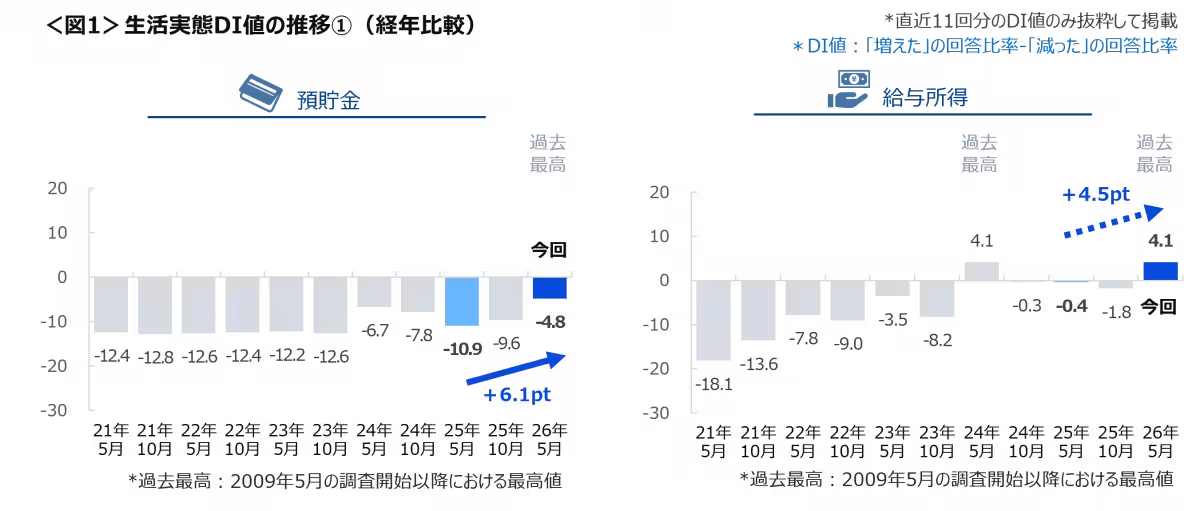
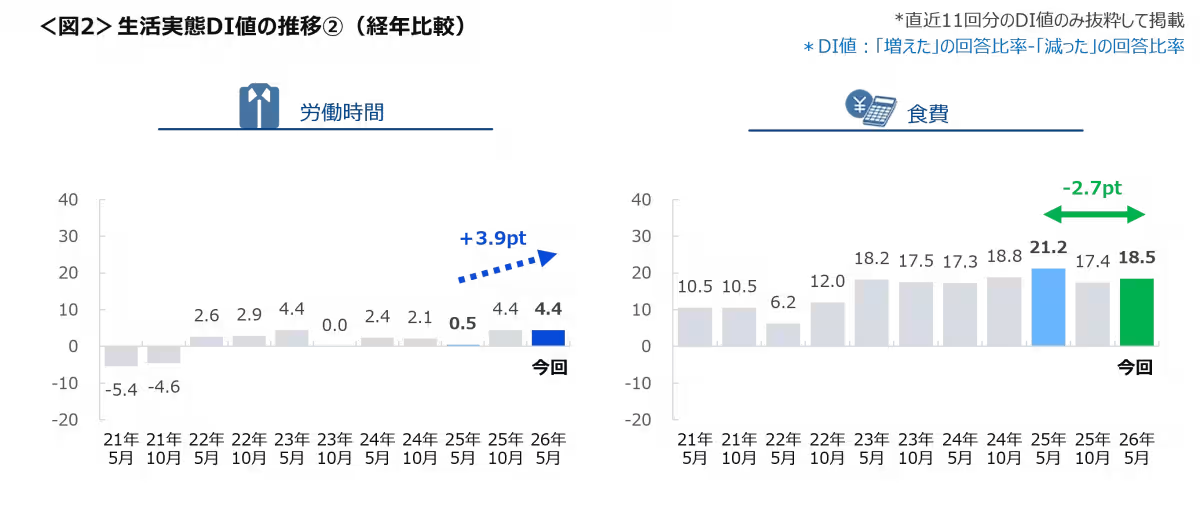
The survey revealed positive changes in personal finances, with savings showing an increase of 6.1 points, wages growing by 4.5 points, and labor hours rising by 3.9 points compared to the previous year. However, despite this financial growth, concerns over global economic instability have led to a slight decrease of 2.7 points in food expenses. Respondents indicated a heightened awareness of financial security, suggesting they are cutting back on food expenditures out of necessity.
Shifting Consumer Behavior
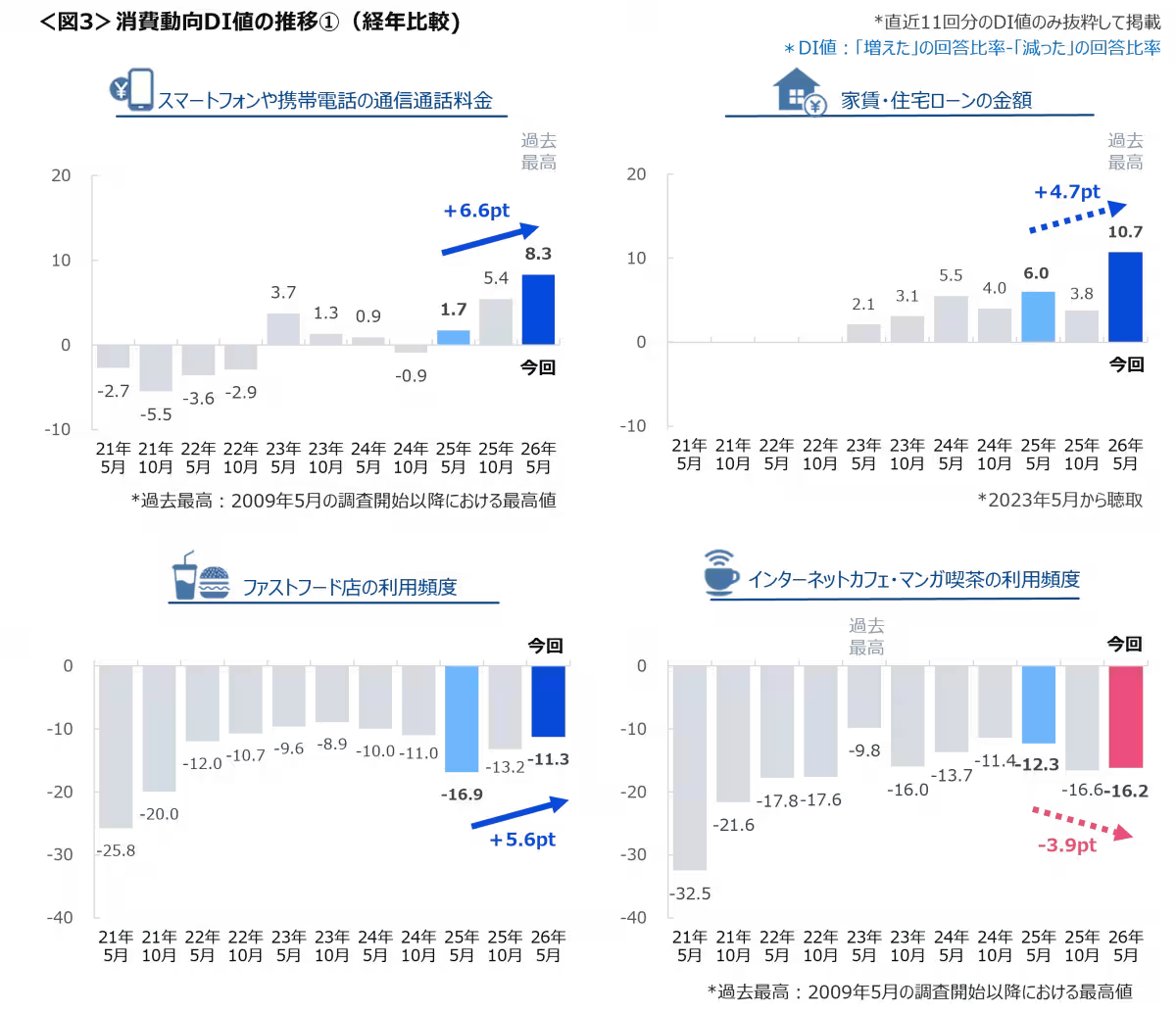
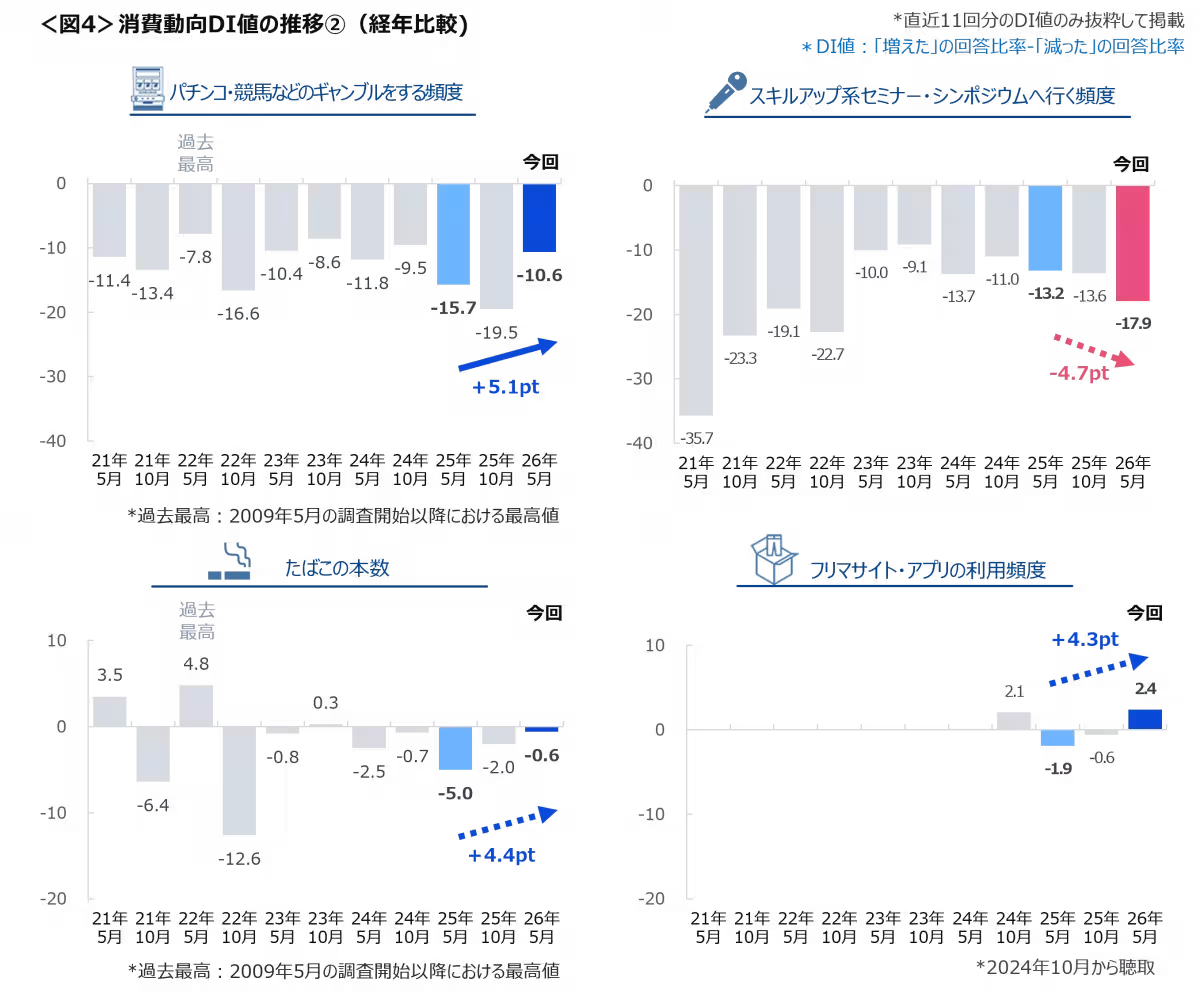
While basic smartphone plans and housing costs have reached record highs due to increasing utility fees and interest rates from the Bank of Japan, consumer behavior is adapting. Many are turning to cost-effective options, with an increase in visits to fast-food outlets and heightened usage of online flea market platforms. Notably, participation in gambling activities such as pachinko and horse racing has risen, potentially linked to economic changes and taxation adjustments. Conversely, the frequency of visits to internet cafes and seminar events has seen a decline.
Economic Outlook and Consumer Predictions
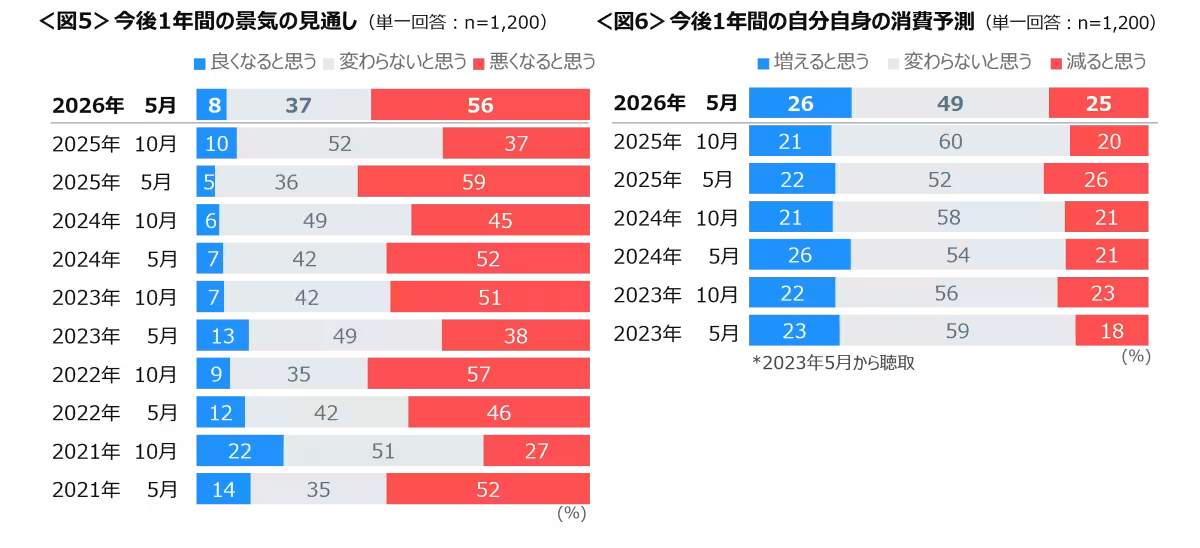
When asked about future economic conditions, 56% of respondents anticipated a downturn, marking one of the highest percentages since 2021. In terms of personal spending predictions for the upcoming year, 49% believed their spending habits would remain unchanged, while the remainder are split between expecting increases or decreases in their expenditures.
Cashless Payments and Self-Checkout Services
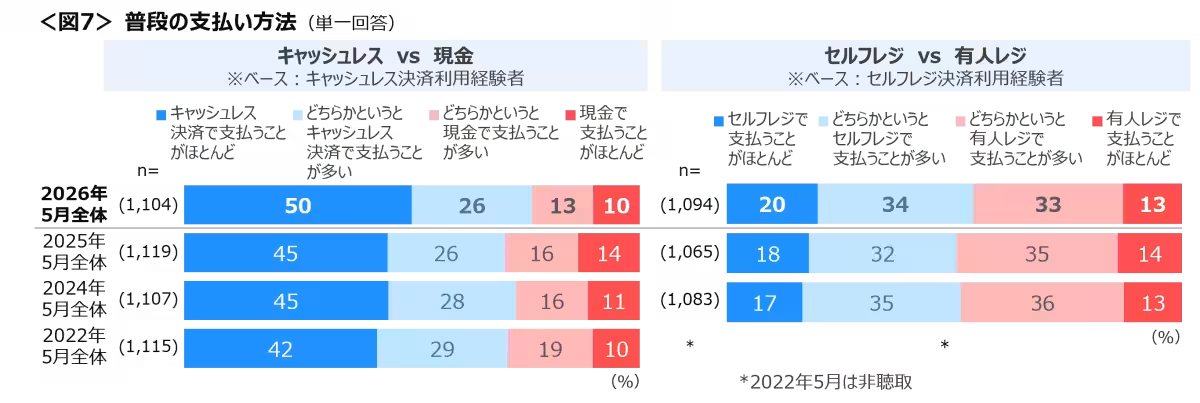
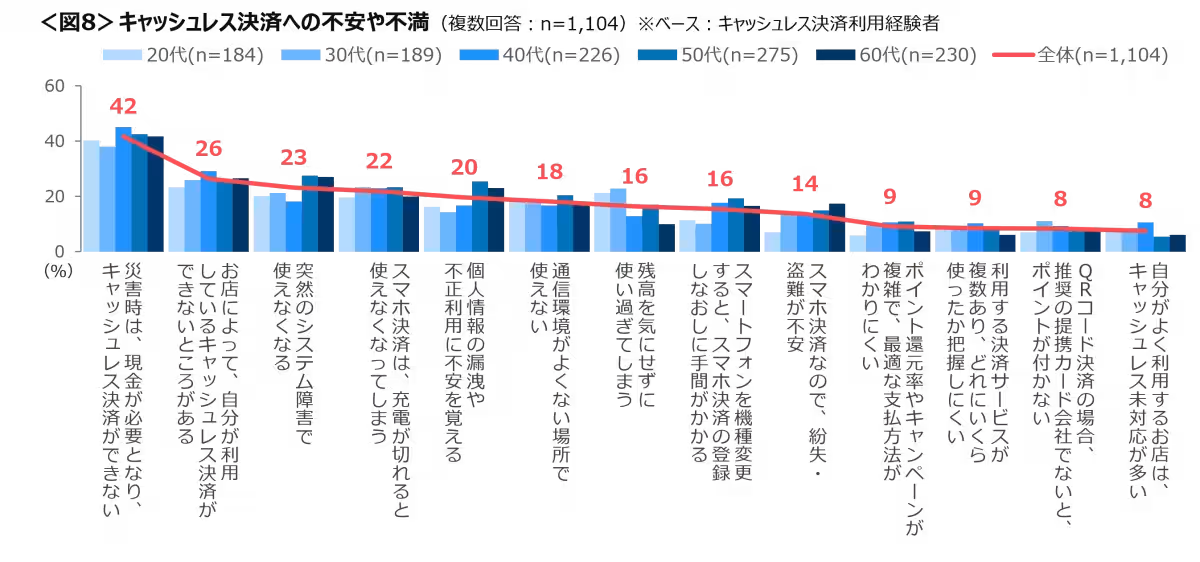
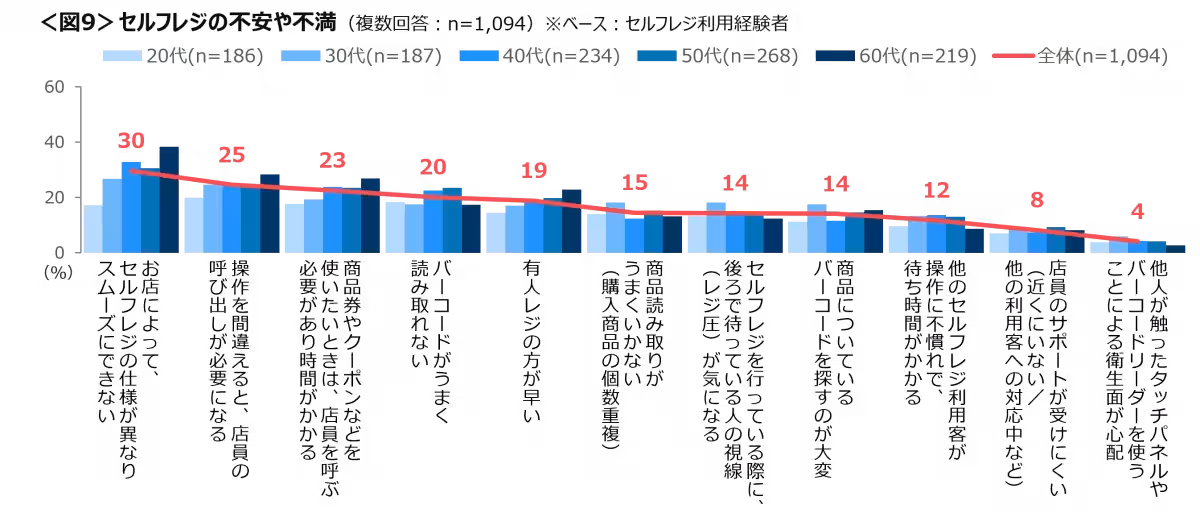
The adoption of cashless payment methods continued to grow, with 50% of respondents indicating that they primarily use cashless options for daily transactions. Additionally, 20% reported utilizing self-checkout services regularly. Despite this trend, concerns remain over the practicality of cashless transactions during emergencies, as 42% expressed unease regarding their reliance on digital payment systems.
Dissatisfaction with self-checkout processes is most prominent among older demographics, highlighting operational inconsistencies and the need for staff assistance in various scenarios.
Conclusion
The findings of the Cross Marketing survey illustrate the juxtaposition of increased personal income alongside rising living costs, particularly in food and essential services. As consumers navigate these changes, a cautious approach is evident, with many prioritizing financial security while adapting spending habits. With a significant portion of individuals fearing economic decline, businesses and policymakers need to pay close attention to these evolving consumer trends as they prepare for the year ahead.
For further insights and detailed statistics, the full report is available for download at Cross Marketing's official website.
Topics Consumer Products & Retail)
【About Using Articles】
You can freely use the title and article content by linking to the page where the article is posted.
※ Images cannot be used.
【About Links】
Links are free to use.