



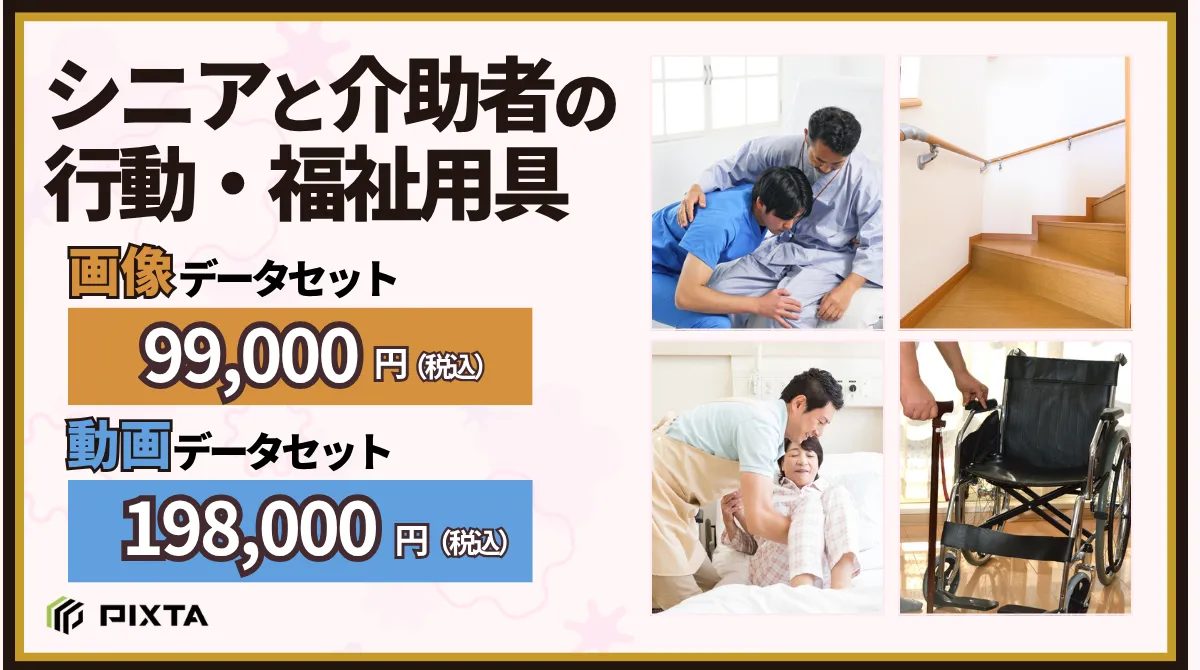
PIXTA Launches Data Sets for AI Development in Elderly Care and Assistance
The Launch of Innovative AI Data Sets by PIXTA
In a bid to bridge the increasing gap in elderly care and technological advancements, PIXTA Inc., a leading marketplace for photos, illustrations, videos, and music based in Shibuya, Tokyo, has announced the launch of two specialized data sets aimed at AI development: the "Elderly and Caregiver Action Image Data Set" and the "Elderly and Caregiver Action Video Data Set." Known for its robust infrastructure and a massive inventory of commercial-use content, PIXTA is primed to support developers and researchers in the healthcare sector.
Data Set Overview
Both data sets can be purchased individually, and they include:
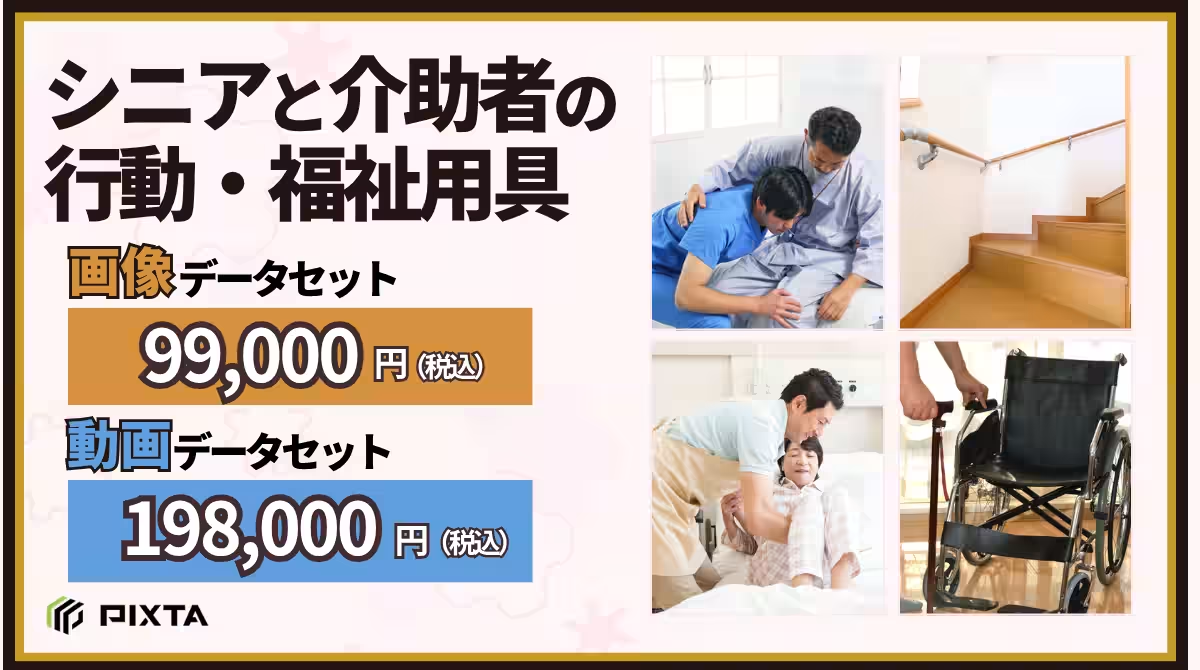
- - 1,000 Image Data Points for a price of 99,000 yen (tax included)
- - 50 Video Data Points for a total of 198,000 yen (tax included)
Image Data Set
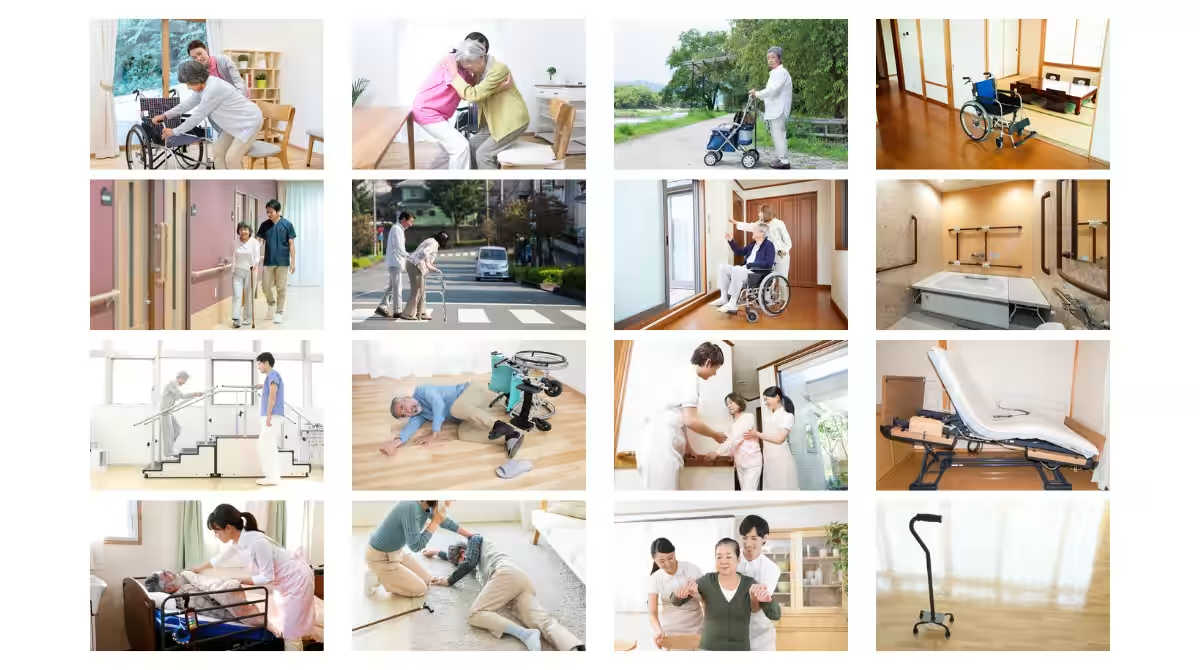
This provides comprehensive visuals depicting the actions and behaviors of elderly individuals and their caregivers, including:
- - Transition actions from a bed to a wheelchair
- - Supportive walking with canes or handrails
- - Usage of various assistive devices such as wheelchairs, nursing beds, and support grips
Each image captures full-body perspectives in various settings, including residential and facility environments, ensuring clarity in conveying critical actions that caregivers frequently assist with.
Video Data Set
The video data set focuses on capturing actions and interactions in real-time. It is particularly valuable for developing AI models aimed at identifying critical behaviors and motions during caregiving processes. This resource is expected to enhance the effectiveness and accuracy of behavioral recognition models across diverse scenarios.
Applications and Services
Given Japan's rapidly aging population, with an increasingly steep 29.4% elderly rate, the demand for efficient AI-driven assistance in elderly care is paramount. The data sets provided by PIXTA are tailored for various applications, including but not limited to:
- - Daily Action Visualization: Facilitating the construction of recognition models for mobility and daily activities.
- - Behavior Analysis: Utilizing diverse backgrounds in the training data to analyze stay patterns and environmental interactions.
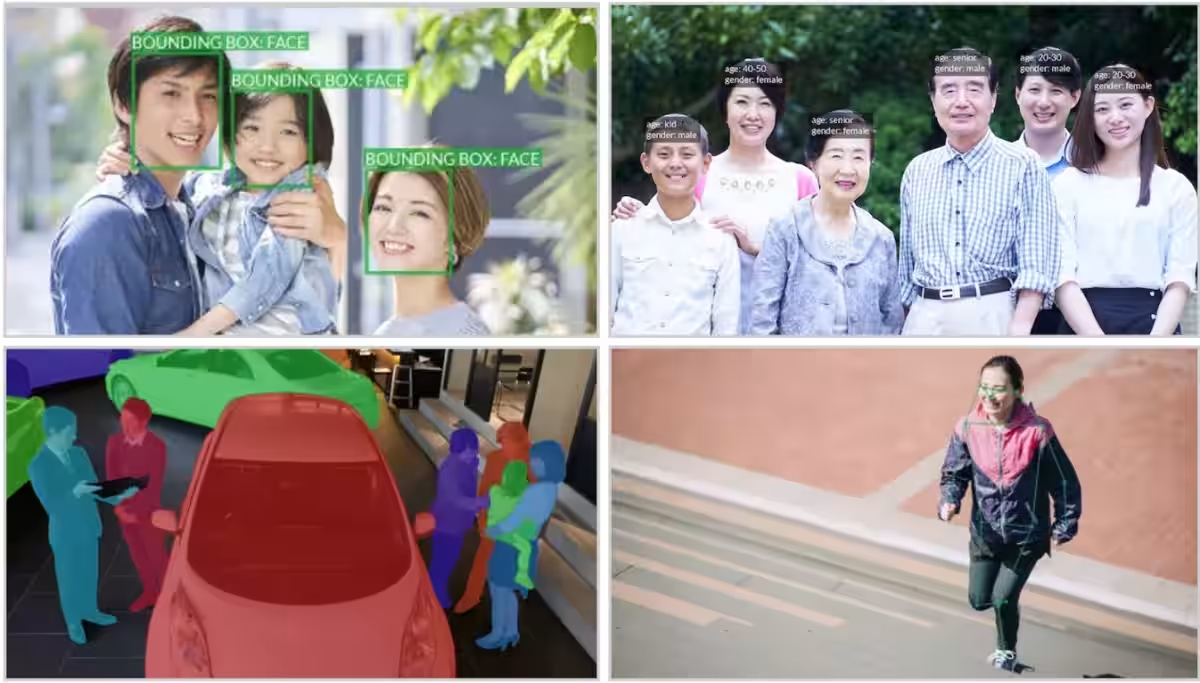
- - Object Detection and Pose Estimation: Training models to detect assistive equipment accurately and help in posture tracking and motion analysis specific to seniors.
Industries expected to benefit from these data sets include healthcare, security, appliance manufacturing, robotics, and academia. Each sector stands to gain immensely, from improving accident prevention in facilities to refining autonomous movement for supportive robots.
Tackling Current Challenges
The launch also addresses the existing lack of locally applicable data for AI training. Many current datasets are based on international standards or scenes, leaving substantial gaps regarding Japan's healthcare context and the nuanced environments within which caregivers operate. PIXTA aspires to fill this gap, providing tailored content for AI training that considers Japan's unique housing and caregiving situations.
Future Prospects
As the demand for proficient caregiving solutions rises, the opportunities for innovative AI technologies grow exponentially. PIXTA's mission is to support developers and researchers in creating efficient and safe eldercare systems using realistic environments and interactions captured in their data sets.
For more information on how to acquire these data sets, you can visit PIXTA's dedicated machine learning dataset page. The company encourages both institutional and individual inquiries to further discuss specific data needs and annotations required for unique projects.
- ---
With an experienced team ready to provide support for machine learning applications and a pledge to enhance the quality of care for the elderly, PIXTA stands at the forefront of an essential technological evolution in Japan's caregiving landscape.
Topics Consumer Technology)
【About Using Articles】
You can freely use the title and article content by linking to the page where the article is posted.
※ Images cannot be used.
【About Links】
Links are free to use.