



The Importance of Skin Checks for Aging Parents During Obon Visits
The Importance of Skin Checks for Aging Parents During Obon Visits
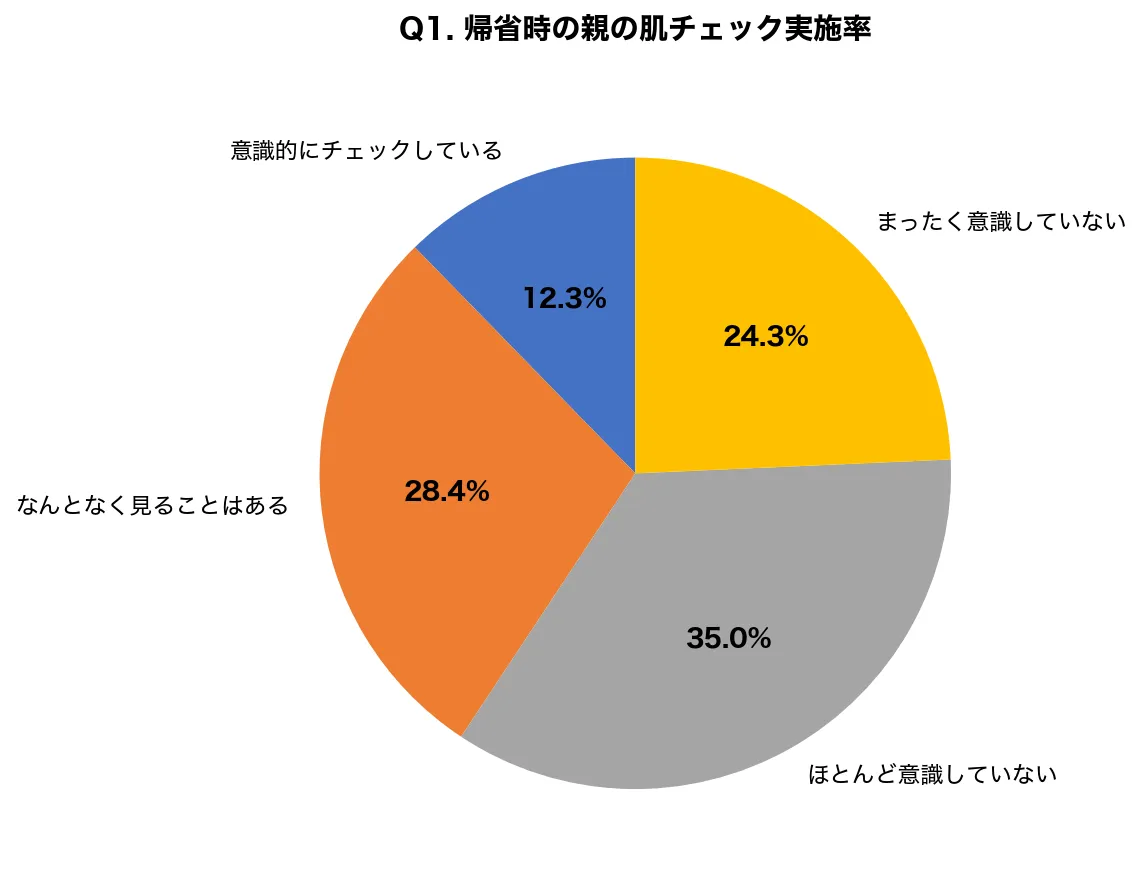
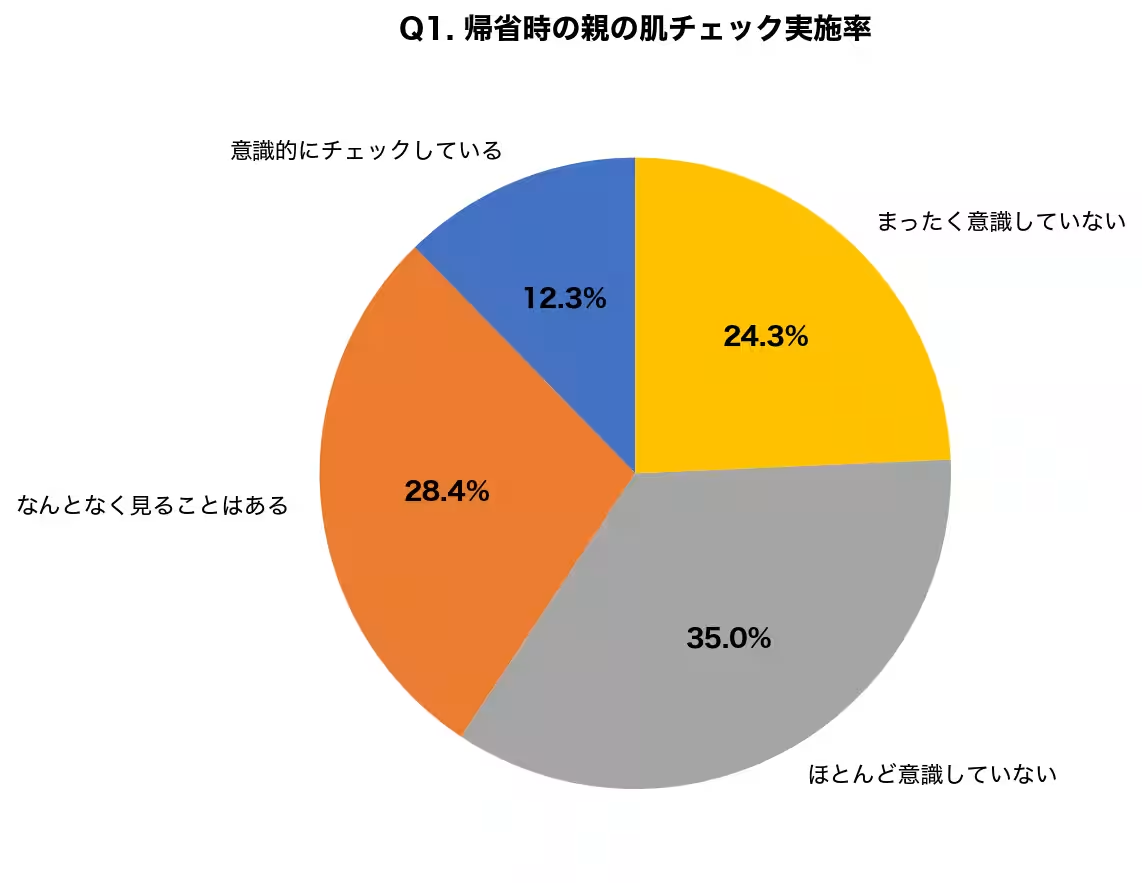
During the Obon holiday season, a time when families reunite, a concerning study reveals that only 12.3% of individuals actively check their aging parents’ skin for abnormalities. With 70% of elderly individuals showing increased signs of skin damage such as senile keratosis or potentially skin cancer, this raises critical questions about awareness and responsibility among family members.
The Findings
The study, conducted by the IC Clinic, highlights several alarming trends:
- - 87.7% of individuals do not check their parents' skin condition when visiting. This lack of awareness can prevent early detection of serious conditions such as skin cancer.
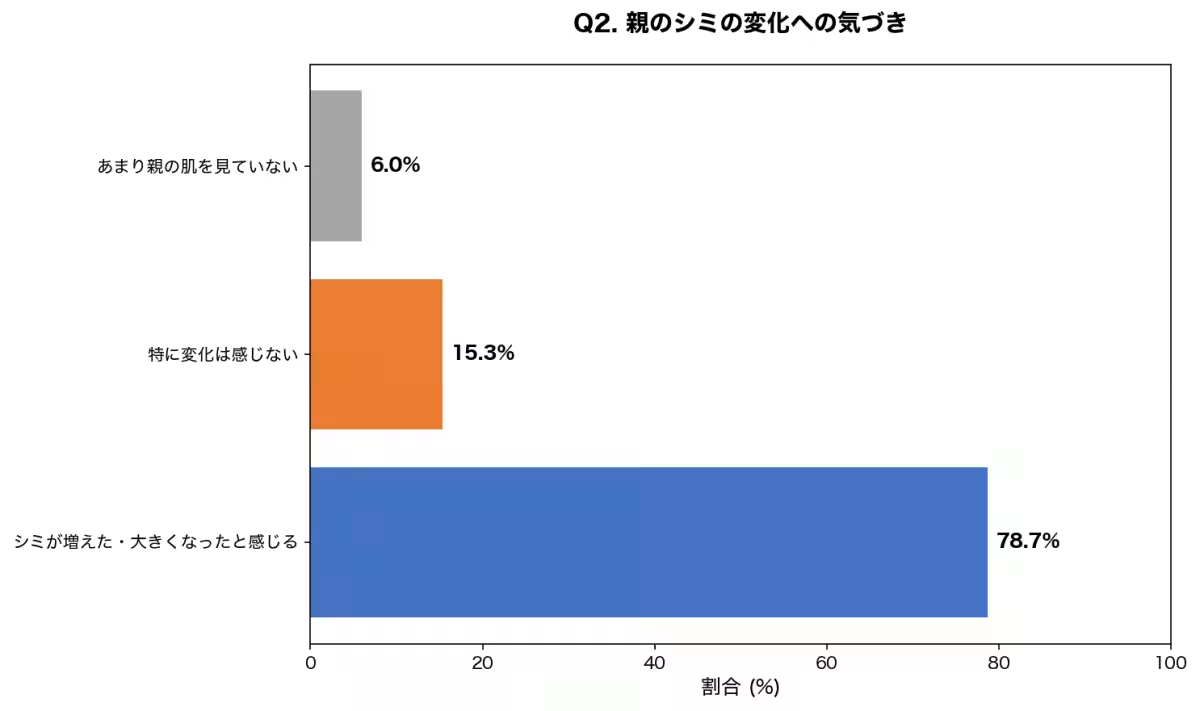
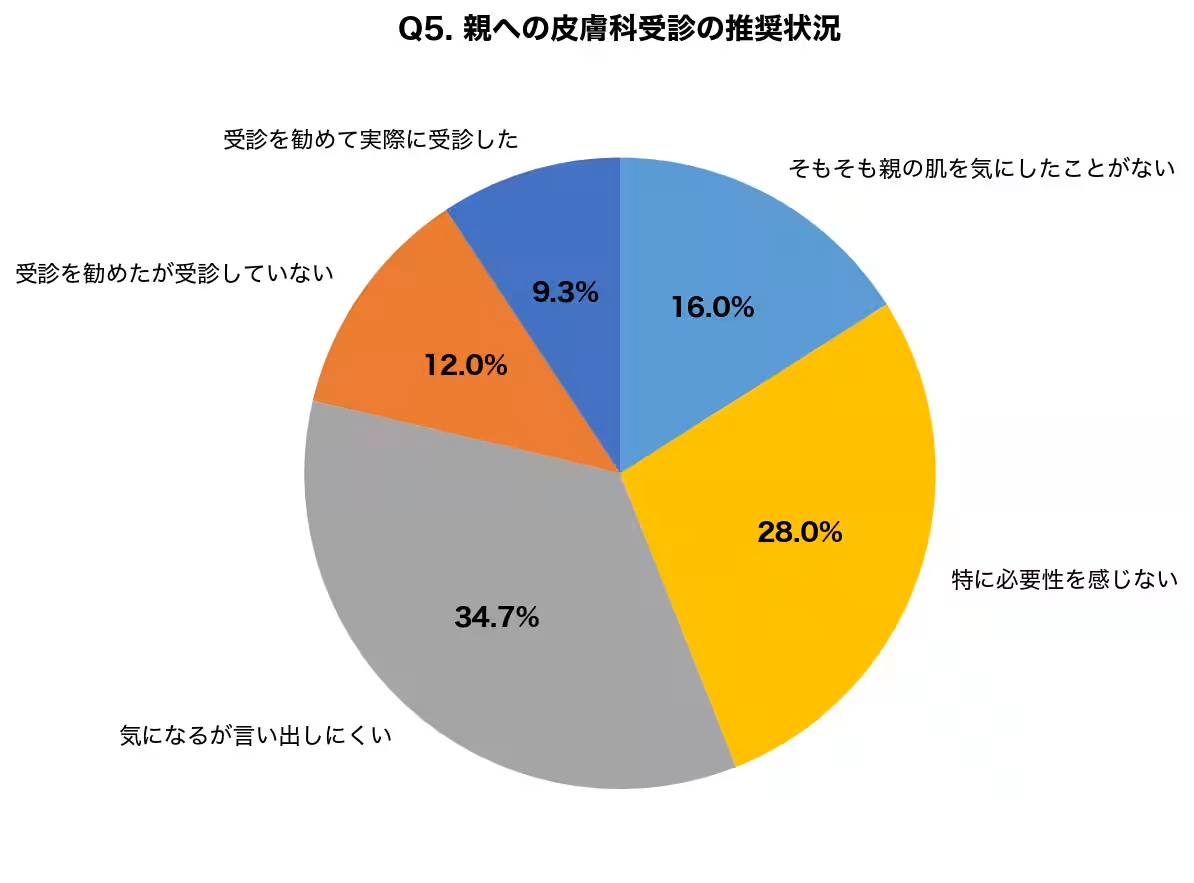
- - While 78.7% of respondents noted a change in their parents' skin, only 9.3% encouraged them to seek dermatological help. Many assumed the changes were just signs of aging without recognizing the potential risks.
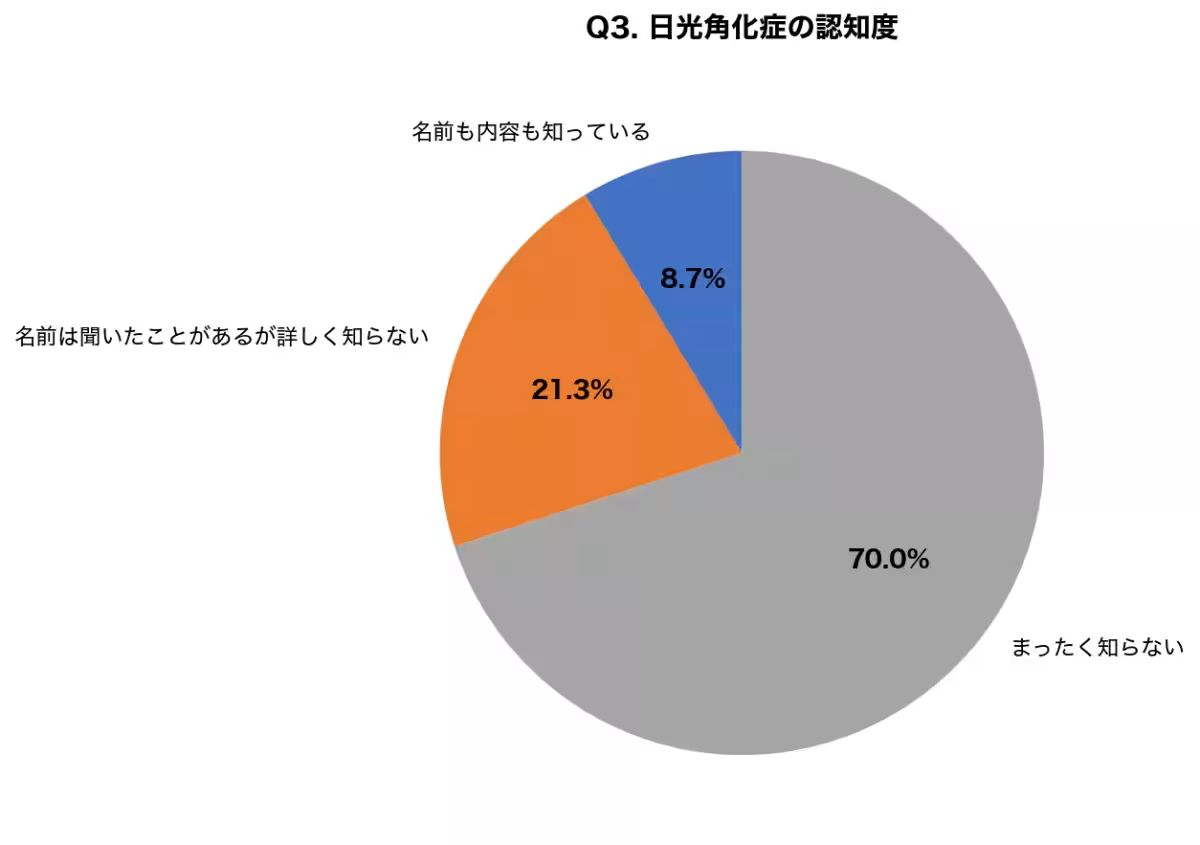
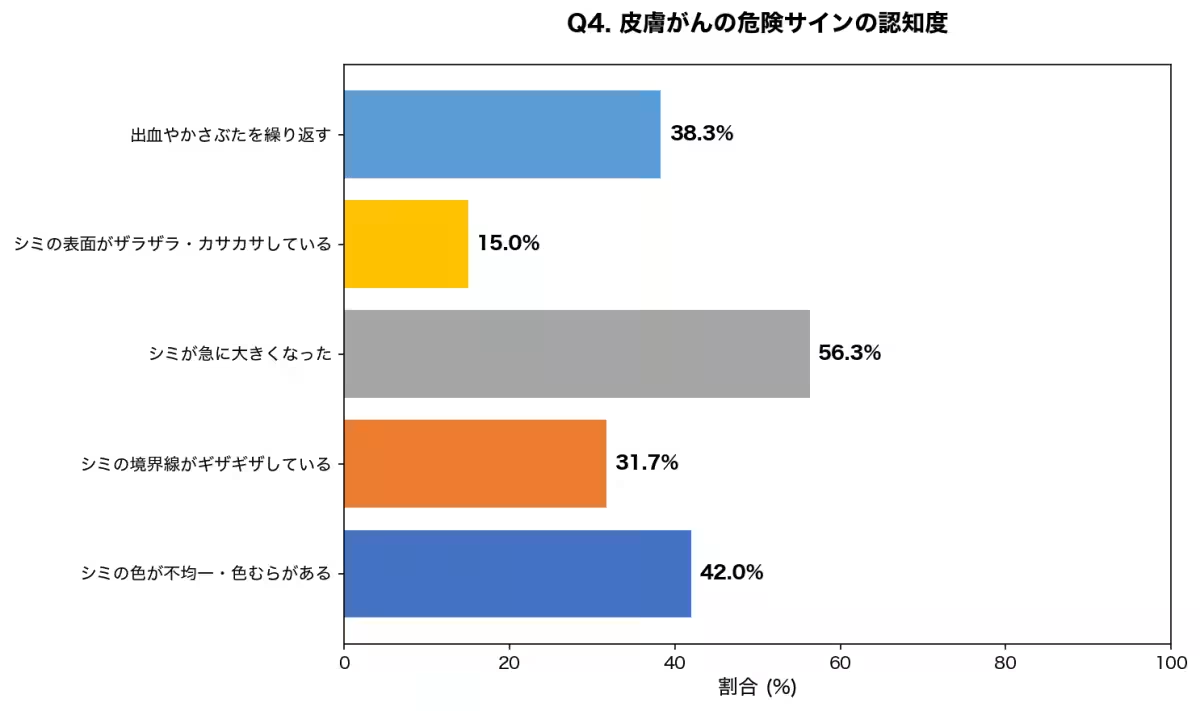
- - Interestingly, only 15% of those surveyed were aware that rough, dry skin could signify precancerous conditions, such as sun damage, which can escalate to skin cancer if ignored.
Understanding Skin Changes
The study also distinguishes between sun damage and regular skin spots:
- - Senile Keratosis: Characterized by rough, dry patches that may become red or irritated. This condition is often the precursor to skin cancers like squamous cell carcinoma.
- - Skin Cancer Signs (ABCDE Criteria): The early signs include:
- Border Irregularity: Scalloped or poorly defined borders.
- Color Variation: Variations in color (black, brown, or red).
- Diameter: Larger than 6 mm.
- Evolution: Any change in size, shape, or color.
A significant point made from the survey indicates that individuals must learn to recognize these changes in their loved ones’ skin during visits, as their health could depend on it.
Healthcare Insights
Dr. Kota Takakuwa, a skin cancer specialist at the IC Clinic, emphasizes the importance of family awareness in detecting skin ailments early. With a practice spanning over 15 years and experience handling over 30,000 cases, Dr. Takakuwa highlights that most skin issues can be effectively treated if caught early. Typical advice he offers his patients includes the following:
- - When observing a parent’s skin, look primarily on areas that receive frequent sun exposure: the face, head, hands, and arms.
- - Changes like the appearance of new spots or existing ones changing in size or surface texture should compel a quick visit to a dermatologist.
- - The conversation about skin health should occur naturally, perhaps starting with general health inquiries during family gatherings.
Closing Thoughts
The survey results point toward a gap in awareness that needs addressing, especially as aging populations are more susceptible to skin health issues. Family members should prioritize discussing skin health during the Obon holiday as a proactive measure not only for their parents' well-being but also for their family's overall health awareness.
Summary
Recognizing changes in the skin should be a fundamental part of family health checks during visits. Emphasizing mutual observation and care for aging relatives can foster an environment of awareness and action, ultimately saving lives through early intervention.
Topics Health)
【About Using Articles】
You can freely use the title and article content by linking to the page where the article is posted.
※ Images cannot be used.
【About Links】
Links are free to use.