



Summer Skin Troubles: Sleep Deprivation as a Major Cause Revealed in Study
Understanding the Link Between Sleep and Summer Skin Issues
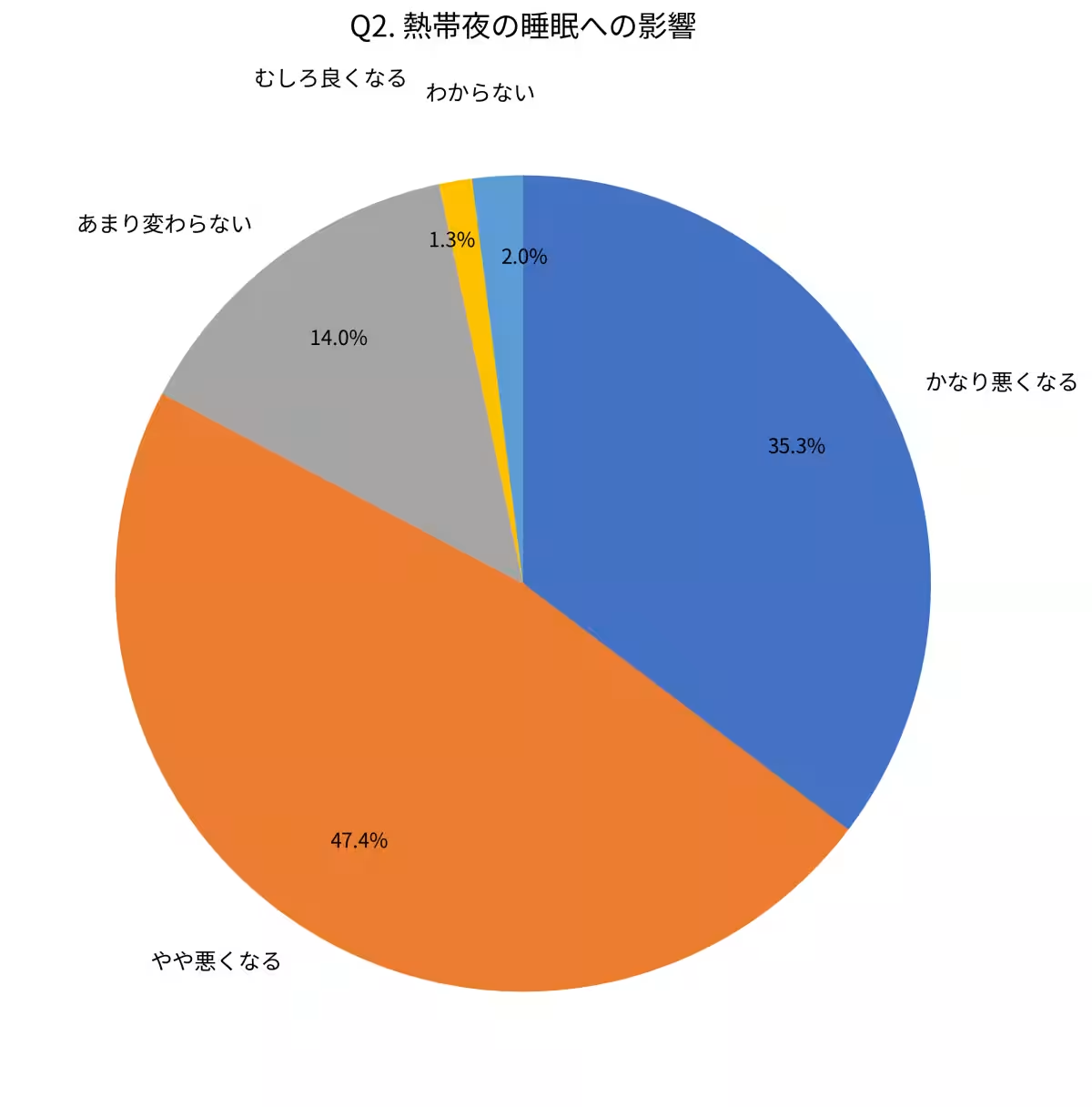
As temperatures soar during the summer months, many experience discomfort not just from the heat but also from skin troubles that can arise. A recent survey conducted by the IC Clinic has brought to light some alarming statistics regarding the relationship between sleep and skin health during the hot season. Given the tropical nights that plague many regions in summer, hardly anyone manages a restful night’s sleep.
Key Findings from the Study
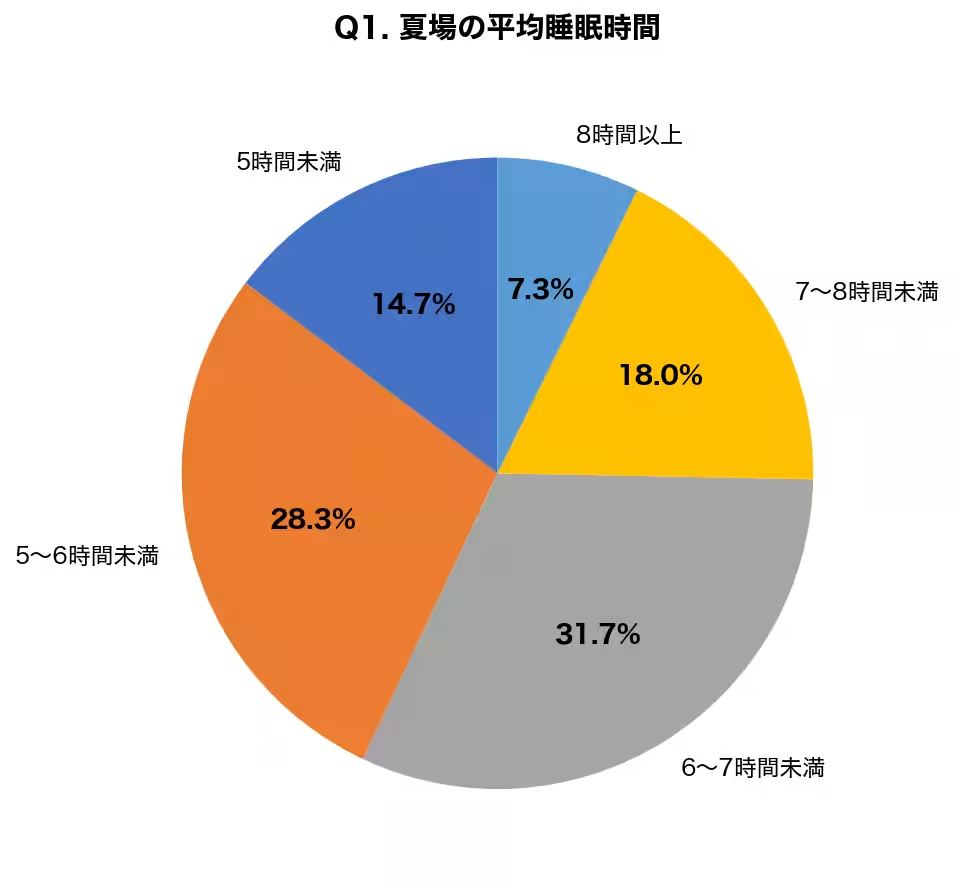
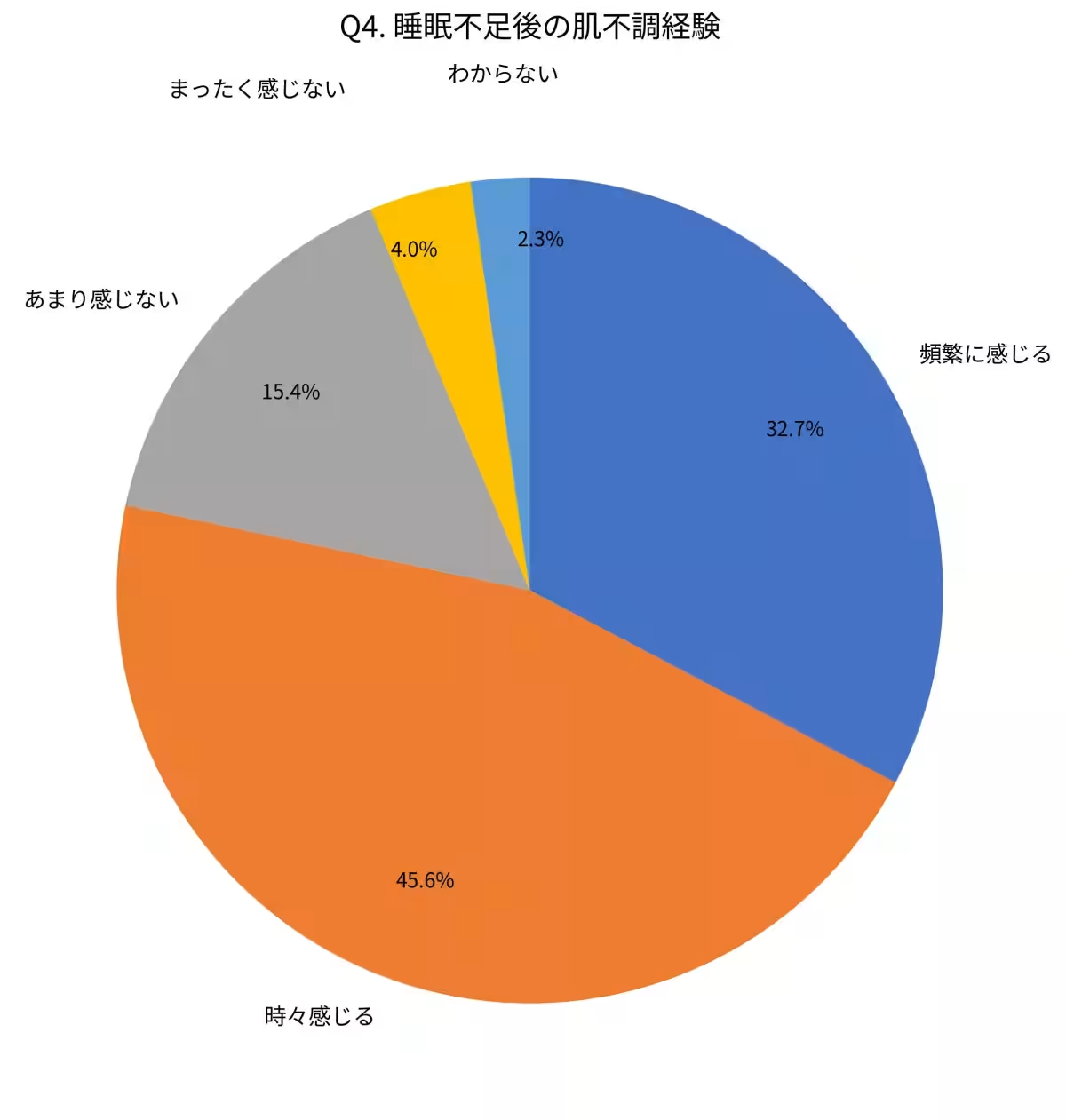
The survey, which gathered responses from 300 individuals aged 20 to 50 across Japan, found that a staggering 78.3% of people suffering from summer skin issues acknowledged that they feel sleep-deprived. Additionally, about 82.7% reported feeling they could not sleep well on tropical nights. It was revealed that 79.2% of those who sleep less than six hours a night experience skin problems during the summer.
Causes of Summer Skin Troubles
The research highlighted that sleep deprivation disrupts the secretion of growth hormones during sleep, which are crucial for skin cell turnover. The skin typically undergoes a regeneration process every 28 to 56 days—this cycle can be significantly thrown off by inadequate sleep, leading to conditions such as acne, dryness, and dullness in the skin.
- - Understanding Turnover: Skin turnover is the process where old cells are shed and replaced. Disrupted sleep reduces the skin's ability to regenerate, leading to visible skin issues.
- - Importance of Growth Hormones: Growth hormones, which play a crucial role in cellular repair, are primarily secreted during deep sleep. Any disturbance in sleep can lead to a decrease in these essential hormones, resulting in compromised skin health.
- - Impact of Tropical Nights: Defined as nights when the temperature does not dip below 25°C, tropical nights contribute to poorer sleep quality, which in turn affects the body’s recovery mechanisms and skin repair processes.
Skin Trouble Statistics
The differences in skin trouble experiences based on sleep duration were stark:
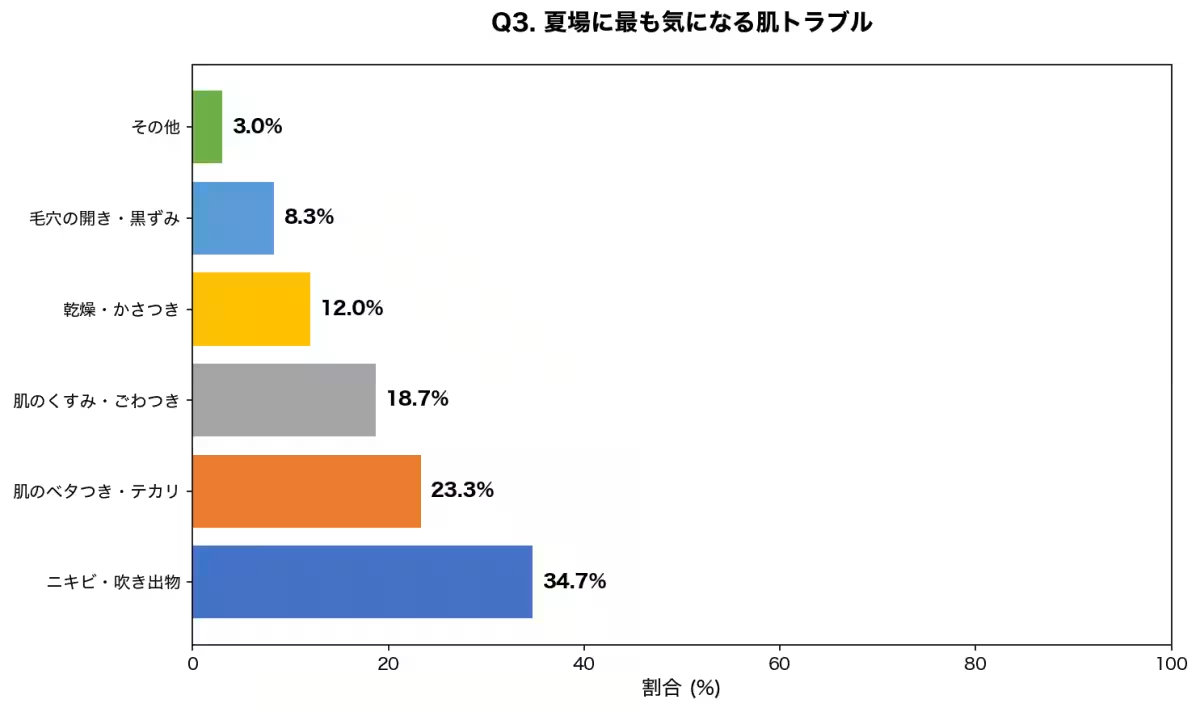
- - Acne prevalence: 67.4% among those sleeping under six hours compared to 38.6% for those sleeping more.
- - Dullness and roughness: 58.9% for sleep-deprived individuals versus 31.2% for those who enjoyed longer sleep.
- - Feelings of slow skin recovery: 71.5% of shorter sleepers felt their skin took longer to recover than those who slept longer (35.8%).
These numbers indicate a significant correlation between inadequate sleep and increased occurrences of skin troubles.
The Call for Awareness
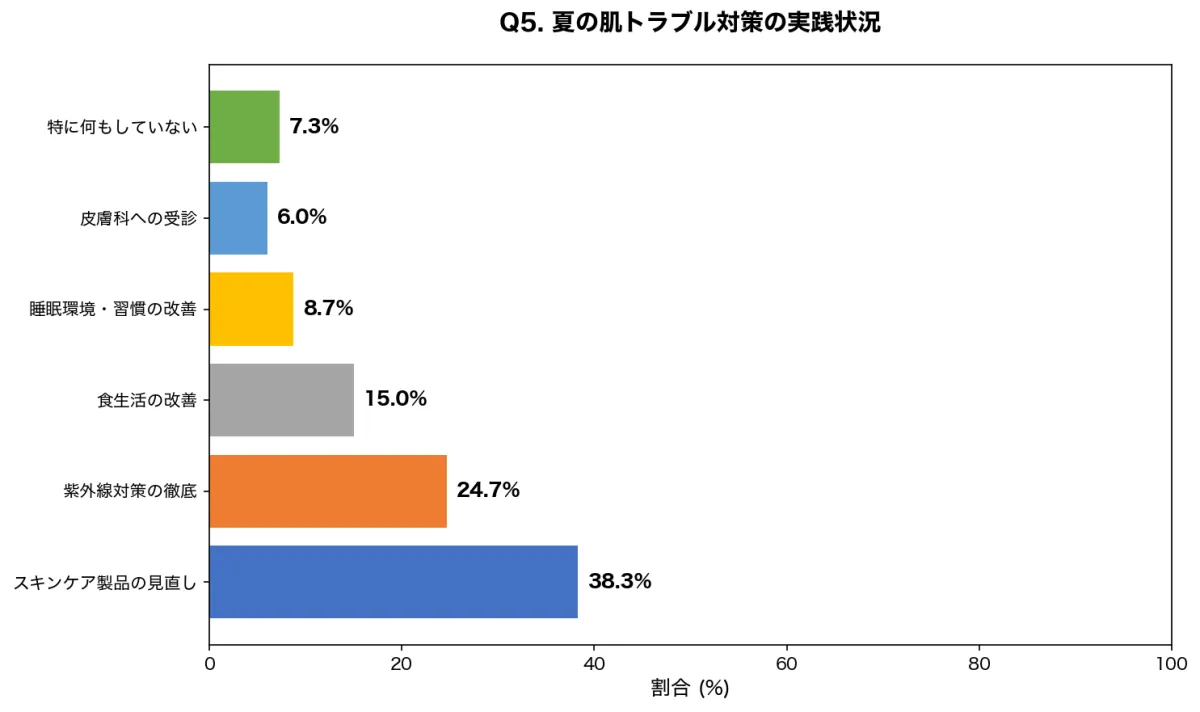
While skincare has often taken center stage in discussions about skin health, this survey indicates that many seem to overlook the substantial role sleep plays in maintaining skin condition. Despite over 78% of respondents realizing their skin issues were linked to poor sleep, only 8.7% reported actively trying to improve their sleep routines. The results presented in this survey urge us to rethink our approach to summer skincare.
Expert Opinions
Dr. Kota Takakuwa, a dermatologist with over fifteen years of experience, emphasizes the direct connection between sleep disturbances and skincare shortcomings. He states that while high-quality skincare products can support the skin, none can replace the necessity of good sleep. He points out that deep sleep significantly influences skin regeneration due to increased growth hormone secretion, which is vital for repairing daily damage.
Recommendations for Better Skin Health
Embarking on a regime that includes both skincare and improved sleep hygiene can be the answer to effectively managing summer skin issues. Here are some useful tips:
- - Optimize Sleep Environment: Keep your bedroom cool, ideally between 26-28°C, and invest in breathable bedding.
- - Consistent Sleep Schedule: Aim for a solid 7-8 hours of sleep nightly to ensure adequate growth hormone secretion.
- - Manage Stress: Incorporate relaxation techniques to prepare for sleep, helping to reduce insomnia caused by summer heat.
Conclusion
As we enter the heat of summer, it’s critical to acknowledge the interconnectedness of sleep and skin health. The compelling data illustrated through this recent survey not only highlights the prevalence of sleep deprivation among summer’s victims but also showcases the urgent need for a paradigm shift in our understanding of skincare. By prioritizing sleep alongside daily skincare practices, we can protect our skin more effectively from the challenges of summer.
It is time to invest in quality sleep for the sake of healthy, radiant skin!
Topics Health)
【About Using Articles】
You can freely use the title and article content by linking to the page where the article is posted.
※ Images cannot be used.
【About Links】
Links are free to use.