



Challenges of Managing Multi-Location Networks and the Rise of Centralized Management Solutions
Understanding the Challenges of Multi-Location Network Management
Operating a business across multiple locations presents unique challenges, particularly in maintaining effective network management. A recent study conducted by Buffalo, which surveyed 330 network operations professionals working in businesses with multiple locations, highlighted the difficulties faced by these organizations in effectively managing their networks. The primary concerns identified were situational awareness of network conditions and the burden of on-site responses.
The Importance of Centralized Management Services
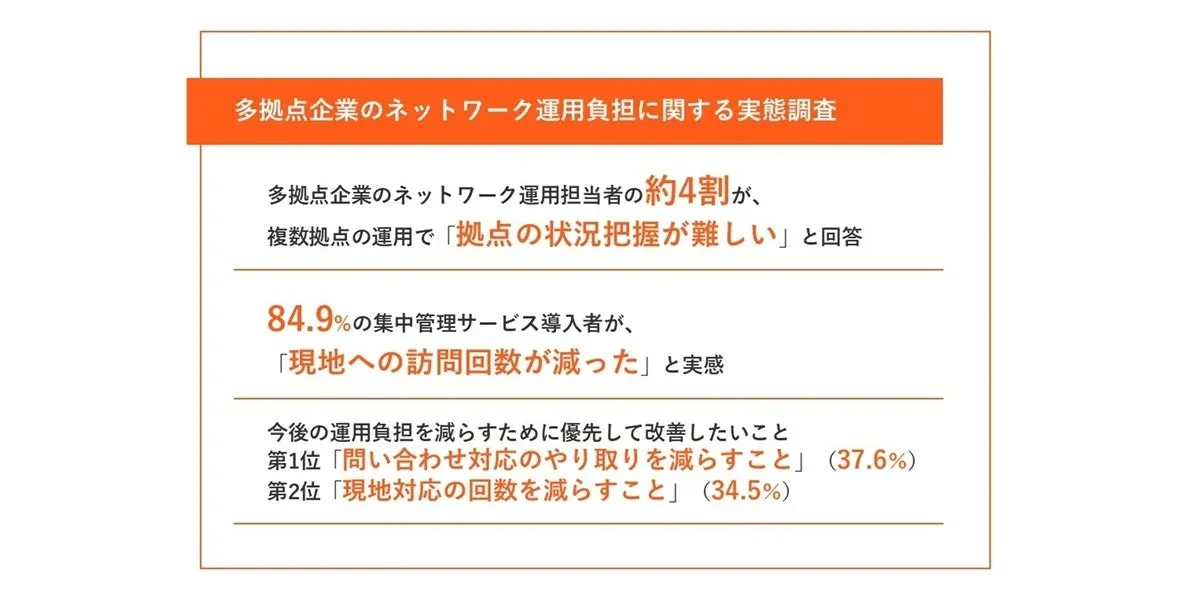
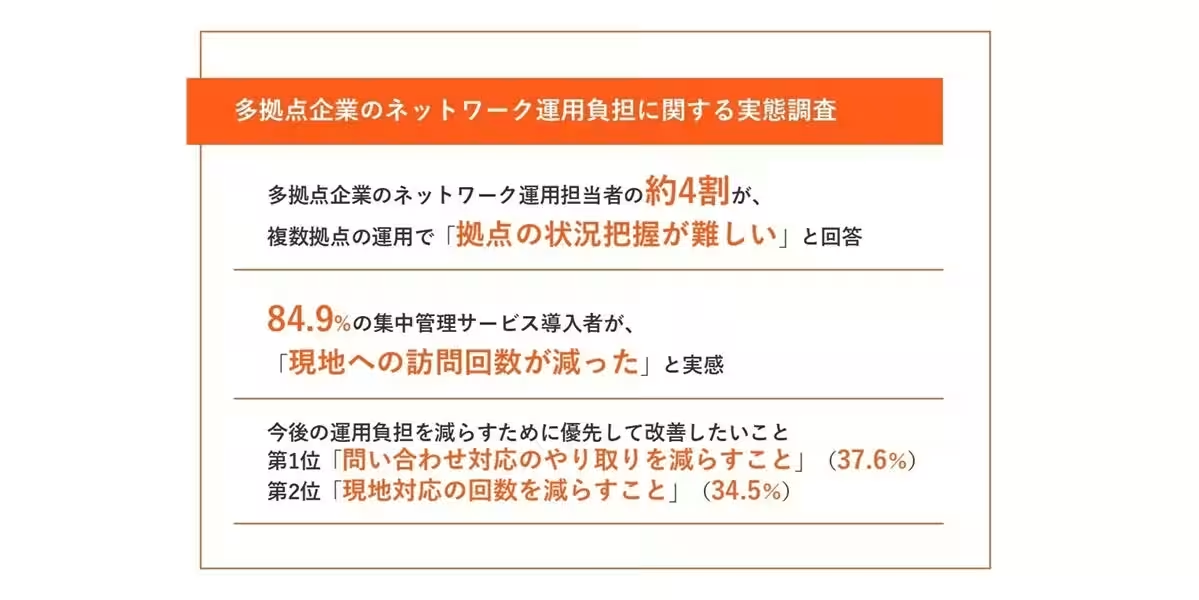
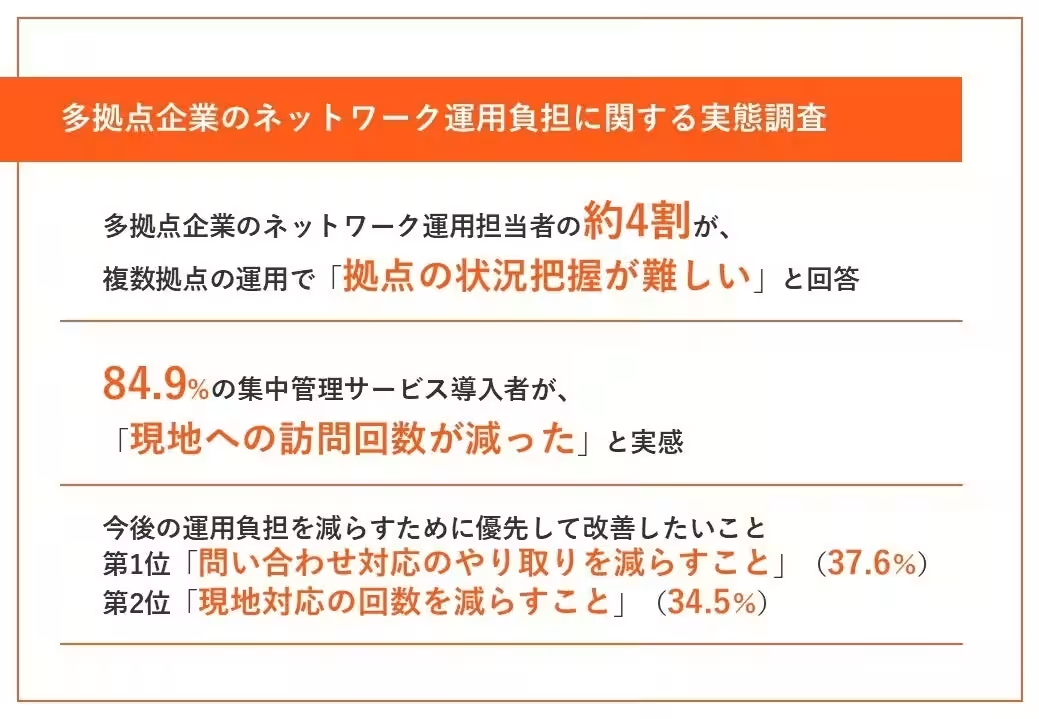
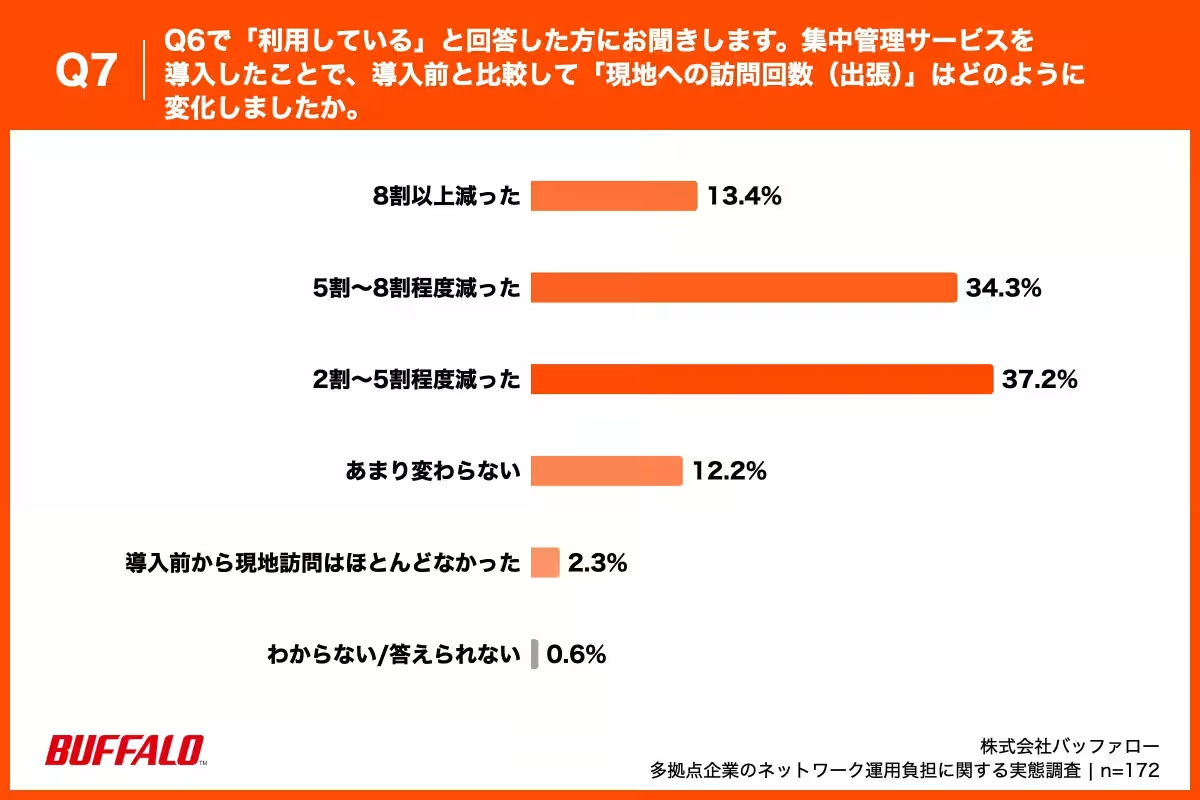
To address these challenges, centralized management services have emerged as a significant solution. An impressive 84.9% of respondents who implemented such services reported a noticeable reduction in the frequency of on-site visits, which can consume valuable time and resources.
Key Findings from the Study
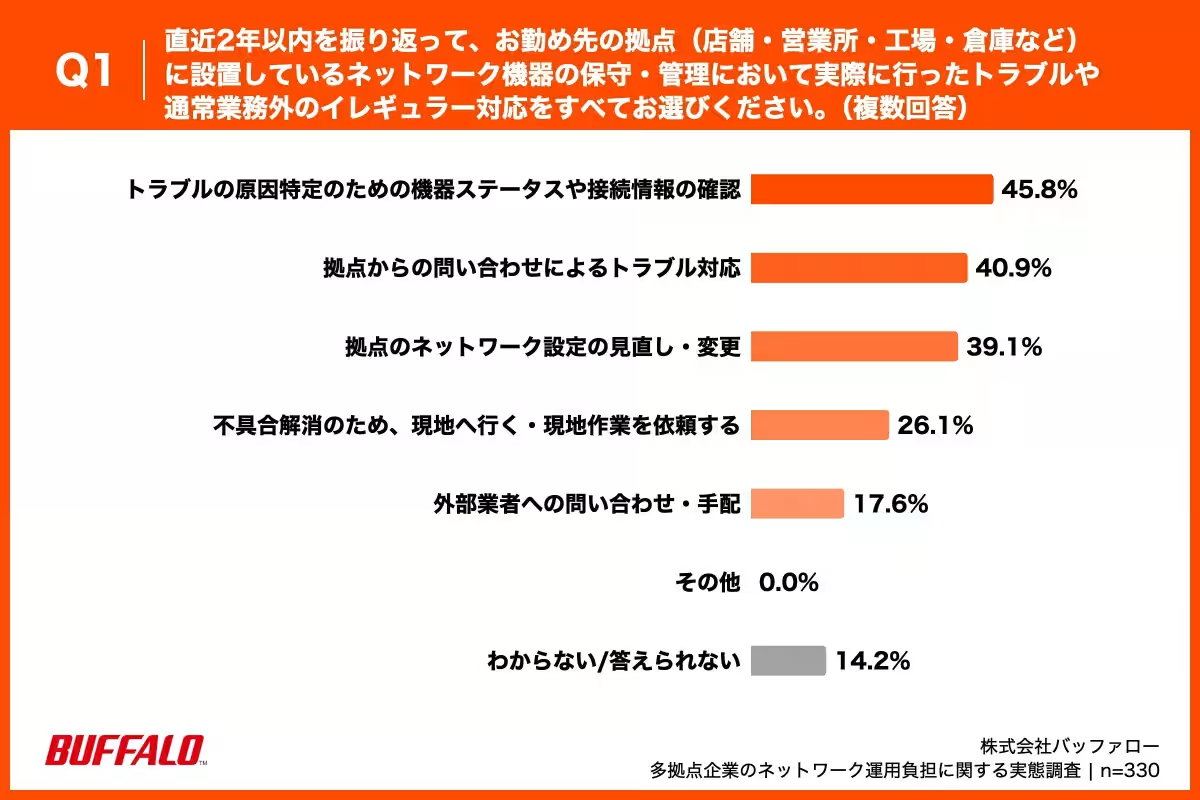
1. Network Troubleshooting Challenges: The most common tasks involved in troubleshooting network issues included:
- Equipment status checks for cause identification with 45.8% of respondents citing this as a common activity.
- Responding to inquiries from locations accounted for 40.9%.
- A review or modification of network settings at sites was noted by 39.1% of participants.
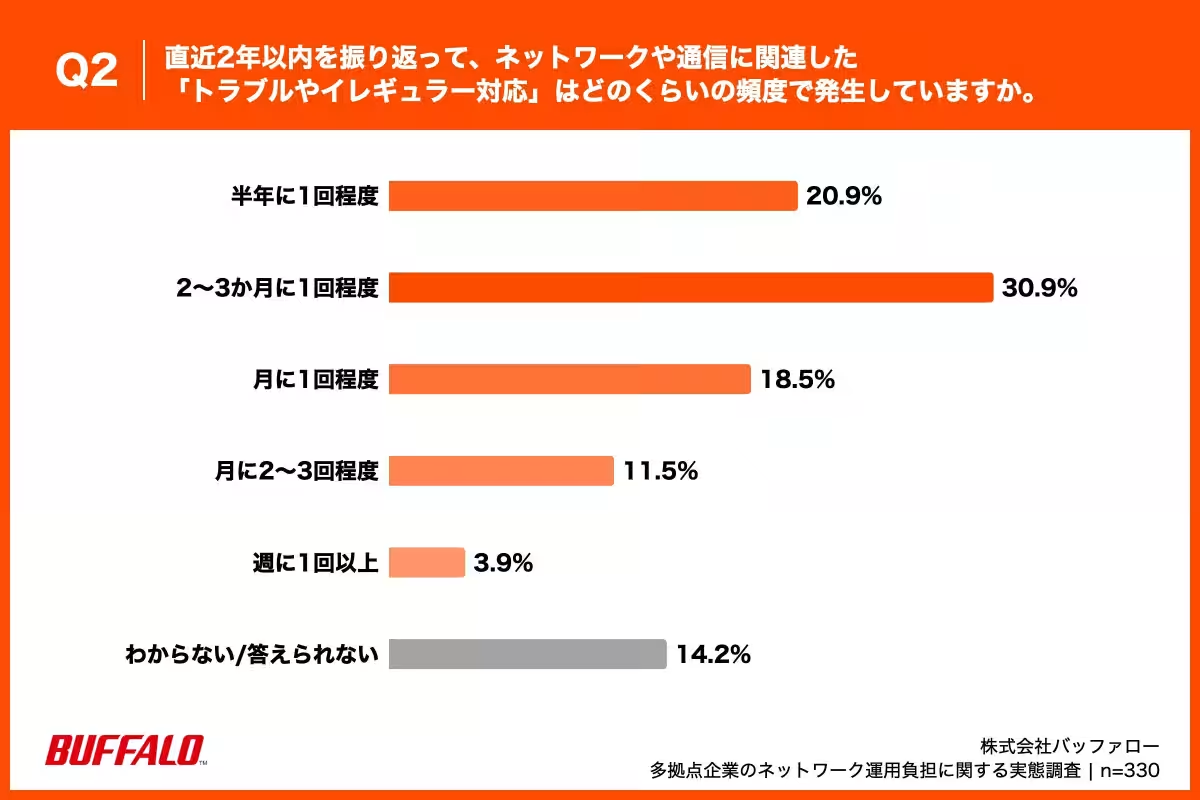
2. Frequency of Issues: Over 30% of respondents indicated that network-related troubles arose more than once a month, illustrating a significant operational burden.
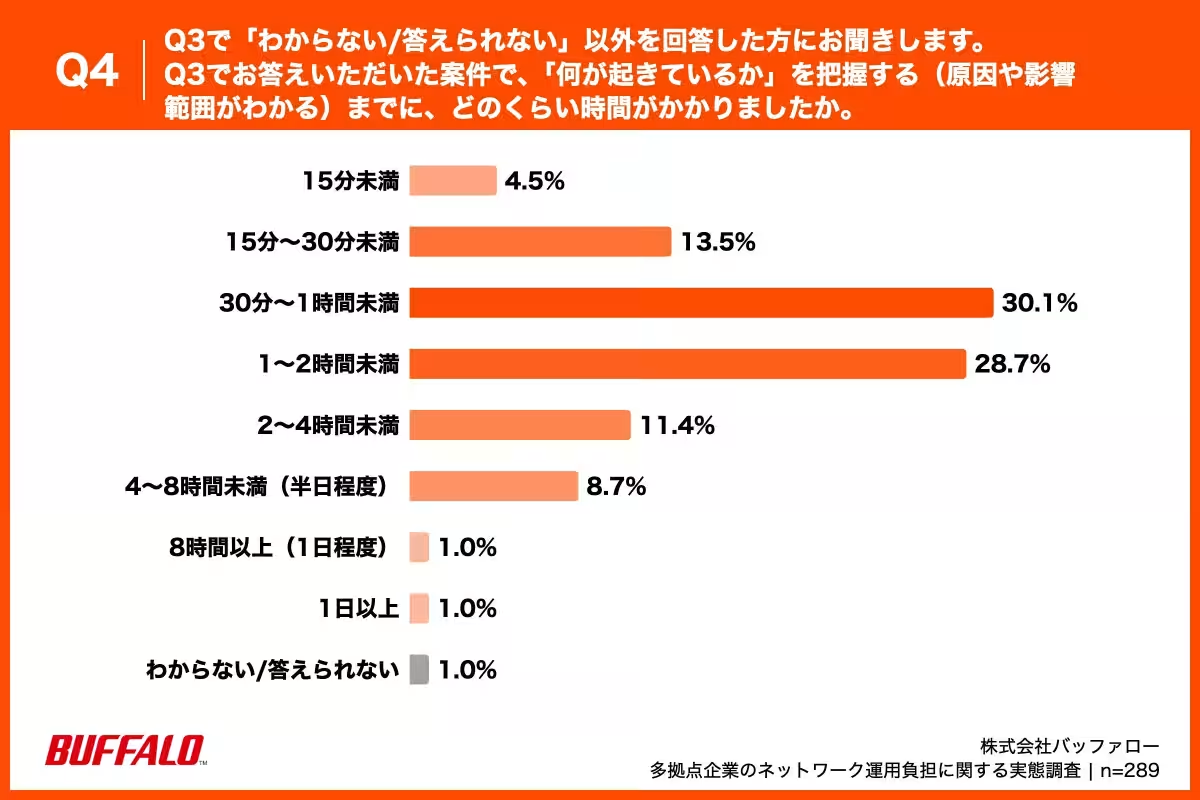
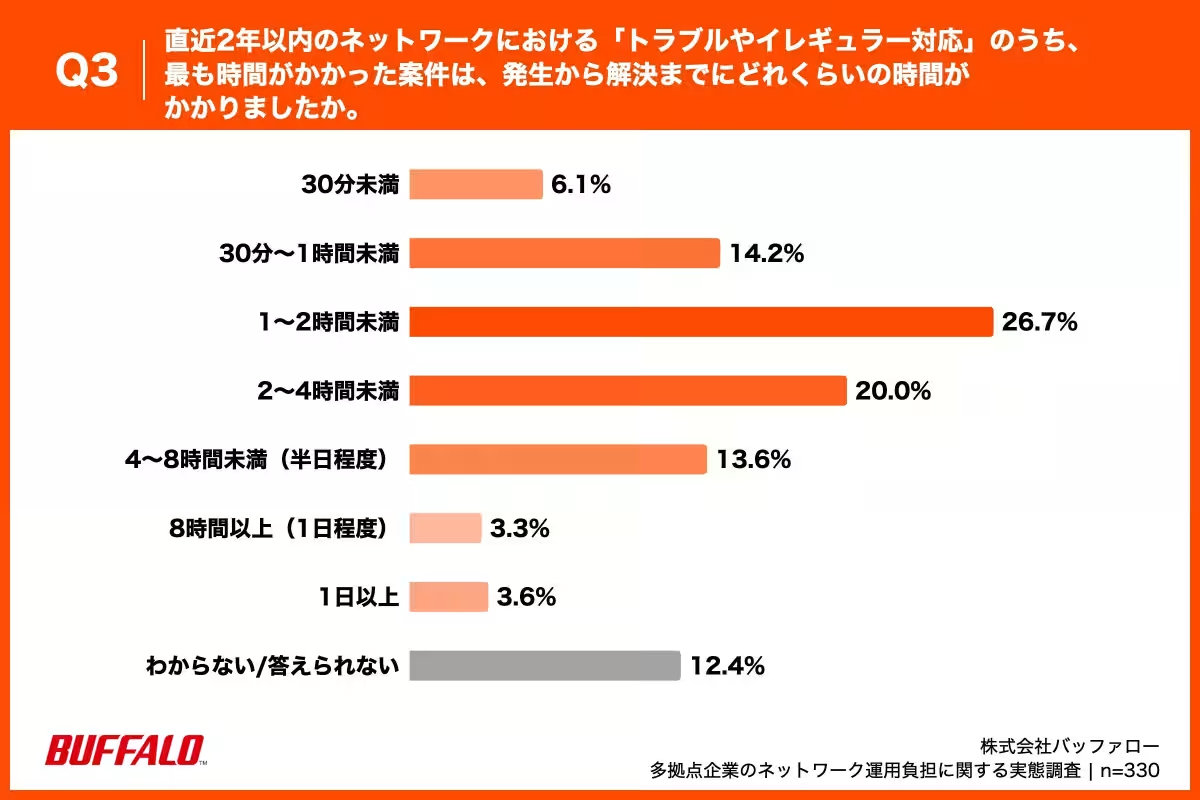
3. Time Spent on Troubleshooting: Respondents reported that in many cases, resolving these issues took over two hours, reflecting the complexity involved in managing multi-location networks. Notably, 26.7% spent 1-2 hours on problems, while over 40% reported issues requiring more than two hours for resolution.
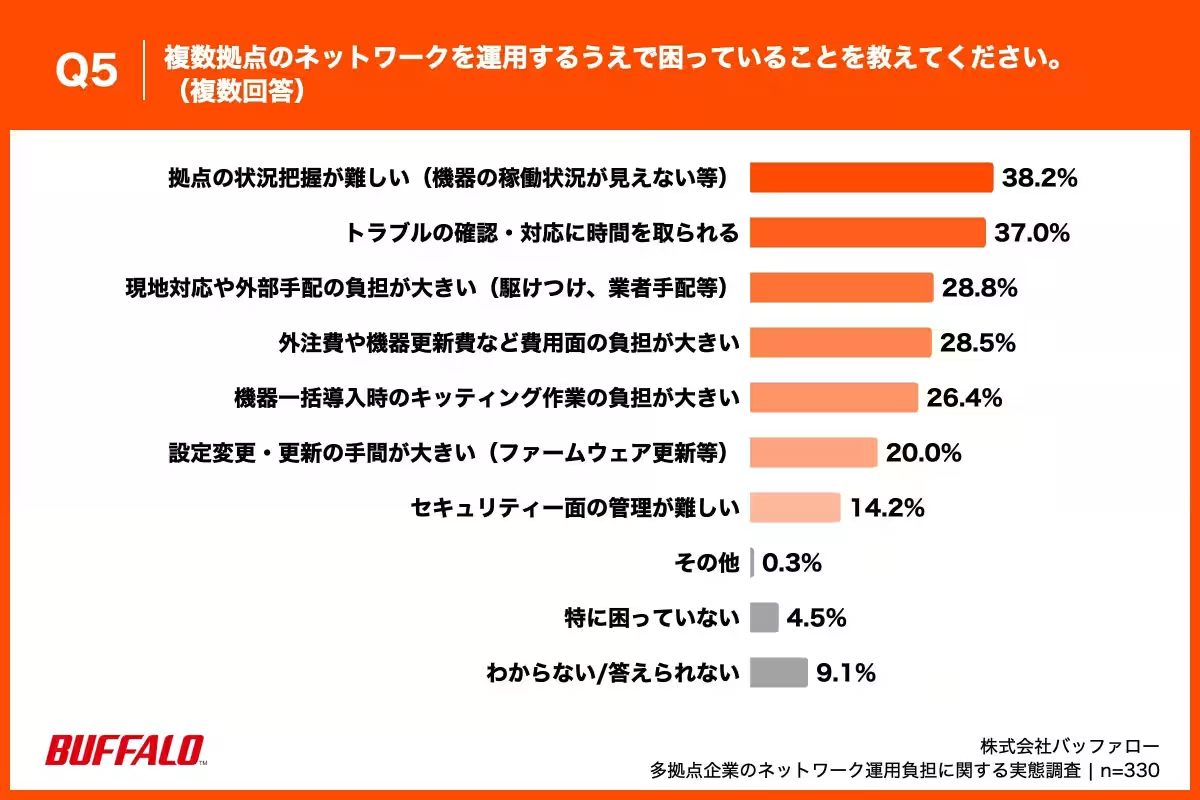
4. Difficulties in Situation Awareness: Nearly 38.2% of participants indicated that gathering situational awareness across locations posed significant challenges, emphasizing the need for effective management strategies.
Benefits of Centralized Management Solutions
The shift towards centralized management models is becoming increasingly apparent:
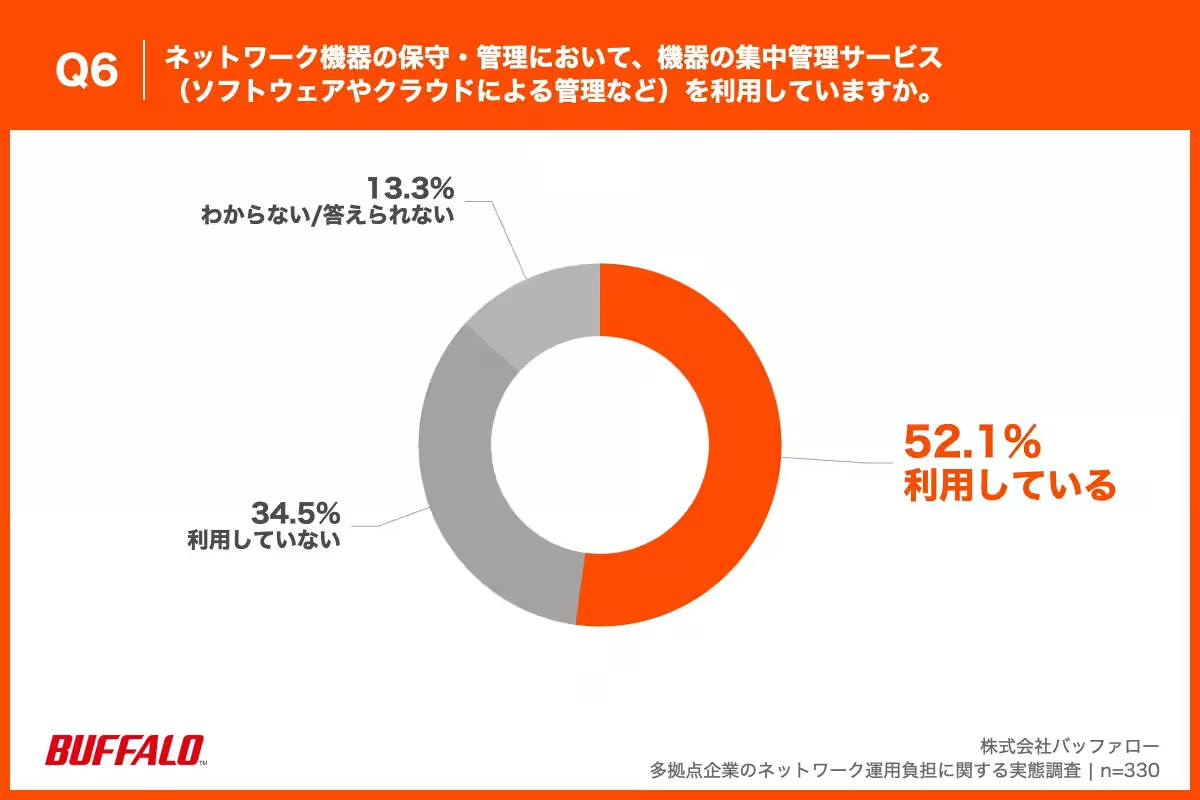
- - More than 52.1% of respondents currently use centralized management solutions.
- - Out of those utilizing these services, a substantial 84.9% experienced reduced travel, reinforcing the effectiveness of these solutions in streamlining operations.
Areas for Improvement
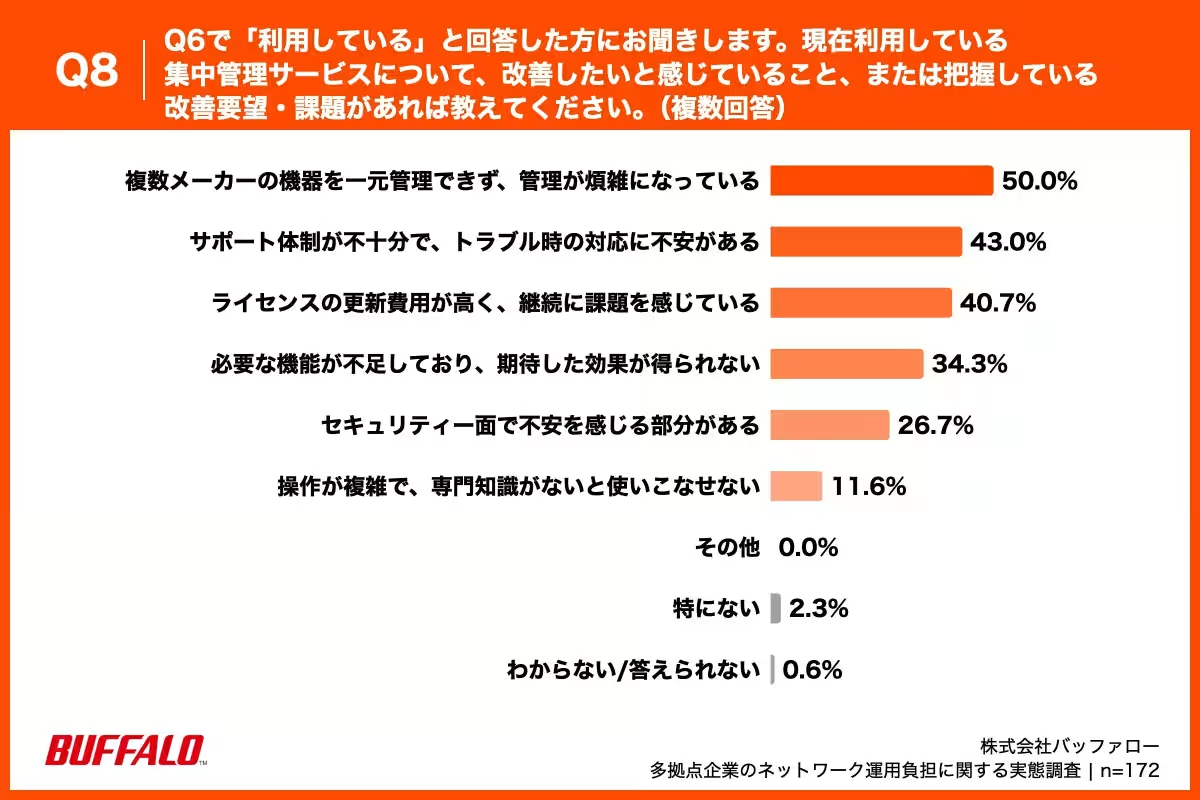
Despite the advantages, participants also highlighted areas needing enhancement within centralized systems, focusing on:
- - Management complexity, particularly regarding the integration of devices from multiple manufacturers.
- - Insufficient support systems during critical failure incidents, creating anxiety about uptime and quick recovery.
- - High license renewal fees that present ongoing financial concerns.
Future Priorities in Network Enhancement
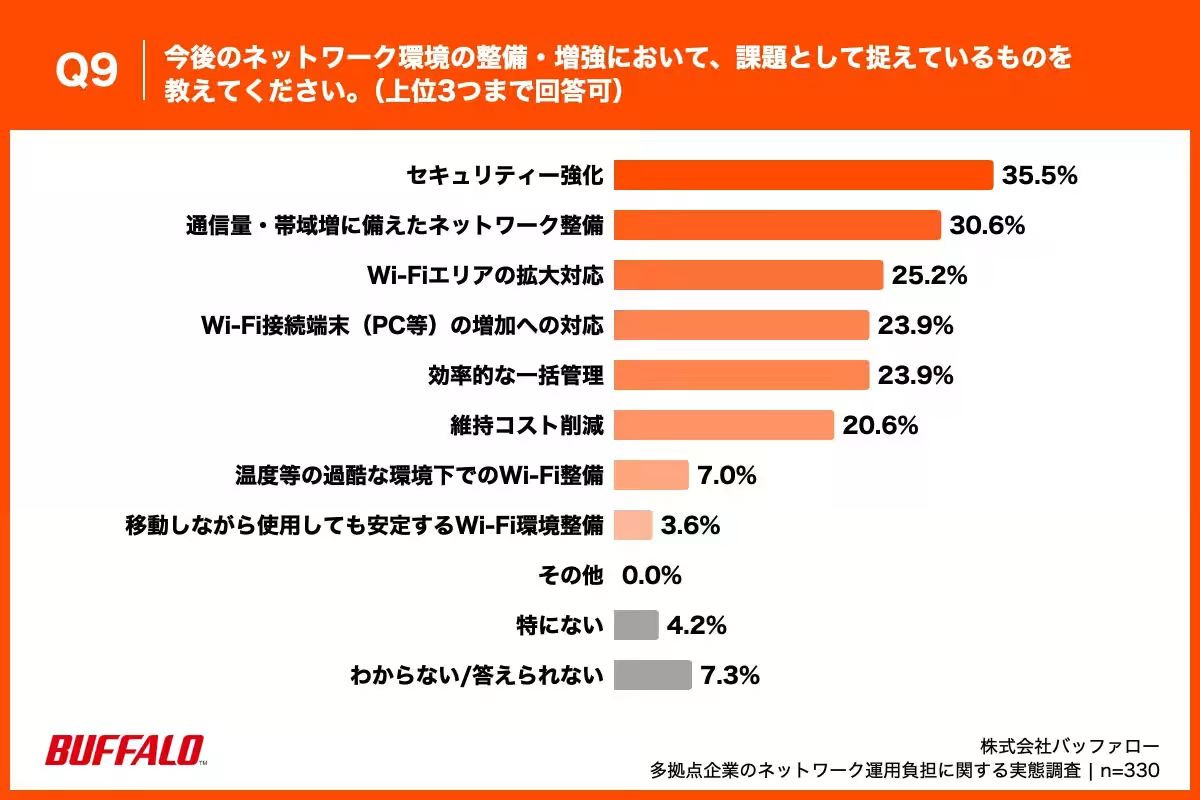
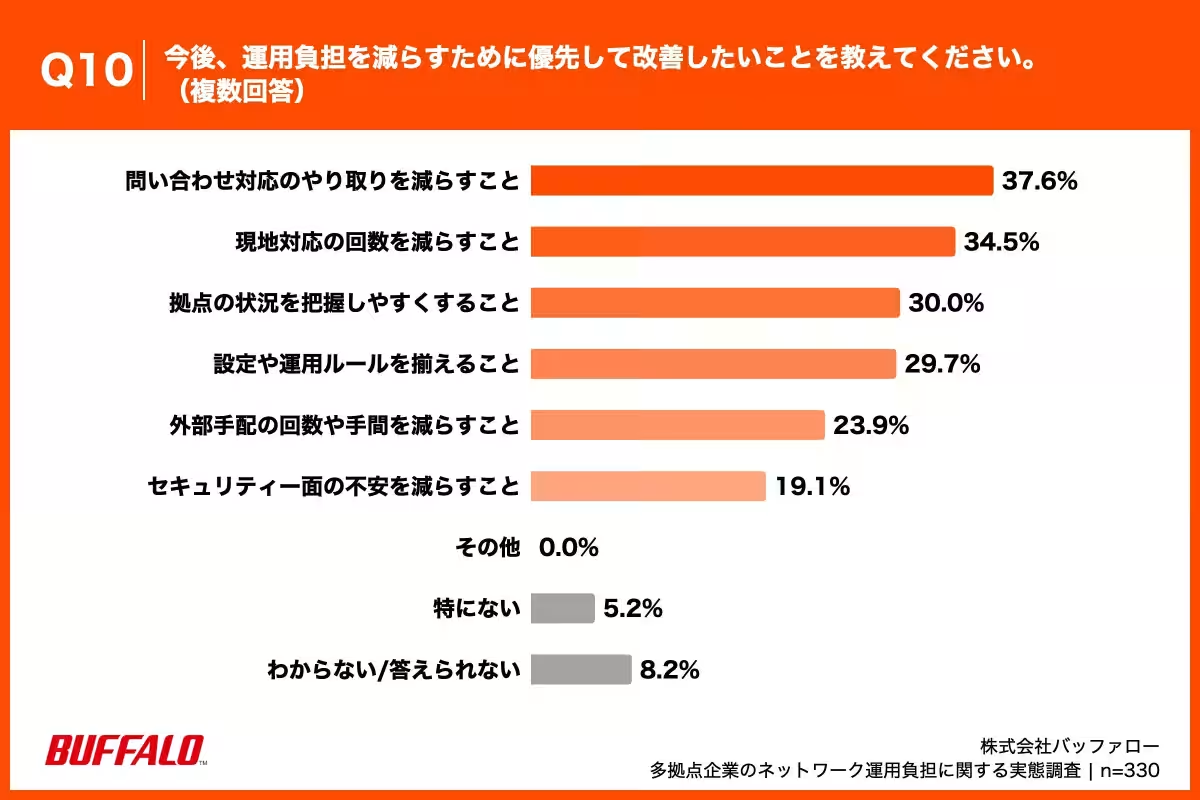
When discussing future network upgrades, respondents indicated that security improvements and adjustments in consideration of growing communication needs were top priorities. Respondents also expressed a desire to decrease the volume of inquiries and the number of on-site visits required to enhance operational efficiency.
Conclusion
From this survey, it is clear that many multi-location businesses face common difficulties in network management, primarily revolving around visibility into site conditions and the efficacy of their responses to incidents. Centralized management systems have shown considerable promise in alleviating these issues — especially in reducing the need for travel — yet significant gaps remain in management solutions, particularly regarding comprehensive support and cost-effectiveness.
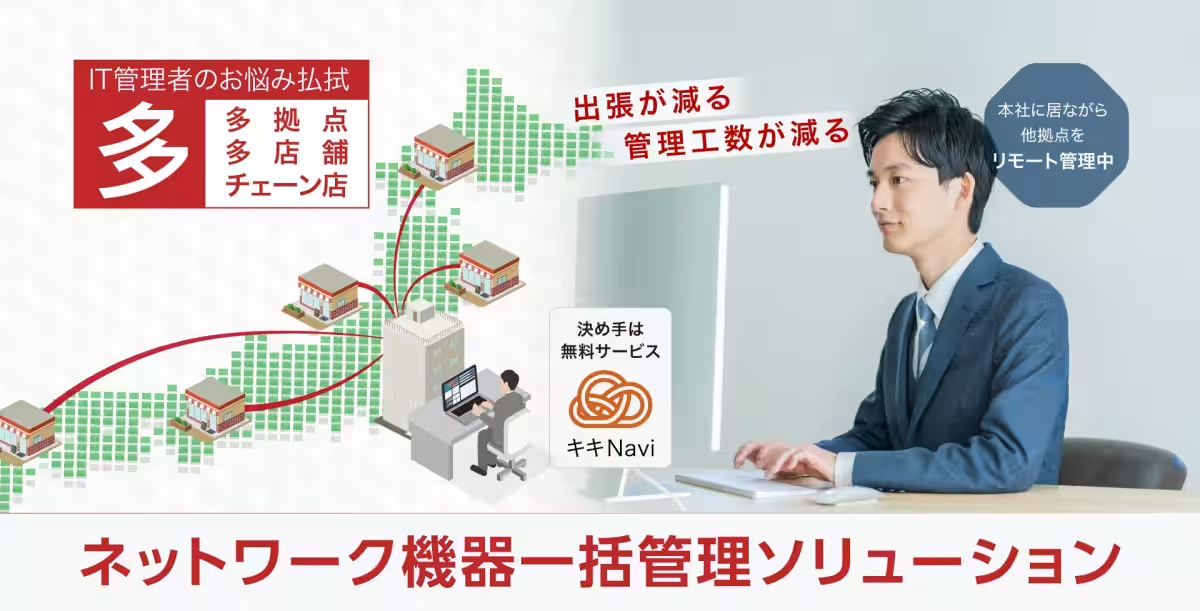
As the landscape of network operations evolves, further innovations will be essential to expedite the identification of issues and provide rapid responses. Solutions such as Buffalo's Kiki Navi serve as a testament to the potential improvements available through centralized management strategies, promising a future with reduced operational burdens and enhanced efficiency for multi-location enterprises.

Topics Consumer Technology)
【About Using Articles】
You can freely use the title and article content by linking to the page where the article is posted.
※ Images cannot be used.
【About Links】
Links are free to use.