



OPEC Fund Launches $1.5 Billion Initiative to Foster Economic Stability Amid Global Pressures
OPEC Fund's New $1.5 Billion Initiative: E-STAR to the Rescue
On April 29, 2026, the OPEC Fund for International Development officially launched its latest initiative, named the Economic Stability, Trade and Resilience Initiative (E-STAR). Designed as a robust financial framework totaling $1.5 billion, this initiative aims to support partner countries facing heightened economic challenges linked to disruptions in energy, raw materials, and international trade. The need for such proactive measures has escalated, as many developing nations grapple with a multitude of financial pressures brought on by recent global events.
Addressing Immediate Needs
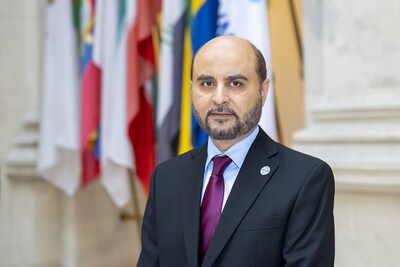
The E-STAR initiative is set to extend rapid and need-based assistance to countries from 2026 to 2028. These funds are crucial in ensuring that nations can maintain essential services, secure vital imports, and bolster their development progress. According to the President of the OPEC Fund, Dr. Abdulhamid Alkhalifa, the recent inflation and stricter funding conditions have placed unprecedented pressure on numerous partner countries, making the E-STAR initiative not just timely but essential.
"Many of our partner countries are under immediate pressure from rising costs and interruptions in crucial trade flows. E-STAR is designed to respond swiftly where it matters most," Dr. Alkhalifa emphasized. This commitment seeks to stabilize essential services and enable countries to continue their developmental trajectories amidst mounting uncertainties.
Key Focus Areas of E-STAR
The E-STAR initiative concentrates on three primary focus areas:
1. Counter-Cyclical Support: This feature emphasizes quickly disbursed financial resources to assist governments with rising import costs and stringent financial conditions, ensuring that fundamental services remain intact.
2. Trade Financing: The initiative will facilitate access to working capital for countries and businesses, helping to maintain critical trade flows of essential goods, including energy, food, and agricultural supplies.
3. Building Resilience: This component allocates targeted investments into energy, transportation, and logistics infrastructures. Such investments are designed to strengthen supply chains, support the continuity of essential imports, and mitigate risks of future disruptions.
The Broader Impact of E-STAR
As global geopolitical tensions further strain energy and commodities markets, the implications for inflation, import costs, and tighter financing conditions become increasingly pronounced. These economic burdens are already felt by households and businesses in many developing countries, placing additional strain on their trade balances and growth outlooks.
By implementing the E-STAR initiative, the OPEC Fund aims to not only provide immediate relief but also long-term solutions that strengthen the resilience of vulnerable economies.
With the launch coinciding with its 50th anniversary, the OPEC Fund has reaffirmed its commitment to development, having previously injected over $32 billion into development projects across 125 countries, with an impressive estimated total project cost exceeding $240 billion. The fund has received commendable ratings from reputable agencies like Fitch and S&P, which reflects its solid financial foundation.
Conclusion: A Vision for Sustainable Development
As the OPEC Fund looks toward a future where sustainable development is a reality for all, the E-STAR initiative represents a critical step in fortifying global partnerships and enhancing economic stability in the face of burgeoning global pressures. By focusing on immediate needs while planning for resilient sustainability, the OPEC Fund is poised to make a significant impact on the livelihoods of millions.
Topics Financial Services & Investing)
【About Using Articles】
You can freely use the title and article content by linking to the page where the article is posted.
※ Images cannot be used.
【About Links】
Links are free to use.