



Revolutionizing River Waste Management with AI-Driven Monitoring System PRIMOS
Introduction
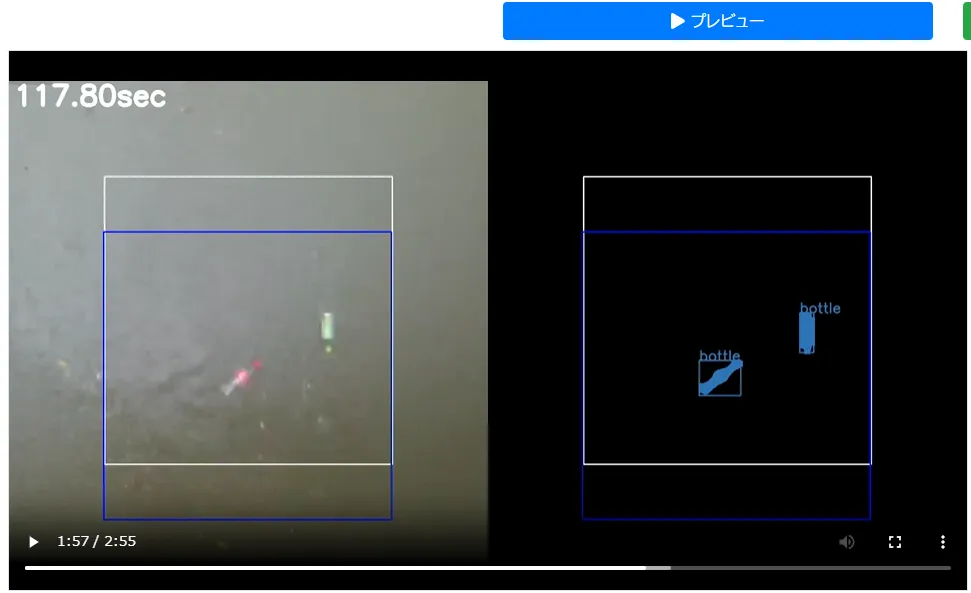
In an era where environmental sustainability is paramount, a cutting-edge solution has emerged to tackle the alarming issue of plastic waste in rivers. The newly developed monitoring system, known as PRIMOS (Plastic Runoff Identification, Monitoring & Observation System), is a collaborative effort between Yachiyo Engineering Co., Ltd. and Ehime University, designed to automatically detect and classify plastic waste in waterways using advanced AI technology. This innovative system is set to be released on April 14, 2025, offering a new approach to understanding and mitigating riverine plastic pollution.
Background of Development
Plastic pollution is a global crisis, particularly concerning how waste flows from rivers into the ocean. Yachiyo Engineering has been at the forefront of monitoring efforts since introducing the RIAD software in 2021, which quantifies the amount of waste in rivers through camera recordings. However, it faced challenges in identifying types of waste and was reliant on costly field surveys prone to human error.
Recognizing these limitations, Yachiyo Engineering partnered with Ehime University to leverage AI image analysis technology for the PRIMOS system. This advancement enables not only the measurement of waste quantities but also the automatic identification and classification of different types of waste, providing a more objective and accurate assessment of river pollution.
Features of PRIMOS
PRIMOS introduces several key features that streamline and enhance the monitoring process:
- - AI-Powered Automatic Classification: By analyzing video data captured from rivers, the system can automatically detect and classify waste. This technology ensures a rapid response to the growing concerns surrounding riverine plastic.
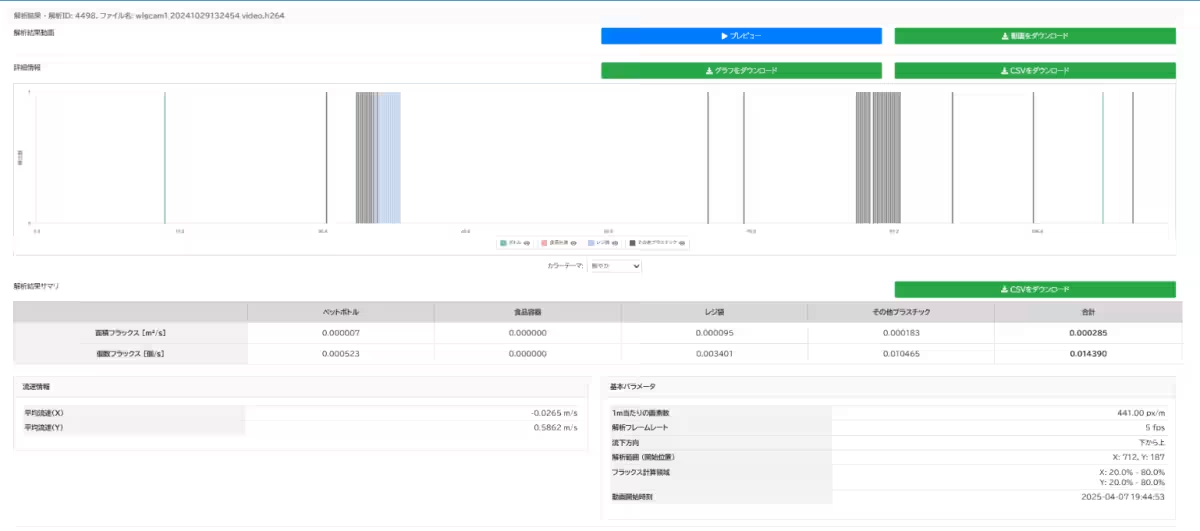
- - High Precision Monitoring: PRIMOS accurately tracks floating plastic waste, analyzing its type and quantity with high precision. This capability allows for detailed monitoring of pollution levels in different rivers.
- - Adaptability to Water Level Changes: One of the standout features of PRIMOS is its ability to remain effective under varying water levels, ensuring stable detection even during floods, when traditional methods may falter.
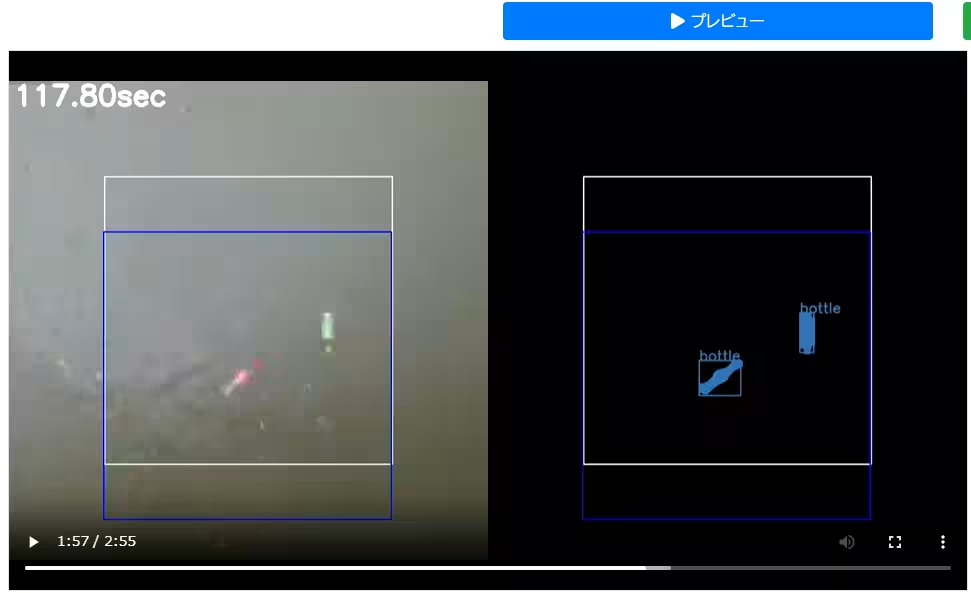
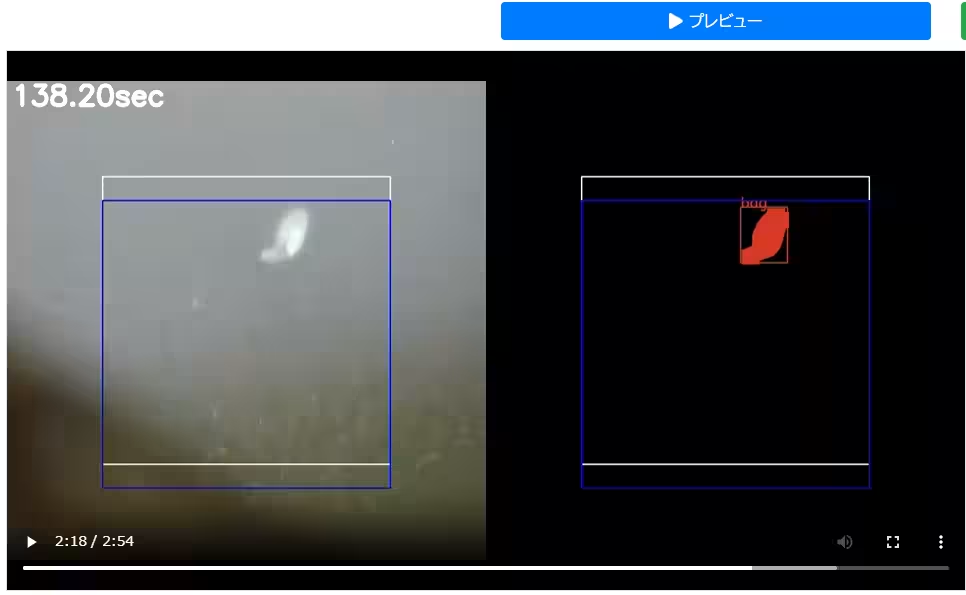
During preliminary trials, the system demonstrated exceptional accuracy in identifying common disposable plastics, such as beverage bottles, food containers, and shopping bags, significantly enhancing data collection for environmental conservation efforts.
System Overview
The PRIMOS system is structured as a web service, allowing users to upload videos of target rivers directly to the platform. Through this system, users can automatically calculate the transportation volume of waste in the uploaded footage. This innovation presents an opportunity for users, including construction consultants, environmental survey companies, academic institutions, municipalities, and community organizations engaged in environmental protection, to gain insights into the trends of waste transport specific to certain rivers.
Advancements Over Previous Systems
Unlike the earlier RIAD system, which utilized color differentiation to detect floating waste without classifying it by type, PRIMOS employs an advanced AI image analysis technique based on the YOLOv8 instance segmentation model. This improvement allows for stable detection of various types of plastic waste, even in challenging conditions such as rising water levels caused by precipitation.
Contribution to Sustainable Development Goals
The introduction of PRIMOS aligns with several Sustainable Development Goals (SDGs):
- - Goal 6: Promoting sustainable water management by monitoring river environments to prevent water pollution.
- - Goal 11: Enhancing urban quality by curbing plastic waste flows through rivers.
- - Goal 12: Supporting sustainable consumption and production patterns by accurately identifying types and quantities of plastic waste.
- - Goal 14: Contributing to the protection of marine ecosystems by understanding the movement of plastic waste from rivers to oceans.
Commitment to Environmental Preservation
Through the social implementation of PRIMOS, Yachiyo Engineering and Ehime University aim to clarify the reality of waste flow in rivers. By addressing fundamental aspects of the oceanic plastic waste problem, they contribute significantly to safeguarding natural environments.
For Inquiries
For more information about PRIMOS, please reach out to:
- - Yachiyo Engineering Co., Ltd.
Email: [email protected]
- - Ehime University Graduate School of Science and Engineering
Tomoya Kataoka
Email: [email protected]
- - Ehime University Public Relations Team

Topics Environment)
【About Using Articles】
You can freely use the title and article content by linking to the page where the article is posted.
※ Images cannot be used.
【About Links】
Links are free to use.