



CUBE-LINX Reveals Major Challenges in Compliance with the Revised Logistics Efficiency Law
Major Challenges Identified in the Logistics Sector's Compliance with New Regulations
In response to the impending Revised Logistics Efficiency Law, scheduled to be fully implemented in April 2026, the logistics sector is facing significant challenges. The law mandates notable changes for designated logistics operators, compelling companies to urgently reassess their existing logistics strategies. CUBE-LINX, a consulting firm based in Hino City, Tokyo, has recently conducted a survey targeting logistics department heads from various companies, revealing crucial insights about the industry's current landscape.
Survey Background
The Revised Logistics Efficiency Law changes the regulatory framework for logistics operations in Japan. Key players, specifically large shippers, are under increased obligations that affect how they run their logistics departments. CUBE-LINX aims to shed light on the specific burdens logistics providers face, particularly concerning compliance with this new law.
Key Findings from the Survey
The survey, which involved 304 logistics department heads aged between 20 and 60, ran from March 9 to 11, 2026. The results highlight several critical takeaways:
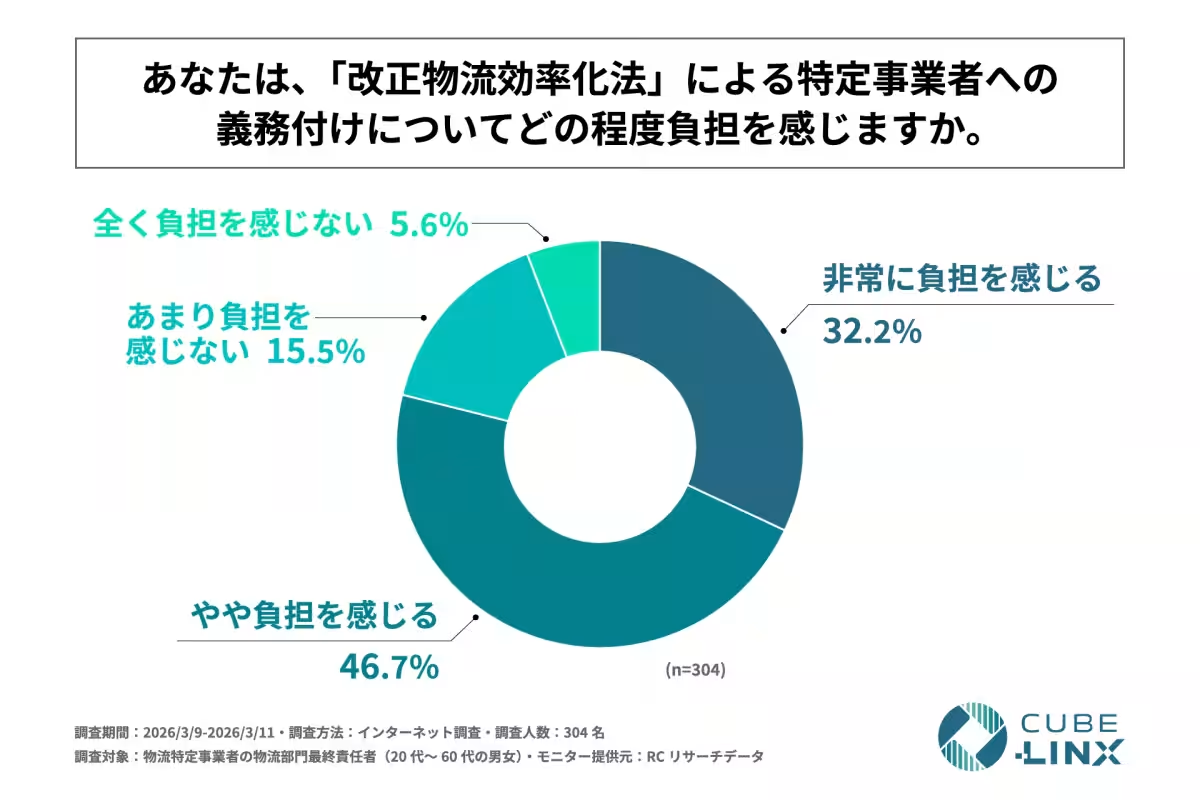
1. General Sense of Burden: Approximately 80% of logistics department heads reported feeling burdened by the obligations imposed by the new law. The responses showed that 46.7% feel a slight burden, while 32.2% feel a significant burden.
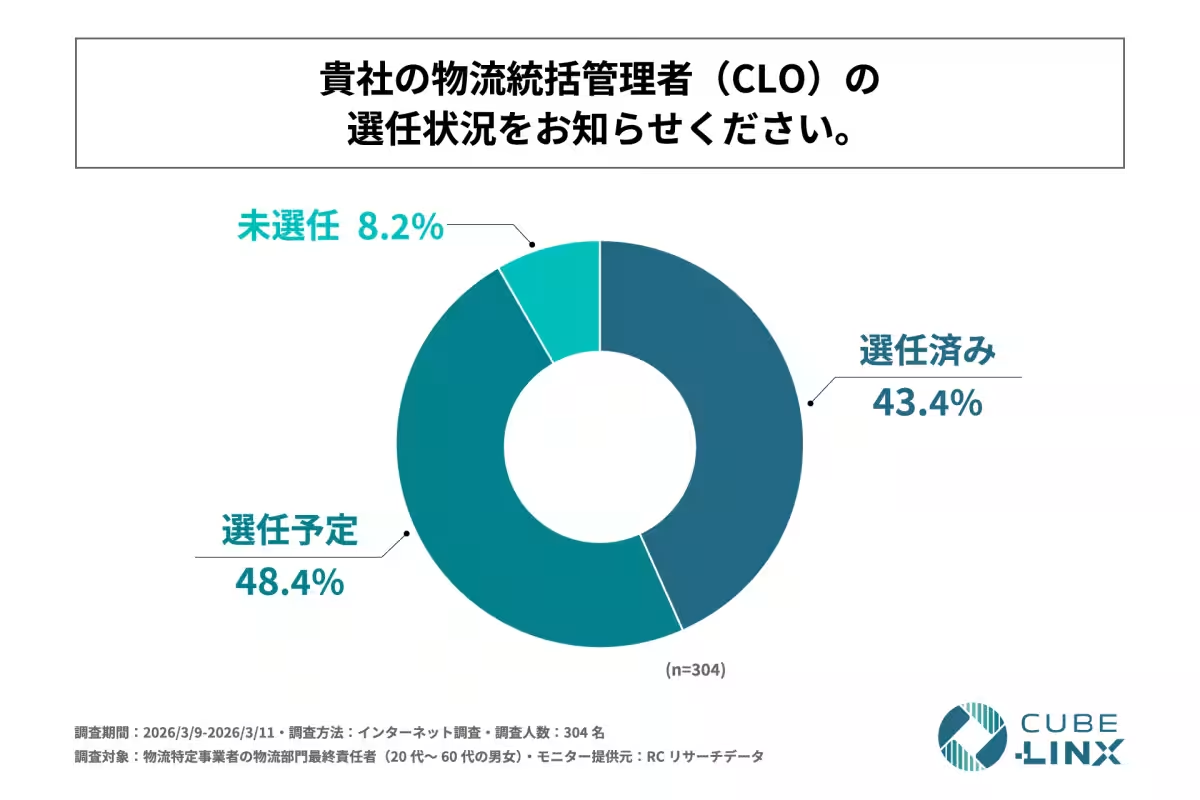
2. Lack of Designated Logistics Supervisors: More than half the respondents have yet to appoint a Chief Logistics Officer (CLO), with 48.4% stating they are in planning to that effect.
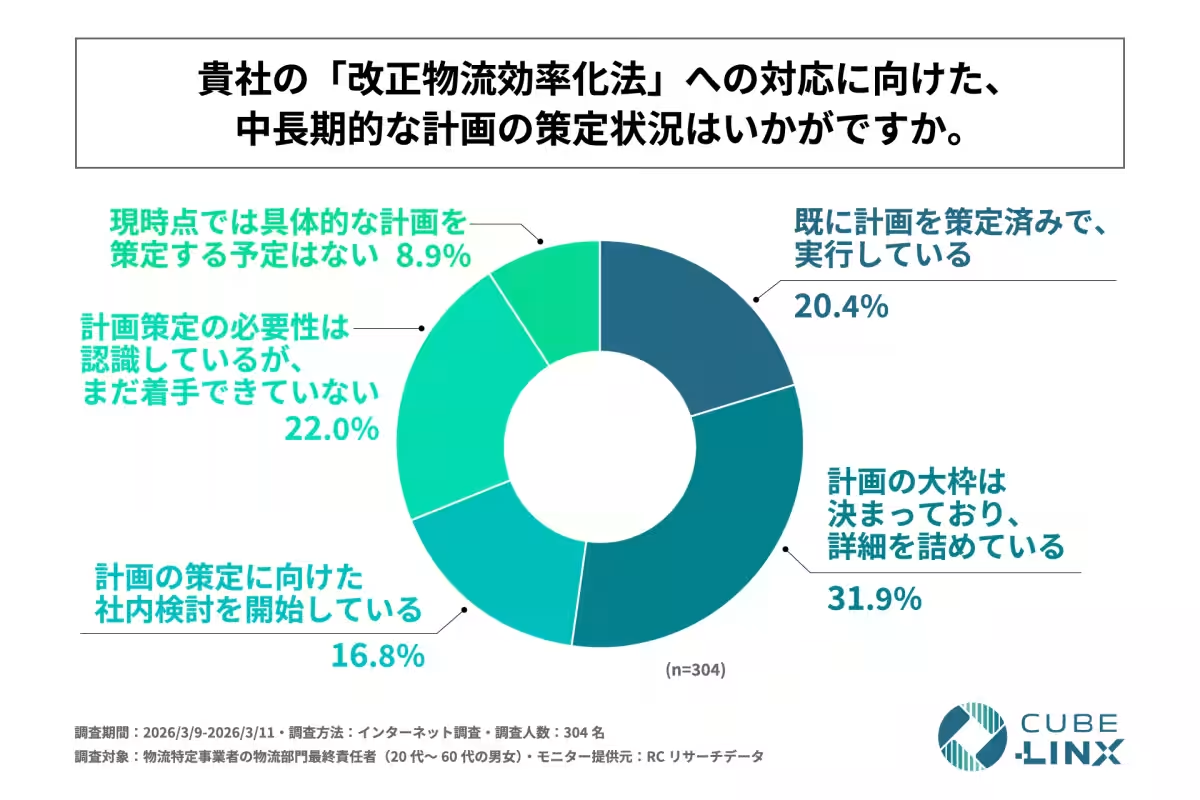
3. Initiatives Underway: About 70% of the logistics department heads are either working on or have already developed mid to long-term plans in response to the law.
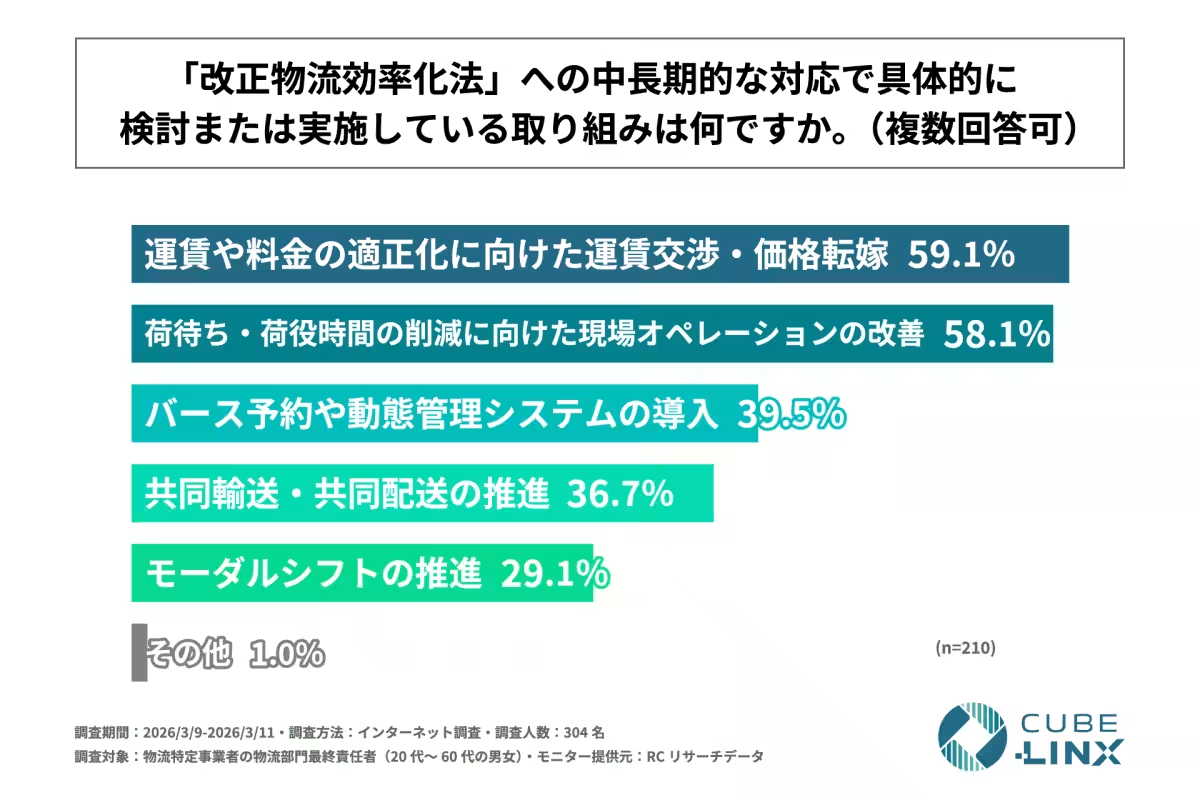
4. Strategic Focus Areas: Key initiatives include negotiations for appropriate pricing and operational enhancements to reduce waiting and loading times, with a considerable emphasis on tackling operational inefficiencies.
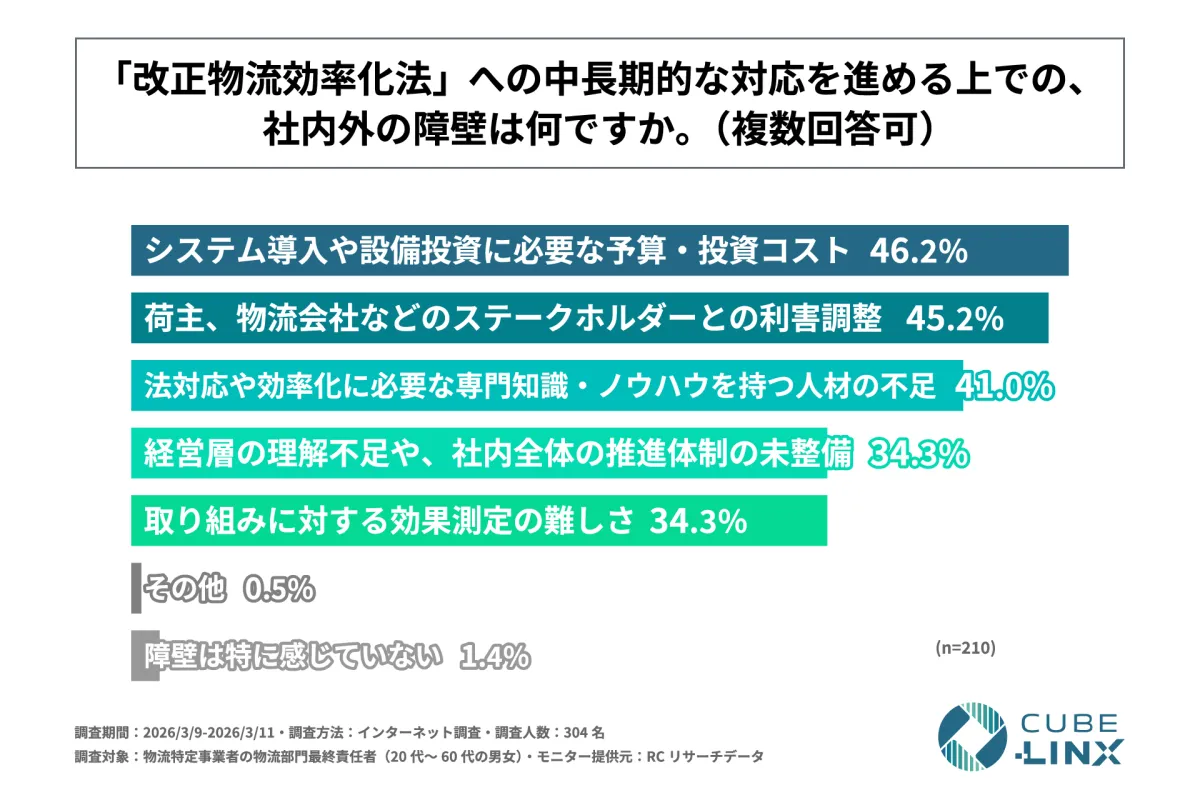
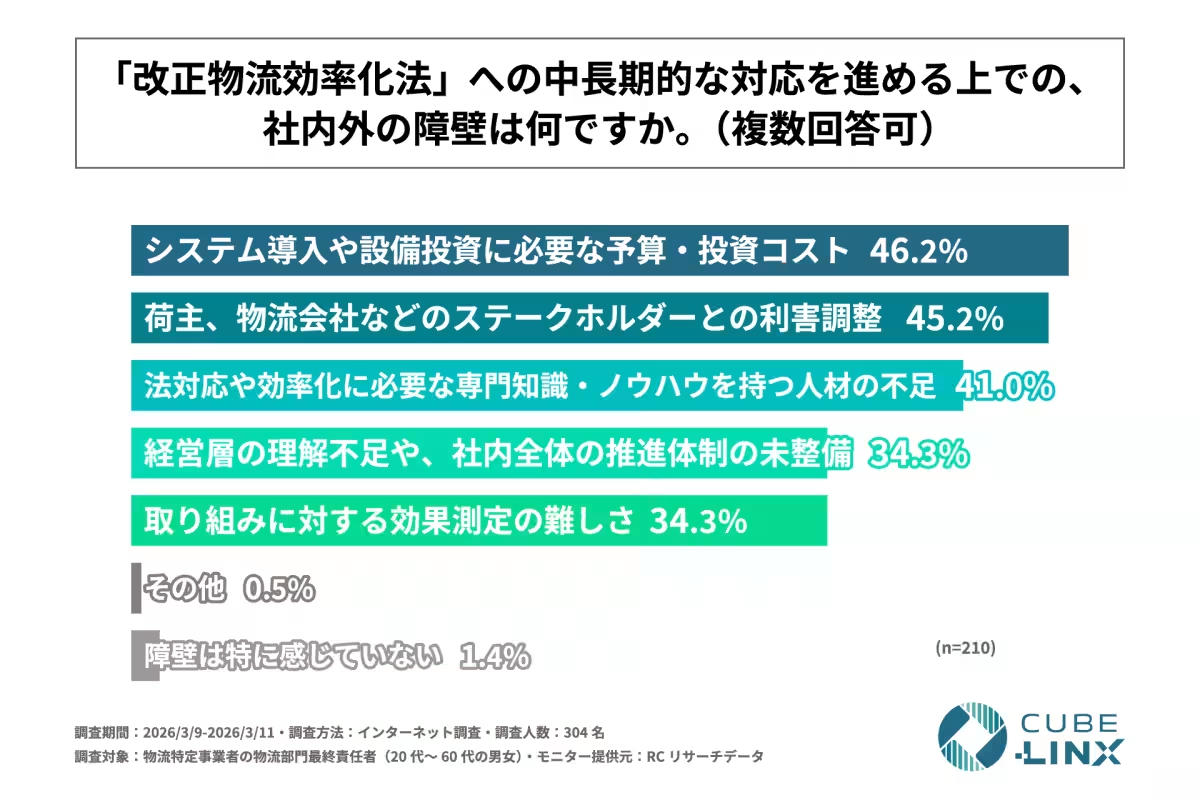
5. Major Barriers to Compliance: The primary obstacles hindering progress towards compliance include budget constraints for system implementation and necessary investment costs, alongside the need to manage interests among various stakeholders in logistics.
Detailed Insights
Feeling Overwhelmed by New Regulations
When asked about their feelings regarding the obligations from the Revised Logistics Efficiency Law, 78.9% expressed some level of burden. This overwhelming sentiment highlights the immediate need for companies to reassess their operational strategies and invest in necessary improvements to comply with the new regulations.
Delayed Appointments of CLOs
The lack of appointed CLOs further exacerbates the compliance situation. Out of those surveyed, 56.6% have not appointed a CLO, an essential figure as these roles are critical in strategizing the logistics framework within companies.
Progress Toward Compliance Plans
Despite the shortcomings in leadership appointments, 69.1% of respondents indicated they are in various stages of implementing mid to long-term plans. There is growing recognition of the need for compliance, with many firms working through suitable strategies to align their operations with regulatory requirements.
Focus Areas for Regulatory Compliance
Survey respondents identified key areas they are addressing for compliance: 59.1% are focusing on negotiating rates to ensure appropriate pricing while 58.1% are working on improving operational disciplines to minimize waiting times during loading and unloading processes.
Primary Challenges to Overcome
The leading challenges reported include the financial investment required for implementing appropriate systems and the need for managing complex stakeholder relationships. These barriers reflect the industry's struggle to effectively adapt to the new operational landscape dictated by the Revised Logistics Efficiency Law.
Conclusion
The survey results from CUBE-LINX underscore the pressing concerns within the logistics sector regarding compliance with new regulatory demands. While a substantial proportion of logistics department heads feel the weight of these obligations, a significant number are already taking steps toward developing their compliance frameworks. The findings also reveal a critical need for financial investment and strategic planning to navigate the evolving logistics landscape.
About CUBE-LINX
CUBE-LINX offers consulting services focused on the introduction of electric vehicles and related infrastructure. They provide comprehensive support from planning charge facilities to applying for subsidies that reduce initial costs. For further details on their services related to implementing commercial EVs and charging infrastructures, visit CUBE-LINX.

Topics Business Technology)
【About Using Articles】
You can freely use the title and article content by linking to the page where the article is posted.
※ Images cannot be used.
【About Links】
Links are free to use.