



New Study Reveals Japanese People Now Spend 19 Years Online, Short But Late Engagement Raises Risks
New Insights into Japanese Online Habits
A recent survey conducted by NordVPN, a leader in personal security solutions, has unveiled significant trends regarding Japanese internet usage. According to their ‘Life online 2.0’ survey, which analyzed internet user behaviors across 20 different countries, it was discovered that the average Japanese person spends approximately 19 years, 7 months, and 15 days online throughout their lifetime. This figure marks a staggering increase of over 8 years in just 4 short years compared to a previous survey conducted in 2021, which reported an average lifetime online usage of 11 years and 5 months.
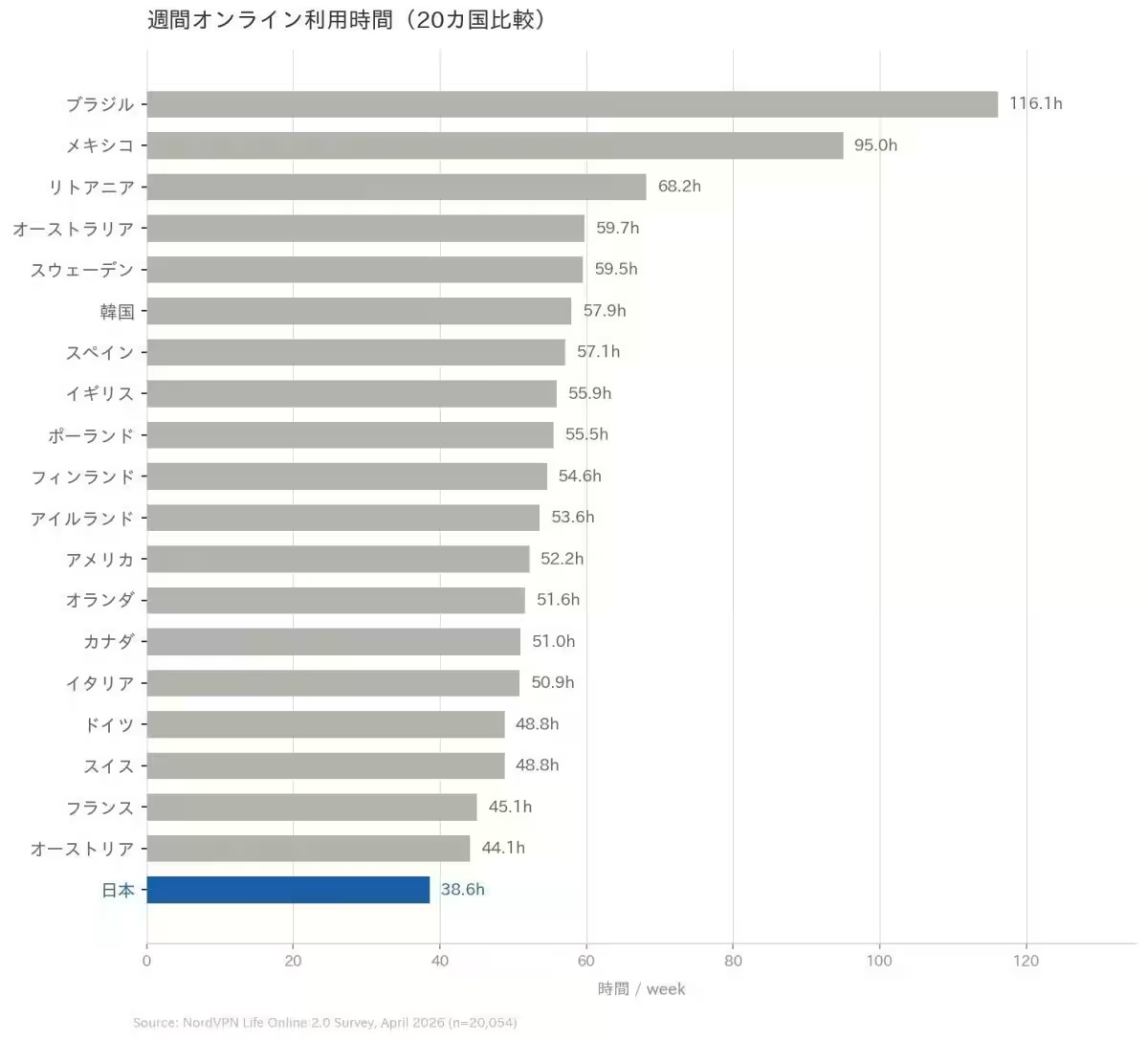
With the rise of technology and the diversification of services available, the scale of our digital lives is expanding quickly. Yet, despite spending nearly 20 years connected to the internet, Japanese users showcase a unique pattern: they spend an average of only 38 hours and 37 minutes online per week, the shortest amongst the surveyed countries. This duration is nearly 19 hours and 36 minutes less than the global average of 58 hours and 13 minutes. This raises questions on how seemingly short daily online sessions can accumulate to a significant lifetime total.
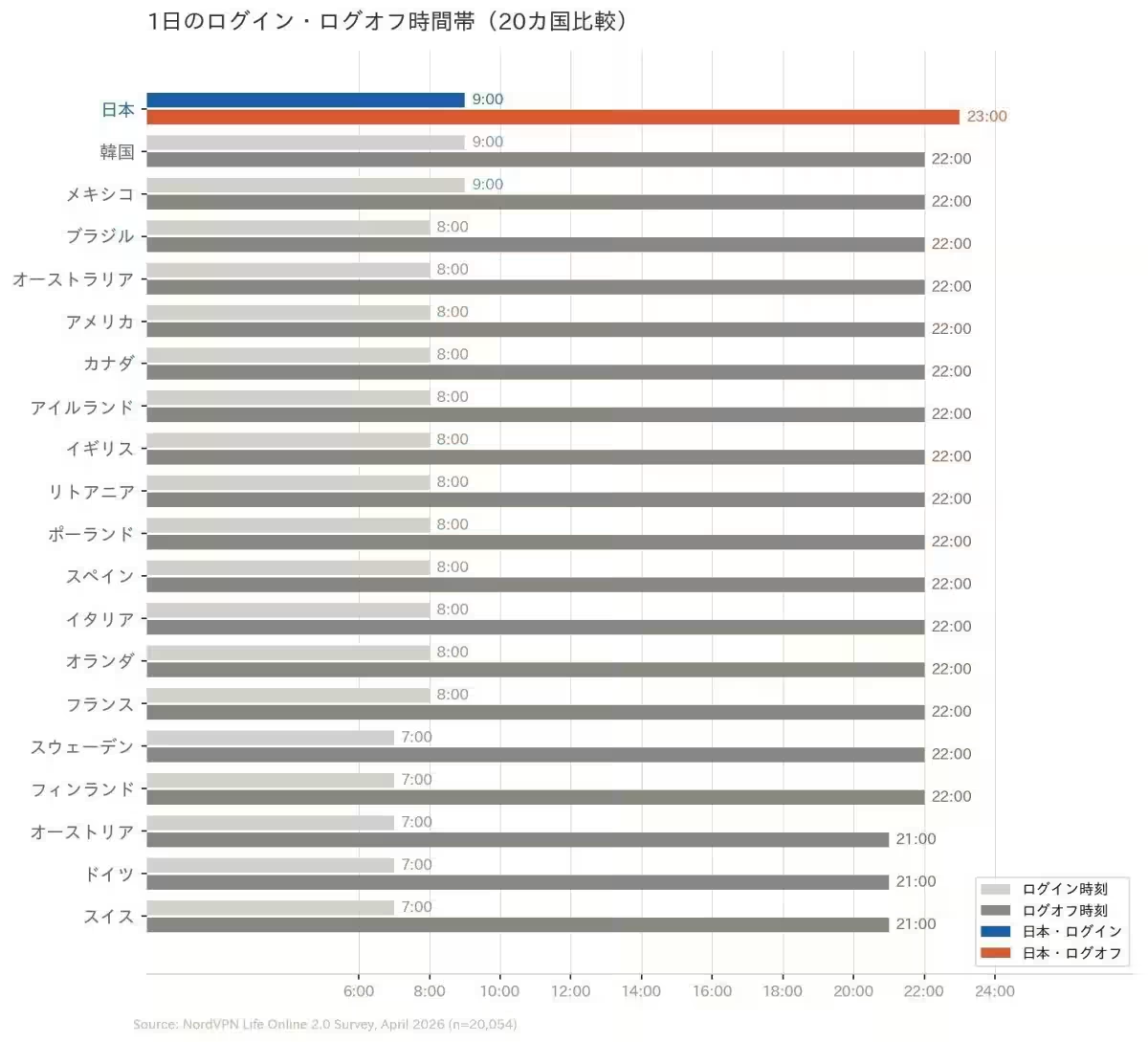
An interesting characteristic of Japanese digital life is the late online activity. On average, users log off around 11:01 PM to midnight, making it the latest shutdown time compared to all surveyed countries. This trend leads to a tendency that sees users not necessarily stopping their online activities at the day’s end, but instead, continuing into the early hours.
Key Findings from the Survey
The data presents an intriguing picture of Japanese online behavior:
- - Lifetime Online Time: 19 years, 7 months, and 15 days
- - Weekly Usage: 38 hours and 37 minutes (shortest among 20 countries)
- - Daily Login Start Time: 9:01 AM to 10:00 AM (latest alongside South Korea)
- - Daily Logout Time: 11:01 PM to midnight (latest among the surveyed countries)
- - Concern Over Online Time: Only 21% feel they should reduce their online time, lower than the global average of 31%
- - Privacy Worries: Despite a significant amount of personal data shared online (e.g. birth dates, names, addresses), only 15% express concern about data leakage, significantly lower than the 28% global average.
Breakdown of Online Activities
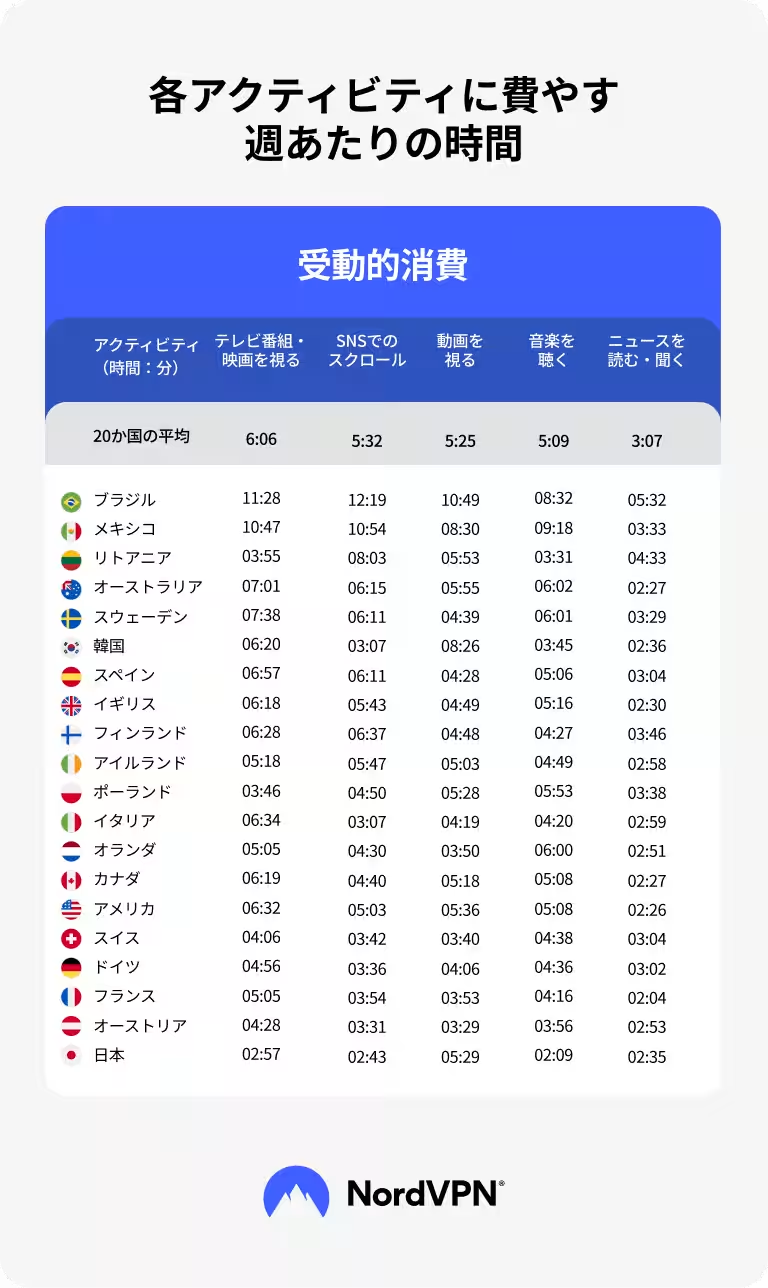
When analyzed further, the survey details how the 38 hours and 37 minutes weekly is spent. The most time-consuming online activity is video streaming at 5 hours and 29 minutes a week, followed by watching television shows and movies (2 hours and 57 minutes), scrolling through social media (2 hours and 43 minutes), and music listening (2 hours and 9 minutes). The predominance of content consumption patterns reveals a clear style of usage within the Japanese online community. Interestingly, there is also a transition to utilizing new tools, with interactions with AI chatbots occurring for around 30 minutes each week.
Privacy and Risk Awareness
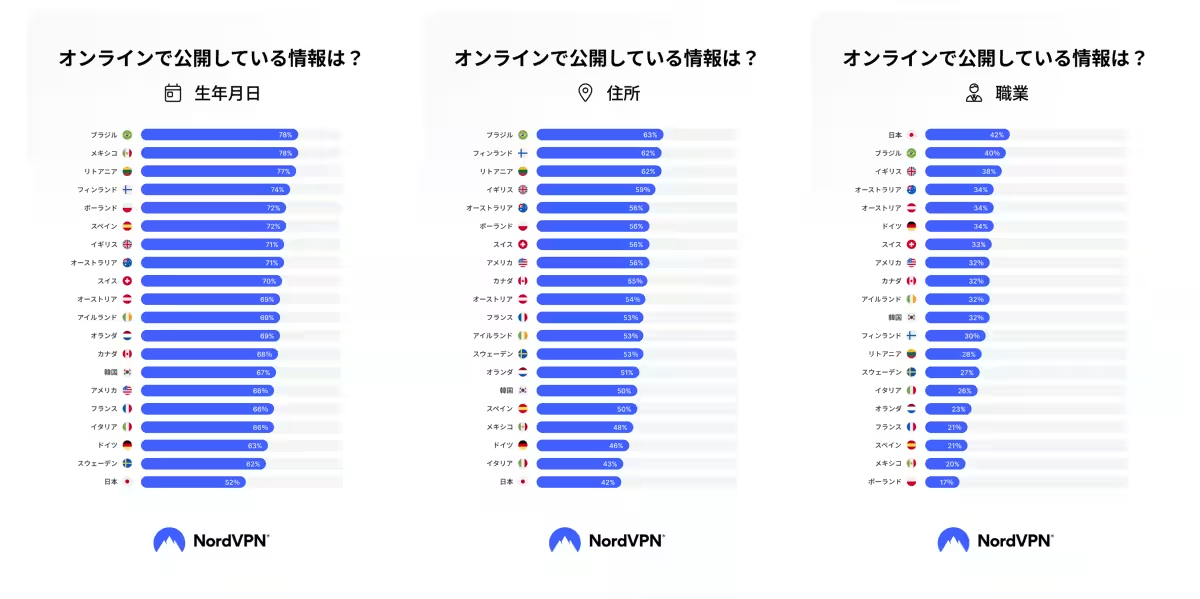
Despite the relatively short online duration, personal data is steadily accumulating. The survey indicates that 52% of respondents have shared their birth date, 48% their names, and 42% both their address and job titles online. However, the worry over data leaks and claims of public exposure remains low at 15%, suggesting a gap between accumulated risks and user awareness.
Risks Arising From Late-Night Internet Use
The survey emphasizes a growing risk attributed to the late-night online behavior. The correlation between internet usage into the late hours and the potential for cyber threats is significant. Engaging with emails, social media, and various platforms when feeling tired or sleepy can make users more prone to overlook suspicious emails or deceptive URLs. These risky habits necessitate careful reconsideration of digital decisions made late at night.
Recommendations for Safer Online Practices
To mitigate these risks associated with nightly online activities, NordVPN offers the following strategies:
1. Delay Opening Late-Night Notifications: Refrain from hastily opening emails or notifications that could disguise phishing attempts, and always verify through official channels.
2. Verify URLs Before Clicking External Links: Ensure the URLs from social media, videos, or advertisements are legitimate, particularly before entering sensitive login or payment information.
3. Secure Devices at Night: Keep operating systems and applications updated, enable two-factor authentication for key accounts, and utilize security tools to block threats at any point, even during casual late-night usage.
Insight from NordVPN CTO
Mariusz Błędowski, Chief Technology Officer at NordVPN, remarks: "The notion that shorter online time equates to lesser risk is misleading. Cybercriminals are primarily concerned with when a user’s alertness decreases. Engaging with emails or external links while tired or drowsy can lead to poor judgment. Exercising caution even at the day’s end is crucial, as it could prevent significant fallout from minor oversights."
Conclusion
The ‘Life online 2.0’ survey emphasizes the growing digital lives of the Japanese yet highlights essential security and privacy considerations that must be addressed, particularly during late-night engagement. Users are encouraged to adopt healthier online habits to protect their personal information and ensure a more secure internet experience.
For more information on how NordVPN can help enhance online safety, visit NordVPN.com.

Topics Consumer Technology)
【About Using Articles】
You can freely use the title and article content by linking to the page where the article is posted.
※ Images cannot be used.
【About Links】
Links are free to use.