



Real Estate Electronic Contract Usage at 26.8%: Efficiency is Key to Adoption
Rise of Electronic Contracts in Real Estate
In an era where digital transformation is revolutionizing industries, electronic contracts are making significant inroads in the real estate sector. A recent survey conducted by IerabuGROUP, a leading provider of digital solutions specifically for the real estate industry, aimed to shed light on the current state of electronic contract usage among both real estate professionals and end users.
Survey Background
Implemented due to amendments in the Real Estate Transaction Business Act, electronic contracts were legalized in Japan in May 2022. Since then, this digital practice has gained traction not just in real estate, but across various sectors looking to enhance operational efficiency and convenience. However, variations exist in the actual uptake and perception of electronic contracts within the industry.
Survey Findings
The survey involved 1,108 valid responses and revealed the following key insights:
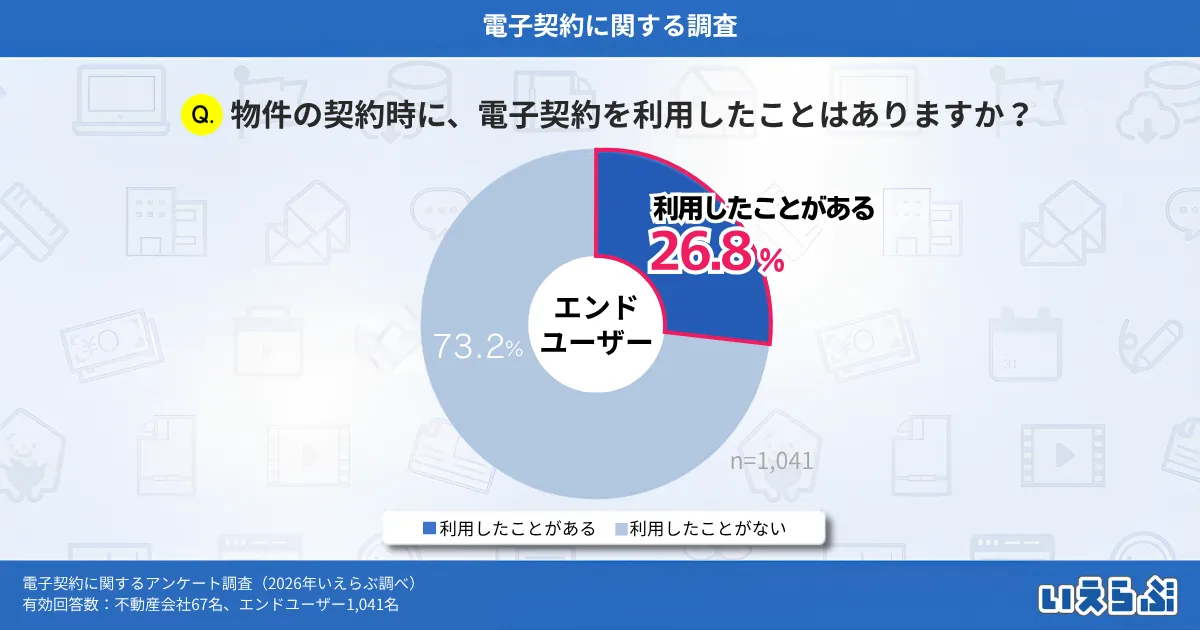
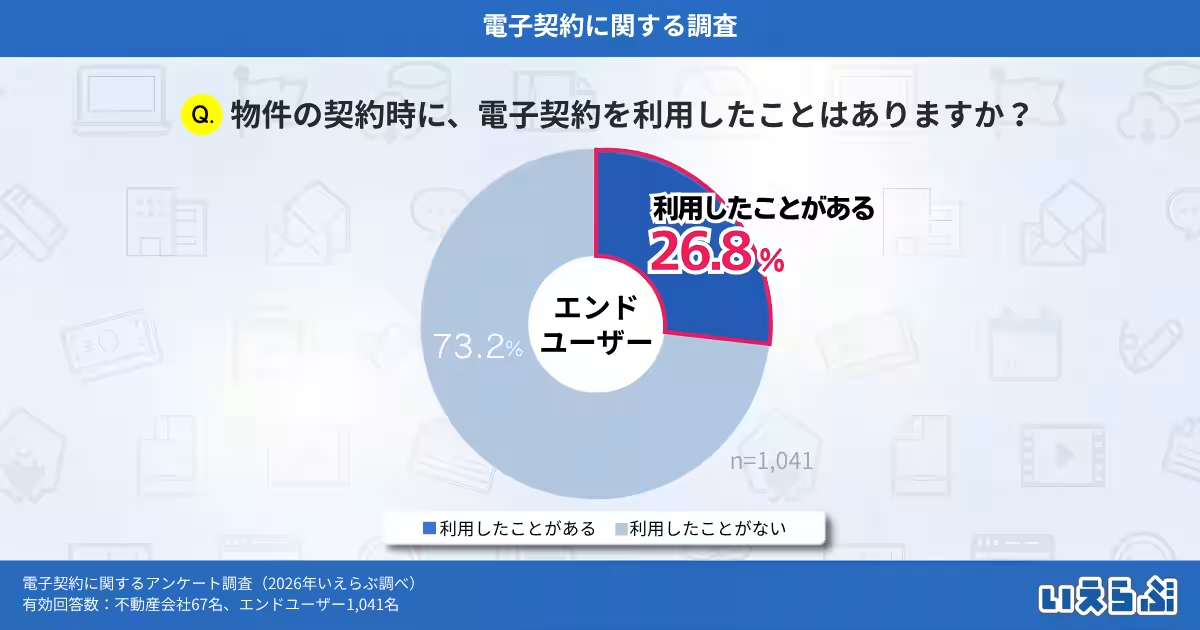
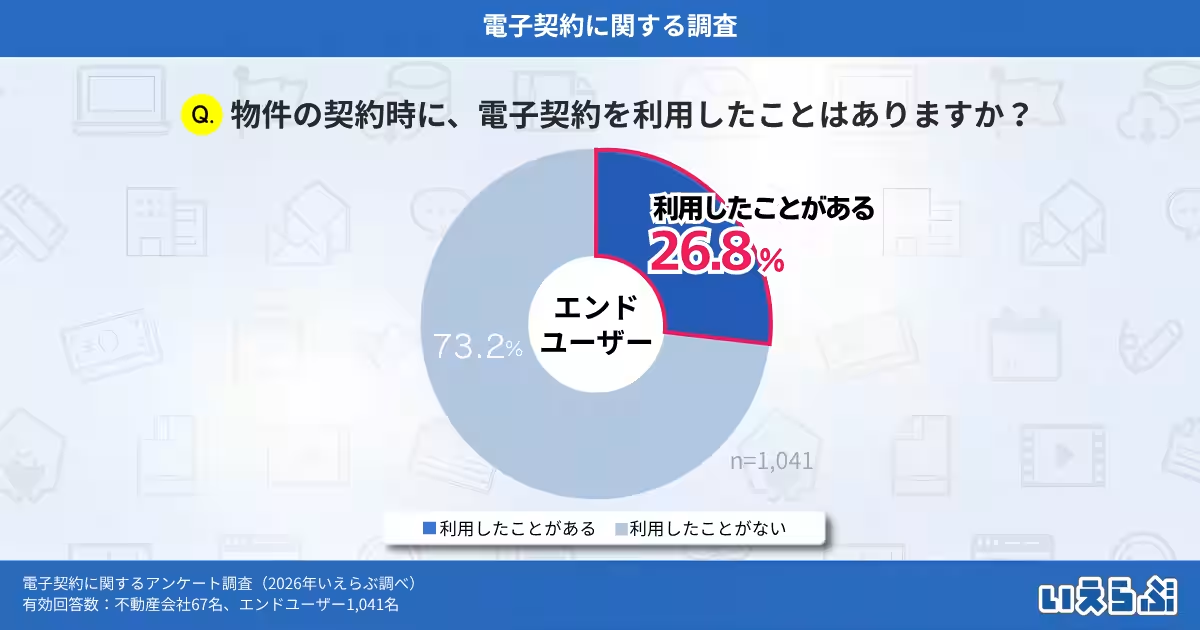
1. 26.8% of end users have used electronic contracts
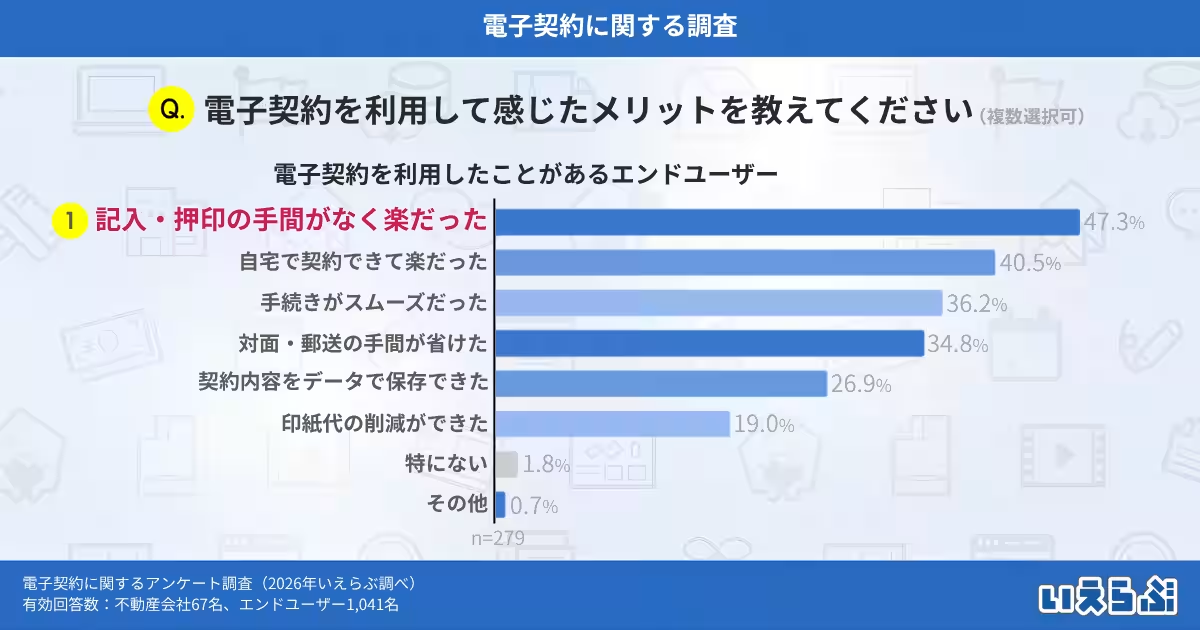
2. The predominant advantage cited was ease of use, with nearly half of respondents indicating that the lack of tedious processes was a key benefit.
3. There is a stark contrast in intent to adopt electronic contracts based on prior experience with them.
End User Experience with Electronic Contracts
When asked if they had used electronic contracts during property leases, 26.8% of end users affirmed they had. This marks only a slight increase from the previous year, where 24.8% reported similar usage. Conversely, around 40% of real estate companies indicated they were utilizing electronic contracts in some capacity.
Despite advances, traditional paperwork still dominates the industry, as 62.7% of contracts were primarily written forms. Only 9% of companies relied predominantly on electronic contracts.
Advantages of Electronic Contracts
Those who have utilized electronic contracts cited several benefits:
- - Ease of process: 47.3% noted that avoiding the hassle of signing and stamping was a major plus.
- - Convenience: 40.5% appreciated being able to complete contracts from home.
- - Smooth procedures: 36.2% found the overall process more efficient.
Real estate firms echoed the sentiment, with 52.8% stating that reduced stamping requirements was a significant benefit, and 44.4% noted shortened contract completion times.
Challenges Remain
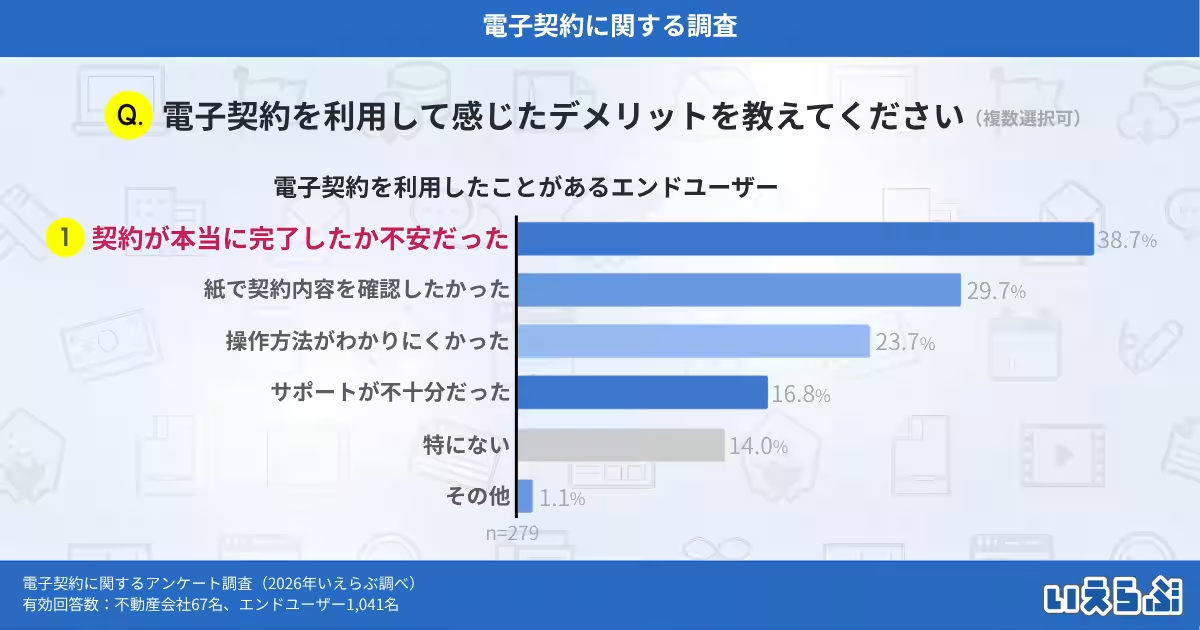
The survey also highlighted some drawbacks experienced by end users, such as nervousness about the completion status of contracts (38.7%), a desire for physical confirmation of details (29.7%), and unclarity in operation (23.7%). Real estate companies reported challenges with adaptation time for staff (55.6%), difficulties in explaining the process to customers (30.6%), and occasional online problems such as communication failures (19.4%).s
Just as there are numerous benefits, it’s evident that usability and visual clarity issues still persist, indicating areas in need of improvement.
Security Concerns in Electronic Contracts
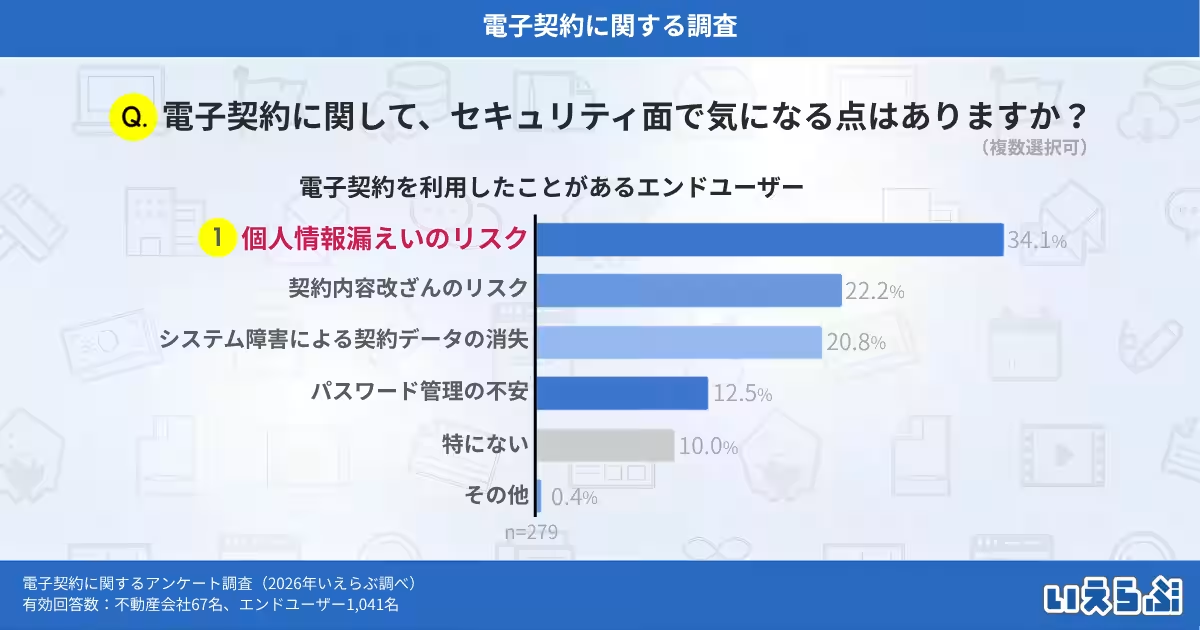
The study further probed into security concerns regarding electronic contracts. Among those who had used the system, 34.1% expressed worries about the potential for personal data breaches, while 22.2% were concerned about contract tampering, and 20.8% feared loss of data due to system failures.
These apprehensions underscore the need for enhanced data protection measures and more robust systems to foster wider acceptance of electronic contracts.
Future Outlook
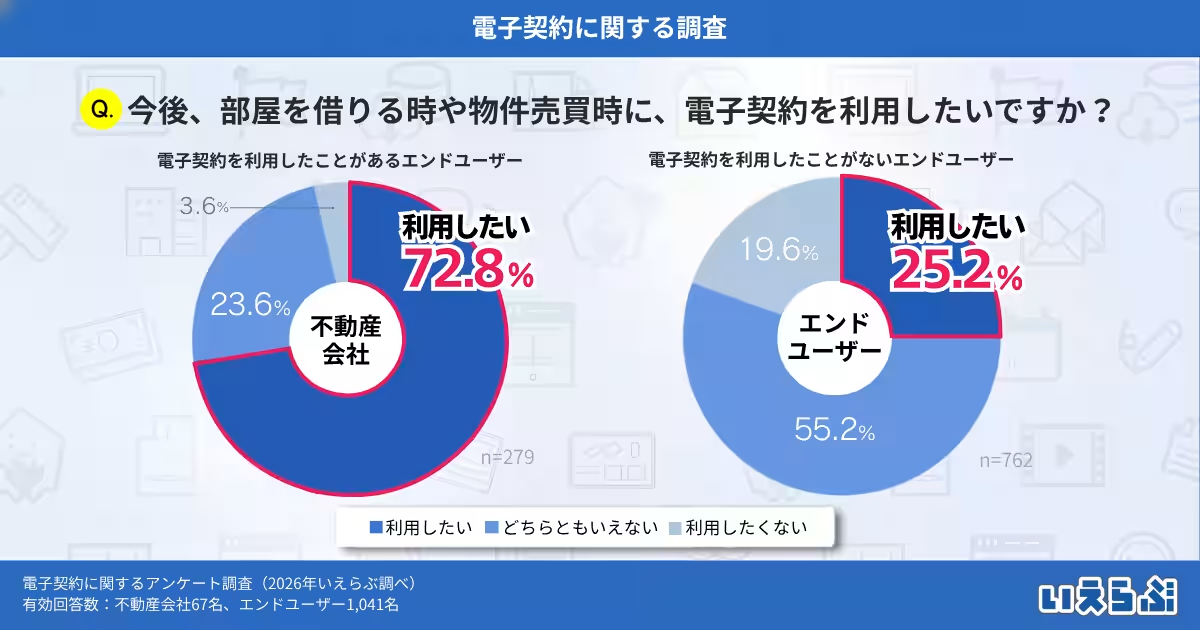
When questioned about their intentions for future use of electronic contracts in leasing or buying property, a significant 72.8% of users who had experience with electronic contracts expressed a desire to continue using this method. In stark contrast, only 25.2% of those without prior experience showed interest.
This demonstrates a clear need for ongoing efforts to raise awareness and encourage acceptance of digital contracting solutions among less experienced users in the market.
IerabuGROUP's Executive Officer, Kenichi Niwayama, noted, “This survey revealed the ongoing evolution of electronic contracts within the real estate sector. While there’s a clear recognition of their benefits, challenges related to usability, visibility, and security still persist. Addressing these concerns and ensuring a trustful environment will be crucial for the accelerated adoption of electronic contracts.”
With a solid commitment to facilitating technological advancement in the real estate field, IerabuGROUP is dedicated to enhancing efficiency and fostering the digital transformation of property transactions. The company’s electronic contract system, known as

Topics Consumer Technology)
【About Using Articles】
You can freely use the title and article content by linking to the page where the article is posted.
※ Images cannot be used.
【About Links】
Links are free to use.