



Addressing Aging Participation and Declining Groups in Adapt Program Research
Overview of the Adapt Program's Challenges
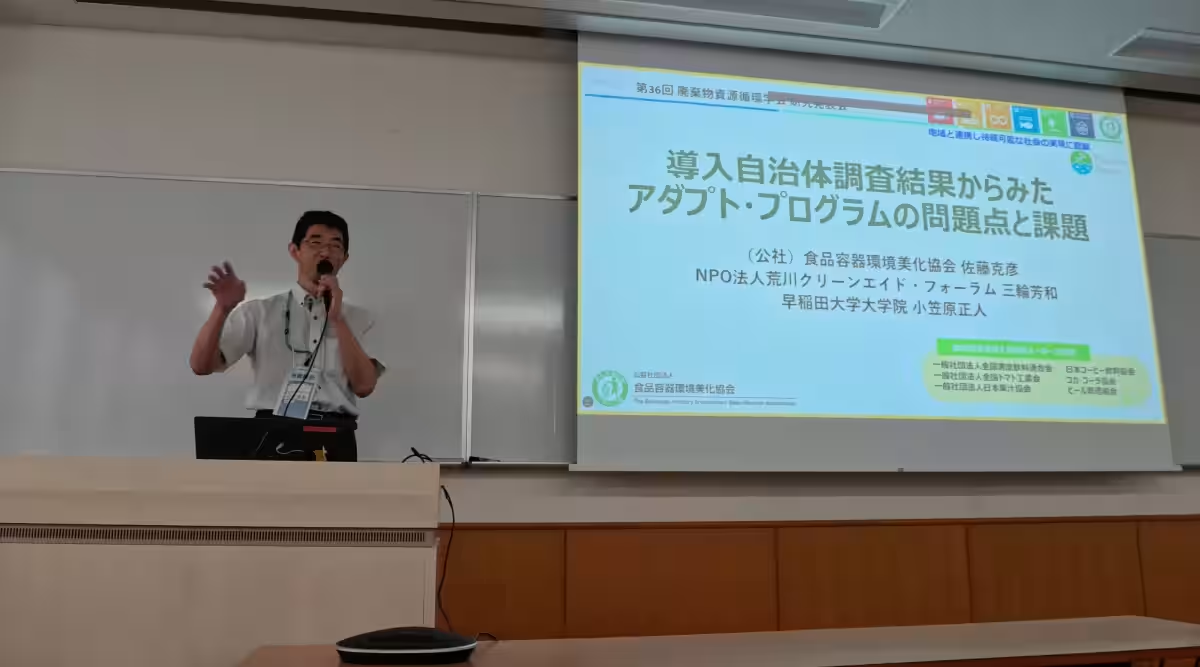
The Adapt Program has been a collaborative initiative in Japan designed to improve local environments through the combined efforts of citizens, businesses, and government. Originally introduced in 1998, it has since fostered numerous cleaning and beautification activities across various regions. The Public Interest Incorporated Association for Food Container Environmental Beautification (located in Minato, Tokyo) presented significant research regarding this program at the 36th Waste Resource Recycling Conference held at Nagoya University from September 17 to 19, 2025.
Research Background
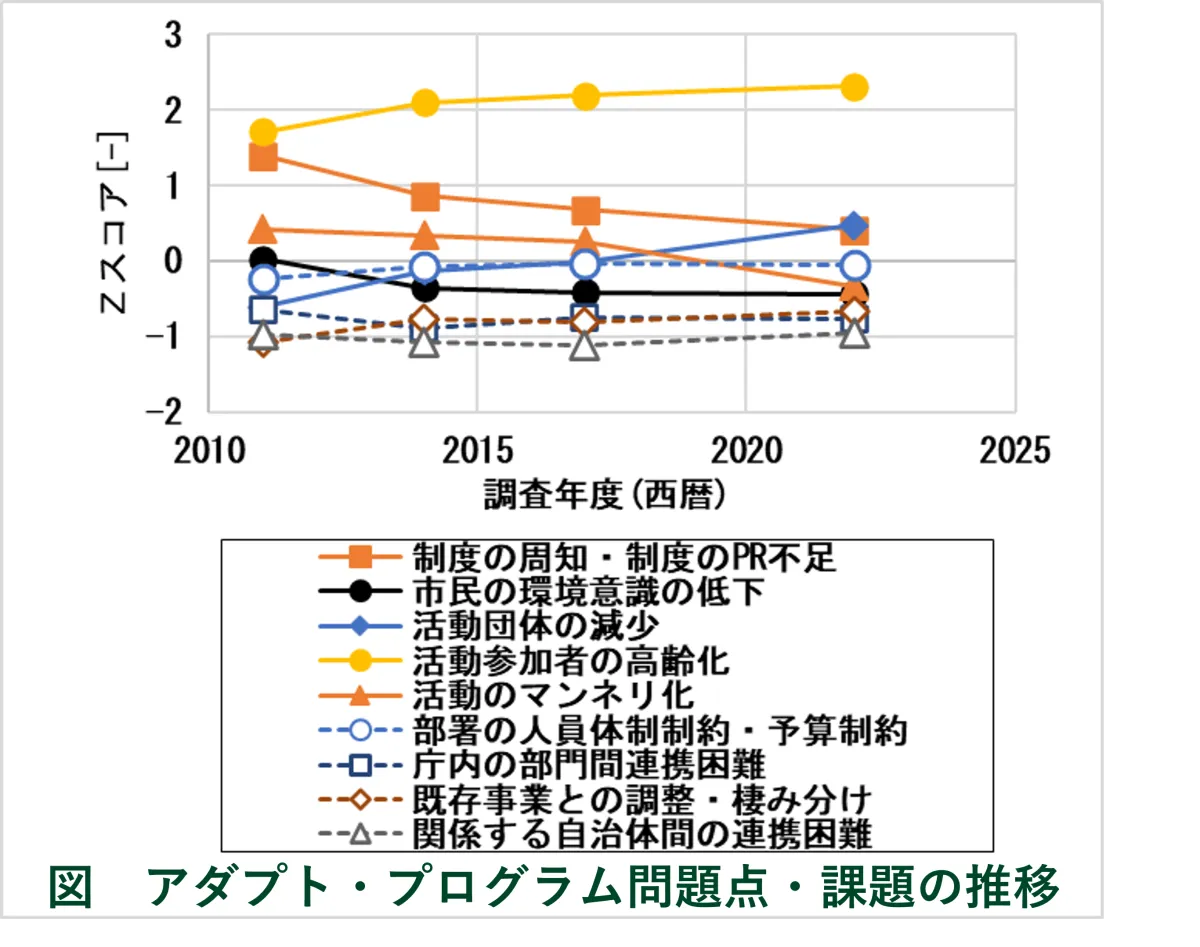
From 2011 to 2022, our association has conducted four nationwide surveys that track the evolving challenges faced by municipalities under the Adapt Program. This extensive research seeks to ensure the sustainability and effectiveness of local environmental initiatives, particularly as the demographic landscape changes. Aging populations and the declining number of active groups have emerged as critical issues needing urgent attention.
Methodology and Findings
The latest findings indicate a stark reality: many participants in the program are aging, and the number of active groups is dwindling. The data suggests that while large municipalities require structural improvements related to systems and budgets, grassroots (or “basic”) municipalities need to focus on encouraging citizen participation. A significant shift is necessary, transitioning from a reactive approach to one that prioritizes prevention.
In our analysis, we emphasize the importance of creating systems that facilitate easier participation for the elderly population. This could include flexible activity arrangements and supportive environments that consider their specific needs. Furthermore, there is an urgent call for proactive information dissemination that actively engages not only governmental bodies but also private sectors to bring new energy into community practices.
Strategies for Improvement
To combat the pressing challenges, there are several strategic initiatives that we believe must be implemented:
1. Enhancing a Donation Platform: A platform that facilitates funding for activities could open new avenues for support and resource allocation. By bridging the gap between donors and needs, we can significantly bolster activity funds.
2. Online Campaigns: Utilizing specific anniversaries to launch online campaigns can increase awareness and broaden participation. Such initiatives are invaluable for attracting a wider audience and capturing the interest of potential new volunteers, particularly the younger demographic who may engage through digital platforms.
This study provides pivotal insights that can act as a guideline for ensuring the sustainability of beautification activities in neighborhoods. We invite the media and relevant stakeholders to pay close attention to our findings, as they pose crucial implications for future environmental initiatives.
Conclusion
As communities strive to protect and enhance their environments, understanding the dynamics of participation within the Adapt Program is more important than ever. By addressing aging participation and offering solutions to invigorate community engagement, we can secure a more sustainable future for local beautification efforts. The collaboration between citizens, businesses, and governments remains vital, and now is the time to renew our commitment to this essential work.
Topics Environment)
【About Using Articles】
You can freely use the title and article content by linking to the page where the article is posted.
※ Images cannot be used.
【About Links】
Links are free to use.