



The Current State of Labor Shortages in Medium-Sized Enterprises in Japan: Insights and Responses
The Current State of Labor Shortages in Medium-Sized Enterprises in Japan: Insights and Responses
In recent years, the labor shortage crisis has intensified among medium-sized enterprises in Japan. A new report, the "BLUE REPORT" issued by FORVAL GDX Research Institute, sheds light on the conditions and challenges these businesses face. According to this report, a staggering 80% of businesses with over 50 employees identify labor shortages as a significant management issue.
The Importance of the Report
The primary objective of the BLUE REPORT, issued on April 10, 2026, is to grasp the realities of labor shortages and how medium-sized enterprises are tackling these challenges. This issue of the report outlines the state-related responses to the ongoing shortage of skilled labor, especially in critical sectors like construction. The report cites that the 2025 White Paper on Small and Medium Enterprises highlights the persistent staffing challenges exacerbated by economic factors like the weaker yen and rising prices. It also indicates a rising trend in bankruptcies related to labor shortages.
Key Findings from the BLUE REPORT
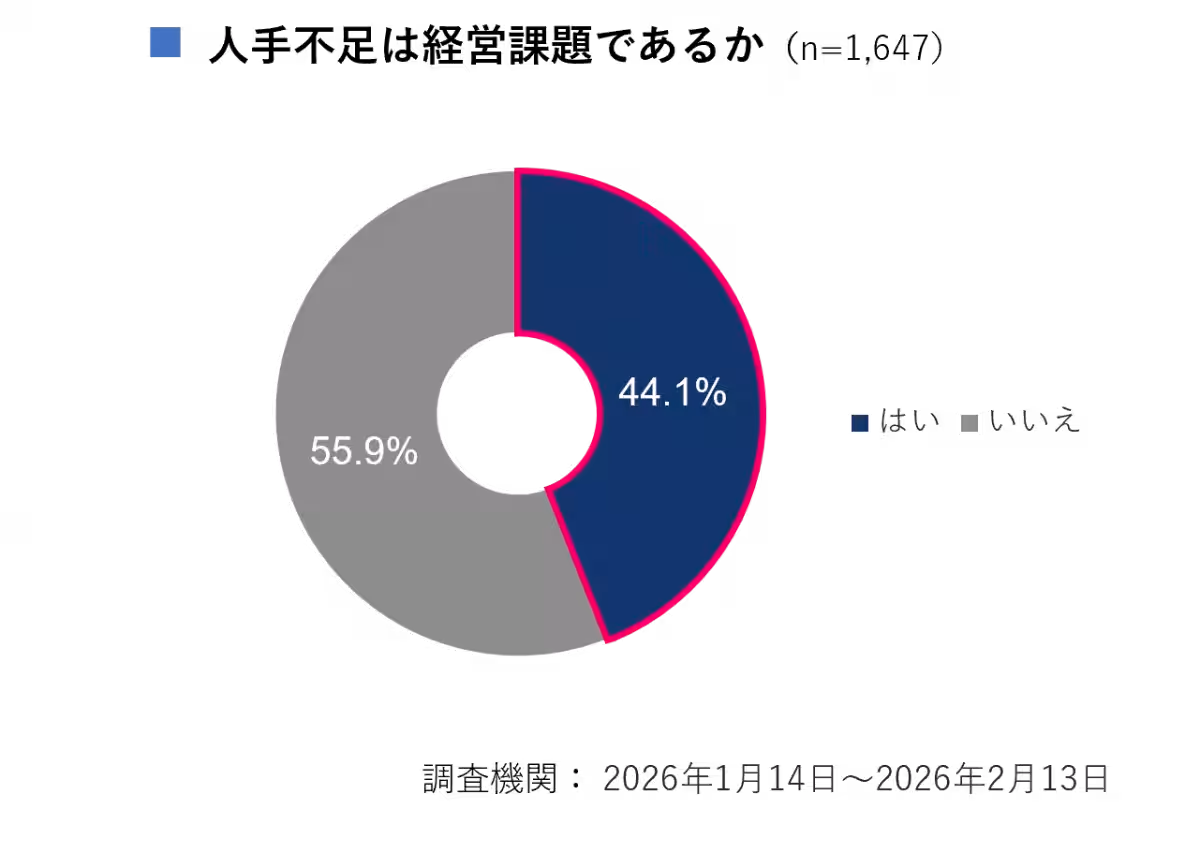
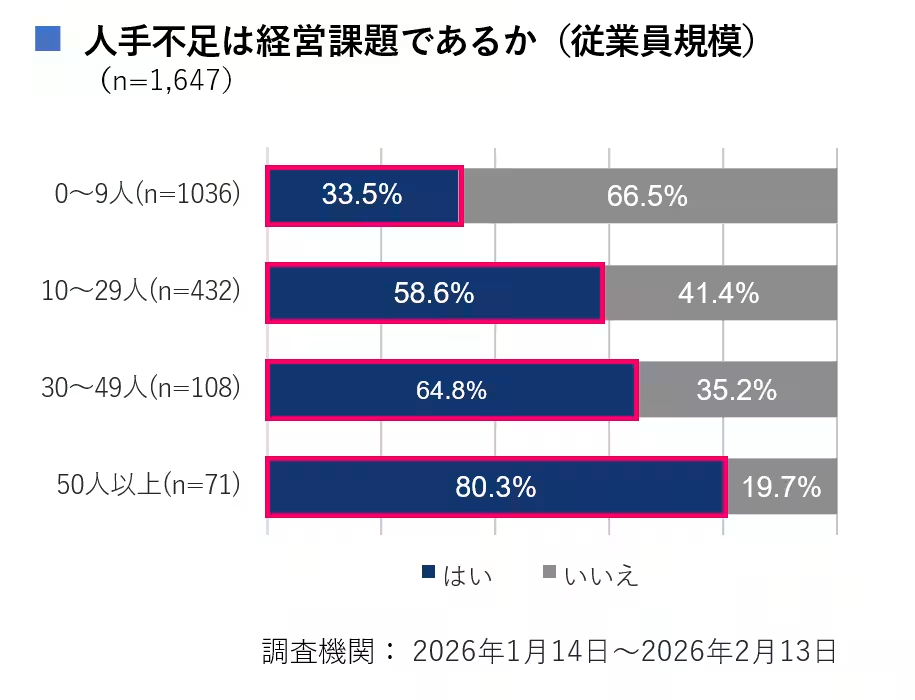
1. Perception of Labor Shortages as a Management Issue: The report reveals that 44.1% of all surveyed enterprises acknowledge labor shortages as a pressing management concern. Notably, this perception rises substantially among larger enterprises; where 33.5% of companies with fewer than ten employees admitted to feeling this issue, a striking 80.3% of those with over 50 employees shared the same sentiment. This disparity suggests that smaller businesses often rely on existing staff to handle tasks, thus perceiving labor shortages less acutely.
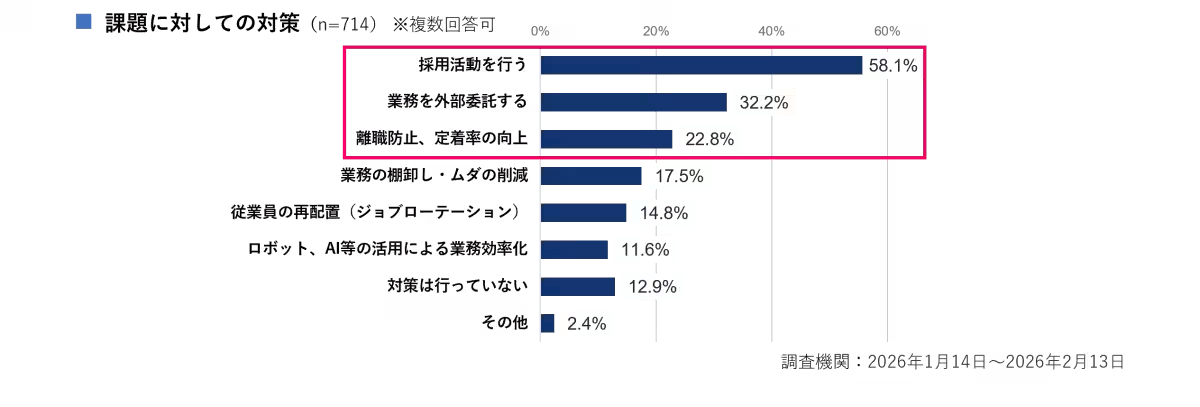
2. Top Strategies to Combat Labor Shortages: When asked about the actions they are taking to address labor shortages, 58.1% of companies noted that they were engaging in recruitment activities. Other strategies included outsourcing work (32.2%) and enhancing retention and employee loyalty (22.8%). This indicates that while businesses prioritize hiring to mitigate labor shortages, many are also looking to external support.
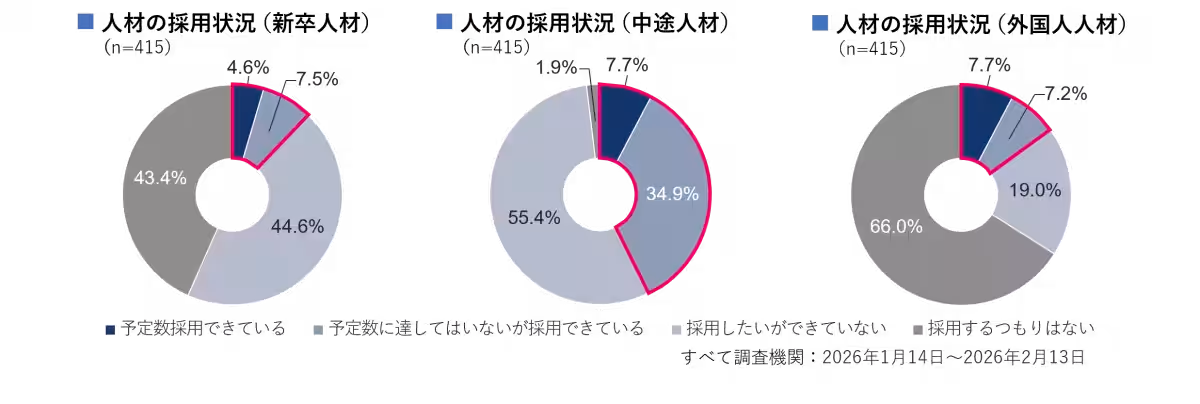
3. Current Recruitment Landscape: The data reveals a marked preference for mid-career hires with 42.6% successfully recruiting experienced individuals, while only 12.1% of companies managed to recruit recent graduates, and a mere 14.9% secured foreign personnel. The reluctance to hire new graduates or foreigners indicates a possible challenge in integrating and establishing a supportive environment for these groups.
Understanding the Trends
The increasing recognition of labor shortages as a management issue mirrors the reality of escalating turnover rates that accompany larger businesses. Inadequate availability of target professionals, particularly skilled labor in sectors such as on-site workers and engineers, has created a stiff competition among medium-sized enterprises, emphasizing the need for effective strategies in recruitment and retention.
The BLUE REPORT also indicates that while companies are willing to enhance staffing capabilities through hiring, there are significant hurdles. Many businesses are constrained by strict budgets amid rising operational costs driven by inflation. Existing employees are also experiencing increased pressures for wage increases, complicating these concerns.
In response, enterprises must adapt by diversifying recruitment strategies, embracing flexible work arrangements, and leveraging digital transformation for efficiency in their operations. Such efforts are pivotal as companies navigate the challenging landscape of labor shortages in Japan.
Strategic Implications
For small enterprises, it is especially crucial to enhance their visibility and appeal to prospective applicants. The perception of being less attractive to job seekers must be countered with strategic differentiation; this includes showcasing work environments, career development processes, and the company's culture. Optimizing recruitment approaches to focus on targeted advertising and creating a proactive stance in the hiring process are essential steps.
Moreover, harnessing talent from diverse backgrounds, employing outsourcing and contracting options, and collaborating with recruitment specialists can further enhance labor acquisition strategies. A deeper understanding of the factors leading to labor shortages and refined planning may empower enterprises to develop further effective solutions to sustain their operations in an increasingly competitive market.
Conclusion
The insights from the BLUE REPORT are crucial for medium-sized enterprises in mitigating the impacts of labor shortages. As this situation is critical for the Japanese economy, it emphasizes the significant role that these enterprises play. By actively addressing recruitment challenges and adapting their approaches, medium-sized enterprises can not only sustain but thrive amidst these difficulties.
Further information on the FORVAL GDX Research Institute can be accessed here.

Topics Business Technology)
【About Using Articles】
You can freely use the title and article content by linking to the page where the article is posted.
※ Images cannot be used.
【About Links】
Links are free to use.