



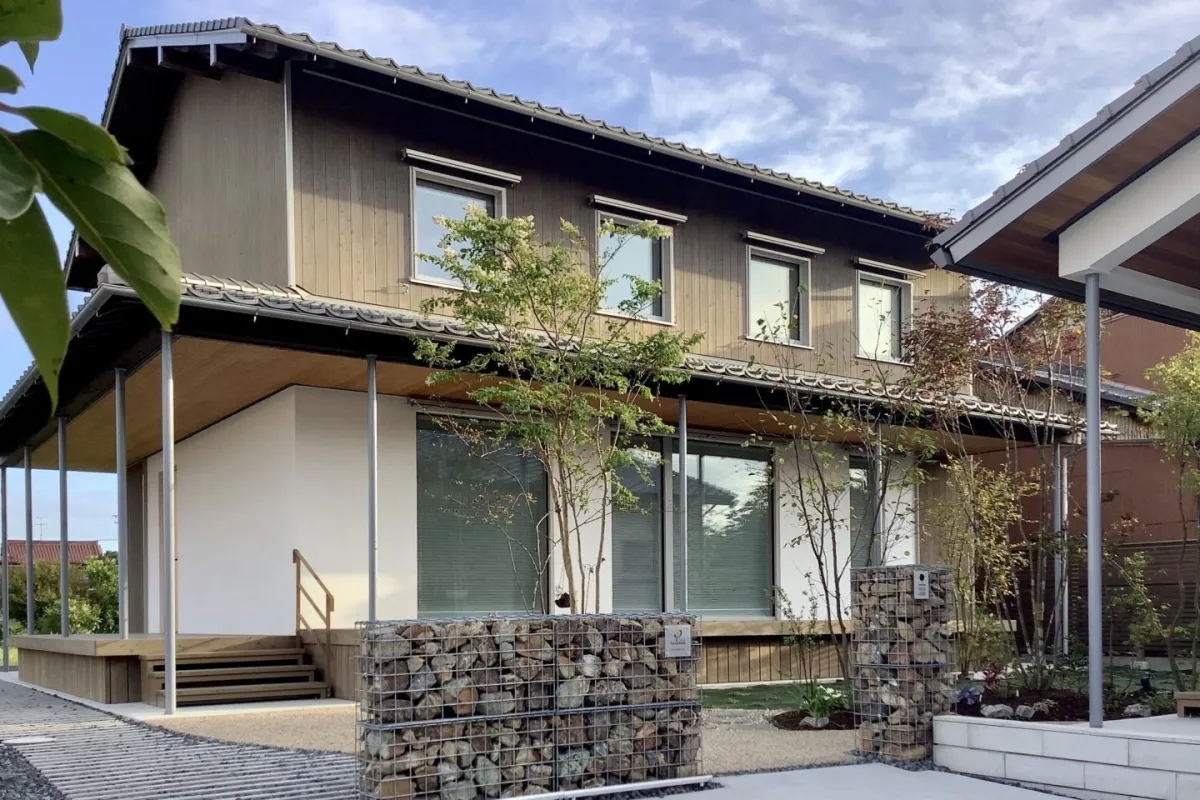
Explore Energy-Efficient Homes at PASSIVEHOUSE OPENWEEKS 2025 Summer Events
Discover Energy Efficiency at the PASSIVEHOUSE OPENWEEKS 2025 Summer
The Passive House Japan (PHJ), based in Kamakura, Kanagawa Prefecture, is excited to announce the PASSIVEHOUSE OPENWEEKS 2025 SUMMER, set to take place from August 1 to August 31, 2025. This initiative promotes sustainable living by showcasing high-performance, energy-efficient homes that resonate with the principles of passive housing. This year marks the sixth occurrence of the event, and it builds on the overwhelming success of last year’s open weeks, particularly during the hot summer months, an aspect championed by PHJ's member companies.
What to Expect
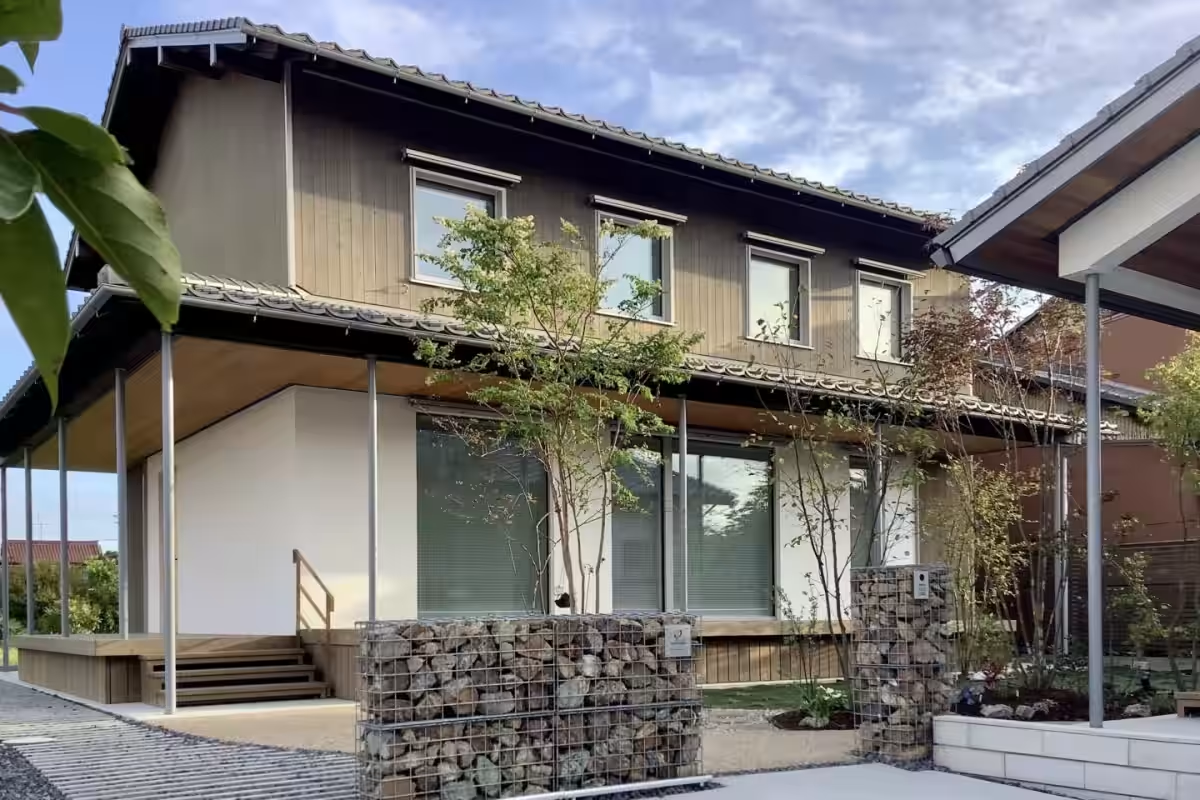
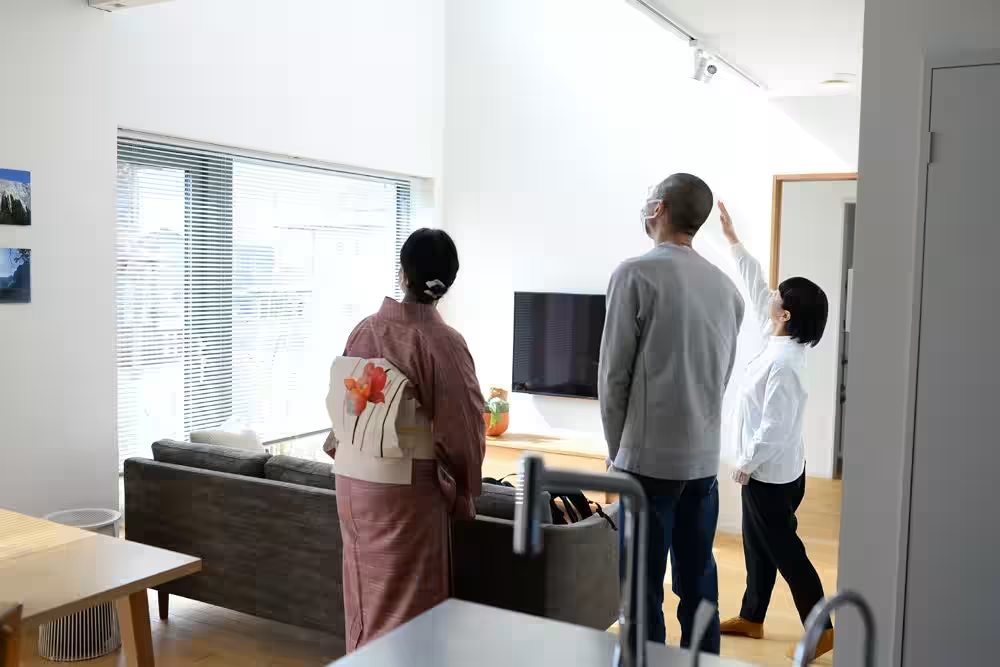
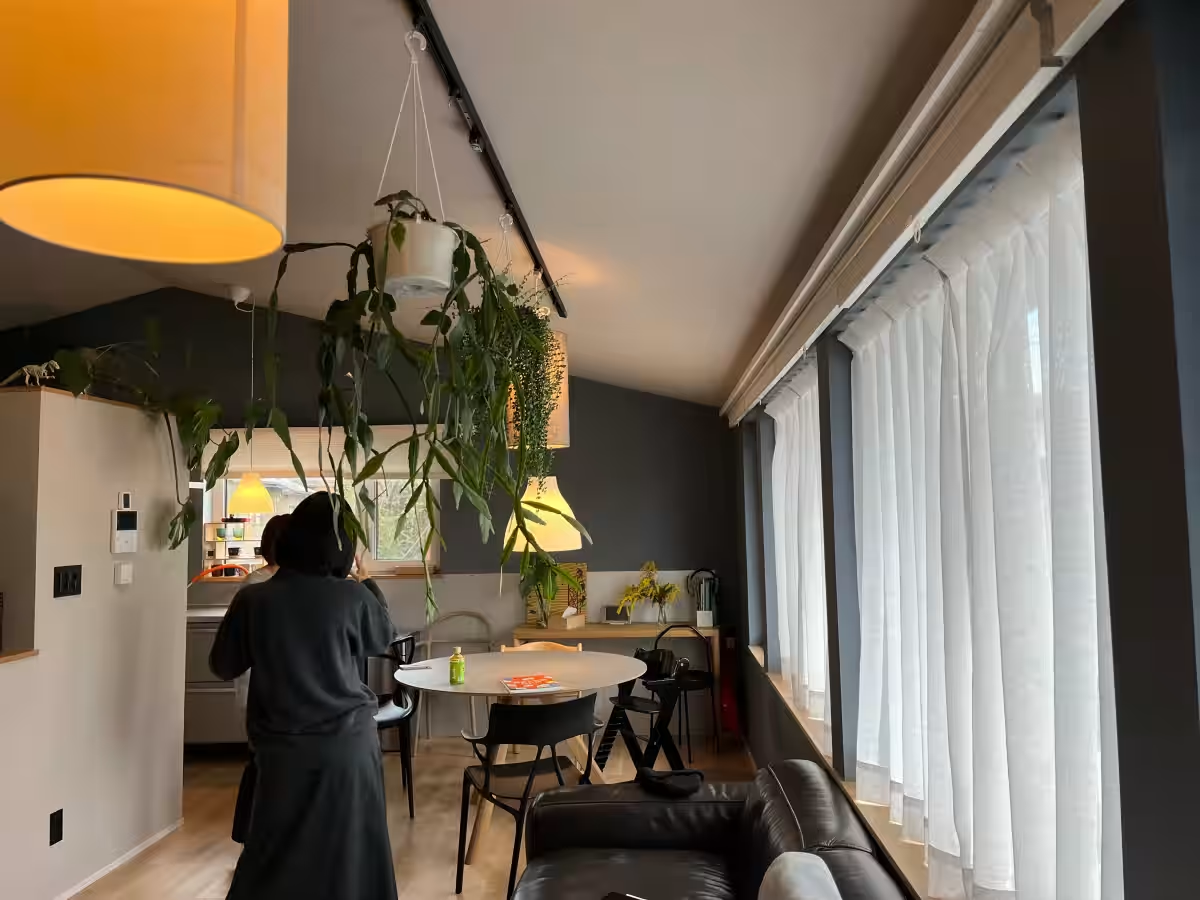
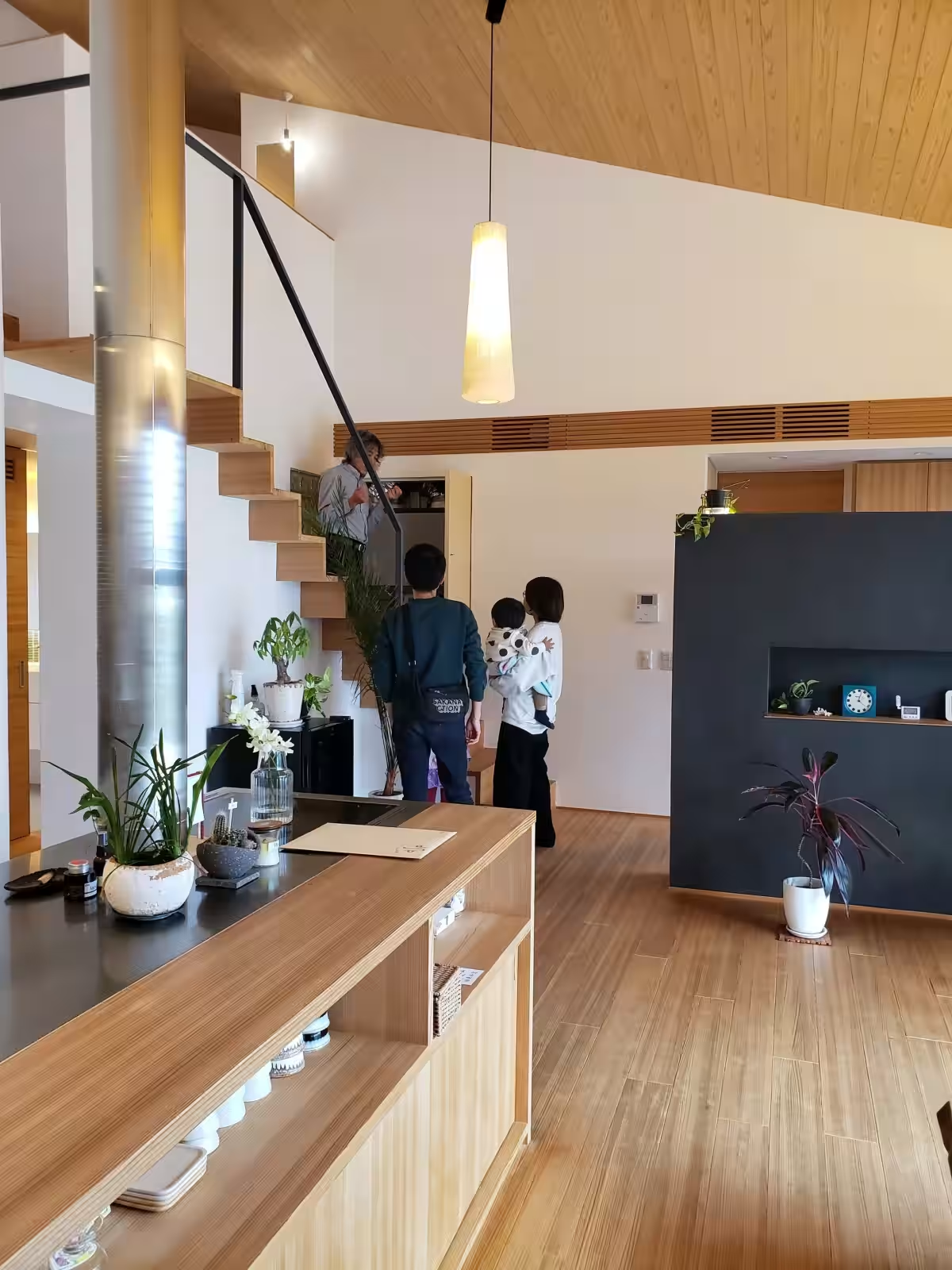
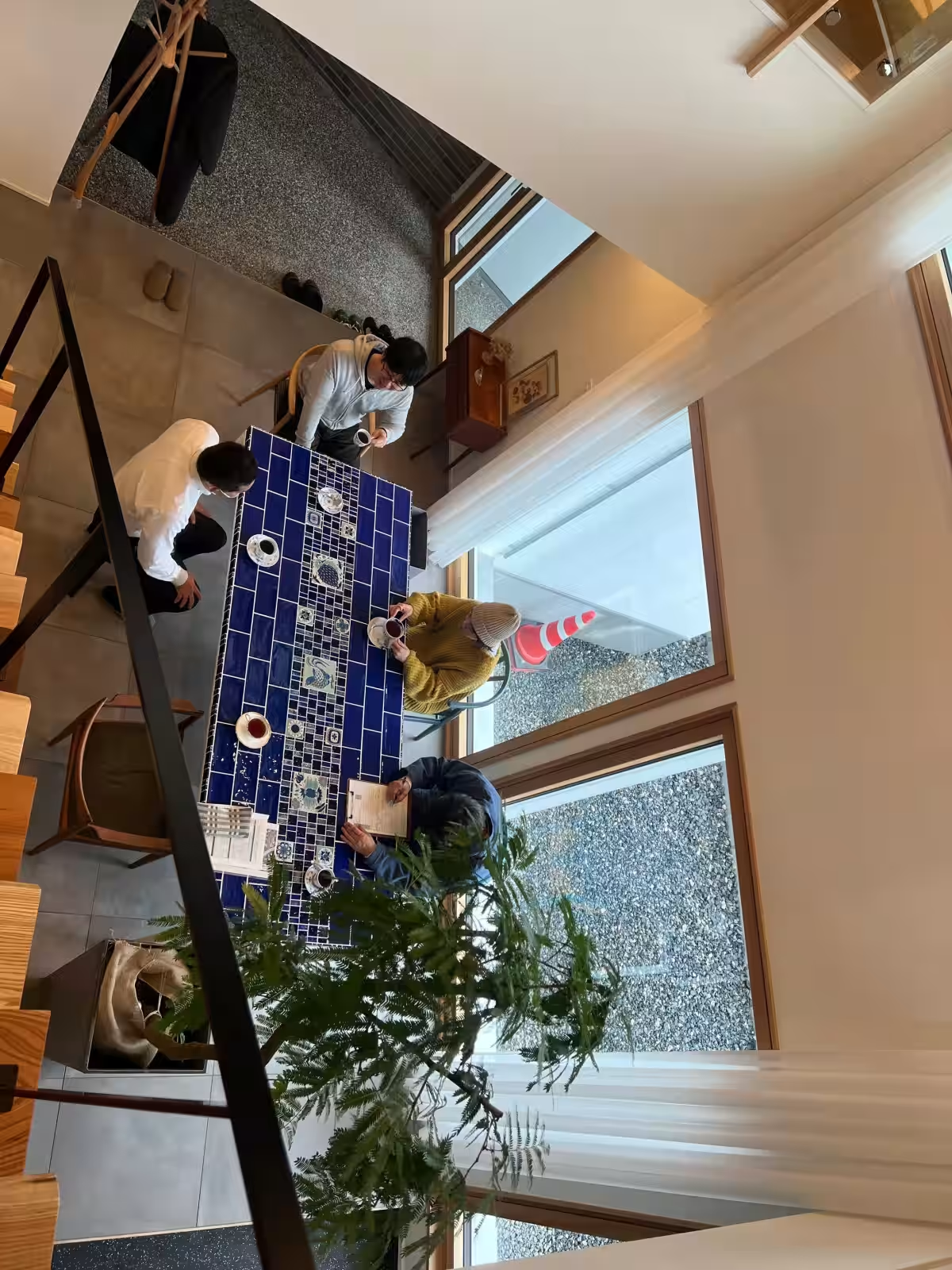
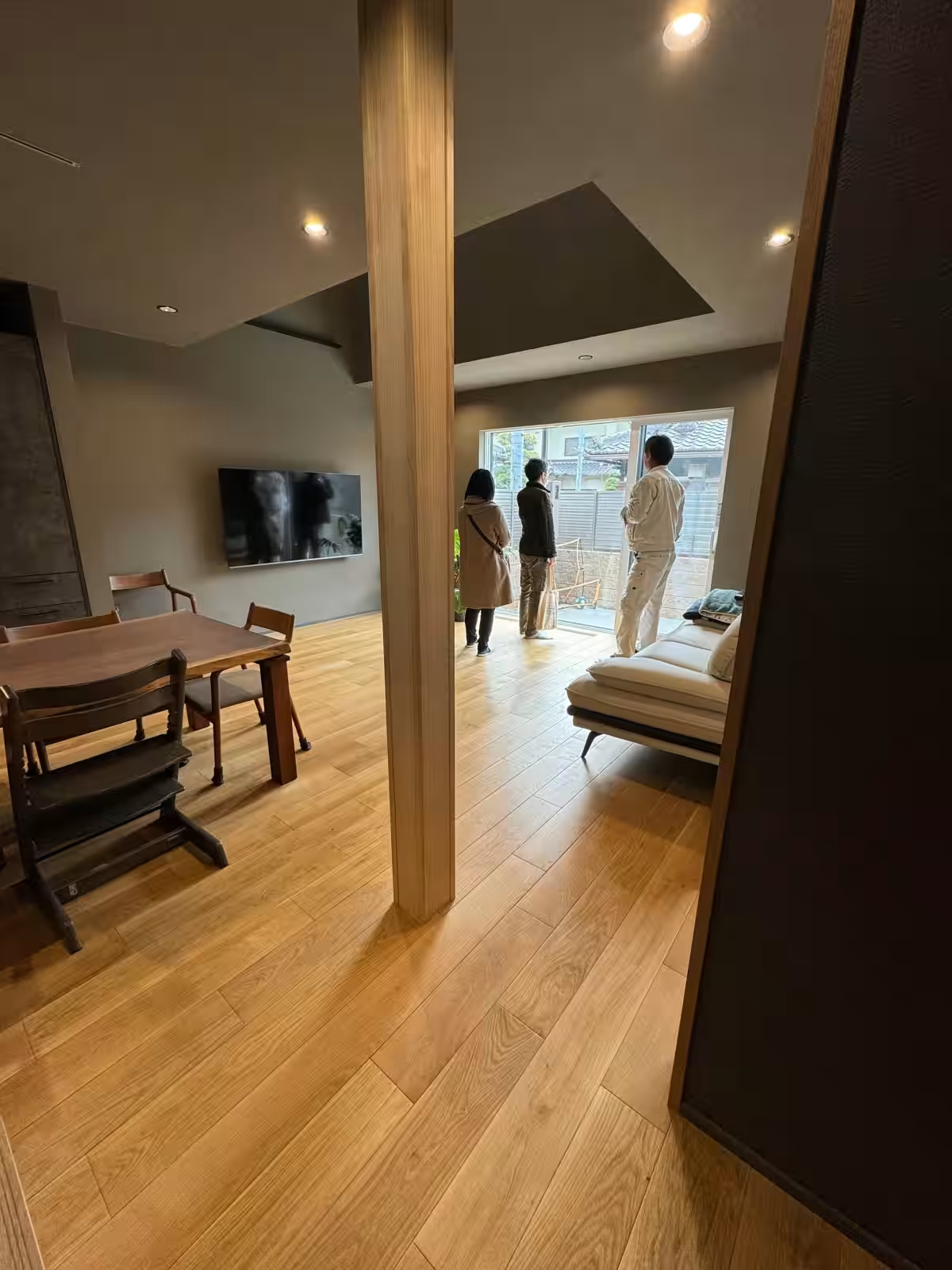
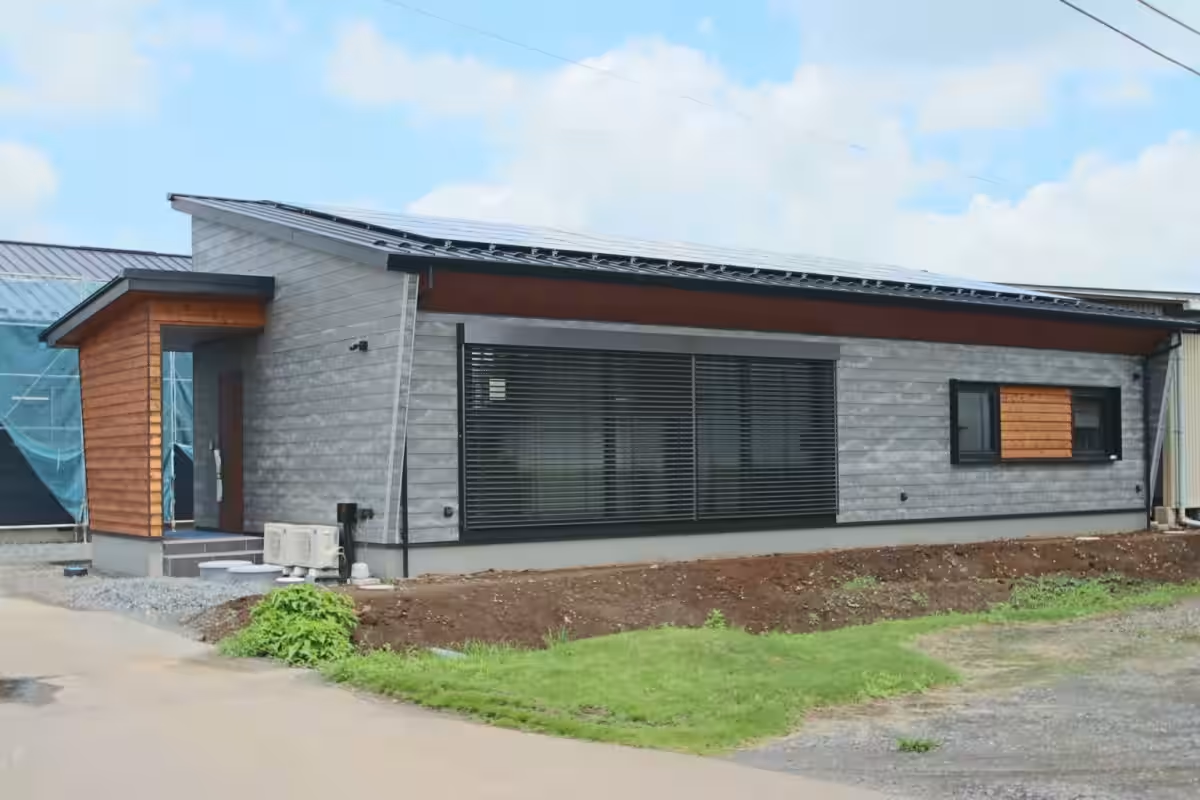
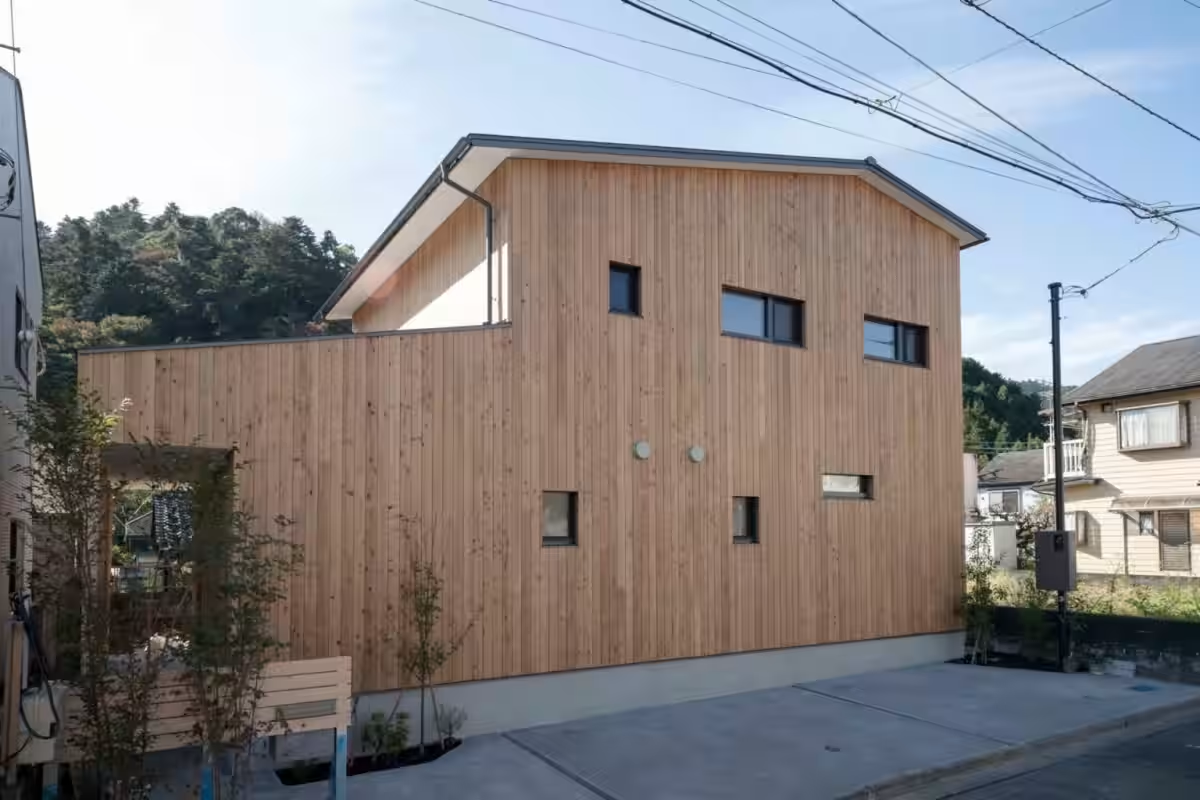
Unlike typical housing exhibitions, the Open Weeks provide an opportunity to tour real homes inhabited by their owners. This personal touch allows participants to engage directly with homeowners, providing insight into their experiences living in passive houses. The event will run for a month, featuring designated viewing days for each property across various locations. As these sessions are reservation-based, interested guests are encouraged to book their spot in advance.
Event Details
- - Event Name: PASSIVEHOUSE OPENWEEKS 2025 SUMMER
- - Dates: From August 1 (Friday) to August 31 (Sunday), 2025. Specific dates vary by property.
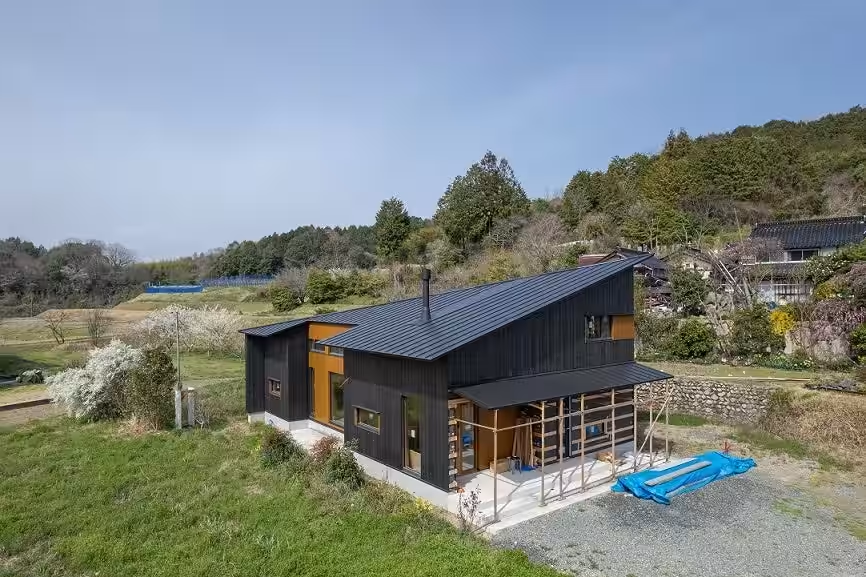
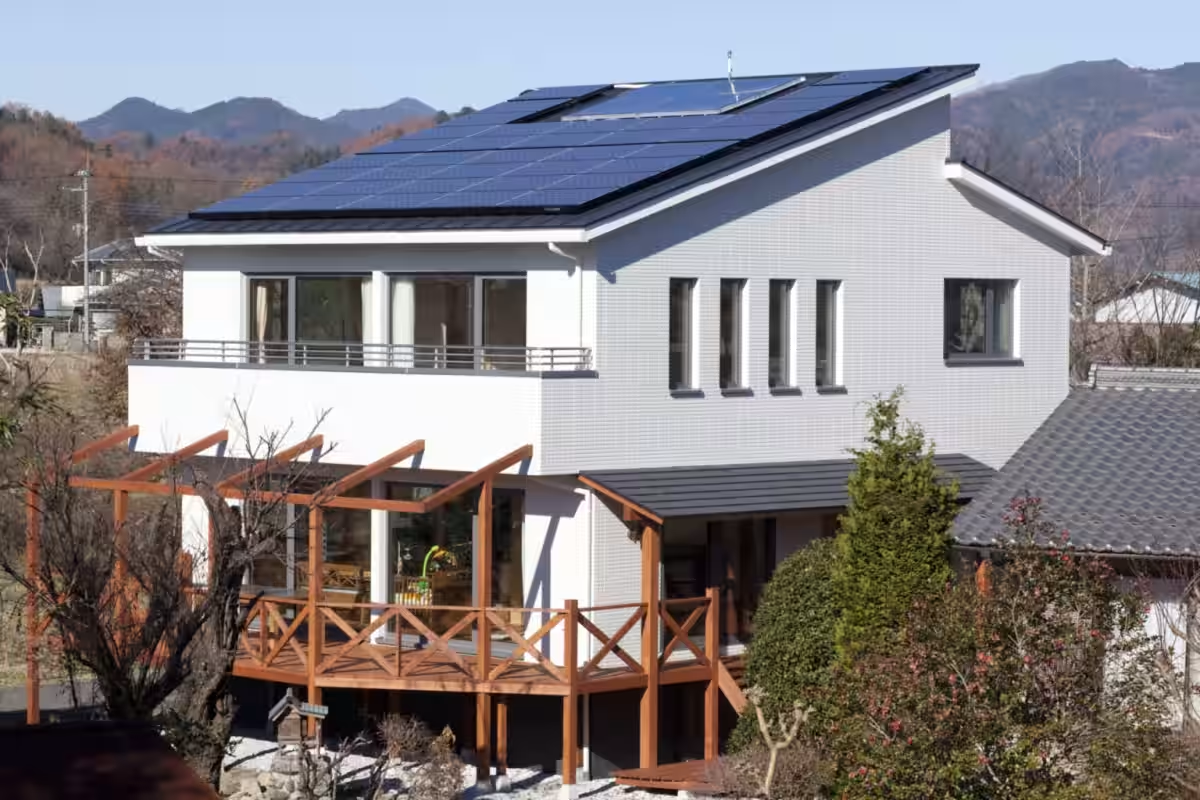
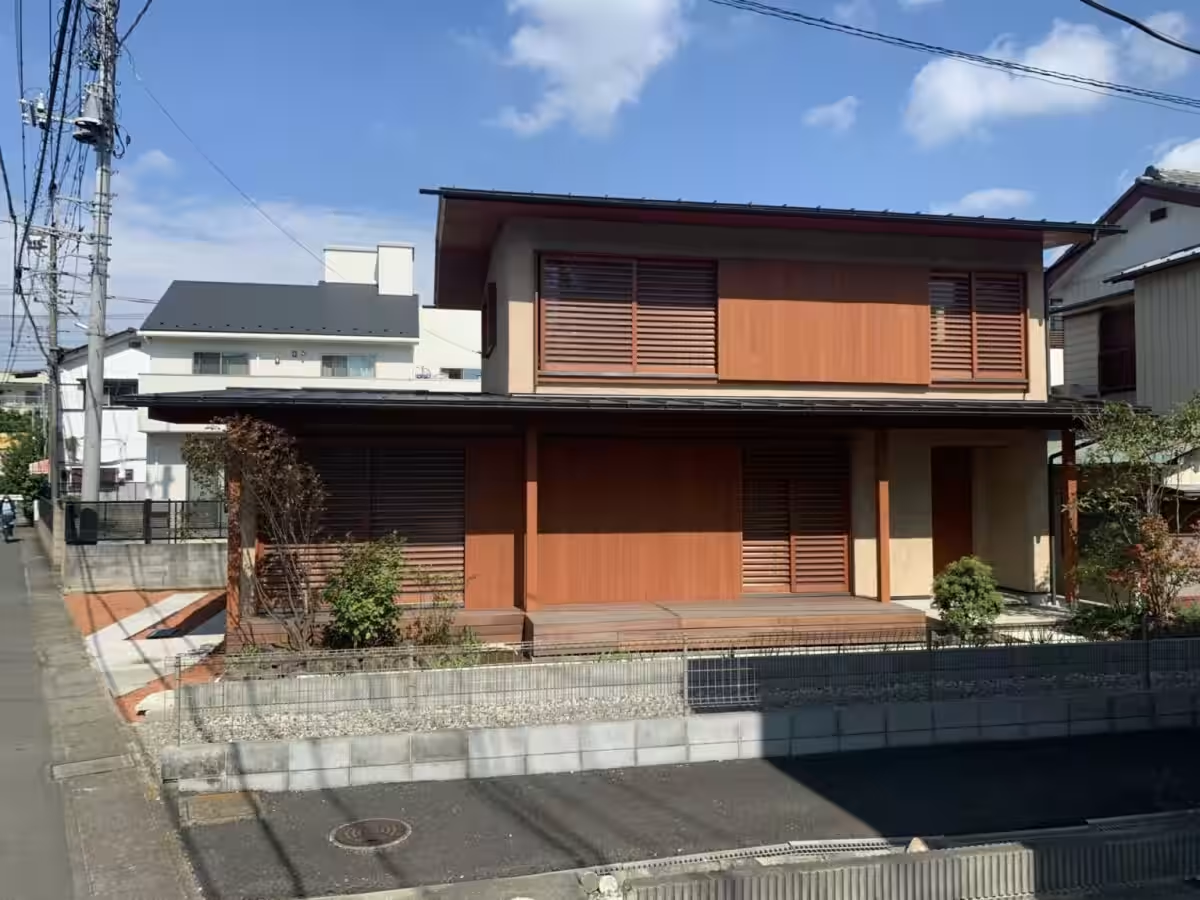
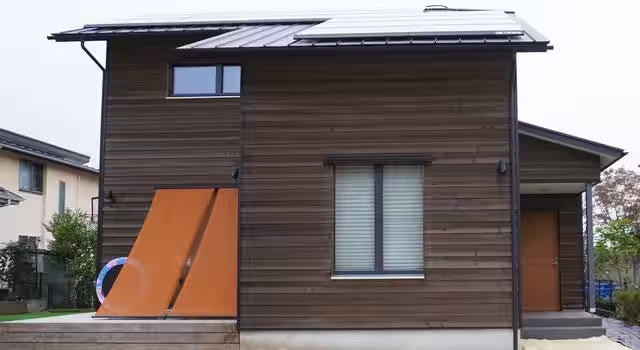
- - Locations: Various passive houses, including the following sites across Japan:
- Saitama Prefecture: Shiki Passive House, Chichibu Passive House
- Tokyo: Hachioji Minamino Passive House (application pending), Takao Passive House
- Okayama Prefecture: Kaiyu House (application pending)
- Aichi Prefecture: Owari Ichinomiya Passive House
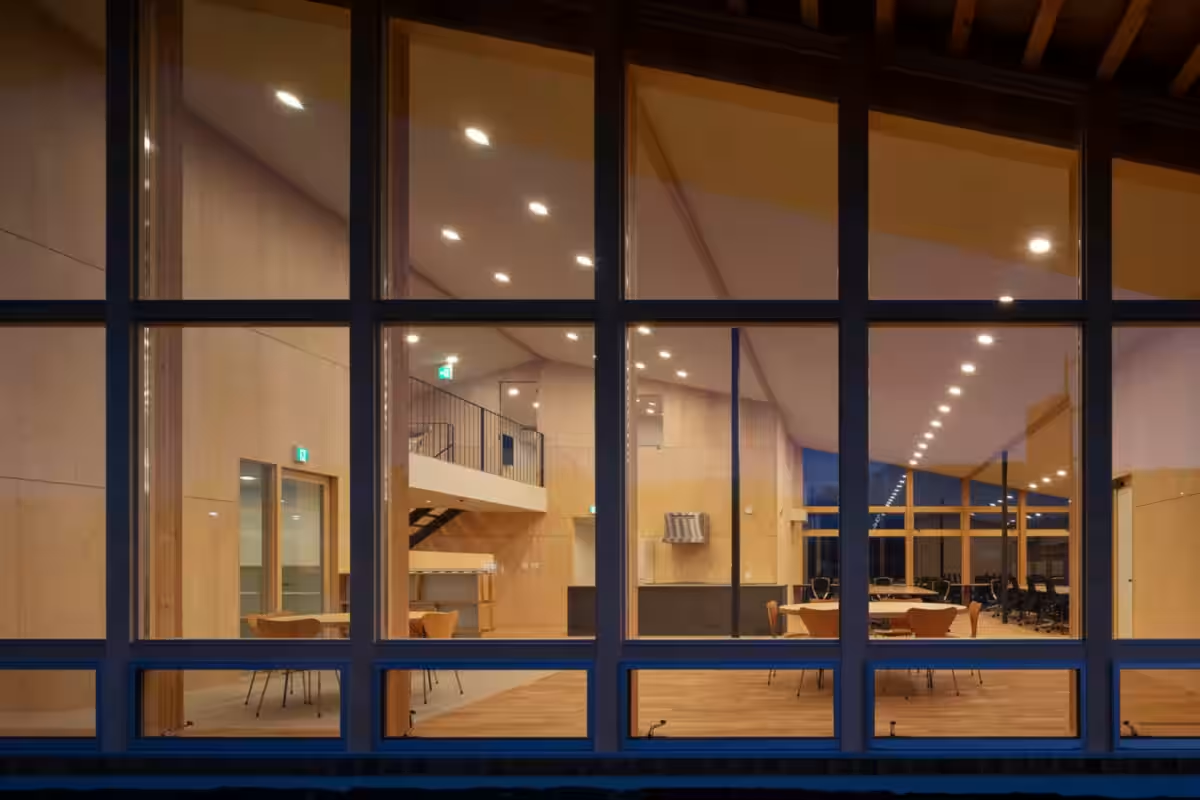
- Nagano Prefecture: Kinoshita Construction New Headquarters (NHQ1)
- - Admission Fee: Free
- - Organizer: Passive House Japan
- - Further Information and Registration: Check the official website for detailed locations and registration guidelines.
What Attendees Say
Past visitors have shared their thoughts on the event, highlighting the refreshing experience of a passive house in summer, where AC usage is minimal, yet comfort is maintained. Comments include:
- - “It was so pleasant without the need for excessive air conditioning!”
- - “I gained valuable insights into creating a richer life.”
- - “I was amazed at how cool it felt without strong air conditioning.”
Standards of Passive Houses
To qualify as a passive house, buildings must meet strict criteria, including:
- - Annual heating and cooling demands of 15 kWh/m².
- - Total yearly primary energy consumption of 120 kWh/m², including electrical appliances.
- - Airtight performance delivering a maximum of 0.6 air changes per hour at 50 Pascal pressure differences.
Calculations are made using the internationally recognized PHPP (Passive House Planning Package) software, ensuring that the actual energy consumption remains within calculated limits. This careful design methodology guarantees high sustainability ratings worldwide.
About Passive House Japan (PHJ)
Founded on February 1, 2010, PHJ serves as the official Japanese liaison for the Passive House Institute (PHI) in Germany, focusing on promoting and establishing energy-efficient homes tailored to Japan's climatic and cultural contexts. By segmenting Japan into eight regions, PHJ conducts educational workshops and tours, fostering collaboration among builders and designers passionate about energy-efficient technology and its significance in modern housing.
Join us in exploring the future of living with energy-efficient homes at the PASSIVEHOUSE OPENWEEKS 2025 SUMMER. Let’s make a powerful impact on our planet together!
Topics Consumer Products & Retail)
【About Using Articles】
You can freely use the title and article content by linking to the page where the article is posted.
※ Images cannot be used.
【About Links】
Links are free to use.