



OSAJI Launches Sunflower Ingredient Project to Tackle Japan's Cosmetic Ingredient Challenges
Transforming Japan's Cosmetic Ingredients
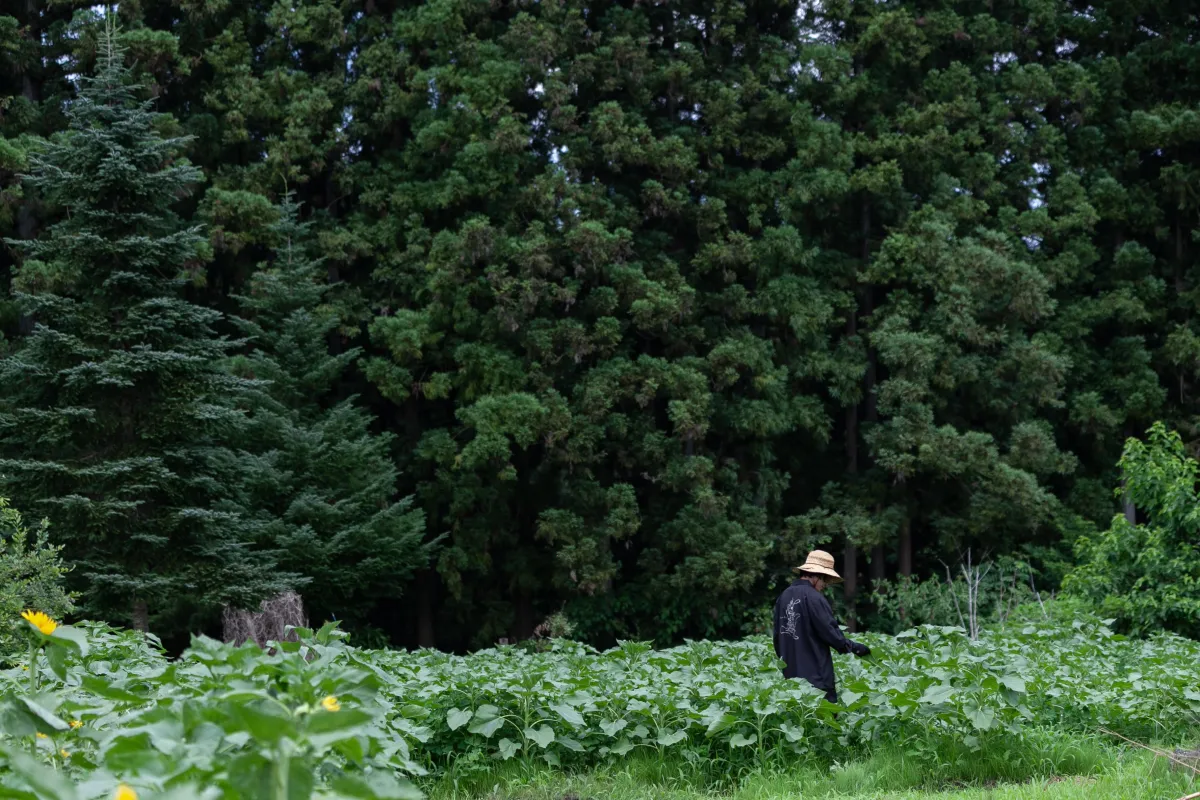
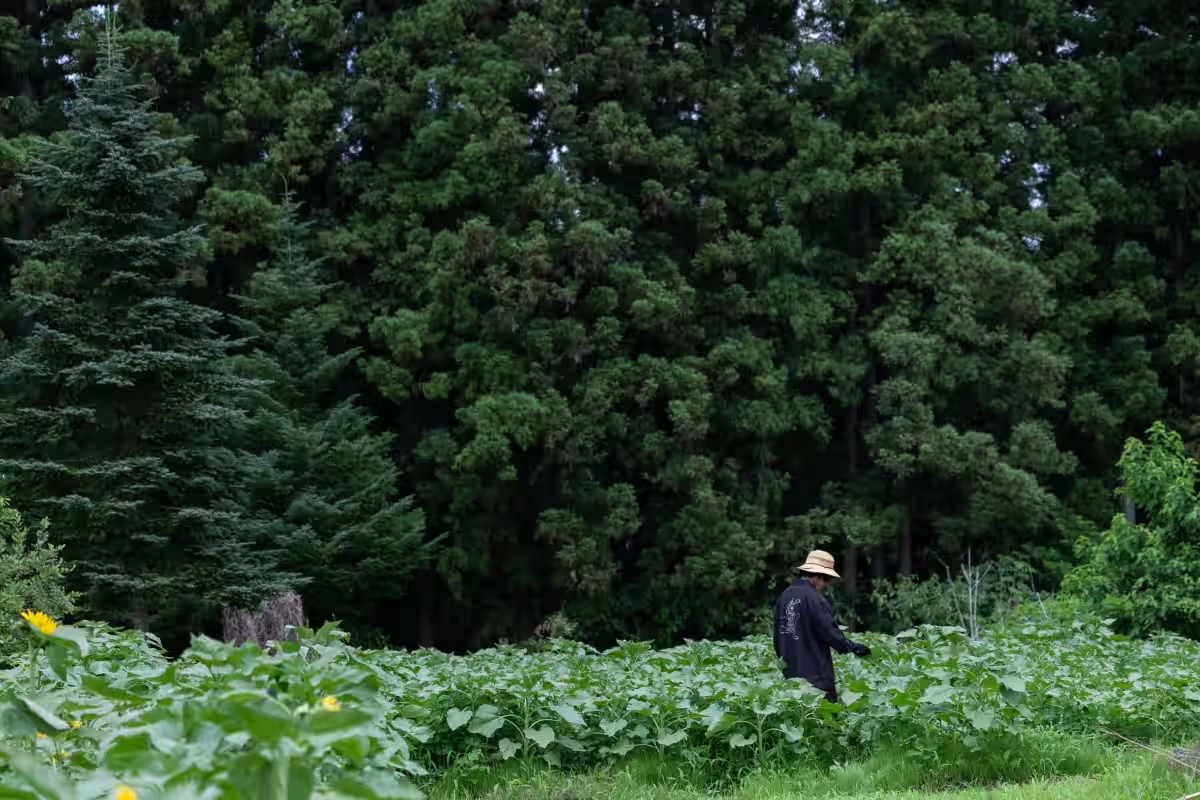
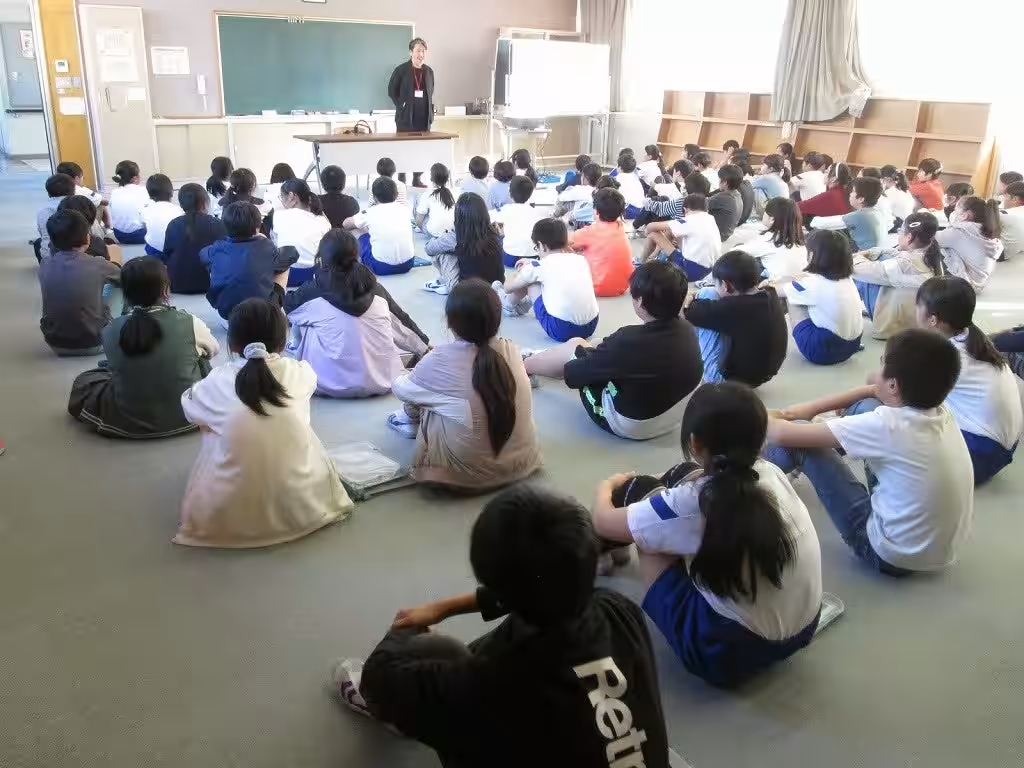
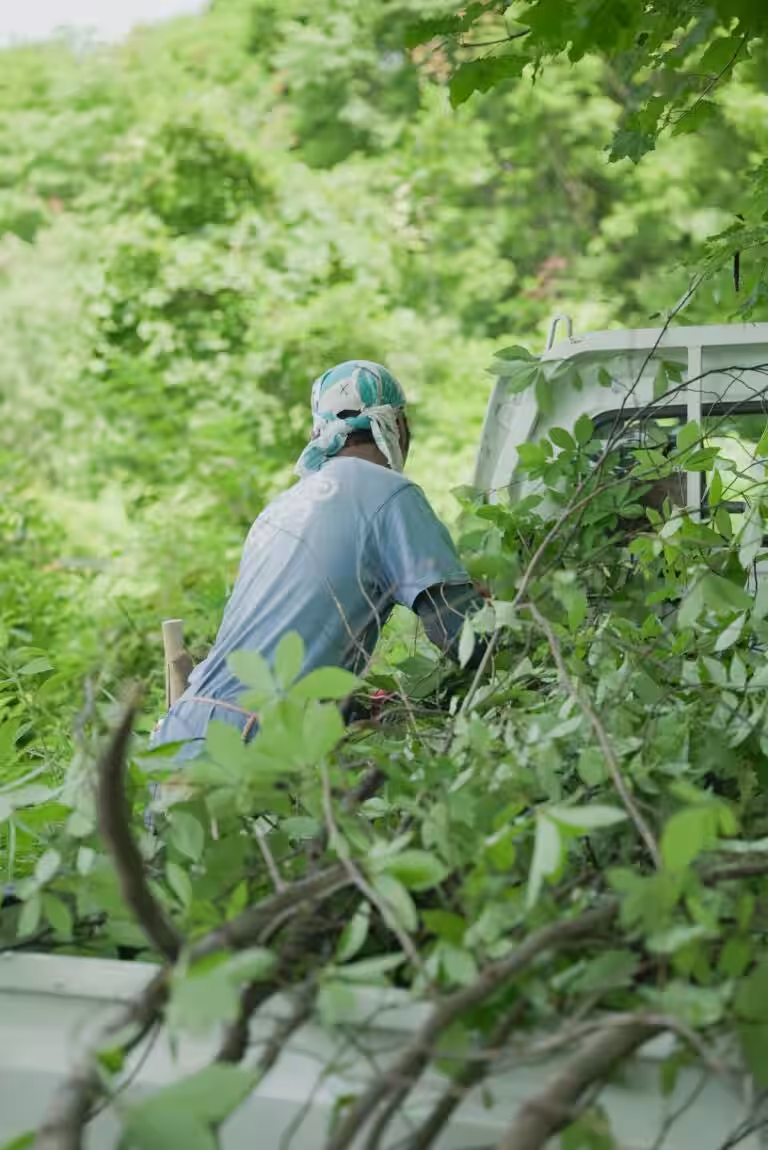
The sensitive skin brand OSAJI, which originated from a local manufacturing company in Gunma, is making significant strides towards sustainability. On August 7, 2026, OSAJI will conduct a sunflower field and extraction process tour in Minakami, Gunma, aimed at approximately 30 employees of its Tokyo office and store staff. This initiative will not only focus on exploring local ingredient self-sufficiency but also aims to tackle pressing social issues faced by the Minakami region, including population decline and resource management.
The Vision Behind the Sunflower Project
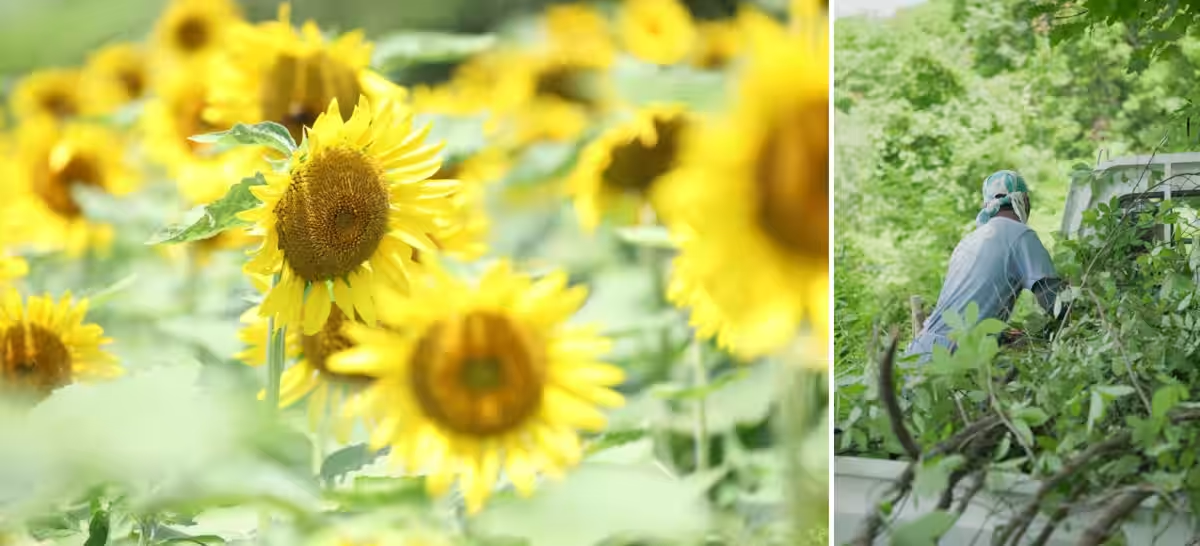
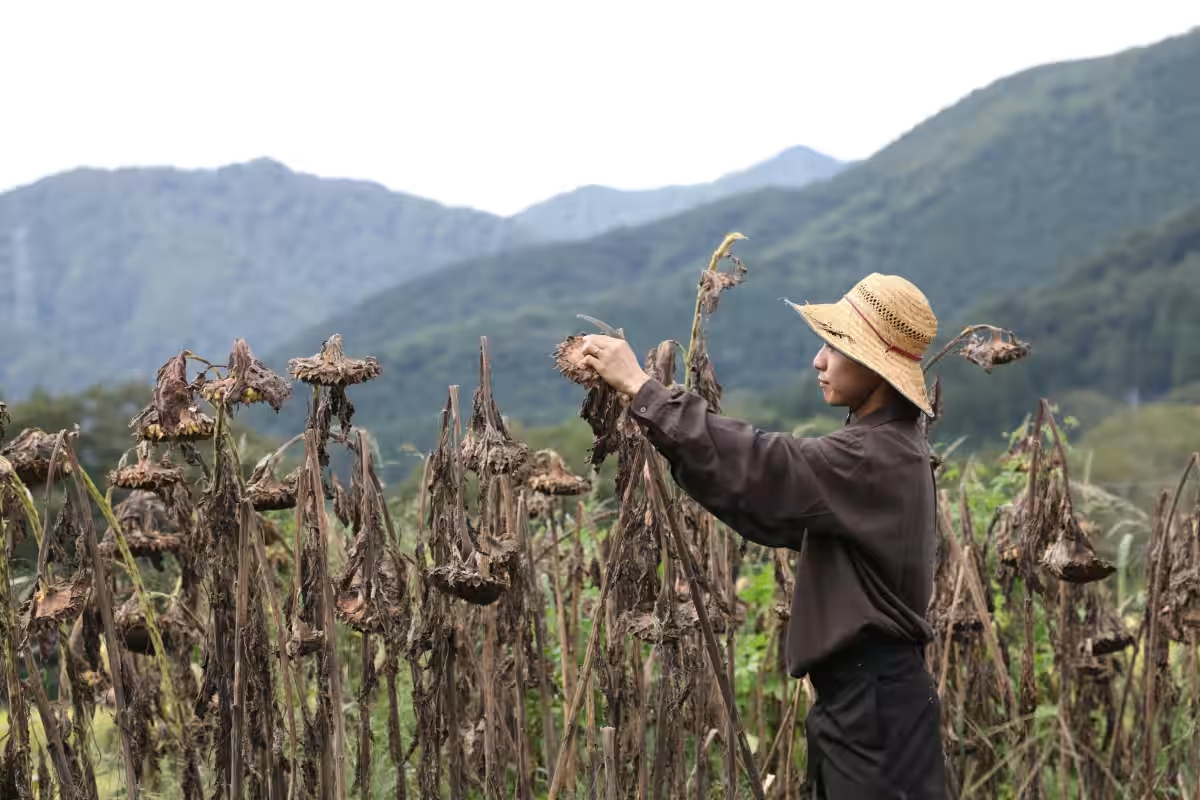
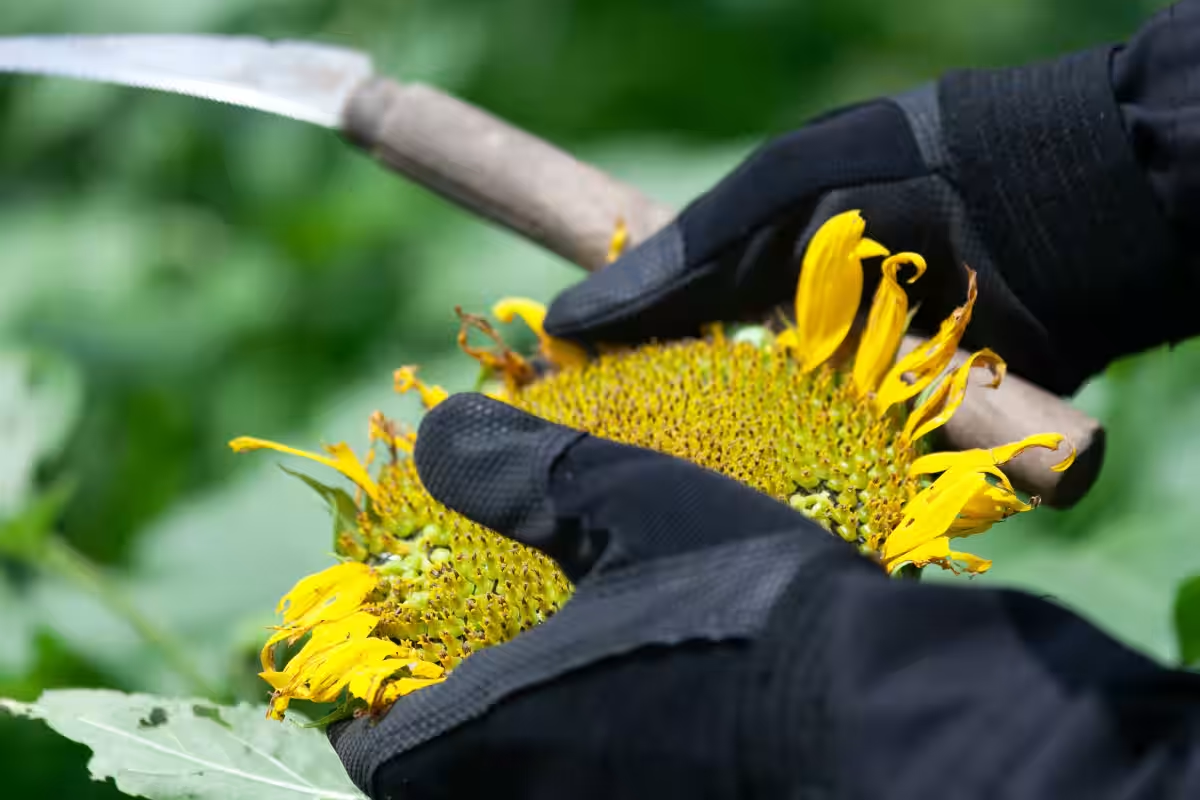
Since 2018, under the leadership of brand director Masakazu Shigeta, the sunflower cultivation project has aimed to utilize local resources to create cosmetic ingredients while addressing structural challenges in Japan’s cosmetic industry. OSAJI's commitment goes beyond mere ingredient procurement; they intend to embody circular economy principles and deepen employees’ understanding of sustainable production through hands-on experience. The project highlights what crops can grow within the community and return benefits back to it.
Achievements in Sustainable Farming
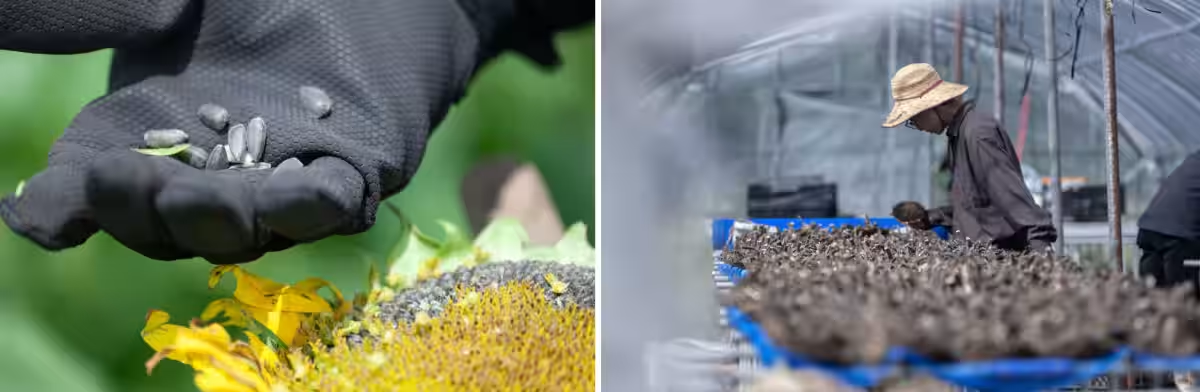
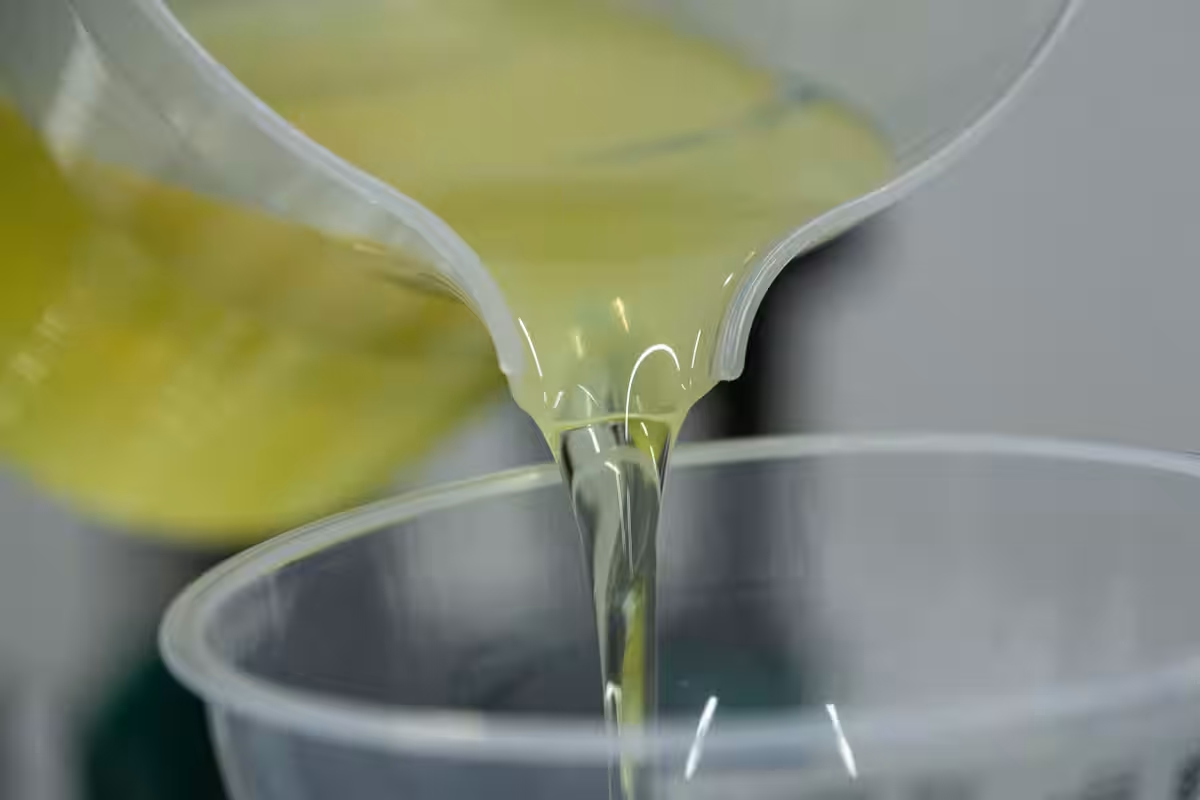
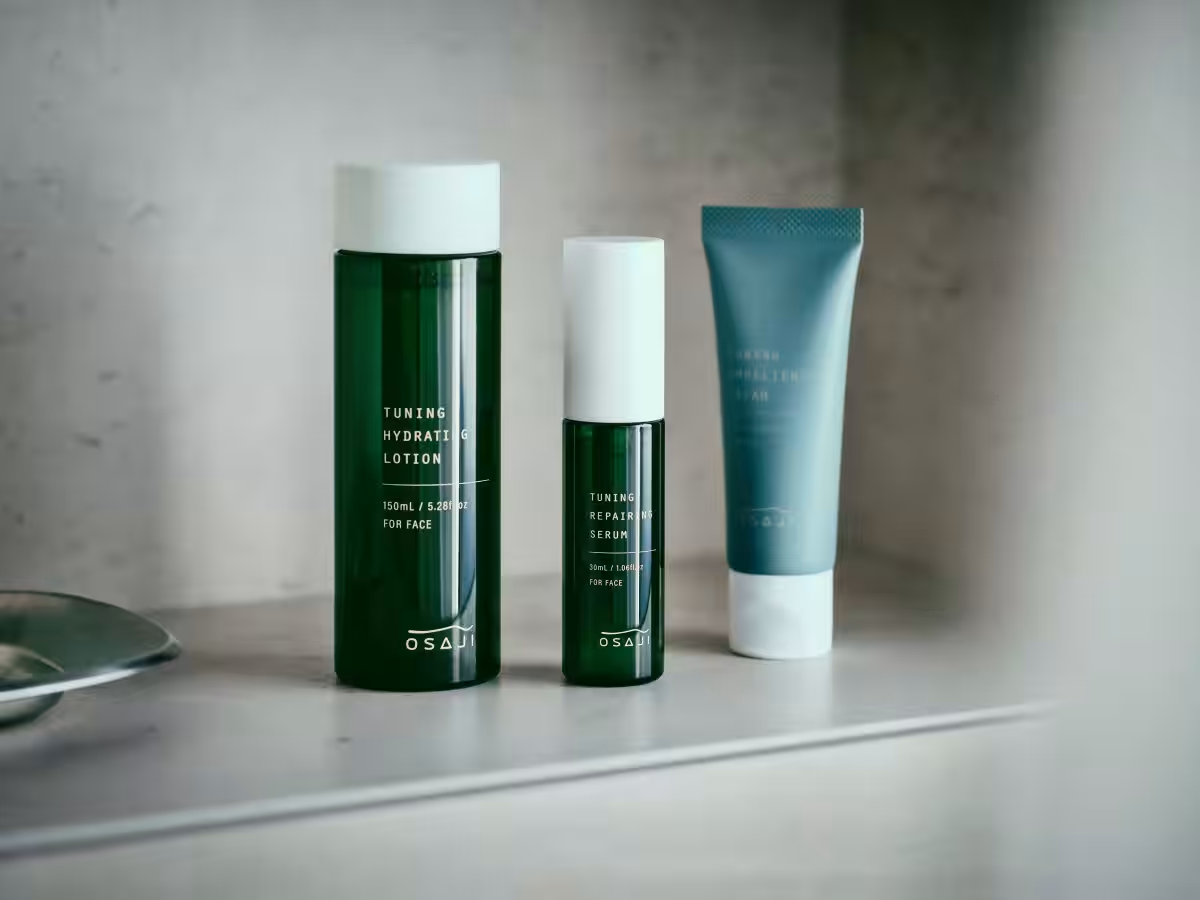
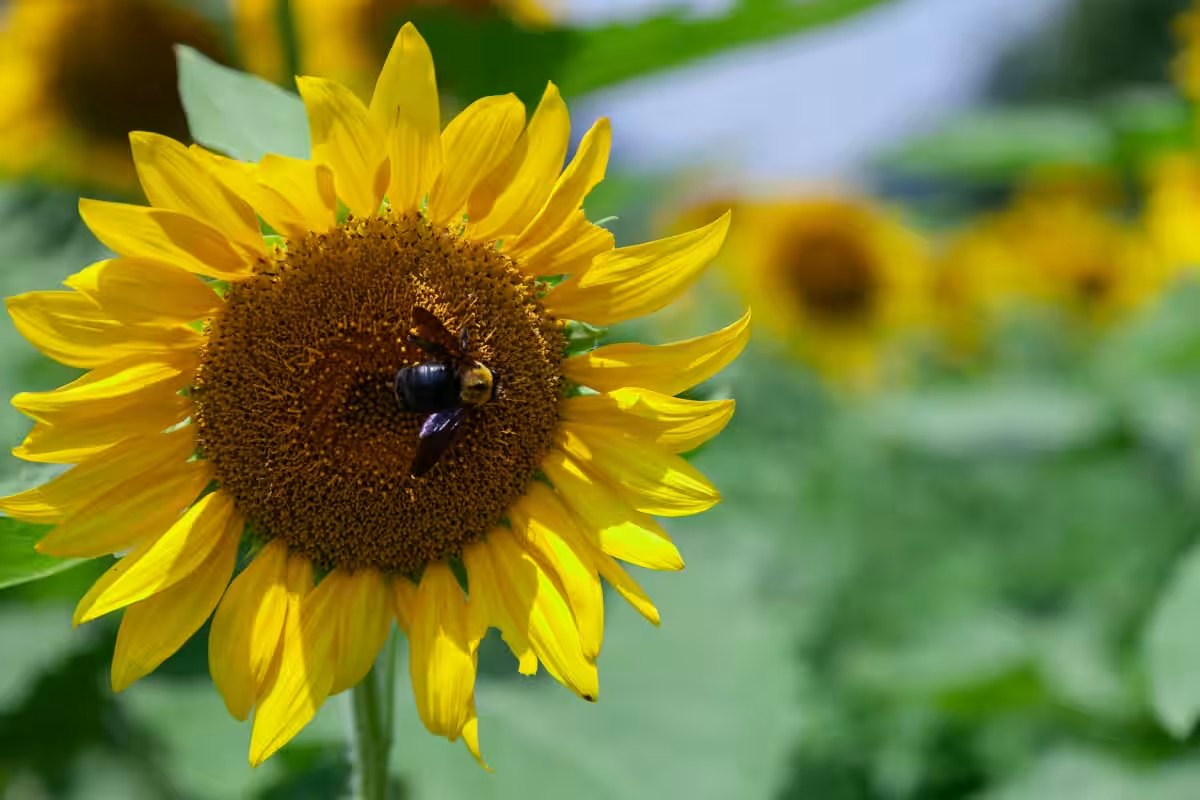
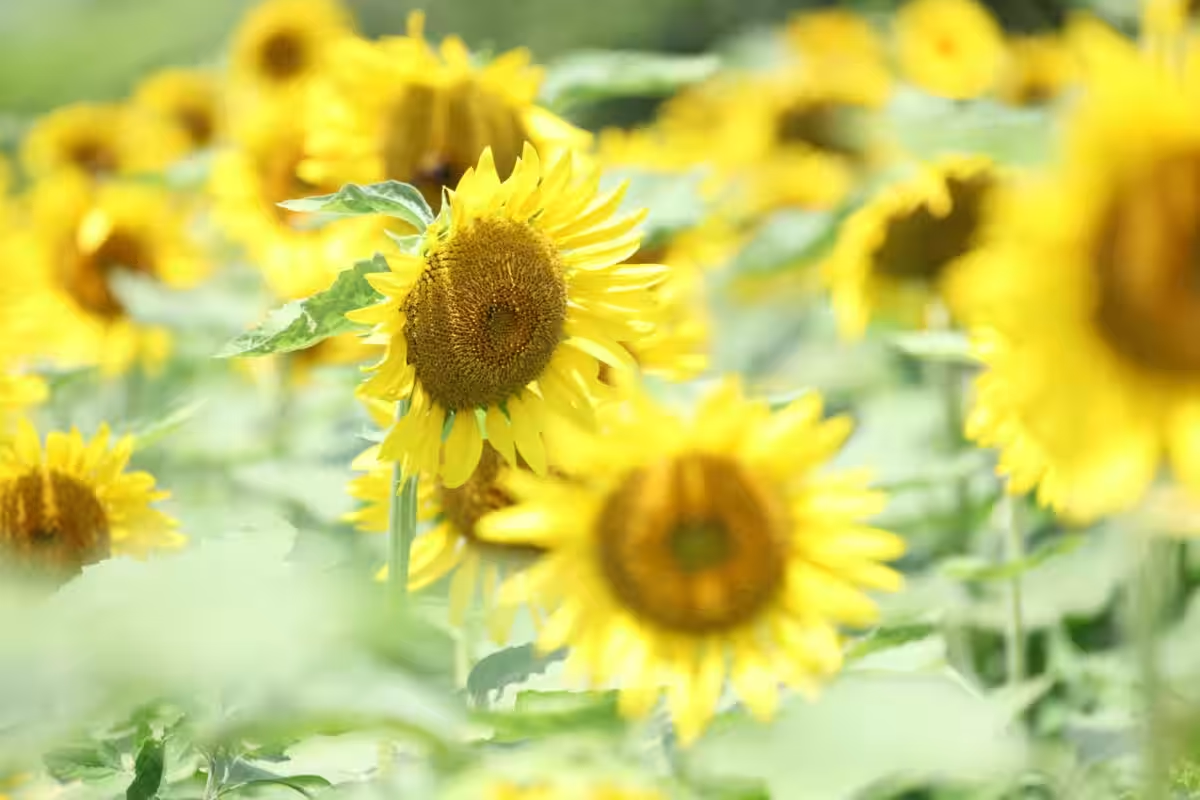
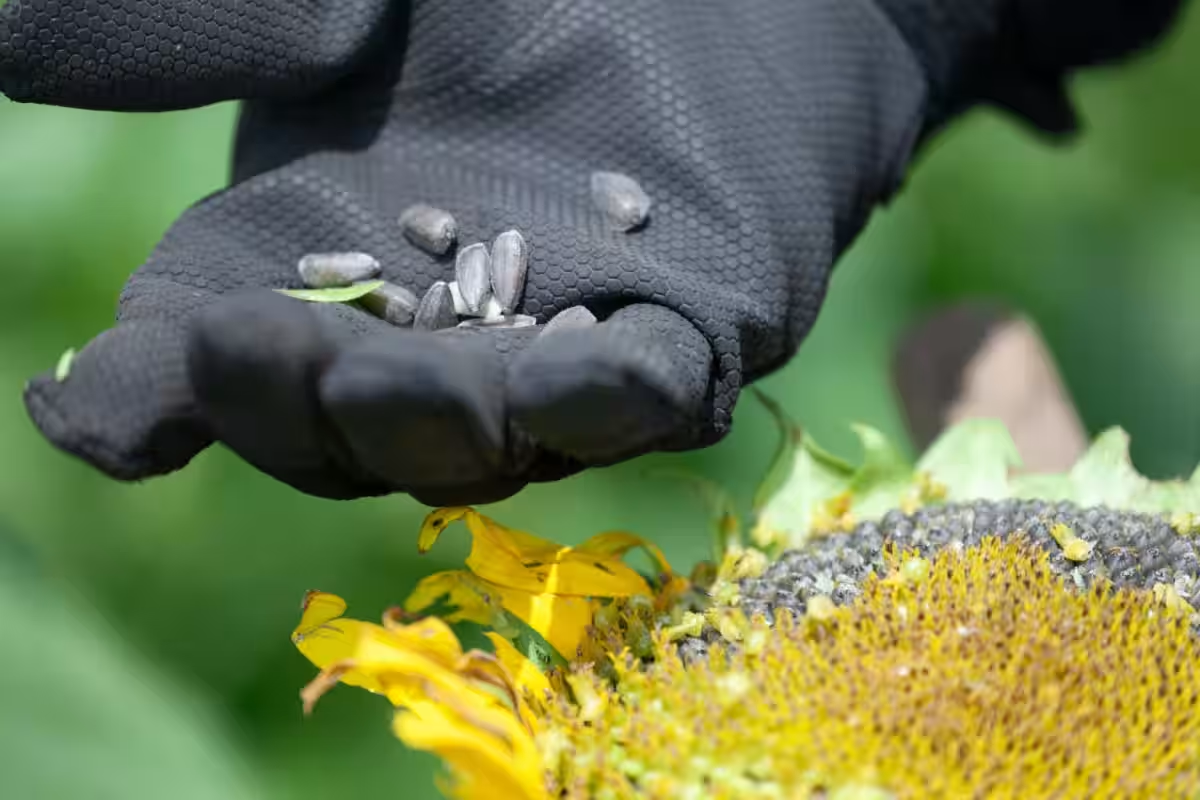
In the rich natural environment of Minakami, OSAJI has focused on sunflowers as a potential source for their products. After extensive trials, it secured enough sunflower oil for commercialization by early 2026. The sunflower oil will be the first product made from locally sourced ingredients, marking a critical leap towards sustainable manufacturing.
From Research to Reality
OSAJI recognizes that Japan's cosmetic industry heavily relies on imported ingredients, making it vulnerable amid rising global demand. The growth of K-beauty and other trends heightens competition for raw materials, prompting fears about the future of domestic production. OSAJI views this as a deeper issue connected to the very foundation of Japan's manufacturing capabilities. Through cultivating local ingredients like sunflowers, they aim to create a self-sustaining cycle that supports both the local economy and environmental health.
Community Engagement and Innovation
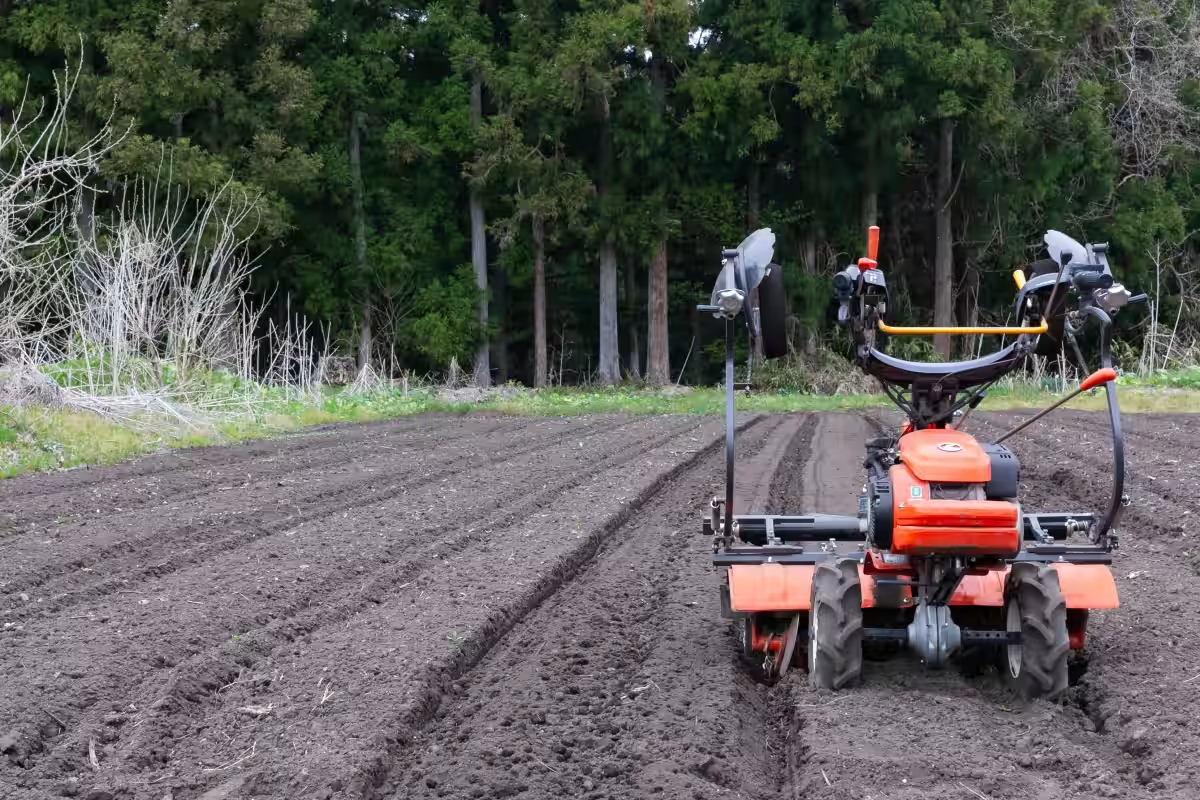
The sunflower project has expanded beyond cultivation and into fostering new relationships within the community. Local farmers, residents, and welfare organizations are now involved, creating a collaborative environment. This year, OSAJI plans to double the planting area to promote continuous product development and has improved cultivation methods to cater to local conditions and wildlife. Additionally, it is actively utilizing local agricultural resources, like organic manure, to enrich the soil and promote sustainable practices.
Future Directions and Social Impact
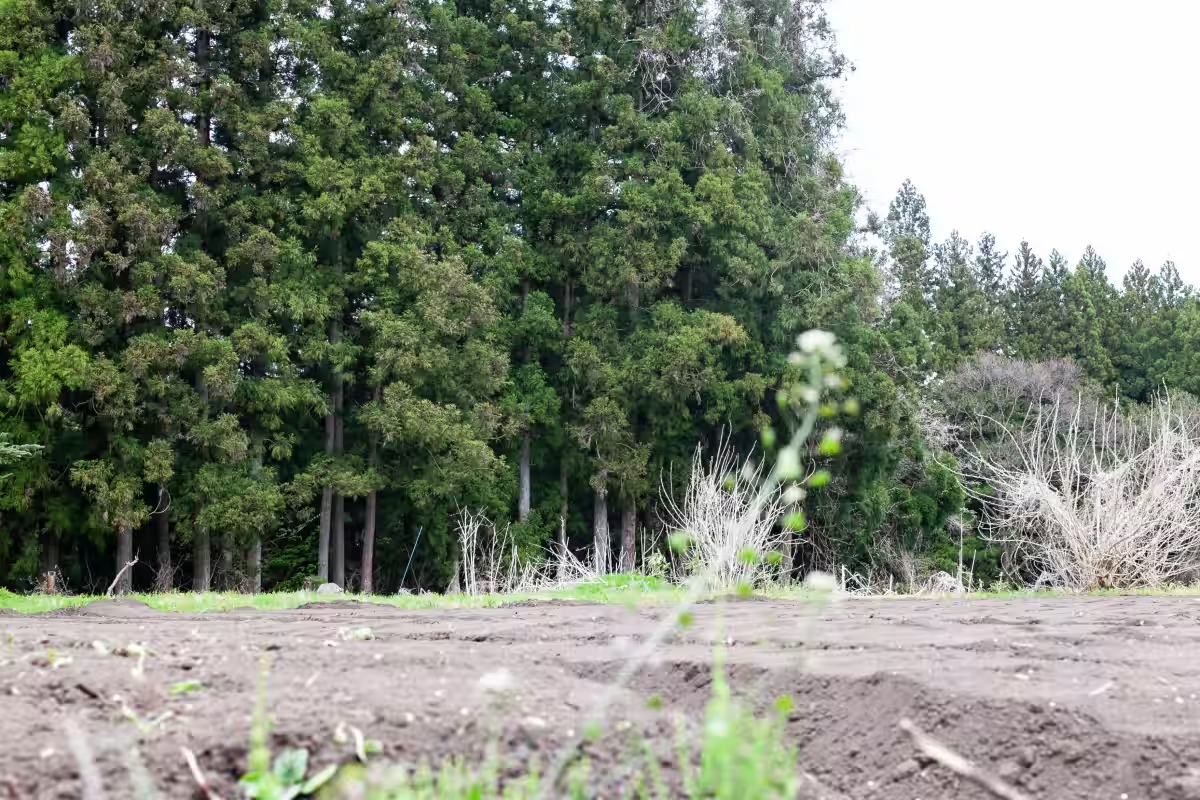
As the project evolves, it fosters broader community engagement and awareness of sustainable farming and production methods. Plans include enhanced collaboration with local social welfare organizations, launching initiatives that connect agriculture with wellbeing. This project's expansion not only aims at producing ingredients but also at revitalizing abandoned farmlands, thereby helping to tackle local challenges.
Voices from the Ground
Local farmer Hidetaka Hayashi stated, “This project has enriched my perspective on agriculture, connecting it to lifestyle, skincare, and emotional health. I believe we can create a value that resonates globally from local industries.”
Similarly, Masakazu Shigeta, director of OSAJI, emphasized that the need for domestic resources is becoming more pressing amid rising global ingredient demands. “Our project tackles not only our brand’s needs but addresses a wider societal obligation towards sustainability and community engagement.”
Conclusion
As OSAJI sets its sights on the future of cosmetic manufacturing in Japan, their innovative sunflower project is more than just product development. It stands as an inspiring model for circular economies and sustainability within the industry. By nurturing local resources, they are paving the way for a healthier environment and a more robust community. Stay tuned for developments and potential collaborations in this transformative journey.

Topics Consumer Products & Retail)








【About Using Articles】
You can freely use the title and article content by linking to the page where the article is posted.
※ Images cannot be used.
【About Links】
Links are free to use.