




Influenza Awareness and Preventative Measures in Japan: Community Insights and Trends for 2026
Influenza Awareness and Preventative Measures in Japan: A Comprehensive Overview
As influenza starts to make its presence felt earlier than usual this year, the number of cases across Japan is concerning. Recent findings from a survey conducted by Japan Information Co., Ltd. reveal key insights about infection rates and community awareness of preventative measures. Conducted from January 27 to 28, 2026, this study involved 1,106 participants aged between 20 and 60, offering a broad perspective on how different demographics perceive and handle the influenza threat.
Key Findings from the Survey:
1. Infection Rates Among Adults and Children
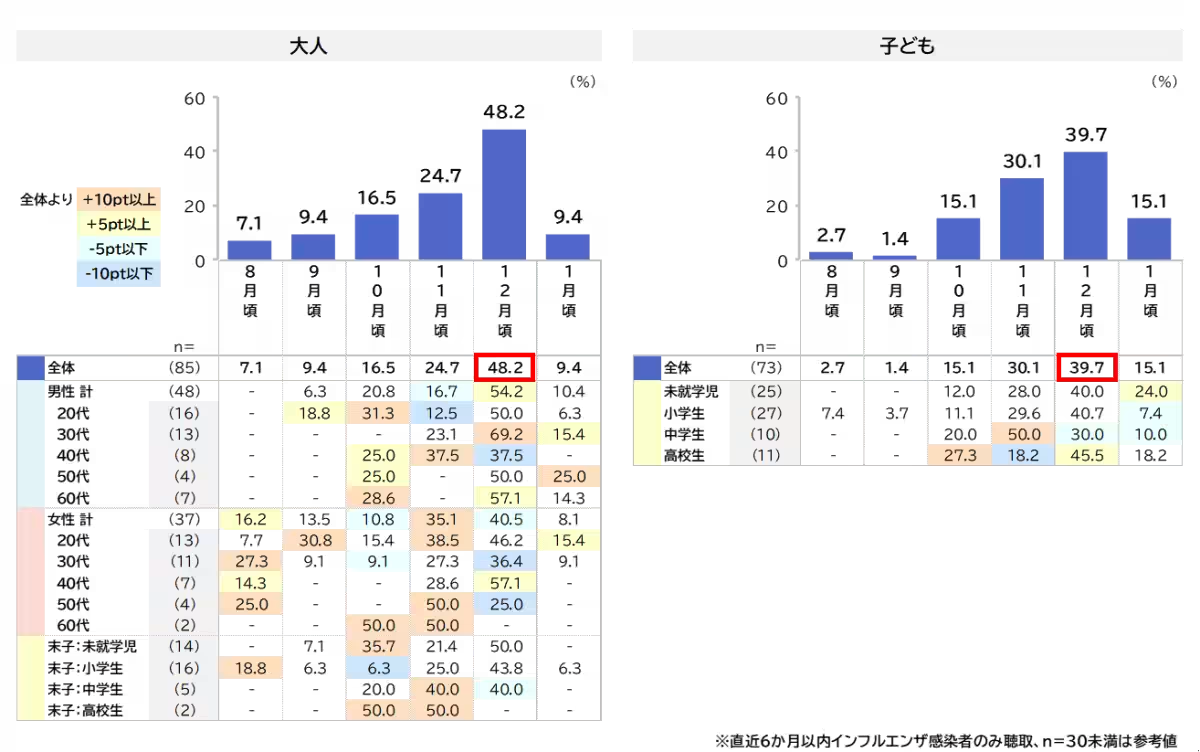
The data indicates that 7.7% of adults reported having contracted influenza, while a startling 29.4% of children have been infected, with elementary school children showing the highest rate at 40.9%. There is a discernible increase in infection rates from August, peaking in December when 48.2% of adults and 39.7% of children report infection.
2. Transmission Pathways
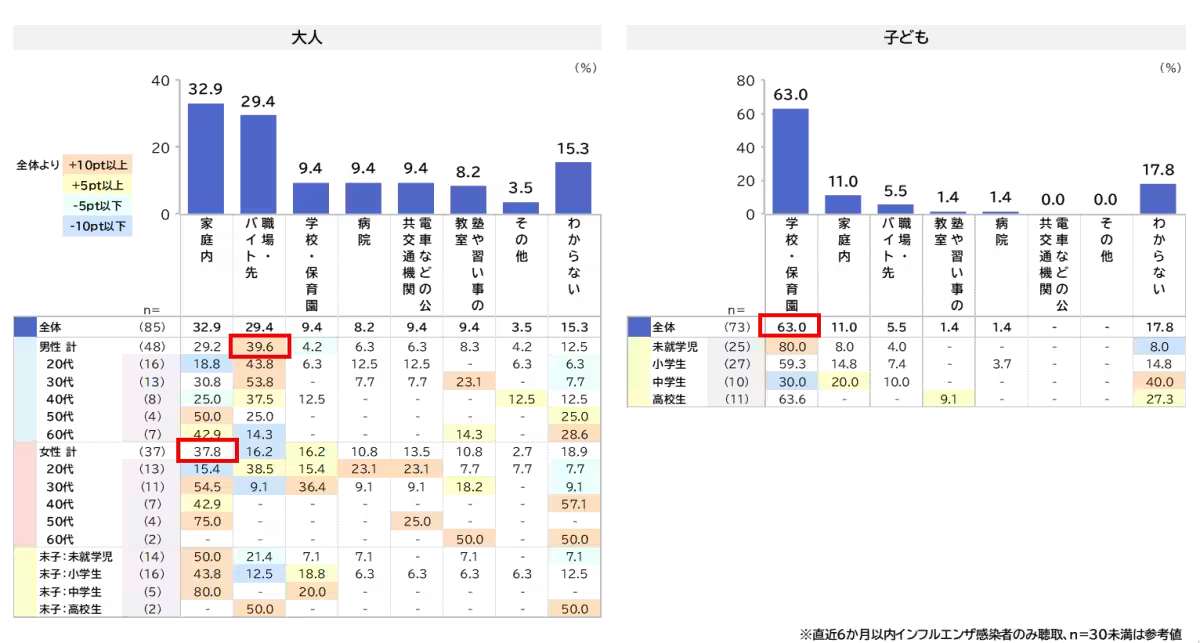
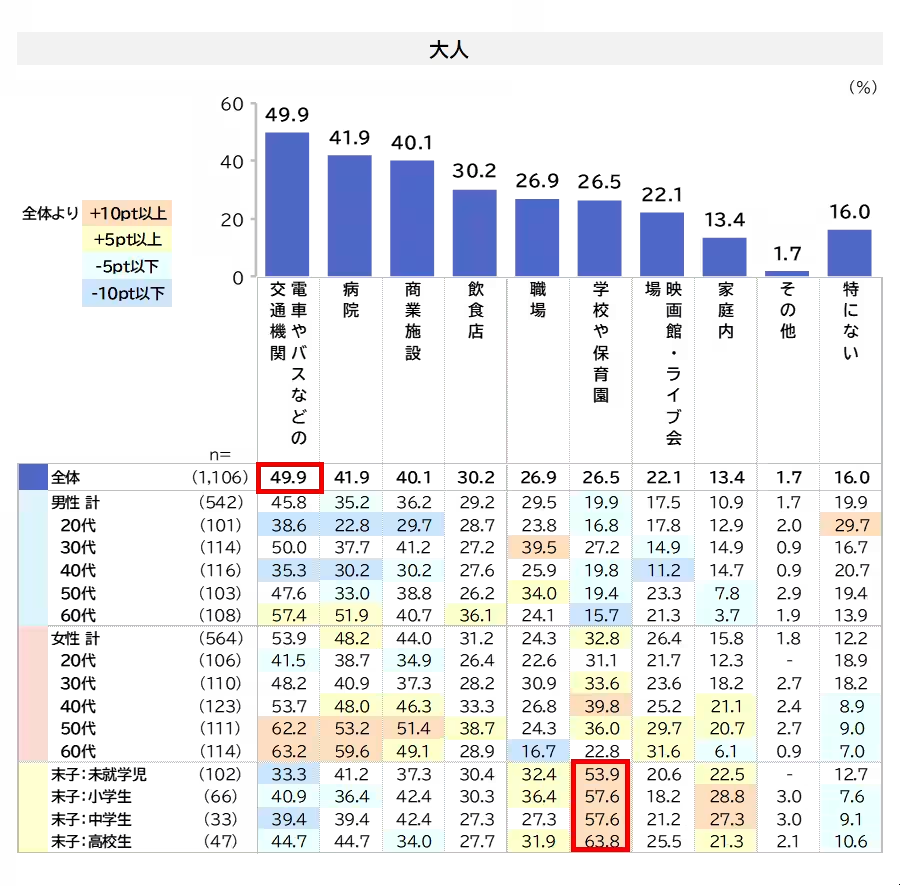
In terms of transmission, the household stands out as the highest risk area for adults at 32.9%, followed closely by workplaces at 29.4%. Interestingly, for children, schools and daycare centers account for the majority of infections at 63.0%. Despite the real transmission pathways, adults express heightened concern regarding the risk of infection in public transportation (49.9%) and hospitals (41.9%).
3. Awareness and Preventative Actions
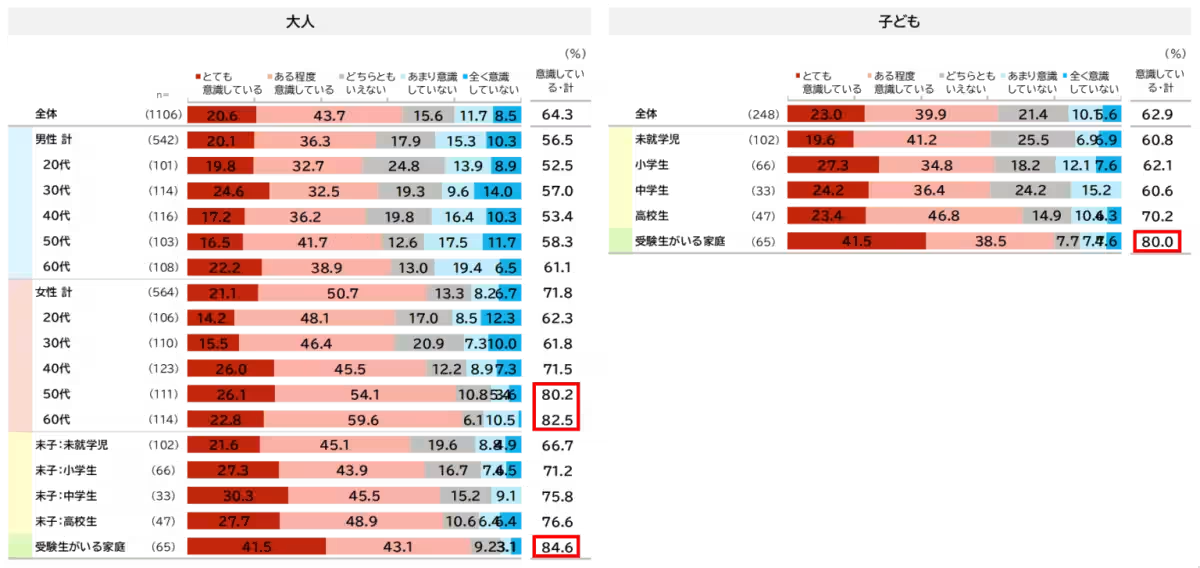
The data suggests that awareness is particularly high among women in their 50s to 60s and families with examination students. Parents have prioritized “handwashing and gargling” as their main strategy against influenza at 67.1%. Interestingly, women aged 50-60 years are significantly focusing on consuming immunity-boosting foods and drinks like R-1 and iMUSE, showing a desire for better preventative strategies.
4. Vaccination Status
When it comes to flu vaccinations, 30.1% of adults have either received or plan to receive the vaccine, while children's vaccination rates are markedly higher at 52.1%. Families with examination students particularly recognize and utilize Flumist vaccines, showing a vaccination experience rate of 33.8% within these households.
Detailed Survey Insights
In-depth results of the survey reveal:
- - Infection Timing: Both adults and children demonstrate peak infection rates in December, illustrating the seasonal impact of influenza.
- - Perceived Risks: Adults are aware of risks in crowded places like trains and buses, while parents recognize schools as significant risk zones for their children.
- - Preventative Measures: Despite the emphasis on basic measures, adults and children alike are opting more for mask-wearing and increased hygiene practices.
- - Future Awareness Initiatives: There's a strong inclination toward strengthening preventive measures, especially among families with students preparing for examinations.
The implications of these findings underline that children are experiencing higher infection rates, leading to family transmission. Preventative actions mainly focus on basic hygiene, with a notable call from older women and families with exam students for strategies to boost immunity. This suggests the need for proactive educational campaigns targeting households and schools to promote awareness and adherence to preventative measures effectively.
In summary, as influenza begins to exert its effects earlier this year, community awareness and an emphasis on preventative strategies are essential for protecting public health in Japan.



Topics Health)


【About Using Articles】
You can freely use the title and article content by linking to the page where the article is posted.
※ Images cannot be used.
【About Links】
Links are free to use.