



Major Concerns of Retirement Bonuses: Majority Reports Anxiety and Uncertainty
Understanding Retirement Bonuses: Insights and Trends
In a recent survey conducted by 400F, a leading household diagnosis and consultation service, it was revealed that a significant portion of individuals receiving retirement bonuses harbors feelings of anxiety and uncertainty regarding their future financial decisions. The survey, which targeted 242 users of the service who have either received or are expecting a retirement bonus, aimed to understand these concerns better.
Key Findings on Anxiety Related to Retirement Bonuses
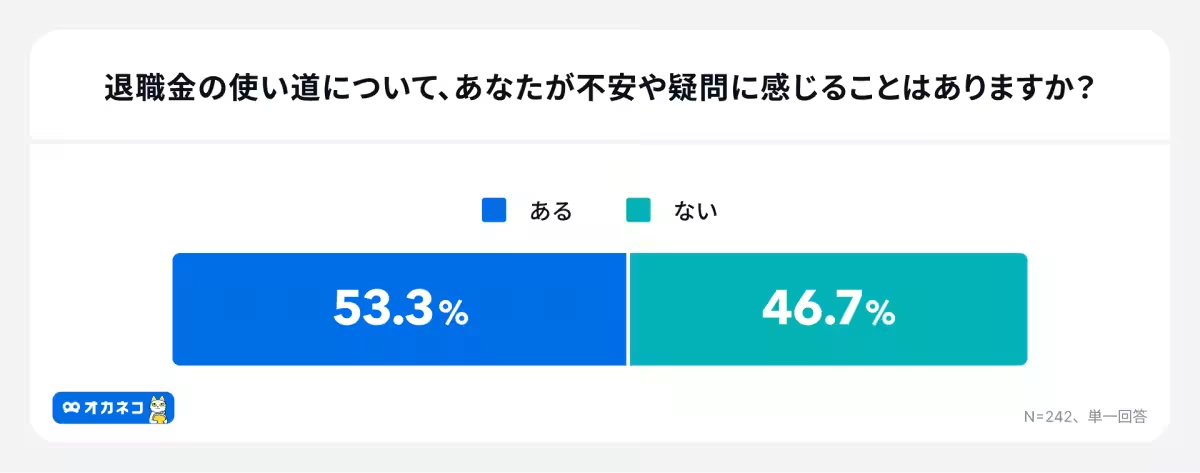
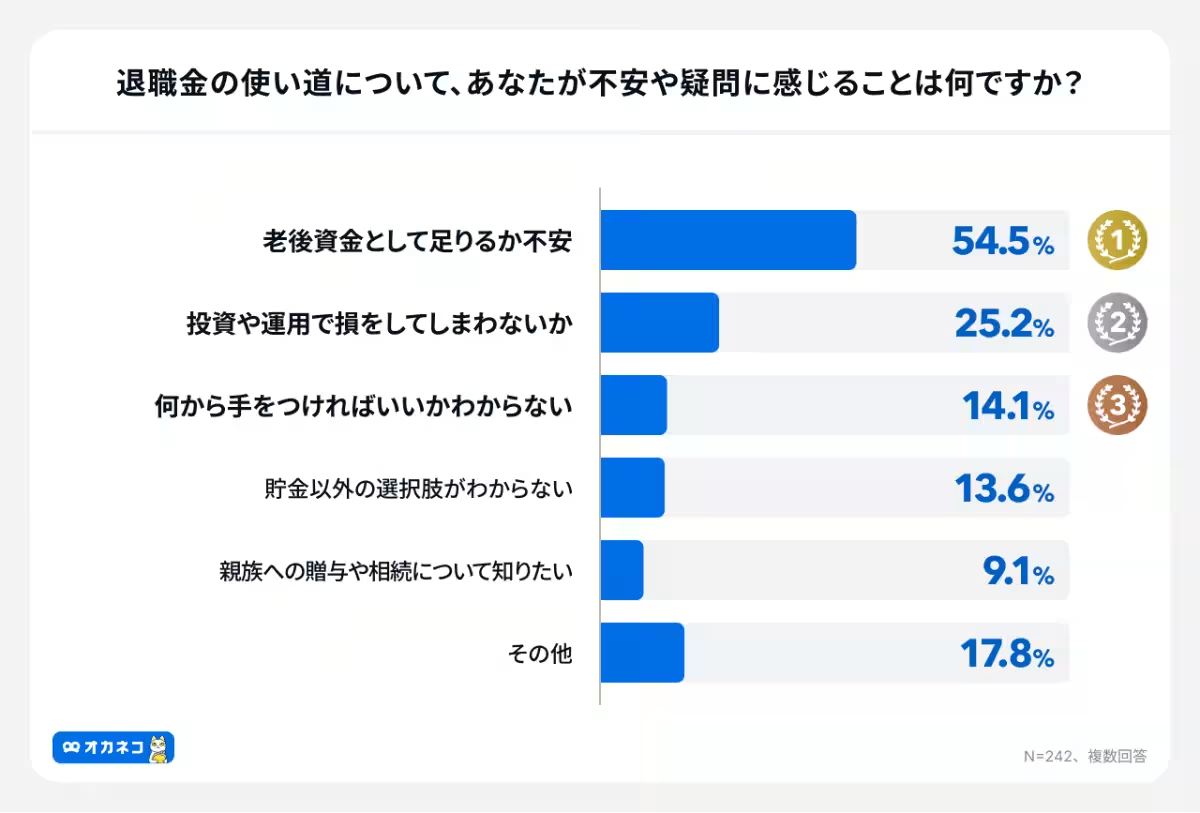
The results showed that 53.3% of respondents expressed worries about their retirement bonuses. The top concerns included:
1. Sufficient funds for retirement: 54.5% of respondents stated they were concerned whether their retirement bonuses would be enough to sustain them.
2. Risk of investment loss: 25.2% voiced fears about potential losses in investments or management options.
3. Lack of clarity on how to proceed: 14.1% admitted they were unsure of where to start with their retirement funds.
These findings indicate that many individuals are not only uncertain but also grappling with how to manage their retirement bonuses effectively. It highlights a broader concern about whether retirement savings alone can support them in their elderly years.
Common Mistakes with Retirement Bonuses
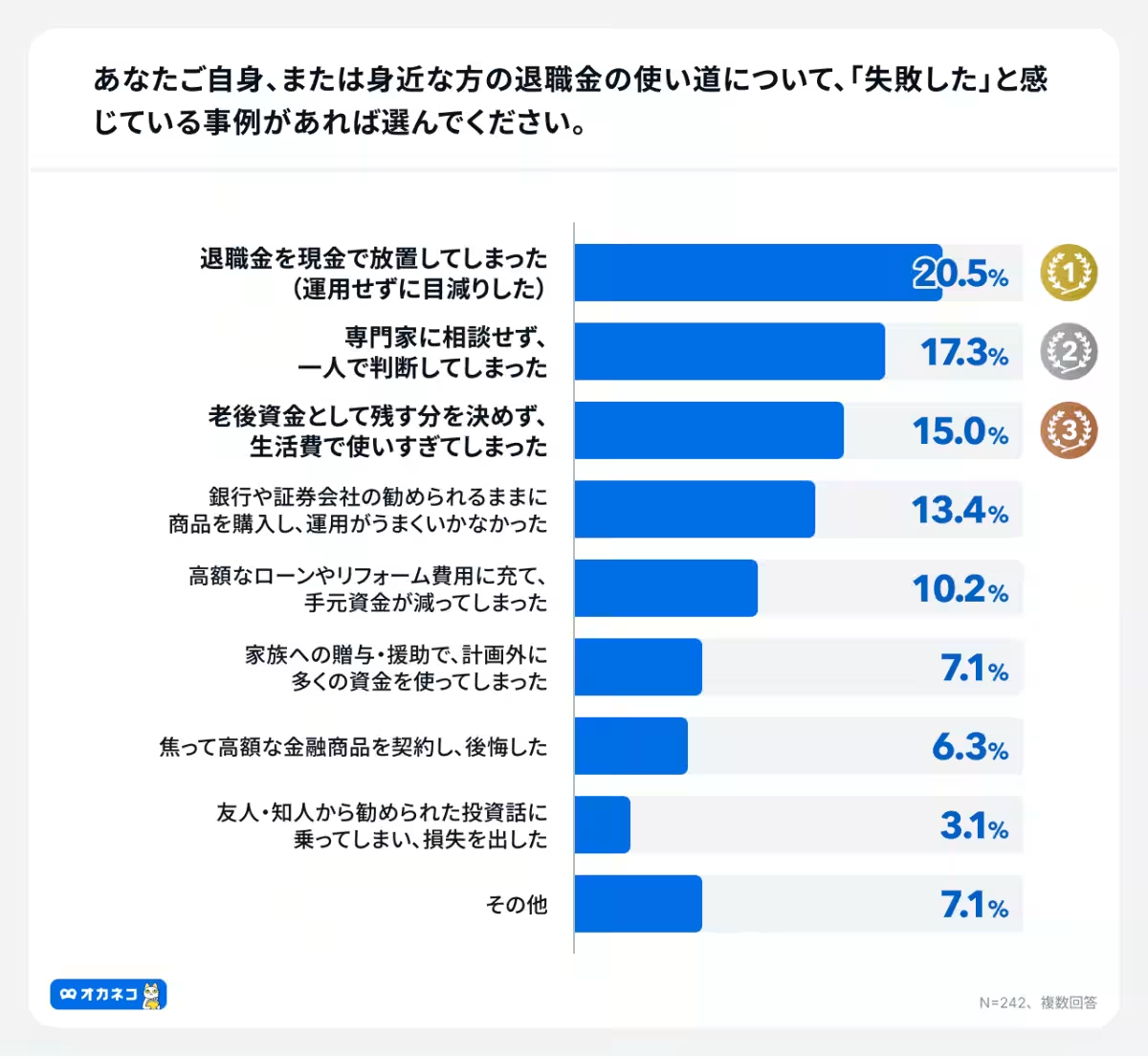
When asked about any mistakes made regarding their retirement bonuses, 36.4% acknowledged they had experienced some form of failure in managing their funds. The most common regrets included:
- - Leaving cash uninvested: 20.5% regretted simply holding onto their retirement bonuses as cash, which diminished in value over time.
- - Independent decision-making without expert advice: 17.3% recognized the pitfalls of not seeking counsel from professionals.
- - Overspending retirement savings: 15.0% admitted to using their retirement bonuses too liberally without designating the necessary portion for future living expenses.
These statistics suggest that a lack of knowledge and an inclination to avoid professional guidance lead many to underutilize their bonuses.
Successful Management of Retirement Funds
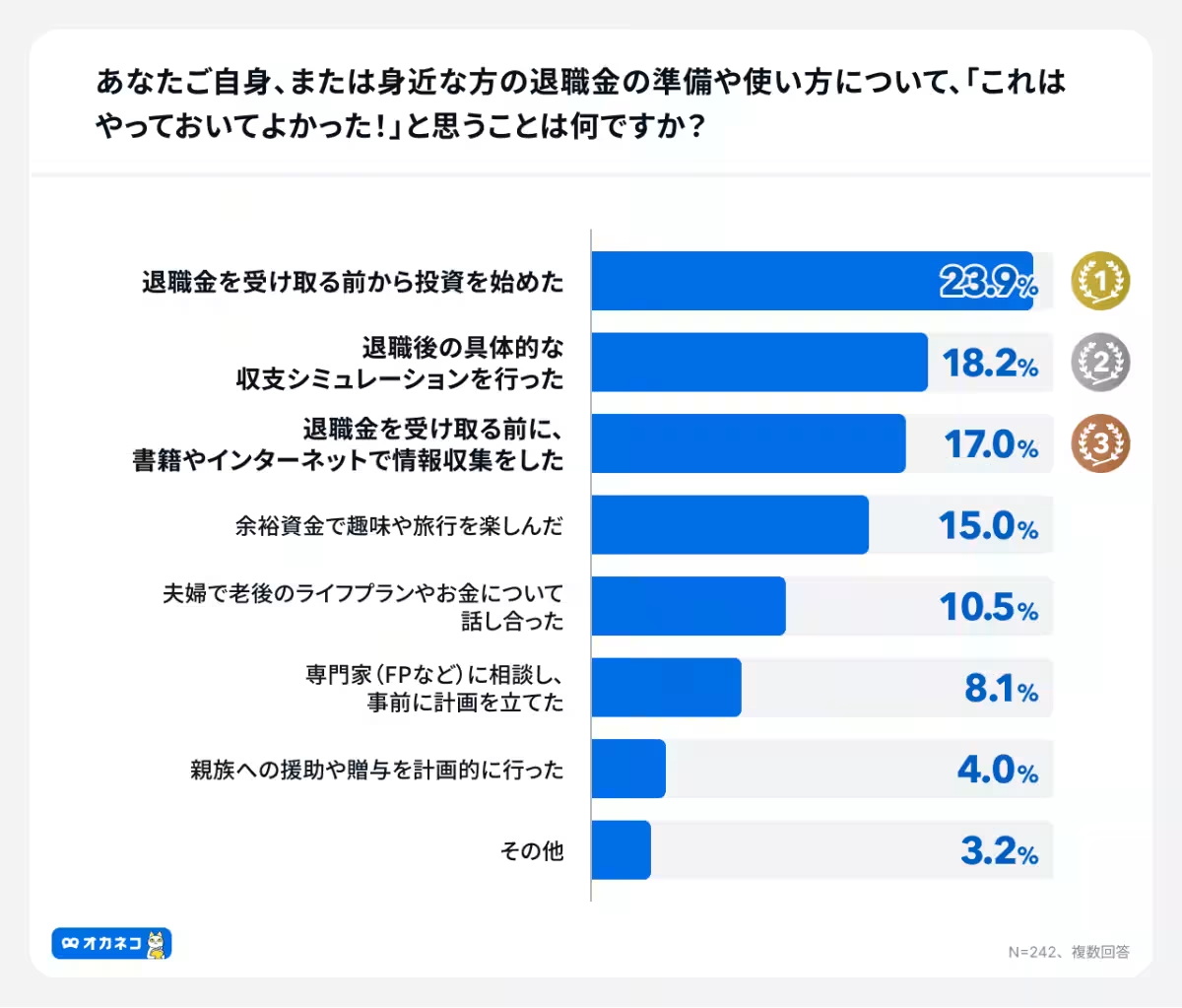
Conversely, 57.8% of participants reported positive experiences with their retirement bonuses. Successful strategies included:
- - Starting investments prior to retirement: A significant 23.9% initiated their investment strategies before receiving their bonuses, which proved to be beneficial.
- - Performing detailed cash flow simulations: 18.2% conducted income simulations post-retirement, allowing them to strategize their financial future swiftly.
- - Engaging in information gathering beforehand: 17.0% utilized resources such as books or online information to help them prepare before retirement.
The survey indicates that proactive measures, like early investments and gathering information, are crucial for optimizing the use of retirement bonuses.
Demand for Information and Professional Guidance
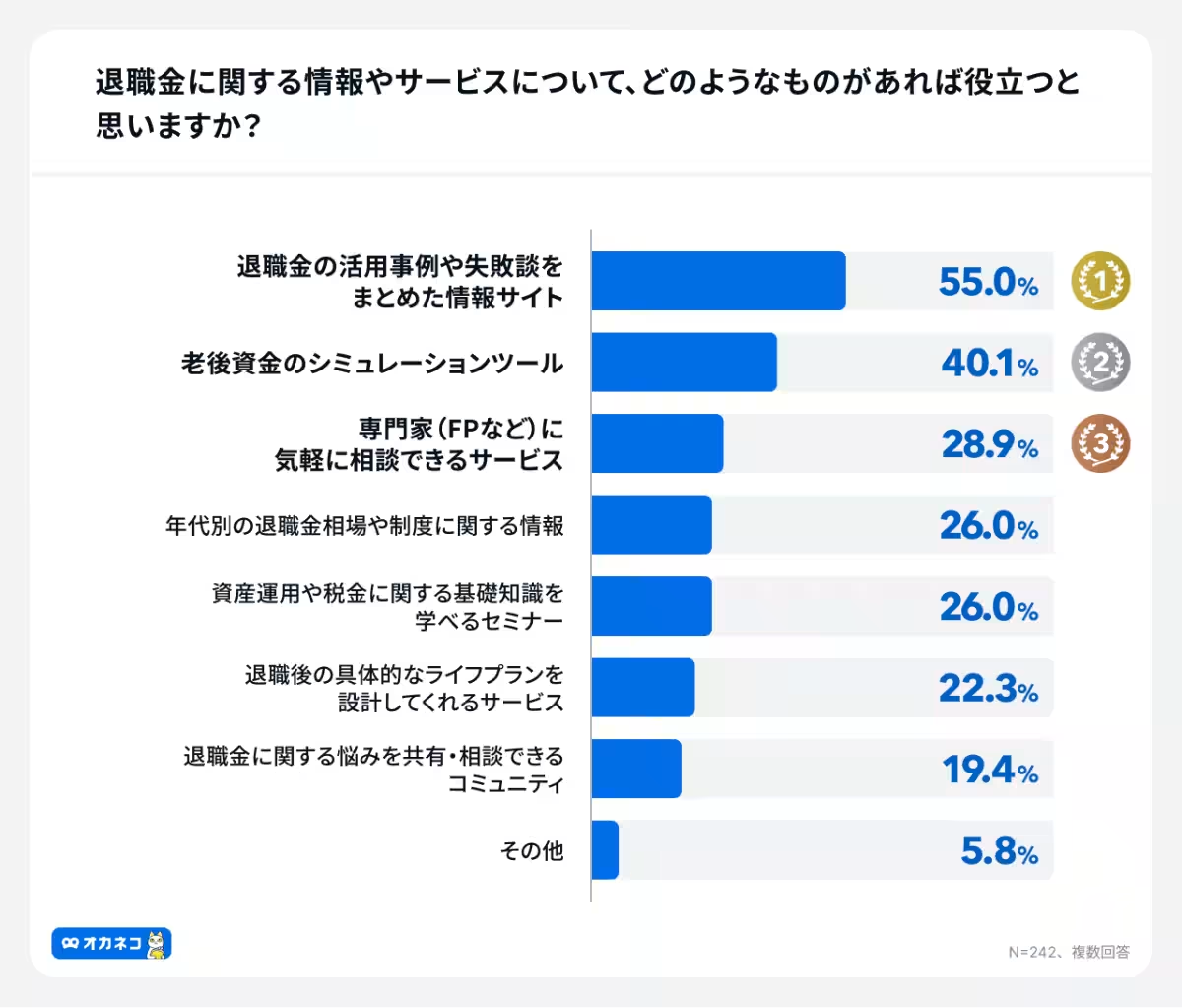
Regarding what types of resources would help manage retirement bonuses, nearly every option presented garnered significant interest, with notably:
- - Retirement fund simulation tools: 55.0% of respondents wanted easy-to-use simulation tools to better understand their retirement needs.
- - Information sites sharing success and failure stories: 40.1% expressed interest in platforms that summarize experiences related to retirement asset utilization.
- - Accessible advice from financial professionals: 28.9% showed a desire for informal consultations with financial experts.
This indicates a strong need for both shared experiences and professional insights to aid individuals in navigating their financial journeys.
Overall, the survey shows widespread apprehension concerning retirement bonuses, mainly centered around the sufficiency of these funds for future needs. The high levels of anxiety about achieving stable retirement conditions underline the importance of seeking expert advice and information gathering. As demonstrated, the proactive engagement can significantly mitigate risks associated with managing retirement bonuses.
In response to these findings, 400F continues to strive to clarify the complexities surrounding retirement bonuses and personal finance through its media, Okane Ko Magazine, providing accessible and comprehensible guidance for individuals and families seeking to alleviate their financial uncertainties.
Conclusion
The management of retirement bonuses will remain a critical area of concern as more individuals approach retirement. Engaging with professionals and leveraging available resources will be paramount to achieving financial security. As indicated by the results, a collective approach encompassing informed decision-making and early action can pave the way for a secure financial future. By acknowledging the past mistakes and learning from both successes and failures, individuals can develop well-informed strategies that align with their financial goals.
- ---
About the Author:
Daisuke Matsui, a proficient financial planner with extensive experience in conducting over 300 financial seminars and consultations, provides strategic advice tailored to diverse financial situations. Utilizing a methodical approach, he focuses on comprehensive life planning to facilitate optimal financial solutions for better outcomes in housing, education, and retirement funding.


Topics Financial Services & Investing)
【About Using Articles】
You can freely use the title and article content by linking to the page where the article is posted.
※ Images cannot be used.
【About Links】
Links are free to use.