




Survey Shows Nearly 70% of Restaurants Prepared for Disasters but Face Ongoing Challenges
Survey on Disaster Preparedness Among Restaurants
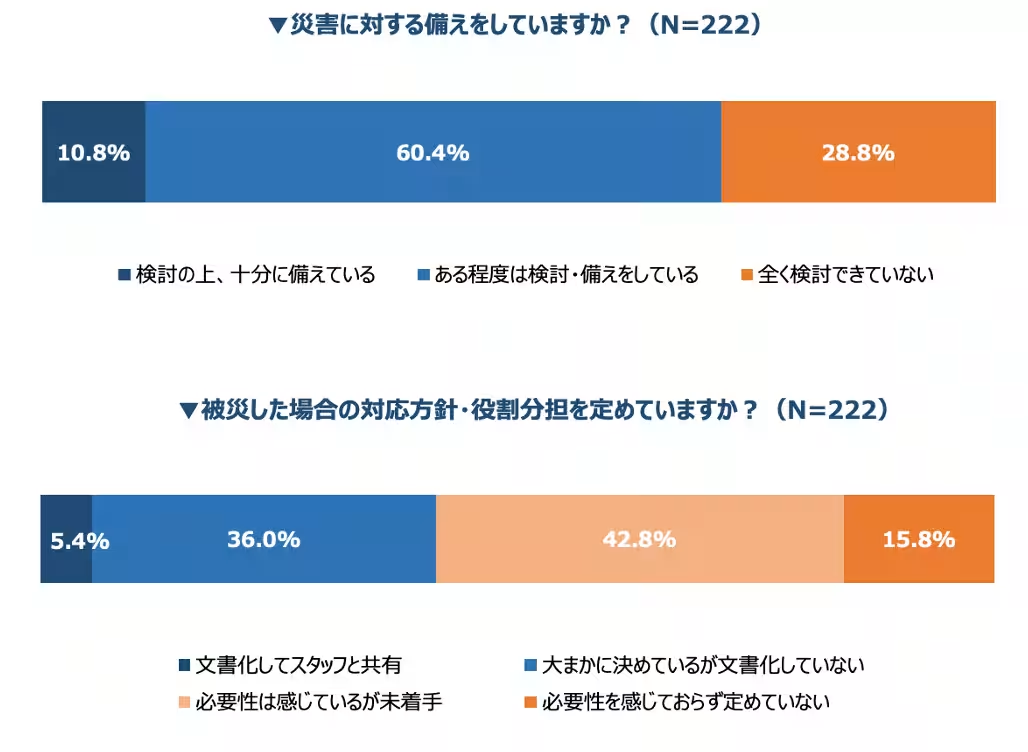
A recent survey conducted by Synchro Food, the operator of Restaurant.com, reveals that a substantial 71.2% of restaurant owners claim to have some level of disaster preparedness in place. However, this statistic belies more troubling insights into the challenges these establishments face when forced to deal with emergencies.
Survey Overview
The survey targeted members of Restaurant.com, specifically restaurant operators and owners, and was conducted online from August 20 to August 23, 2026, receiving responses from 222 participants. Of those surveyed, 69.4% reported operating a single location, with 46.4% based in Tokyo, indicating regional implications on preparedness efforts.
Main Findings
While a majority of respondents express a commitment to disaster preparedness, the collaboration of effective procedures remains alarmingly low. Notably, only 5.4% of those surveyed documented their disaster response policies, illustrating a significant gap in operational readiness.
Key insights from the survey include:
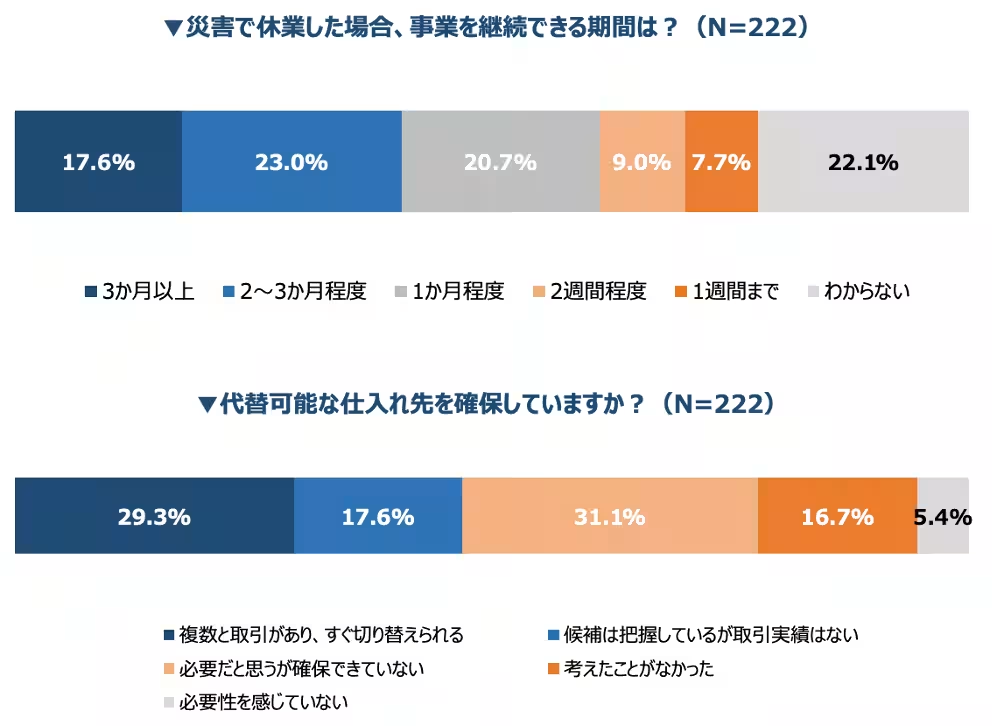
- - Business Continuity Concerns: 37.4% of operators believe they could maintain business continuity for less than a month during a disaster, and 22.1% are uncertain of their financial sustainability post-disaster, highlighting a pervasive concern among restaurant owners.
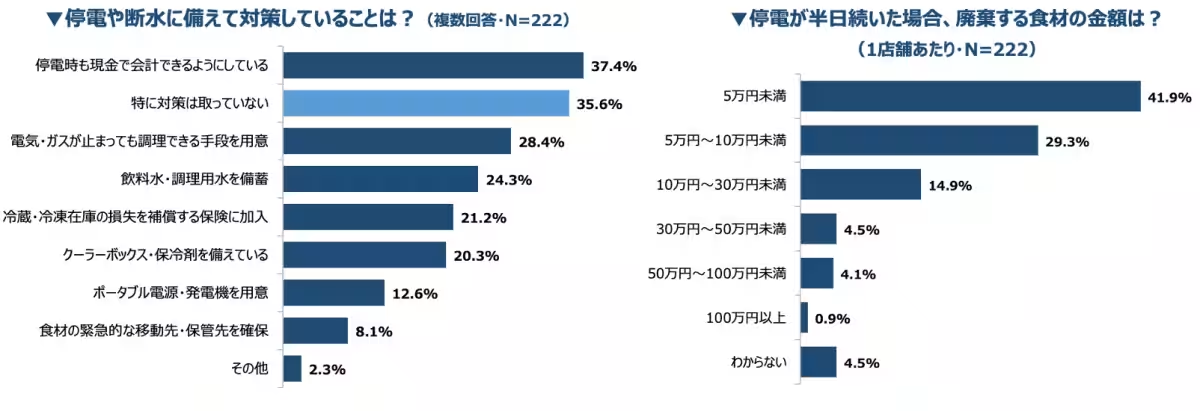
- - Supplier Challenges: Only 29.3% of participants indicated they could swiftly switch suppliers in a crisis, while 35.6% reported having no countermeasures for power outages or water shortages.
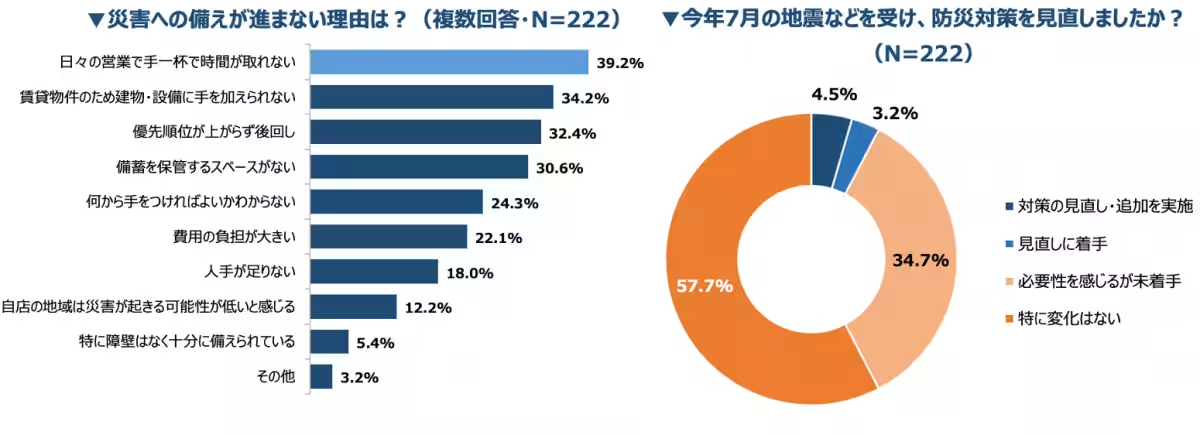
- - Operational Constraints: The primary reason for inadequate preparedness was attributed to daily operational time constraints, cited by 39.2% of respondents. This issue was exacerbated by the July earthquake, with only 7.7% of businesses making subsequent preparedness adjustments.
In summary, despite a commendable commitment to preparedness, the lack of structured policies and the inability to maintain operations post-disaster are glaring issues that require immediate attention.
Preparedness Levels
Of those stating they were prepared, a combined 60.4% noted that their measures might be lacking but still adequate, while 10.8% felt sufficiently ready. Conversely, 28.8% admitted to having made no preparations.
When it comes to role assignments and response plans, only 5.4% had documented their policies, whereas 36.0% had vague plans that were not formalized in writing. Alarmingly, 58.6% noted they recognized the need for policies but had not yet implemented them.
Financial Resilience Post-Disaster
An essential finding of the survey indicated that a worrying 59.5% of participants did not foresee financial endurance exceeding one month following operational disruptions due to disasters. The responses prompted concerns about the future viability of many restaurant businesses, given that 37.4% felt they could only survive for less than one month without sufficient cash flow.
Additional Insights
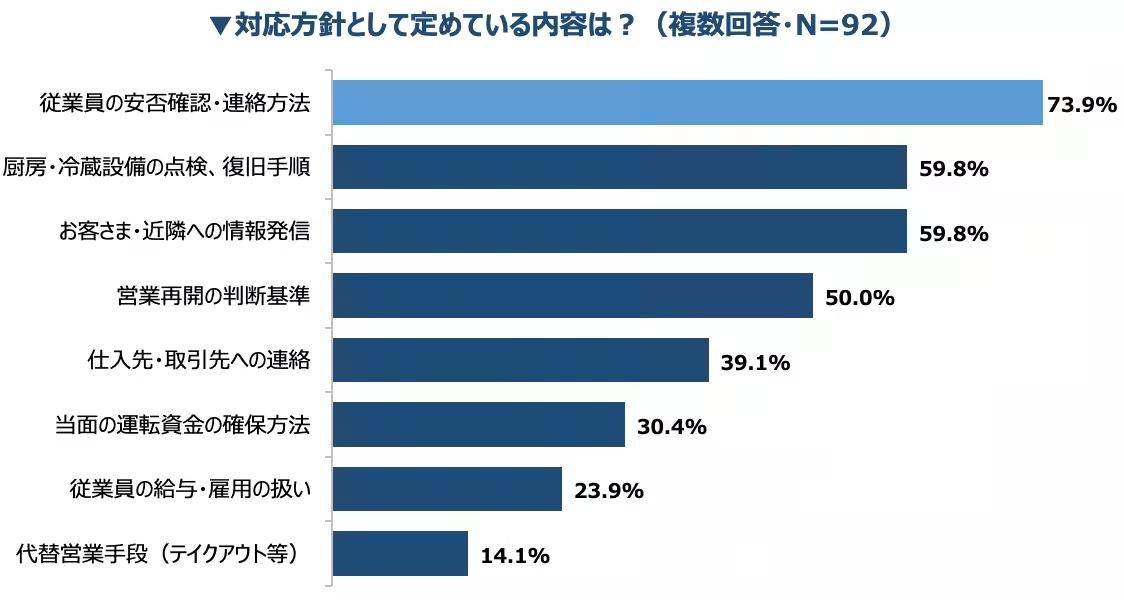
The survey also revealed that only a small fraction had contingency plans for needed supplies and resources. Policies regarding employee safety and communications received higher emphasis, with 73.9% focusing on employee accountability post-disaster. Yet, only 30.4% had strategies for securing operational funds during a crisis.
Concerns about Managing Power Outages
When probed about preparations for potential power outages or water shortages, it was troubling to learn that over one-third (35.6%) had no specific plans in place. From those surveyed, 24.3% expect food waste due to extended outages exceeding a half-day.
Training for Emergencies
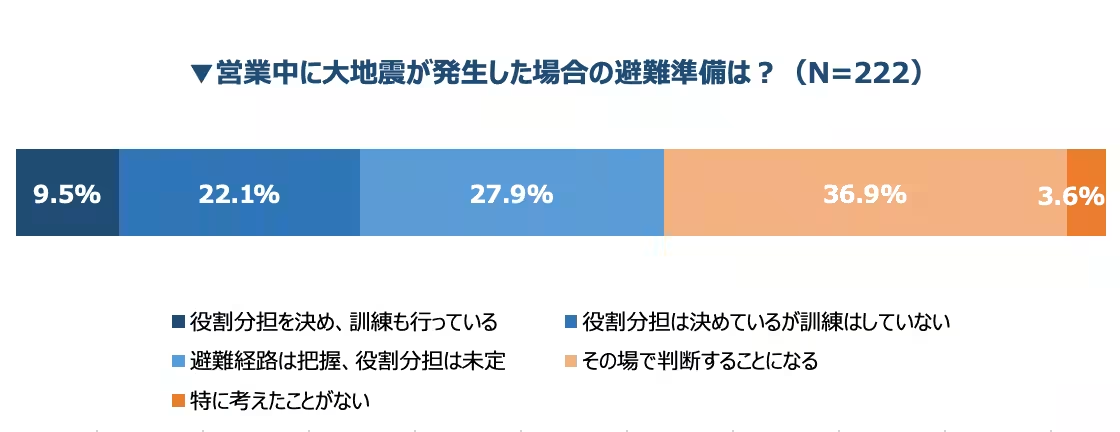
Lastly, preparation for emergencies extends to evasion drills and role assignments during disasters. While 31.5% have assigned specific duties, only 9.5% conduct regular training exercises, indicating a significant deviation from ideal operational standards.
Conclusion
As the food service industry grapples with the realities of natural disasters, the survey's results underscore an urgent need for both improved training and establishment-wide policies that support disaster preparedness. The restaurant sector must proactively address these challenges to safeguard not just their establishments but also the livelihoods of their employees. Synchro Food remains committed to equipping restaurant owners with the insights and resources necessary for a secure operational future.
Future Directions
Synchro Food will continue to provide valuable information aimed at aiding restaurant operators in overcoming these challenges, fostering an environment conducive to growth and sustainability.
Acknowledgment
If you reference this survey's results, please credit Synchro Food's Restaurant.com. To view the complete report or for more information, please visit Restaurant Research.

Topics Consumer Products & Retail)


【About Using Articles】
You can freely use the title and article content by linking to the page where the article is posted.
※ Images cannot be used.
【About Links】
Links are free to use.