



87% of Shippers Meet 2-Hour Waiting Time Regulation in Japan's Transportation Sector
87% of Shippers Meet 2-Hour Waiting Time Regulation in Japan's Transportation Sector
A comprehensive survey conducted by CUBE-LINX, a company specializing in electric vehicle transportation solutions, uncovered significant insights regarding the logistics management practices among shippers in Japan. Targeting logistics executives aged 20 to 60, the study focused on the implementation of the "2-hour rule" regarding waiting times for shipments, which has become crucial following the amendment of the Logistics Efficiency Act set to take effect in April 2026.
Background
The amendments to the Logistics Efficiency Act mandate a maximum of two hours for waiting and loading times per transport operation. This regulation is not merely a guideline but an obligation aimed at enhancing operational efficiency within the industry. However, achieving compliance necessitates collaboration among shippers, carriers, and technological investments, often resulting in varied implementation levels across companies.
Survey Findings
The survey released several important findings regarding compliance and operational strategies:
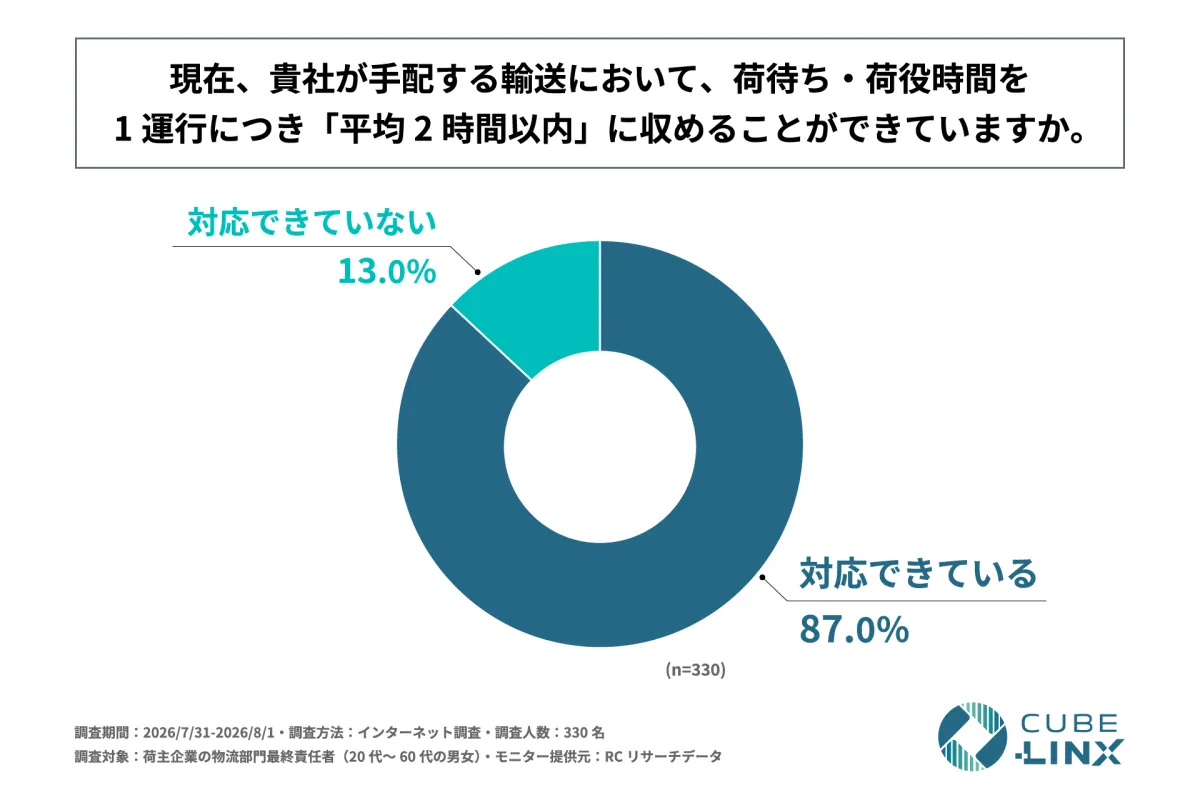
- - Compliance Rate: 87% of shippers reported successfully keeping their average loading and waiting times under the 2-hour limitation. Conversely, 13% admitted they were unable to adhere to this crucial requirement.
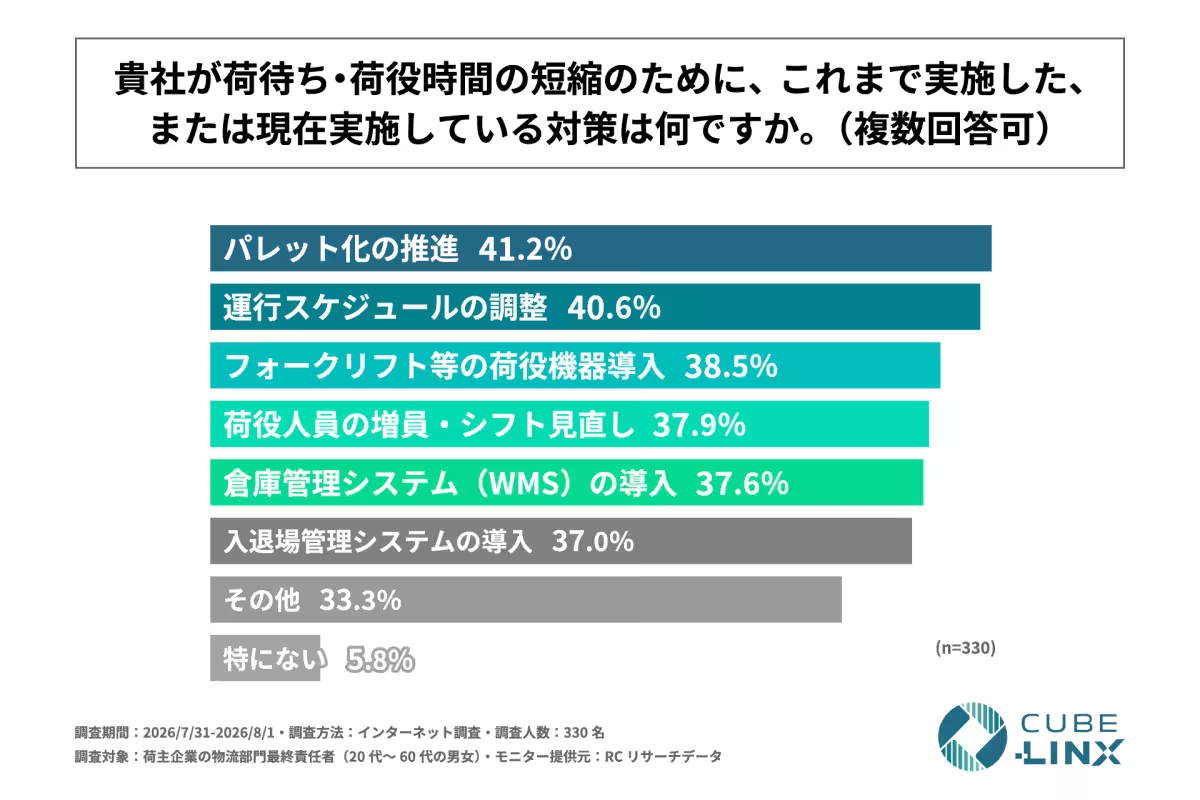
- - Implemented Strategies: Shippers identified their primary strategies for reducing waiting and loading times. The most popular include:
- Adjusting transportation schedules (40.6%)
- Introducing loading equipment such as forklifts (38.5%)
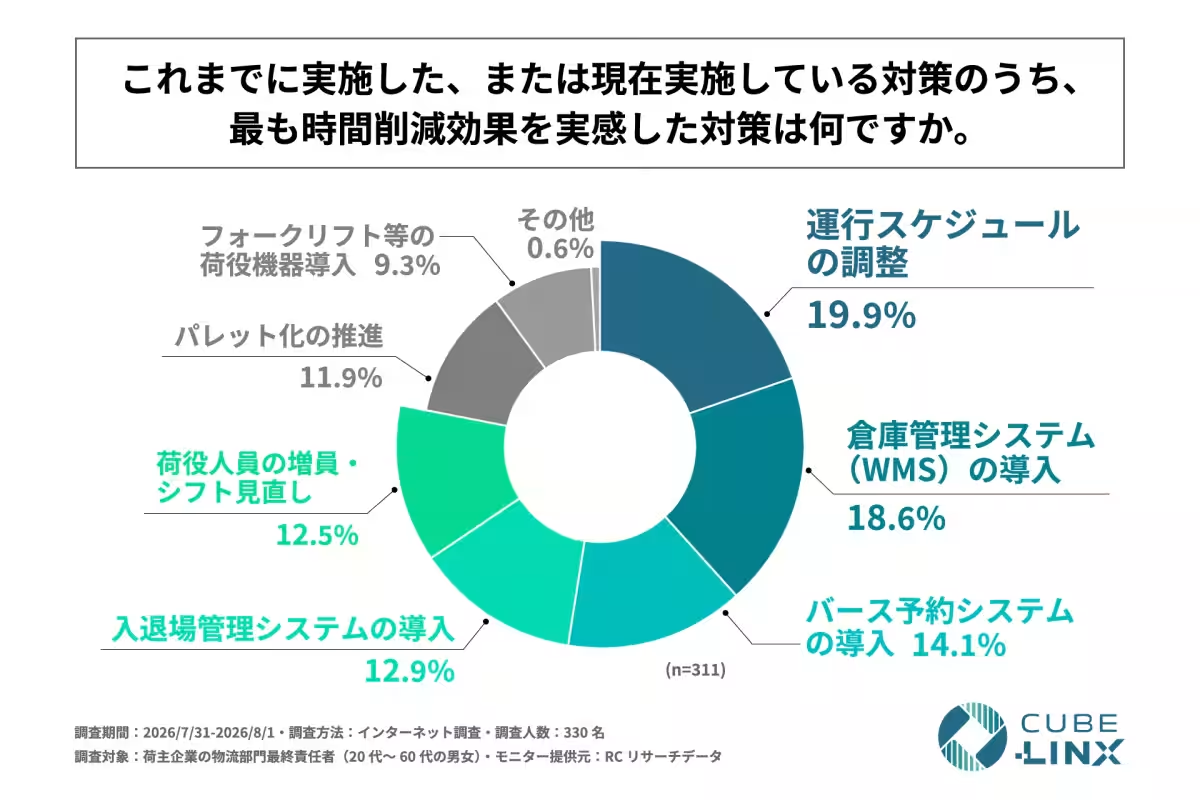
- - Effectiveness of Strategies: Among the strategies employed, modifying transportation schedules was highlighted as the most effective method to reduce waiting times (19.9%), followed by implementing warehouse management systems (18.6%) and dock reservation systems (14.1%).
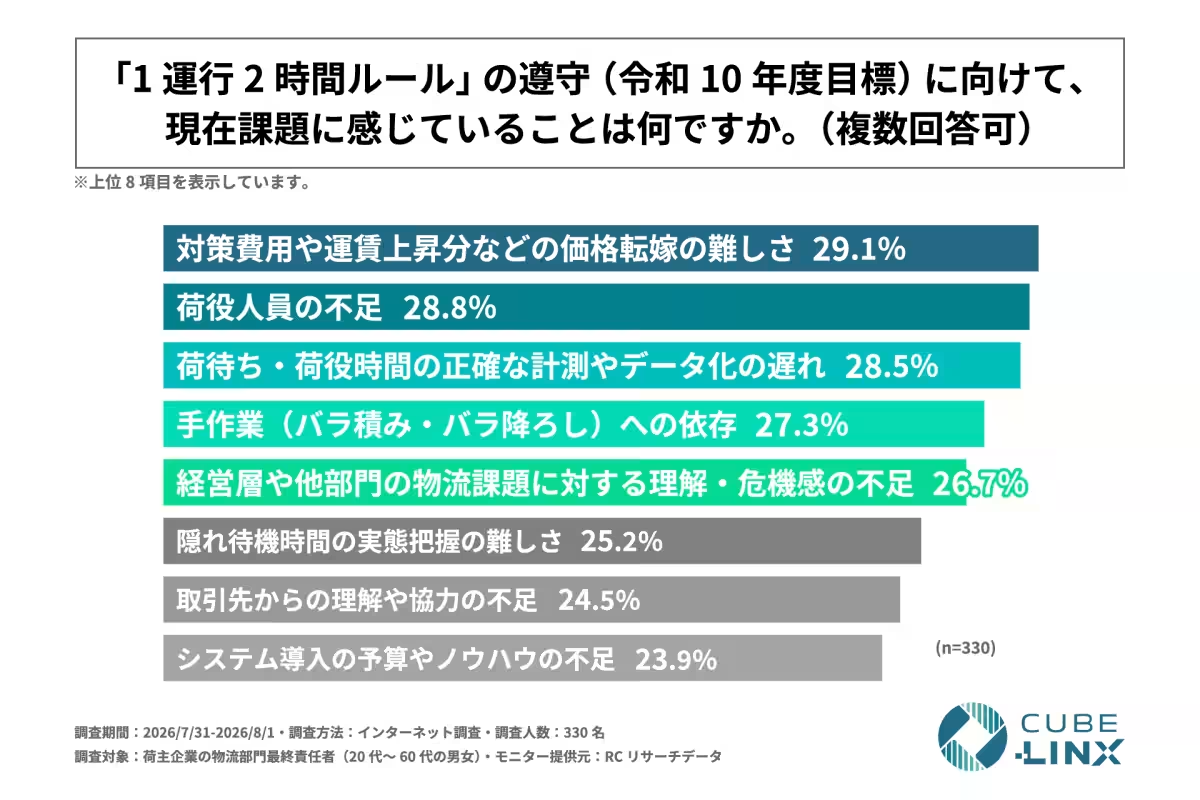
- - Challenges Identified: Logistics managers faced several challenges in meeting the regulations, primarily the difficulty in passing on increased costs and the shortage of personnel required for loading operations. Specifically, 29.1% of respondents pointed to the challenges of cost adjustments, while 28.8% cited a lack of available workers as a significant hurdle.
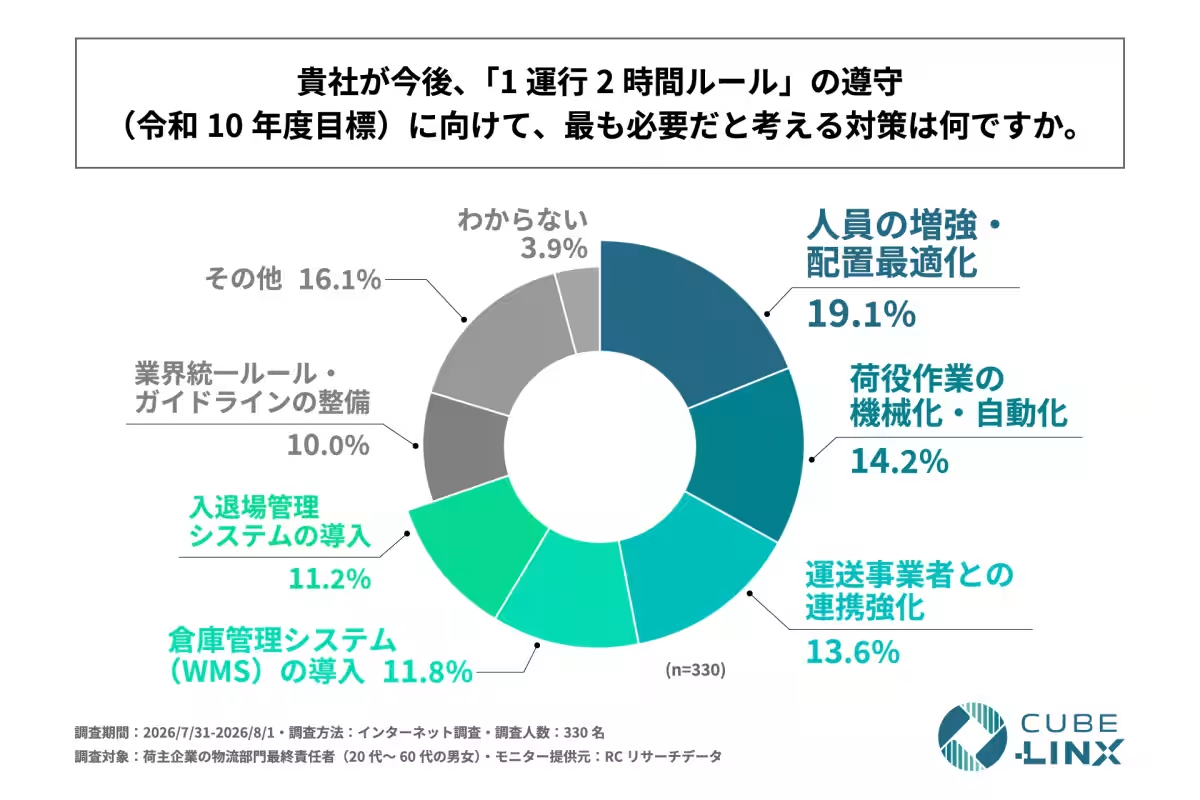
- - Necessary Measures: When asked to identify the most crucial measures needed for compliance, 19.1% of respondents emphasized the importance of increasing personnel and optimizing workforce allocation. Other notable responses included the mechanization of loading operations (14.2%) and strengthening collaboration with transportation providers (13.6%).
Conclusion
The survey underscores the ongoing challenges and varying levels of compliance within the shipping industry regarding the 2-hour rule. While a significant majority can manage their operations within the stipulated time frame, there remains a cohort struggling to meet these expectations. The insights gleaned from the survey demonstrate that while strategies such as palletization and scheduling adjustments are being utilized, the logistics sector must focus on addressing critical issues like labor shortages and cost distribution to ensure widespread adherence to the new regulatory landscape.
For more information and support regarding commercial EVs and charging infrastructure, CUBE-LINX offers comprehensive services to assist businesses in transitioning to electric vehicle fleets. Their solutions cover everything from planning charging facilities to applying for subsidies and energy management system implementations.
About CUBE-LINX
CUBE-LINX is headquartered in Hino City, Tokyo, with a mission to provide consultancy services for electric vehicles and related infrastructure. Their services include integrated solutions for vehicles and charging facilities, ensuring smooth transitions towards sustainable logistics practices. To learn more, visit their website at CUBE-LINX.

Topics Consumer Products & Retail)
【About Using Articles】
You can freely use the title and article content by linking to the page where the article is posted.
※ Images cannot be used.
【About Links】
Links are free to use.