



Uncovering the Achievements and Key Insights of Major Corporations' ESG Management
Uncovering the Achievements and Key Insights of Major Corporations' ESG Management
In a recent survey conducted by the General Incorporated Association for Promoting Personal Information Security in Small and Medium Enterprises (located in Shinjuku, Tokyo), insights into the positive impacts of ESG (Environmental, Social, and Governance) measures in large corporations with over 1,000 employees were unveiled. The survey involved 111 ESG managers and focused on the tangible outcomes and effects of their initiatives.
Positive Changes Resulting from ESG Initiatives
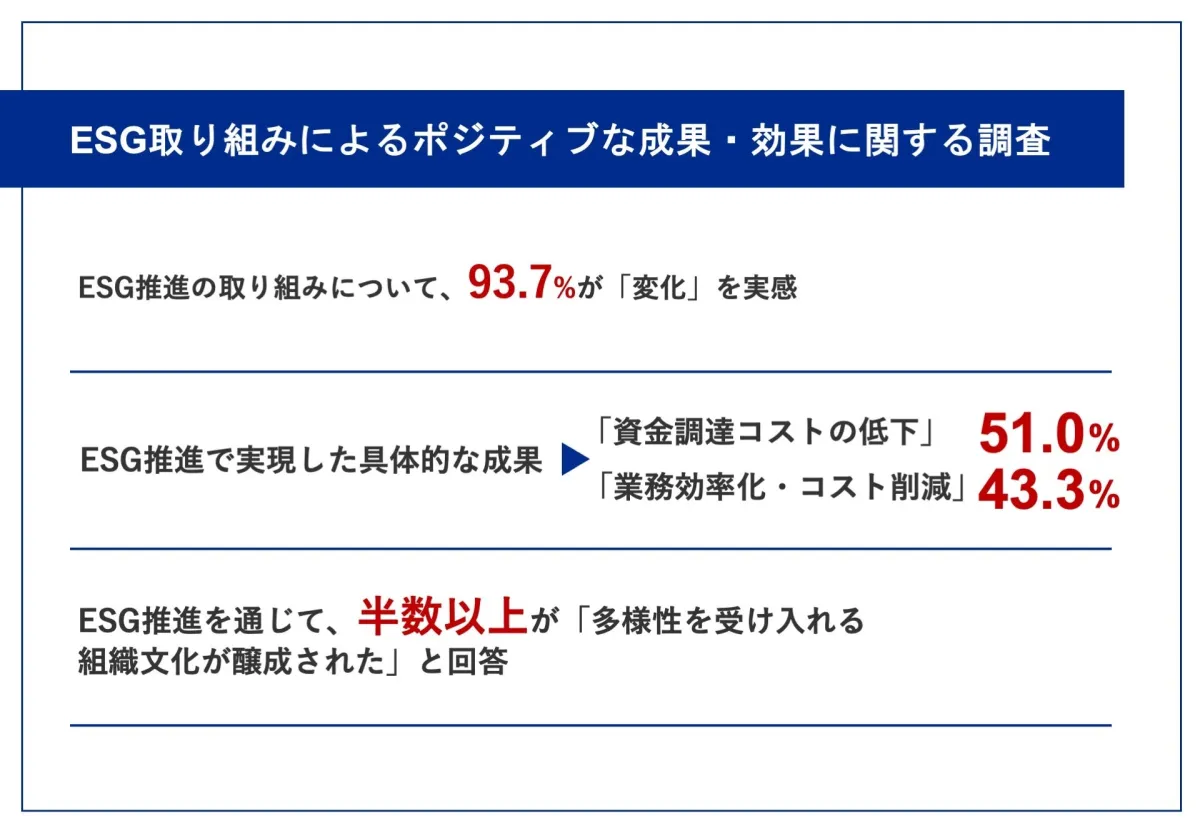
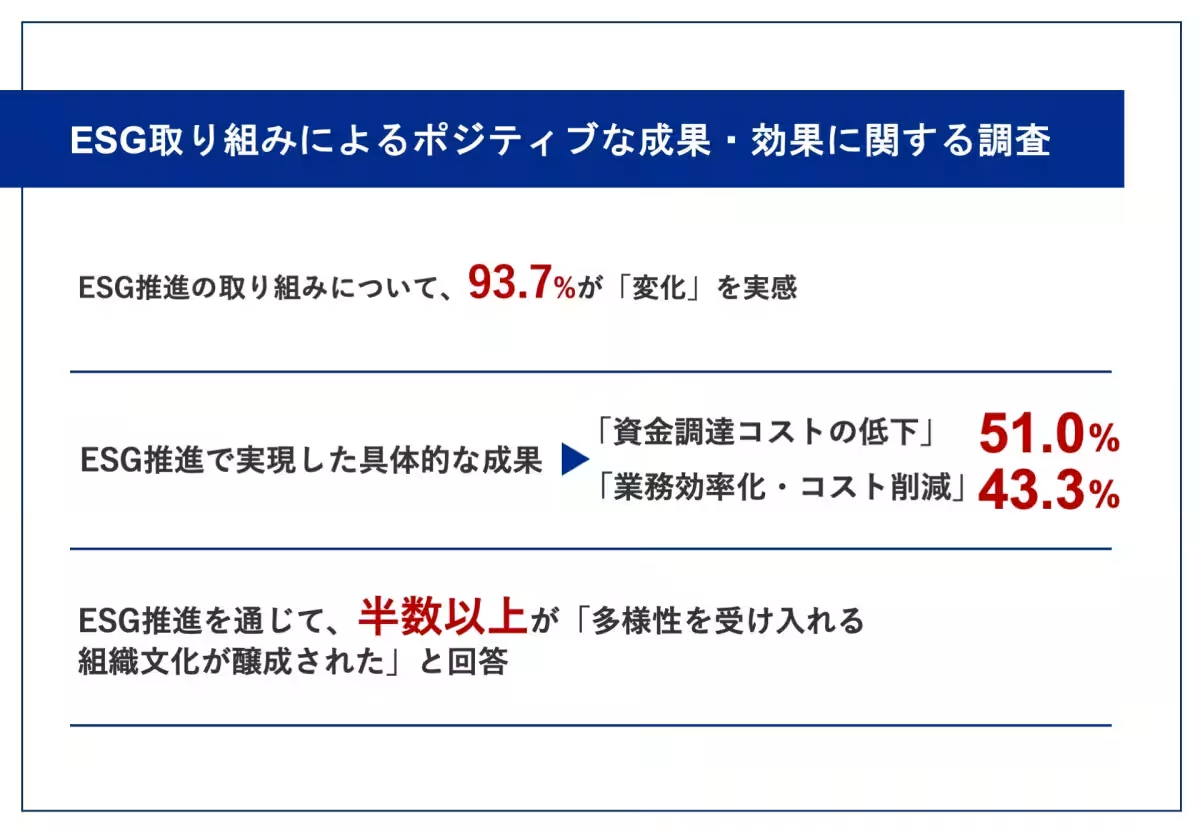
An astounding 93.7% of the respondents indicated that they experienced some form of positive change due to their ESG initiatives. This statistic is quite significant, reflecting a growing awareness and adaptation within large organizations toward sustainable practices.
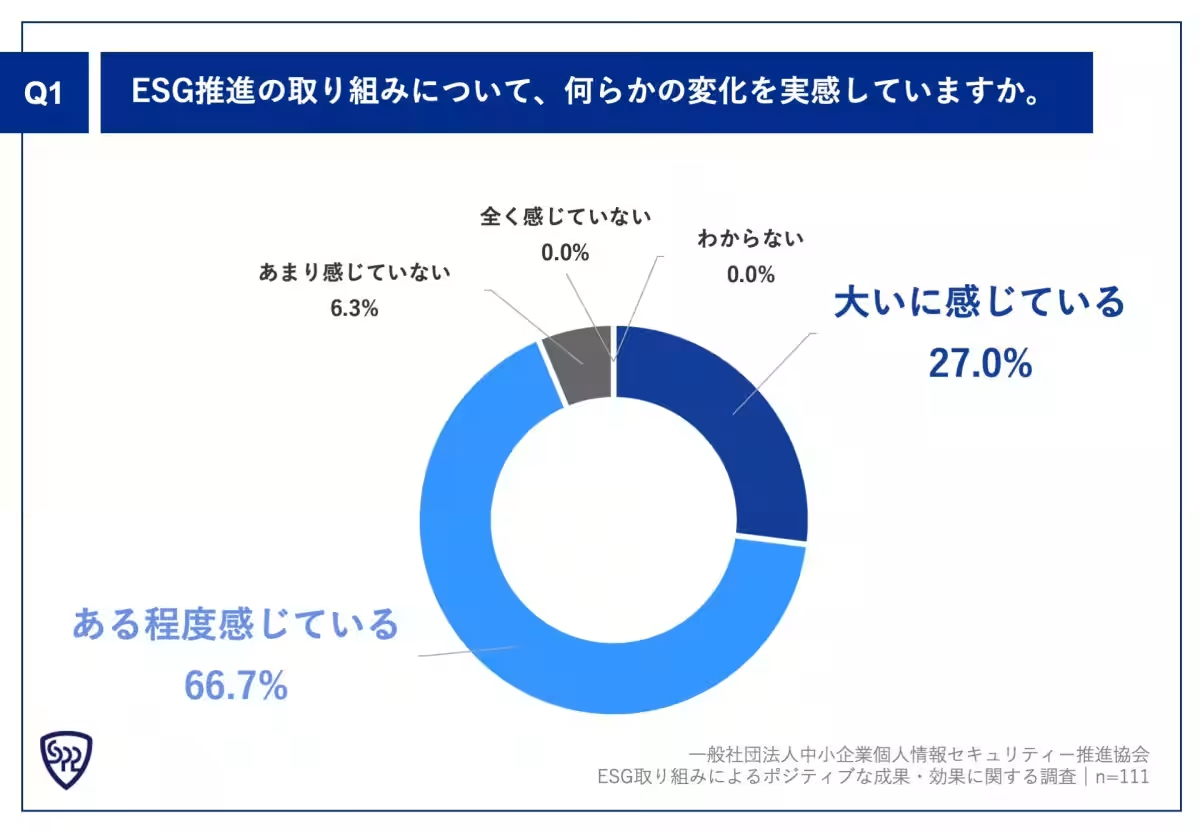
When the respondents were asked specifically about the kind of changes they felt, it was notable that 27.0% stated they felt a vast change while 66.7% admitted to experiencing some degree of change. A mere 6.3% of individuals reported not feeling any noticeable impact, and not a single person was unaware of the changes occurring within their companies.
Key Achievements Linked to ESG Implementation
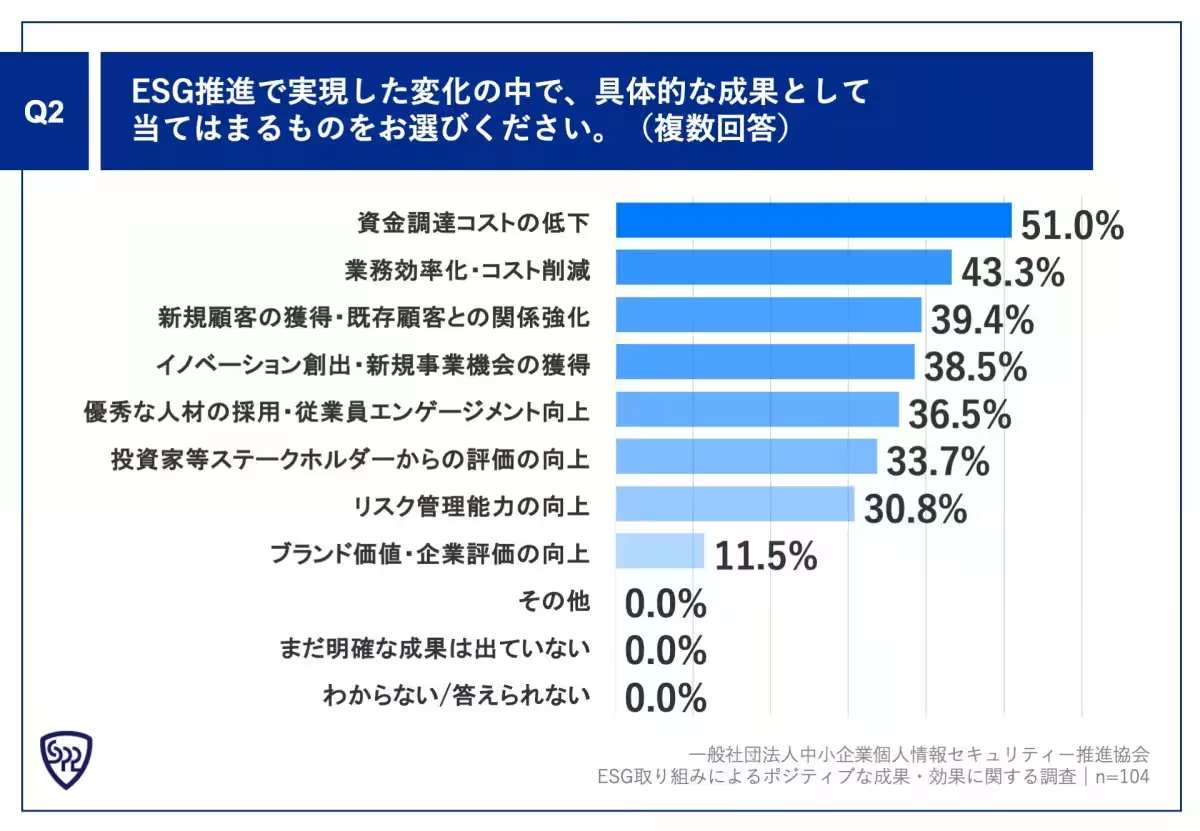
The survey results further highlighted specific achievements linked to ESG initiatives. 51.0% of respondents mentioned a reduction in fundraising costs as a prominent positive outcome, followed closely by 43.3% who noted improvements in operational efficiency and cost reductions. Additionally, 39.4% acknowledged acquiring new customers and strengthening existing relationships as a direct benefit stemming from their ESG efforts.
Organizational Culture Transformation
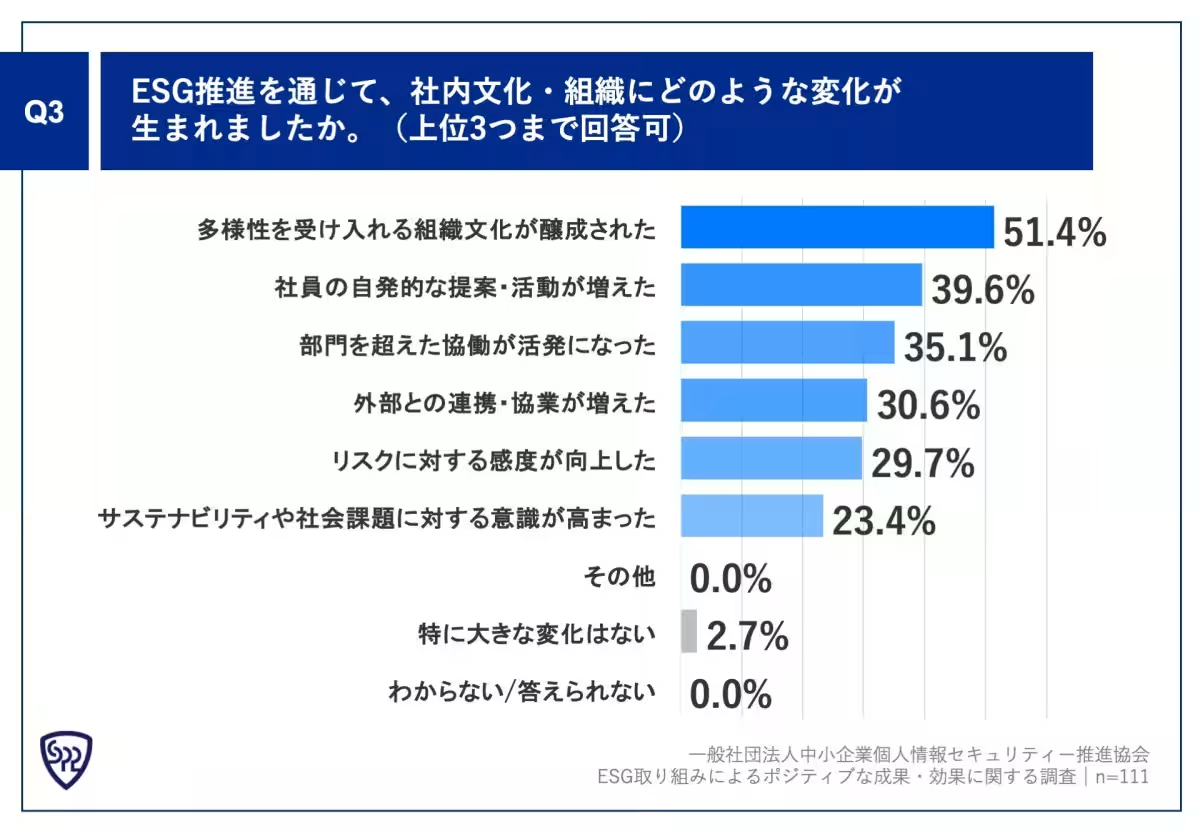
Importantly, over half of the respondents, 51.4%, acknowledged that their ESG efforts have fostered an organizational culture that embraces diversity. Following this, 39.6% reported an increase in employee-driven initiatives and proposals, while 35.1% shared that interdepartmental collaboration had become more active as a result of these initiatives.
Successful ESG Initiatives
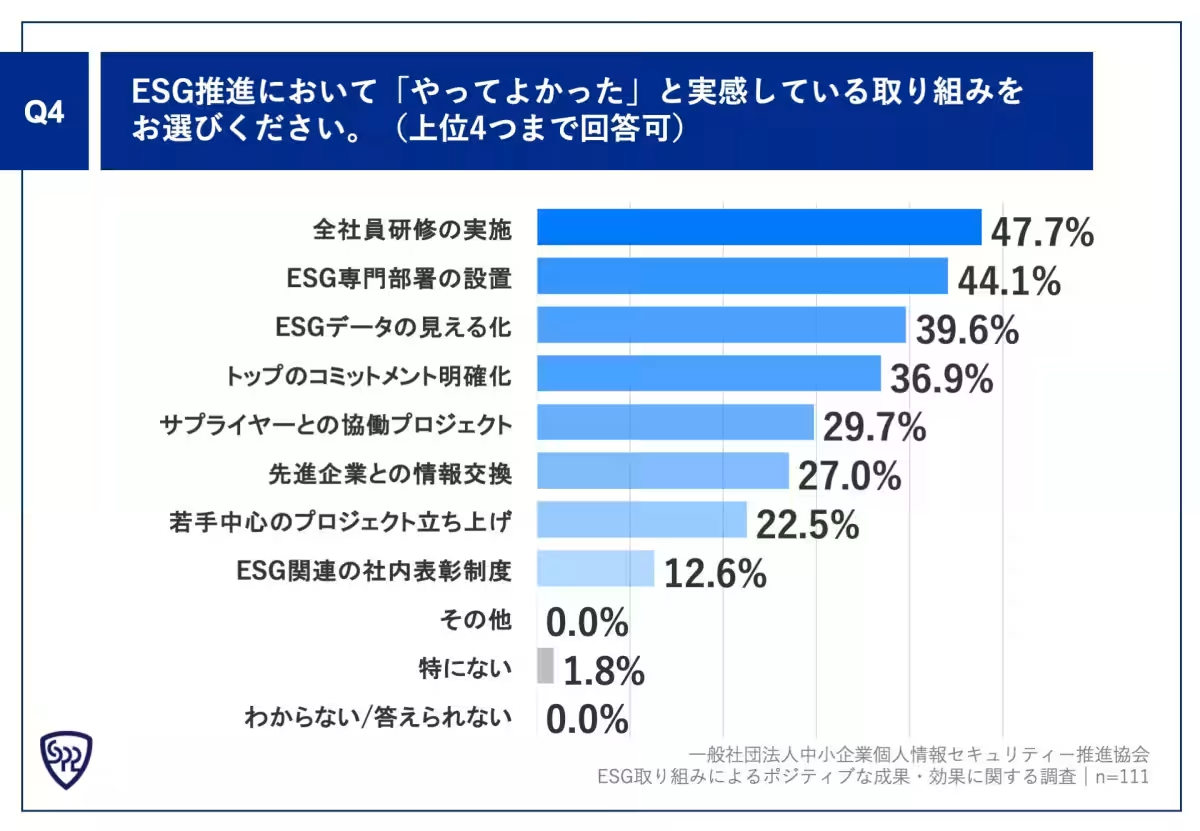
When asked to identify successful strategies implemented in their ESG endeavors, nearly half, at 47.7%, pointed to the execution of comprehensive employee training programs. Moreover, 44.1% emphasized the establishment of specialized ESG departments as a key undertaking in their integration process. Other notable initiatives included the visualization of ESG data, which garnered 39.6% appreciation from the respondents.
Challenges Faced by Corporates
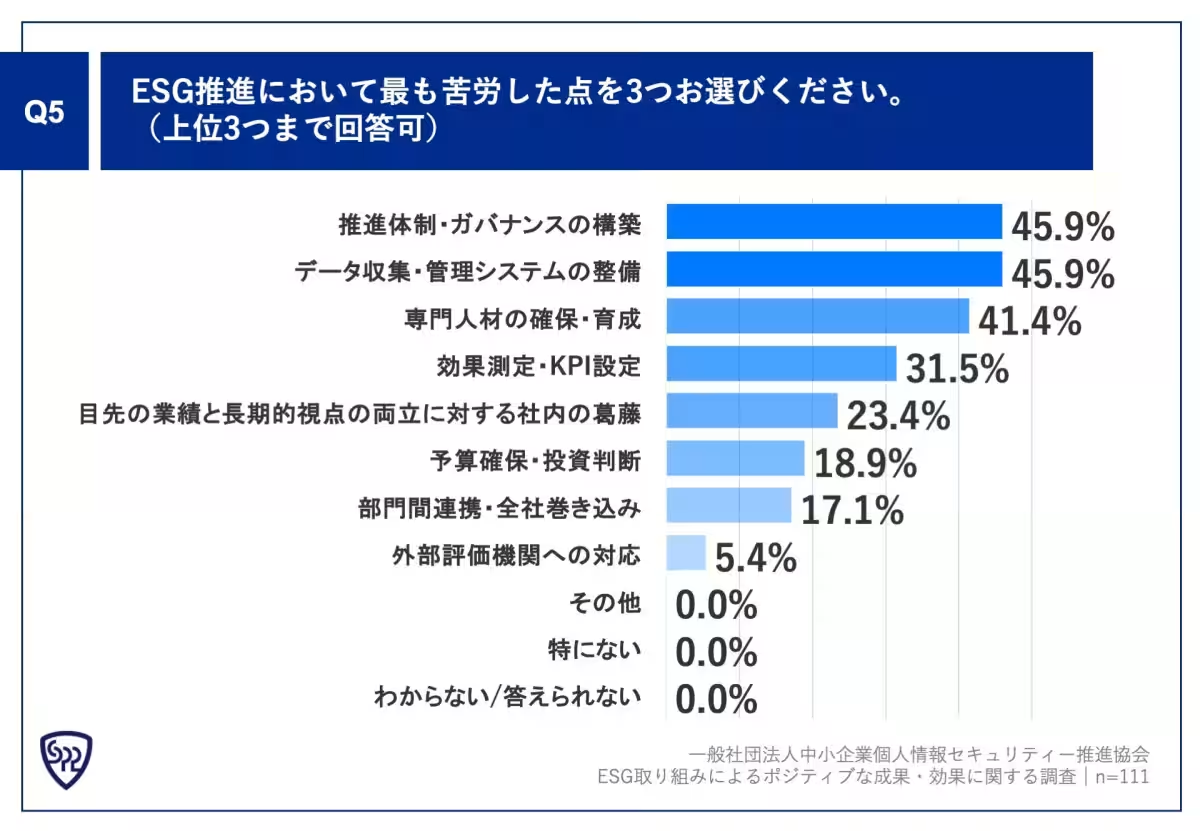
Despite these positive insights, the survey also shed light on the challenges that many organizations face. The most significant hurdles identified by 45.9% of respondents were the establishment of governance structures and the development of data collection and management systems, both critical components of effective ESG management. Similarly, 41.4% indicated difficulties in securing and developing specialized personnel for ESG tasks.
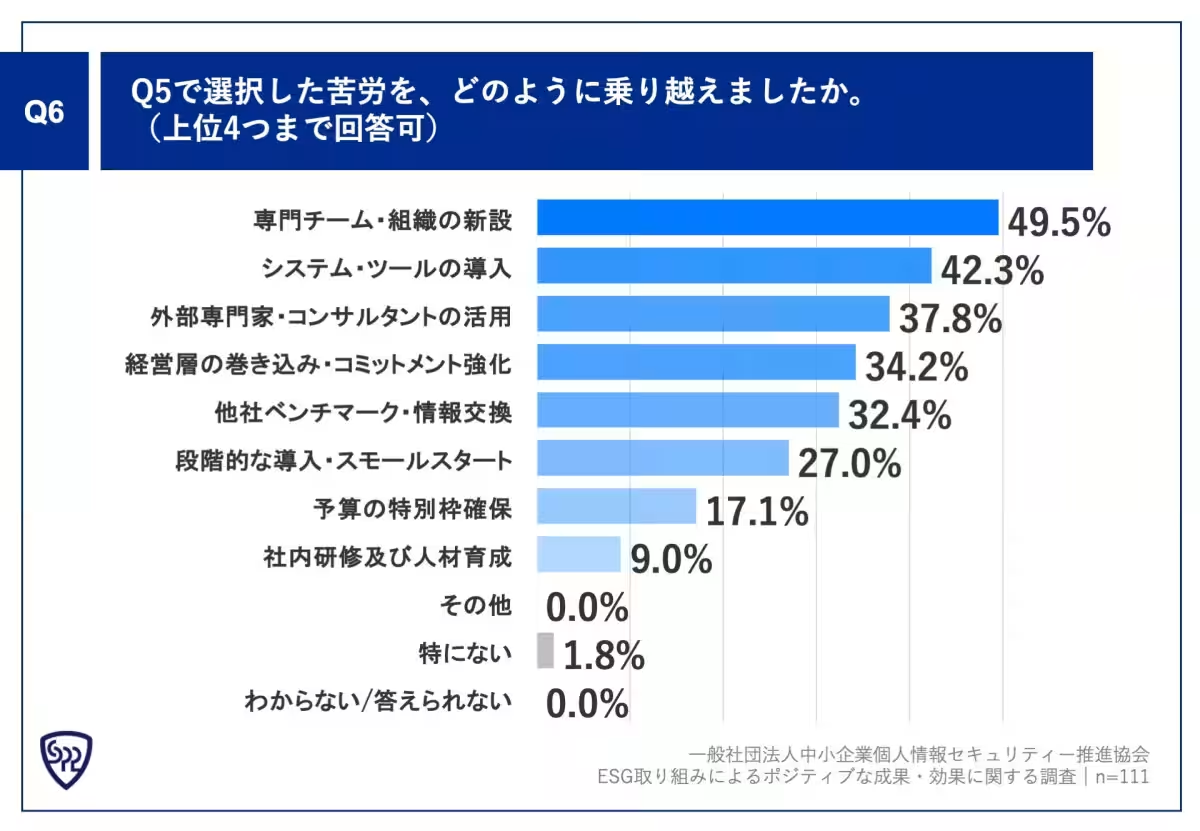
In overcoming these challenges, nearly half of the participants (49.5%) reported creating dedicated teams and organizations to address these issues, supplemented by the implementation of systems and tools (42.3%) to ease the transition to more sustainable practices.
Turning Points in ESG Management
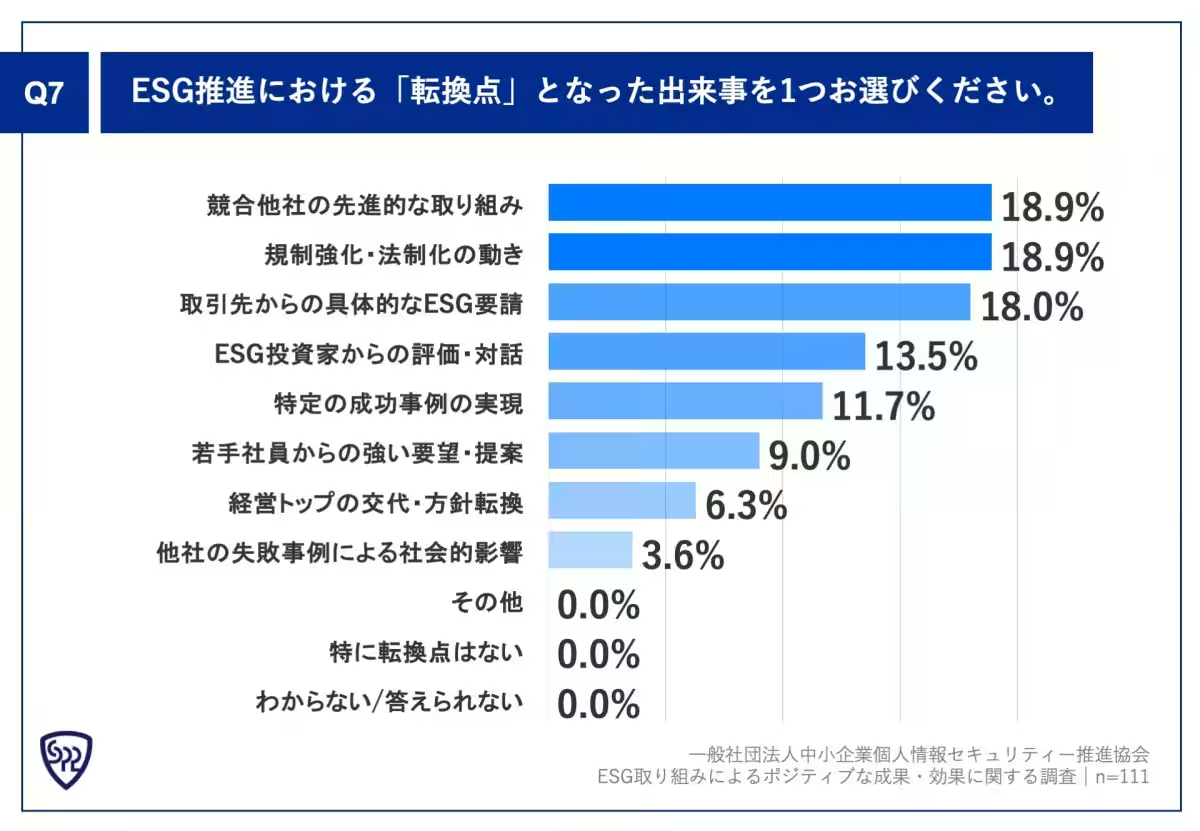
Interestingly, the survey revealed that the major turning points in the companies’ ESG journeys were largely influenced by 18.9% citing the advanced initiatives of competitor companies, followed by similar sentiments regarding regulatory enhancements, which naturally prompted these corporations to recalibrate their own ESG strategies.
Engaging with External Stakeholders
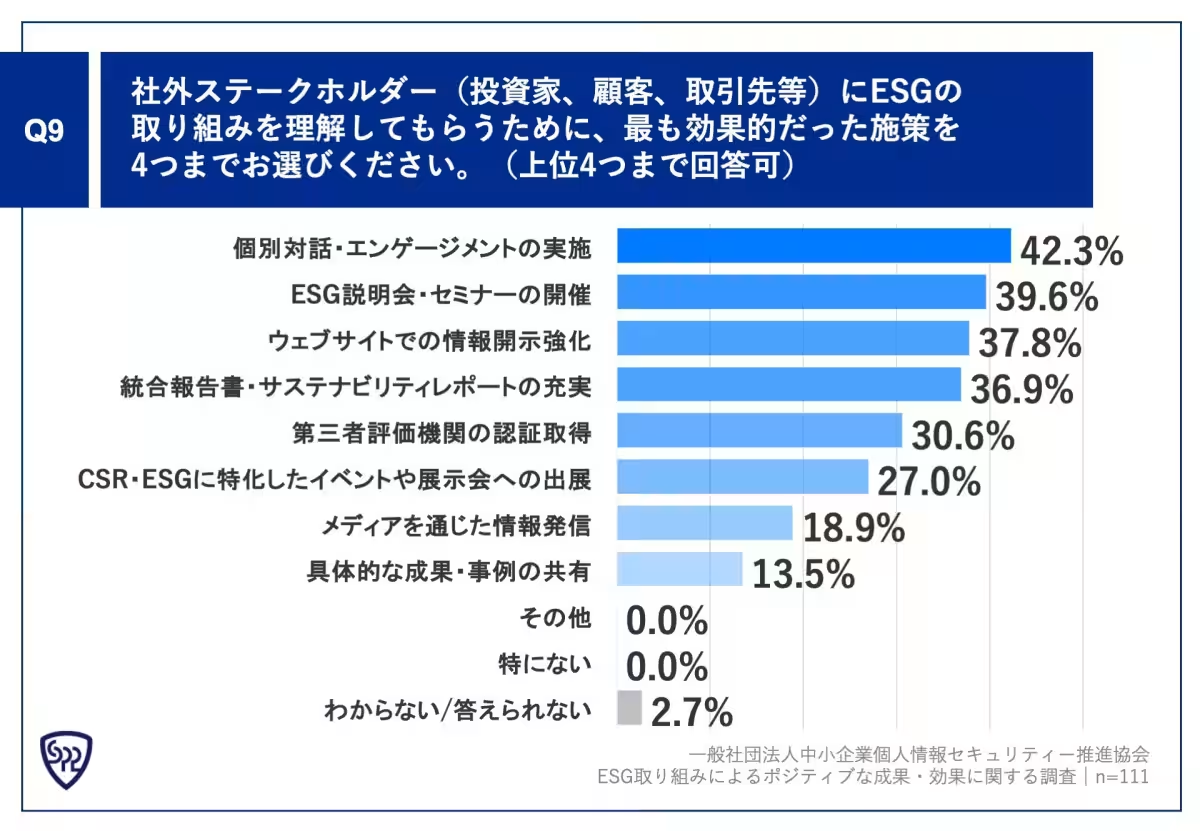
To effectively communicate ESG efforts to external stakeholders—investors, customers, and suppliers—over 42.3% found individual dialogues and engagement processes the most effective approach, underscoring the increasing necessity for transparency and accountability in corporate practices today.
Conclusion: Looking Ahead
The survey illuminated the progress and achievements of large corporations in their ESG efforts, demonstrating their role in enhancing corporate value and fostering an inclusive organizational culture. However, it also stressed the challenges within governance and data management that many corporate entities struggle to navigate. Moving forward, there is a pressing need to share best practices and experiences from larger organizations with smaller enterprises to create an ecosystem of comprehensive sustainability across the industry.
For more information on the ESG Management Mark Certification System, which assists small and medium enterprises in aligning their operations with sustainability goals, visit the official site: ESG Certification.

Topics Business Technology)
【About Using Articles】
You can freely use the title and article content by linking to the page where the article is posted.
※ Images cannot be used.
【About Links】
Links are free to use.