



Stay Safe This Summer: Tips to Prevent Lithium-ion Battery Accidents
Stay Safe This Summer: Tips to Prevent Lithium-ion Battery Accidents
As we embrace the warmth of summer, it's important to remain vigilant about the safety of lithium-ion batteries used in our everyday devices such as smartphones and mobile power banks. Recent reports indicate a worrying rise in incidents involving these batteries, particularly during the hot summer months. The National Institute of Technology and Evaluation (NITE) in Japan, led by Chairman Fumihiko Hasegawa, has issued valuable guidance to help users avoid accidents related to lithium-ion battery products.
Increasing Incidents of Battery-related Accidents
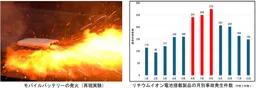
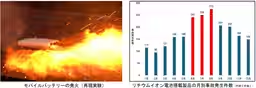
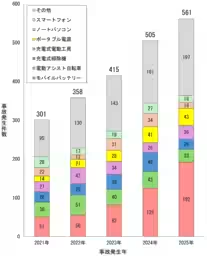
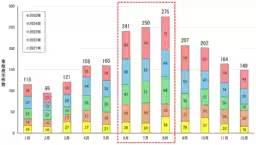
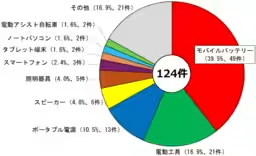
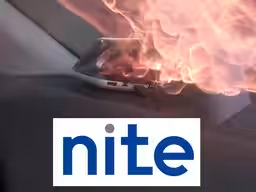
Between 2021 and 2025, NITE recorded a staggering 2,140 incidents associated with lithium-ion battery products, with mobile batteries being the most frequently reported. Notably, the frequency of these incidents tends to increase as temperatures rise, peaking in August. This correlation is particularly concerning given the increasing number of fire incidents involving lithium-ion batteries. In response, various governmental agencies, including the Ministry of Economy, Trade and Industry and the Ministry of the Environment, have teamed up to promote a campaign addressing the “Three C's” that can prevent such accidents.
The Three C's to Prevent Lithium-ion Battery Accidents
1. Cool Choice - Make Informed Purchases
- Before buying a lithium-ion battery product, check the seller's contact information, product details, and any recall notices. This helps ensure that support is available if needed.
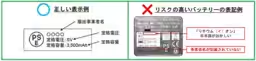
- Verify that the product bears the appropriate safety certification marks, ensuring compliance with standards.
2. Careful Use - Handle with Care
- Avoid using or storing batteries in high-temperature environments, as excessive heat can lead to dangerous reactions, including overheating and combustion.
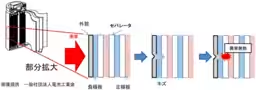
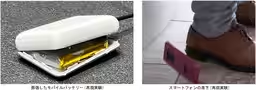
- Do not subject batteries to strong impacts or pressure, as this can cause internal short-circuits leading to fires.
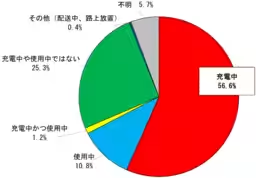
- Charge batteries in a safe environment, away from flammable materials, and monitor them regularly for signs of damage or malfunction.
3. Correct Disposal - Recycle Responsibly
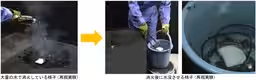
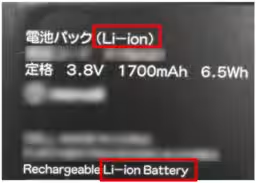
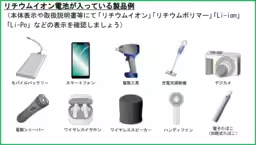
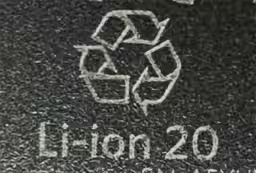
- Before discarding any electronic product, confirm whether it contains lithium-ion batteries. Batteries must be properly disposed of according to local regulations to avoid fire hazards during waste processing.
- Often, manufacturers and local governments offer collection programs for used batteries; always check the disposal guidelines relevant to your area.
Noteworthy Trends in Battery Usage
The rise in mobile battery incidents can be attributed to increased usage during the peak summer months, especially as more people venture outdoors following the easing of COVID-19 restrictions. Constant vigilance and preventive measures are crucial now more than ever, as hot weather can exacerbate the risks associated with lithium-ion batteries. The incidence rate for 2025 is projected to be over three times that of 2021, emphasizing the need for proactive safety measures.
NITE also offers resources such as the NITE SAFE-Lite web tool, where users can search for specific product incidents and recalls, ensuring they remain informed about potential safety issues related to their devices.
Key Takeaways
To ensure a safe summer, remember to:
- - Always check the specifics before purchasing any lithium-ion battery product.
- - Handle these batteries with care to prevent overheating and physical damage.
- - Follow local disposal regulations for batteries to contribute to a safer environment.
By adhering to the Three C’s, you can significantly reduce the risk of accidents in your home and enjoy a safer, worry-free summer.
For further information, refer to NITE’s official website and keep abreast of the latest safety guidelines. Stay safe and enjoy your summer adventures responsibly!







Topics Consumer Technology)
【About Using Articles】
You can freely use the title and article content by linking to the page where the article is posted.
※ Images cannot be used.
【About Links】
Links are free to use.