



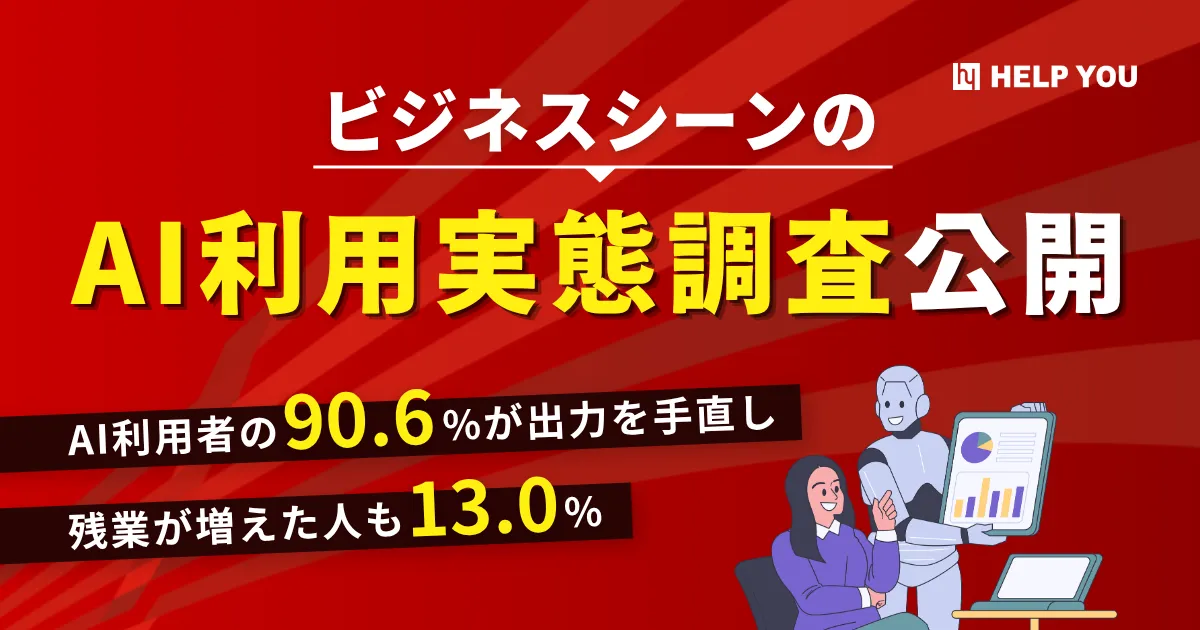
Study Reveals AI’s Impact on Business: Efficiency Gains Yet Increased Workload for Many
Unpacking the Impact of AI in the Business Sphere
In the rapidly evolving landscape of technology, artificial intelligence (AI) has emerged as a key player, especially in the business realm. A recent survey conducted by Knit Co., the company behind the online outsourcing service HELP YOU, has shed light on the realities of AI usage among business professionals across Japan. Targeting working individuals aged 25 to 59, the study encapsulates a cohort of 600 participants, revealing critical insights into the integration of AI in daily operations.
Survey Findings at a Glance
The results paint a complex picture of AI's current role in business processes. Here are some notable statistics:
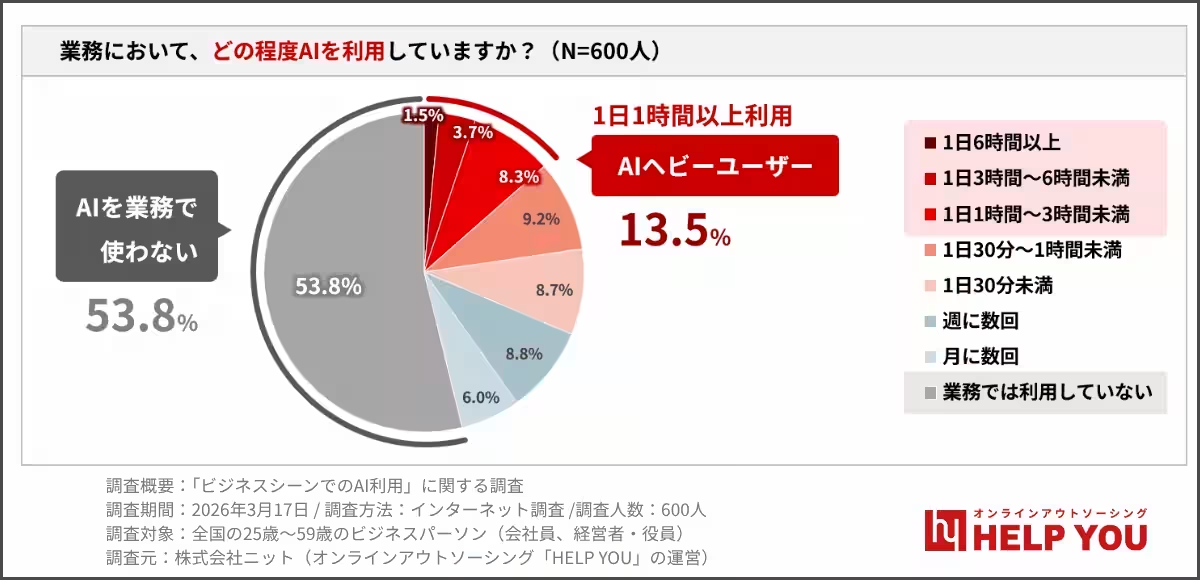
- - Only 46.2% of respondents reported using AI in their work.
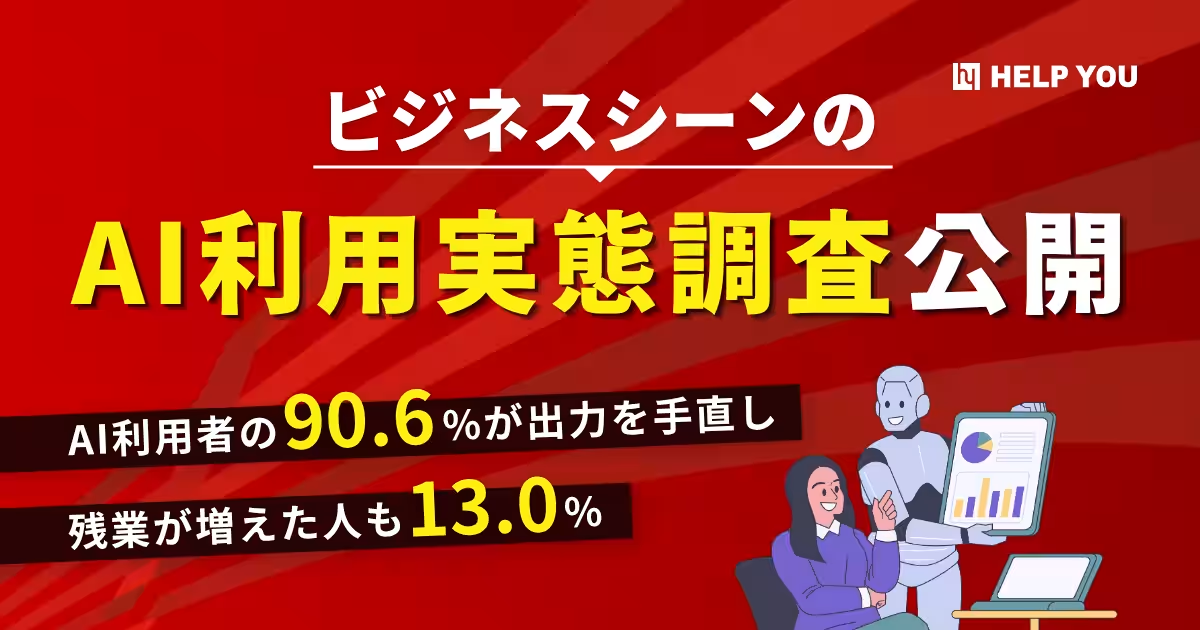
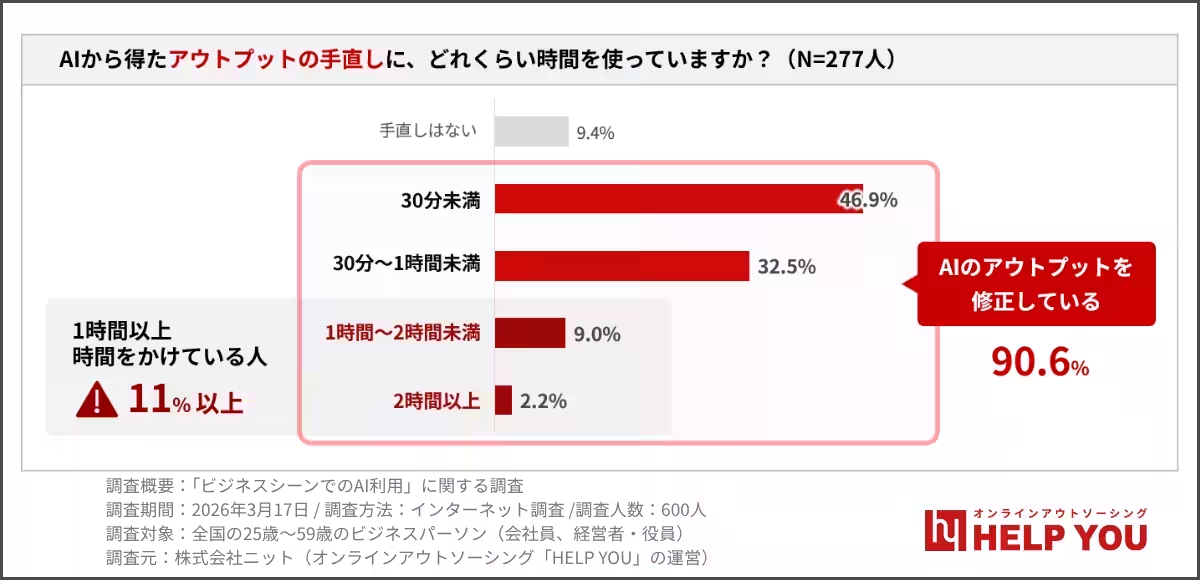
- - An overwhelming 90.6% of those who utilized AI admitted to needing to make adjustments to its outputs.
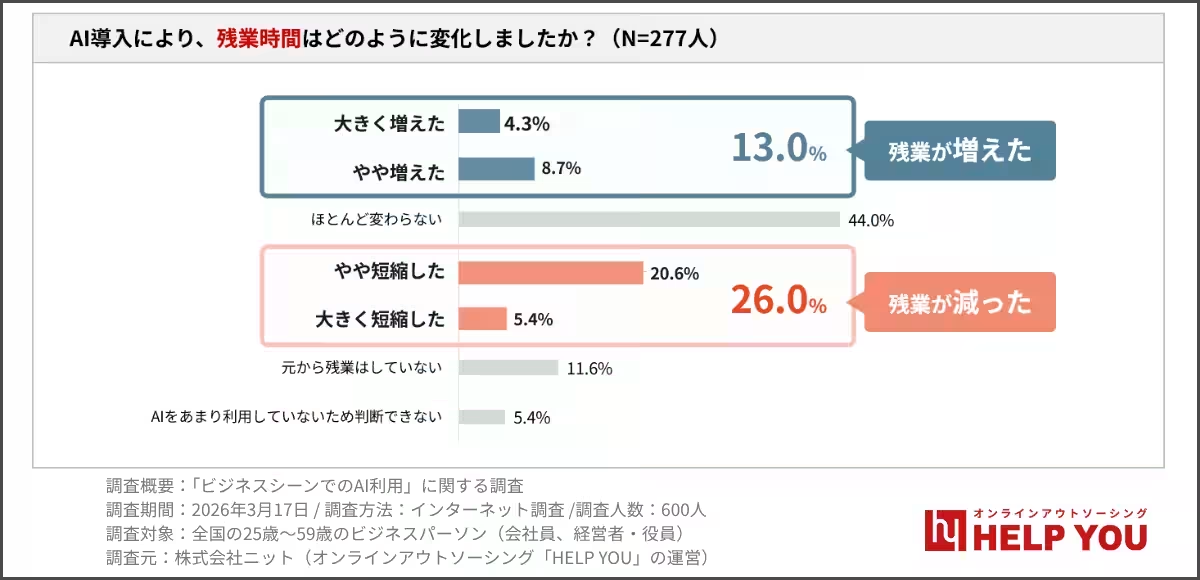
- - Surprisingly, 13.0% of respondents noted an increase in overtime hours due to AI implementation.
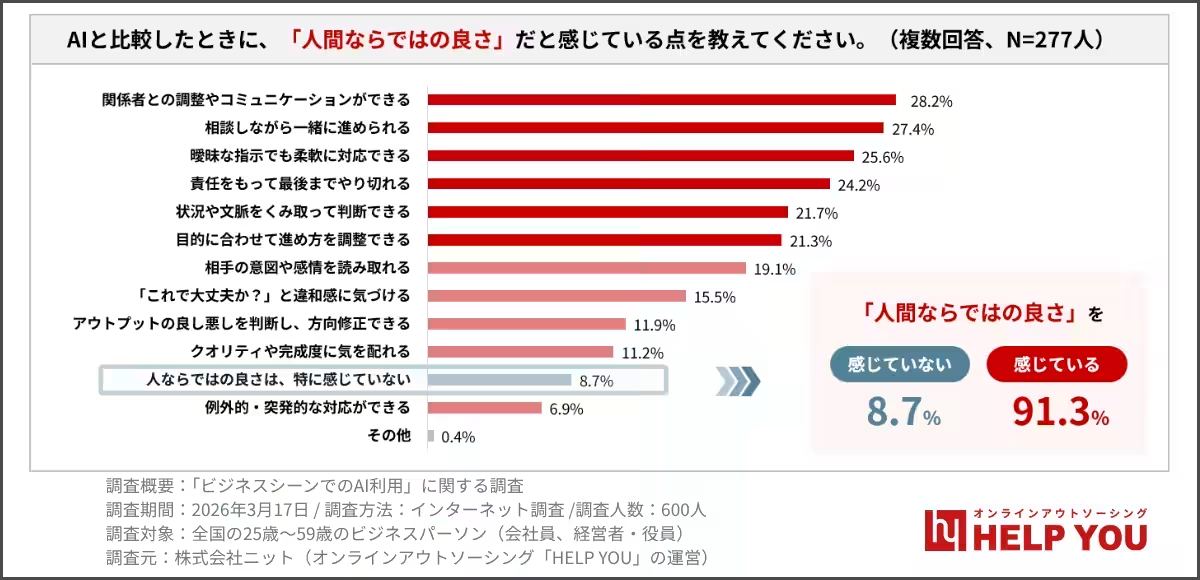
- - A striking 91.3% acknowledged the unique advantages of human effort in the workplace.
The Divide in AI Utilization
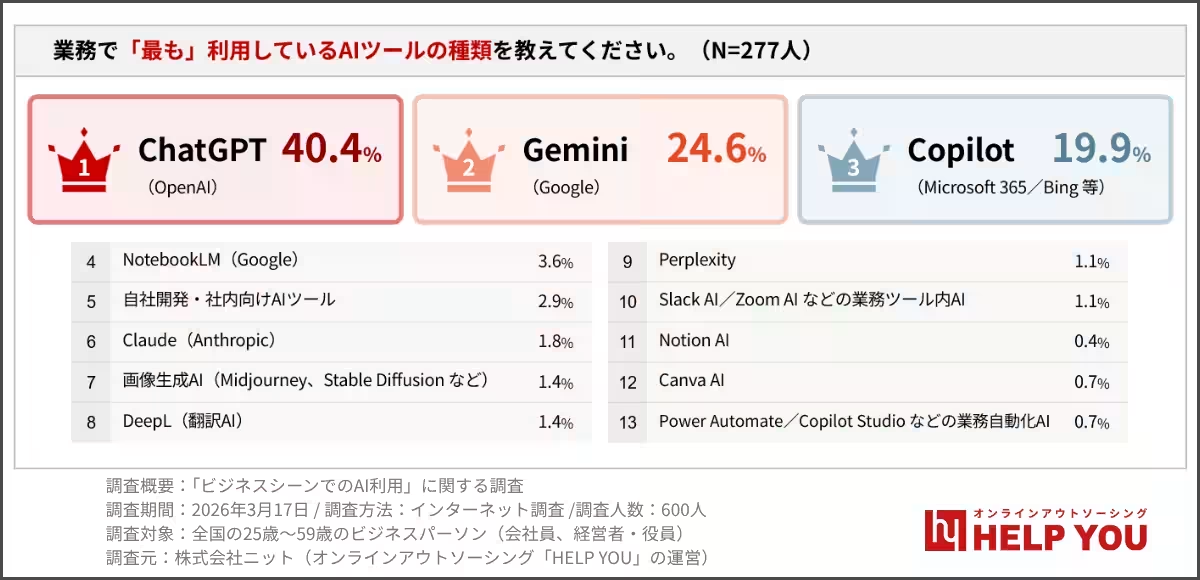
The survey findings suggest a clear division between heavy AI users and those who refrain from its use. Despite the popular notion that AI is omnipresent in the workplace, the data reflects that over half of the surveyed group does not incorporate AI into their job functions at all. However, among the AI enthusiasts, 13.5% reported using these tools for more than an hour each day, indicating that while AI tools like ChatGPT (used by 40.4% of participants) are becoming more prevalent, their adoption is far from universal.
The Specifics of AI Application
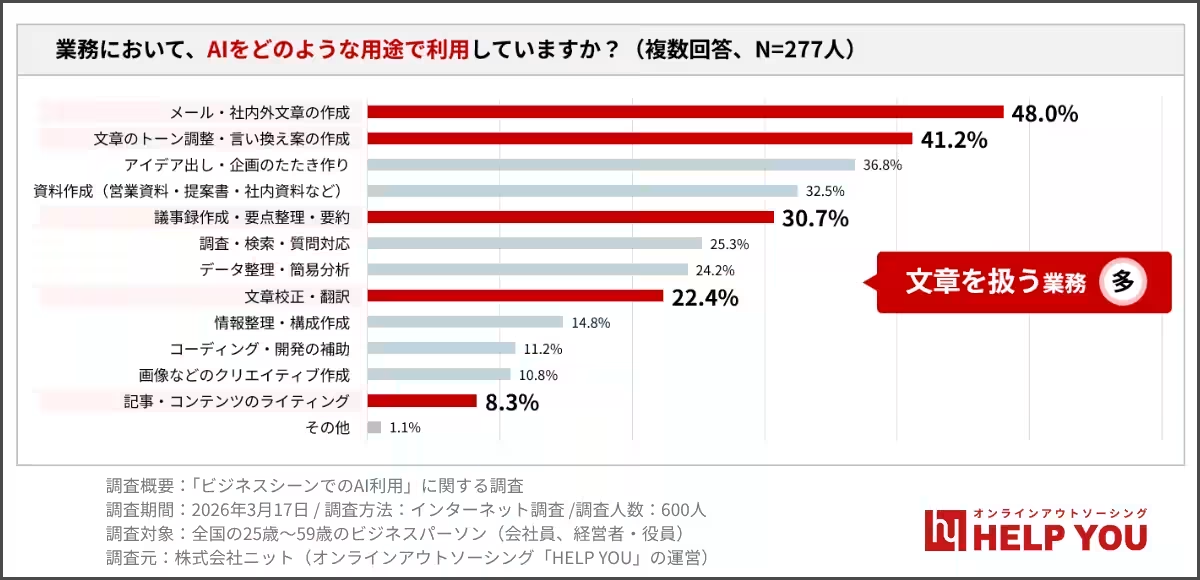
AI is primarily employed for various tasks, reflecting diverse applications in business settings:
- - Email and document creation feature prominently, utilized by 48.0% of users.
- - There's a notable trend towards using AI for tone adjustments and drafting suggestions as well, accounting for 41.2% of applications.
- - Besides these, tasks like meeting minutes and summaries engage about 30.7% of the respondents.
Despite this range of uses, it appears that AI’s role remains largely supportive, functioning as a preliminary tool for drafting rather than a finished product ready for deployment.
Efficiency Versus Workload
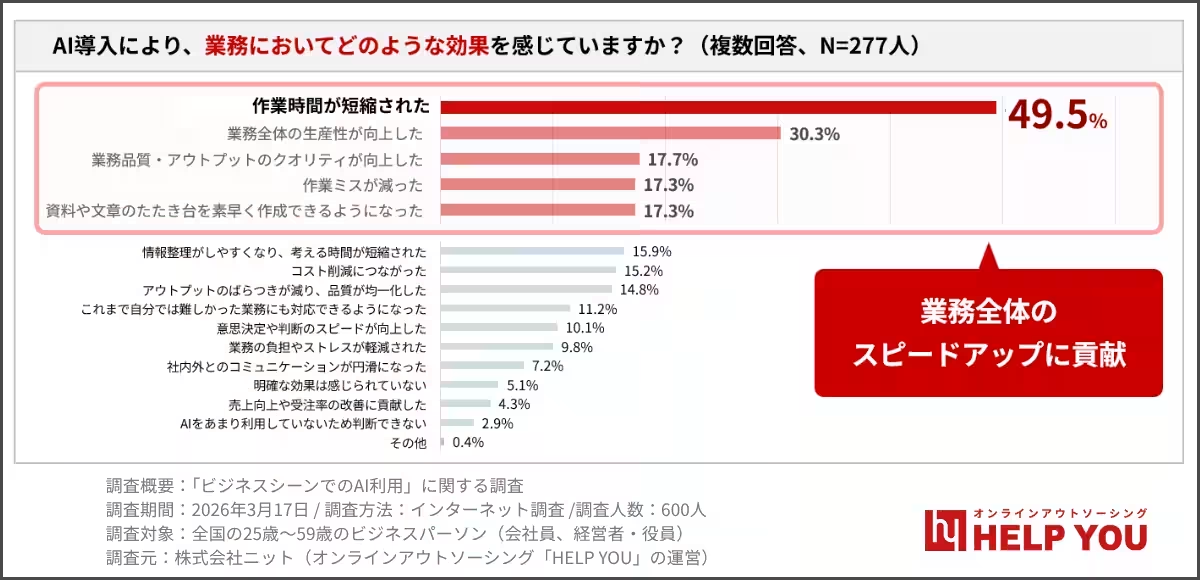
One of the primary reasons organizations adopt AI technology is to streamline operations. The survey documents that 49.5% of users believe AI shortens task completion times, while 30.3% noticed an overall increase in productivity. This suggests that AI can indeed accelerate workflows in certain contexts.
However, it is crucial to note that 26.0% of users experienced a reduction in overtime, while 13.0% reported an uptick in their hours worked. This dichotomy suggests that while AI has the potential to alleviate workload pressures, its introduction can paradoxically add layers of complexity, especially with the need for accuracy verification and output refinement.
The Complexity of AI Integration
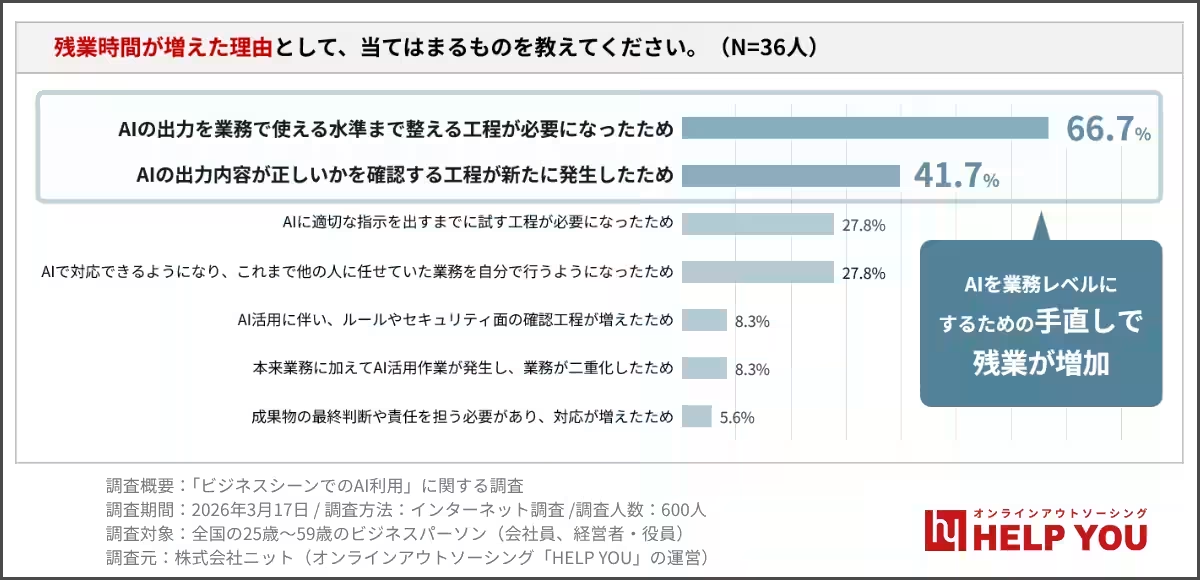
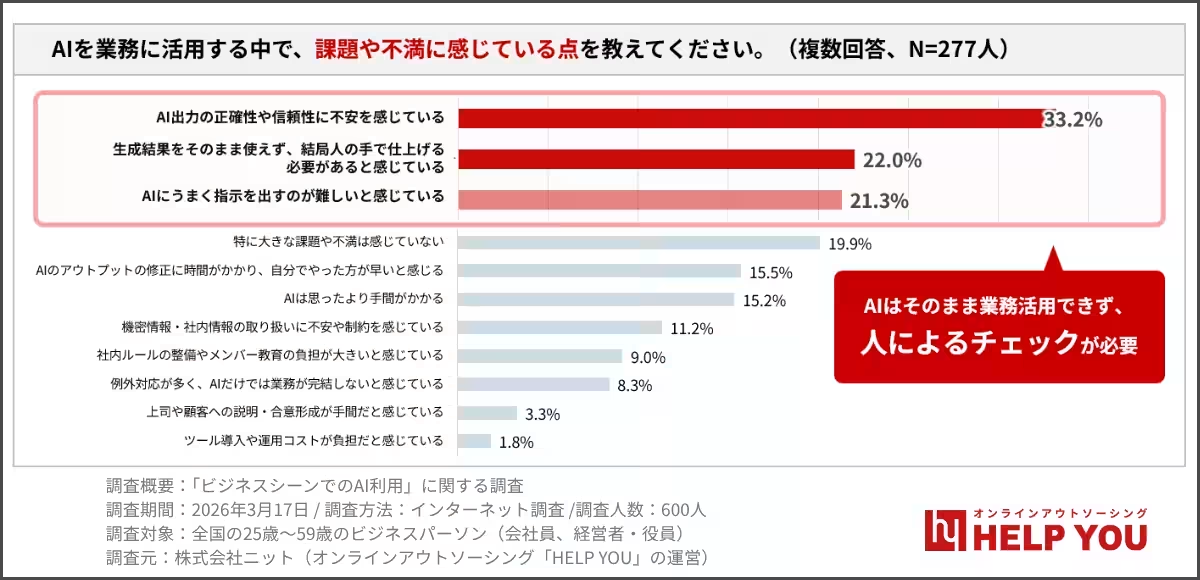
The survey further elucidates the complexities that come with AI implementation. A staggering 66.7% of participants indicated that an additional step of refining AI outputs to fit quality standards is required, which can lead to prolonged working hours. Furthermore, 41.7% expressed the necessity to double-check AI-generated content for accuracy before it can be utilized in decision-making processes.
Human oversight is clearly an essential component, as 91.3% of respondents concurred that human involvement remains crucial for nuances that AI cannot comprehend, like communication and interpersonal relations.
Addressing Challenges Through Support
In light of these findings, the development of services such as HELP YOU+Tech is timely and crucial. This initiative aims to assist businesses in navigating the complexities of AI application efficiently. By not only providing the AI itself but also enabling companies to refine and adapt AI outputs for their specific needs, it promotes a more sustainable integration, ensuring that AI supports rather than overwhelms the workforce.
Through this thorough understanding of the AI landscape within business, it becomes evident that while AI can drive efficiency, it also requires thoughtful management and cooperation between human and machine to optimize potential. This reflects a broader trend wherein technology complements human ingenuity rather than replaces it.
In conclusion, as AI continues to shape the future of work, businesses must prioritize finding the right balance between technological integration and human oversight. The goal is not merely to automate processes but to enhance collaboration in ways that enrich the workplace experience for all.


Topics Business Technology)

【About Using Articles】
You can freely use the title and article content by linking to the page where the article is posted.
※ Images cannot be used.
【About Links】
Links are free to use.