



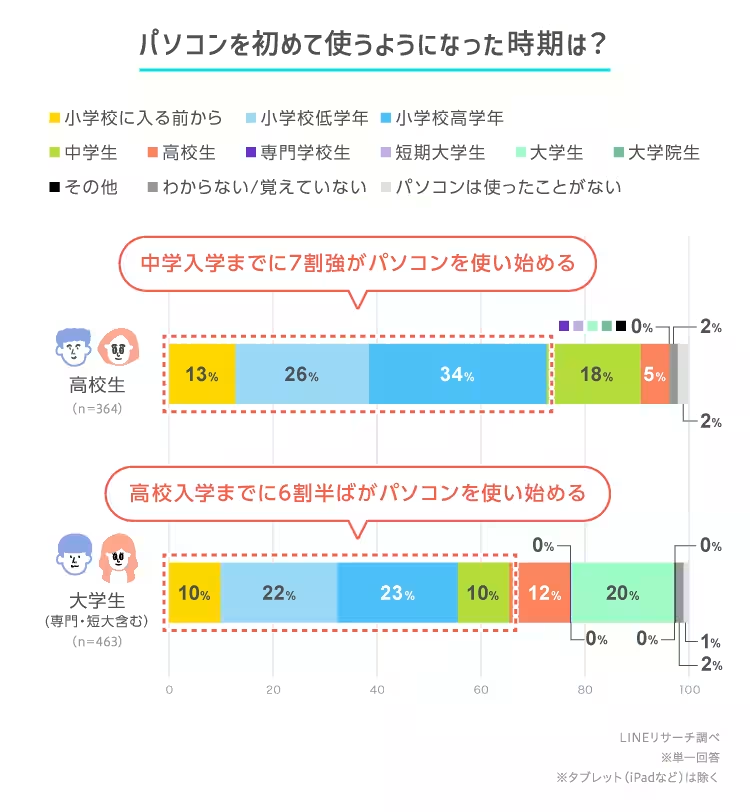
Over 70% of High School Students Start Using PCs Before Junior High School
Overview of Student Computer Usage in Japan
A recent survey conducted by LINE Research has showcased striking statistics regarding the computer usage of students aged 15 to 25 in Japan. Operating as a significant research platform backed by a panel of over 7 million active users, LINE Research highlights that more than 70% of high school students begin using computers before entering junior high school. The survey further delves into what they tend to do with their computers and the skills they aspire to acquire.
Key Findings from the Survey
The findings present some compelling insights:
1. Computer Usage Timeline: The survey indicates that about two-thirds of high school students started using computers during their elementary school years (Grades 4-6), while a small minority (only 2%) reported having never used a computer. Notably, girls tended to start using computers slightly earlier than boys.
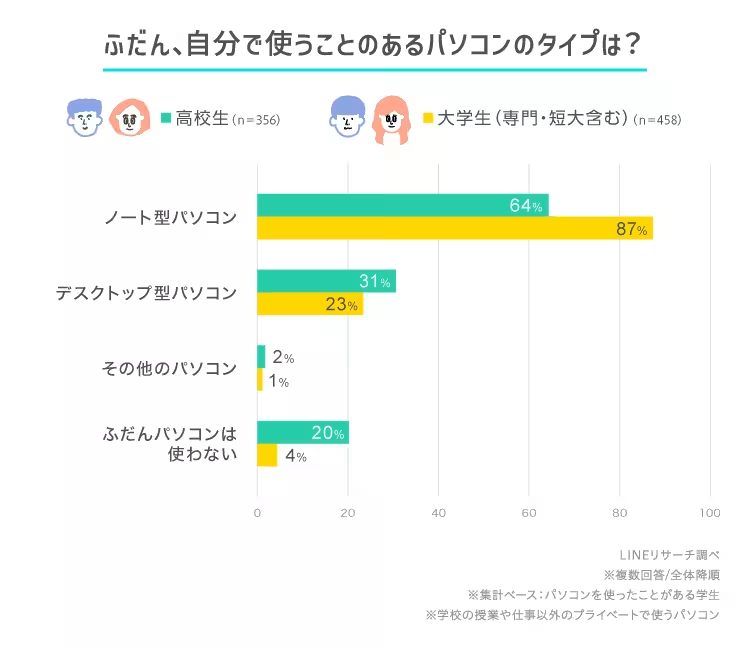
2. Types of Computers Used: Among high school students, the majority (over 60%) utilize laptops, whereas desktop computers are favored by about 30%. Interestingly, a notable portion of female high school students does not often use a computer, reflecting potential gaps in tech accessibility or interest.
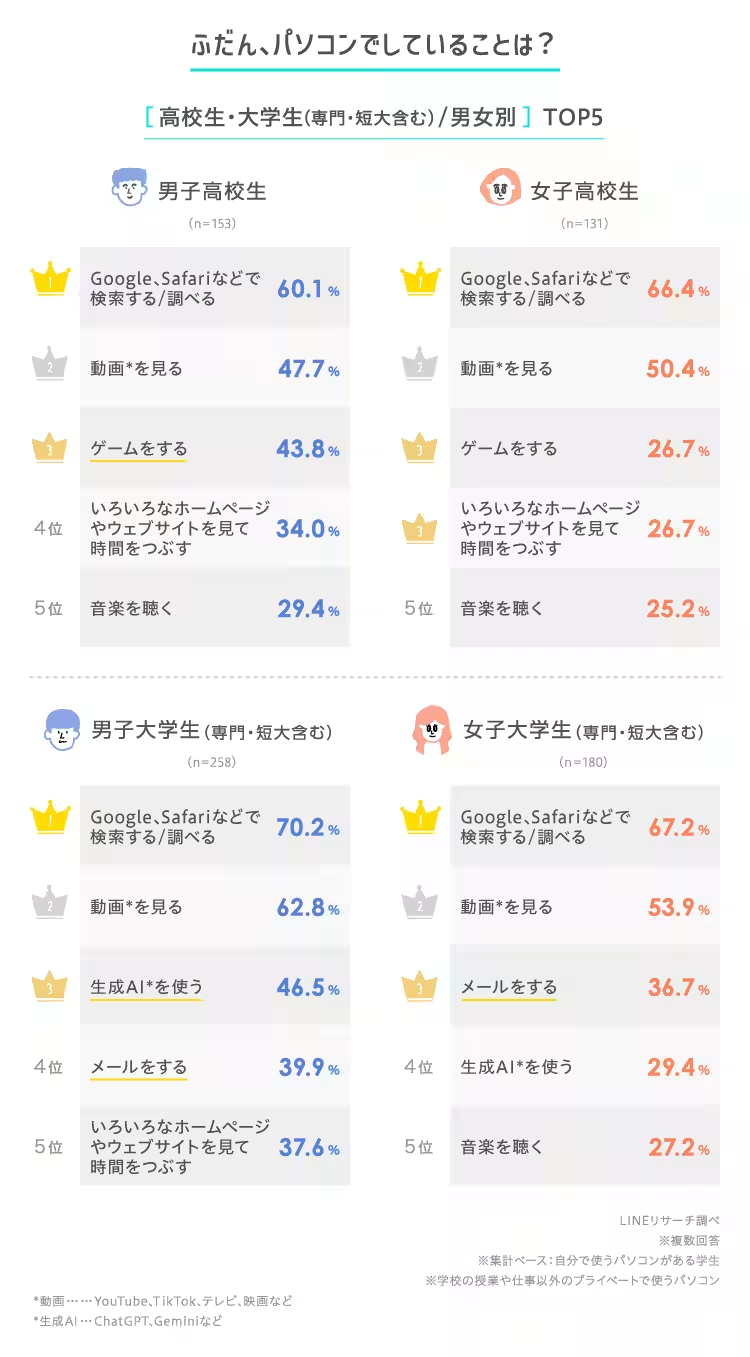
3. Common Activities: The leading activities among high school and university students include searching for information online and watching videos. Male university students have shown a growing interest in utilizing generative AI as well.
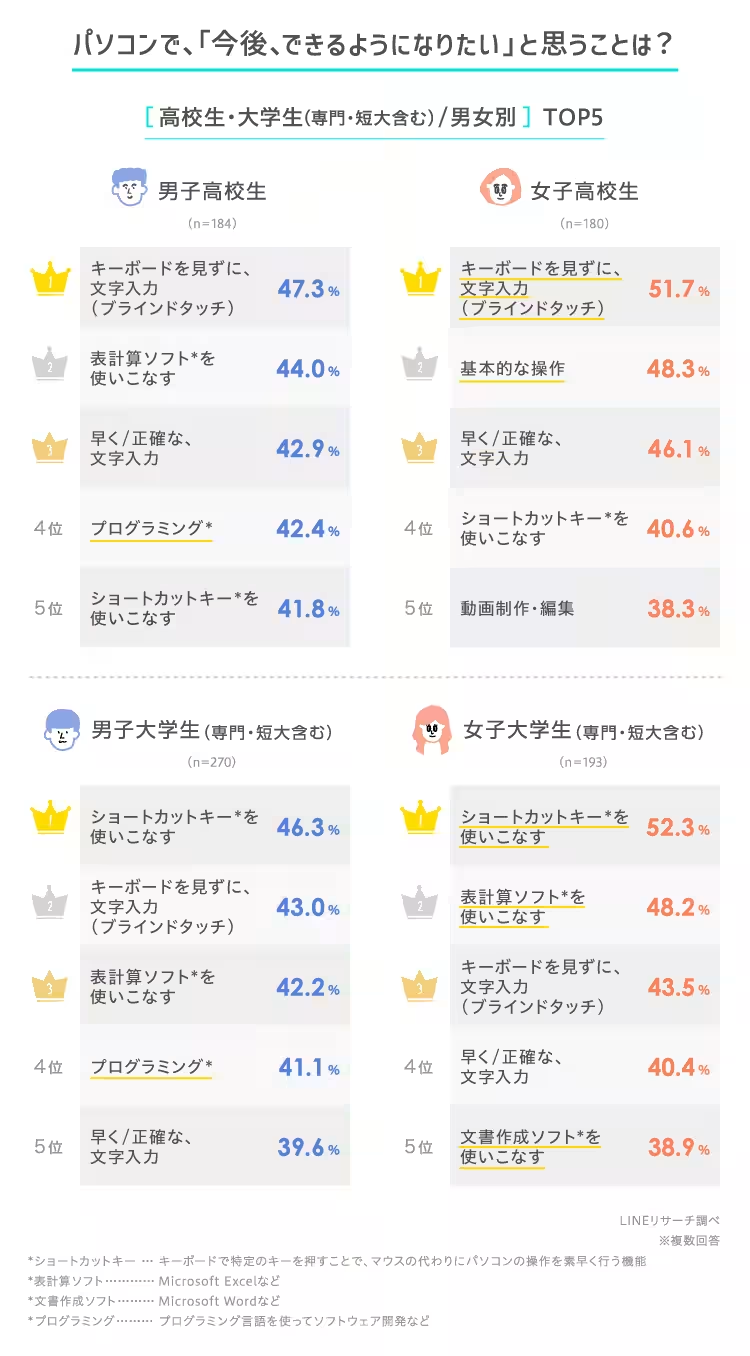
4. Future Skill Aspirations: High school students expressed a desire to learn key skills, such as typing without looking at the keyboard, while university students are keen on mastering shortcut keys. Additionally, programming remains a popular interest among young men across both high school and university levels.
Diving Deeper into Preferences
Usage Preferences by Age Group
1. Elementary Influence: High school students learning in their upper elementary years tend to have a balanced approach to computer literacy. Meanwhile, among university students, those starting their computer use later (in high school or beyond) still average significant engagement with technology in their academic fields.
2. Gender Differences in Usage: Observably, male students report greater familiarity and usage of computers compared to their female counterparts. For instance, statistics reveal that male students often indulge more in gaming and generative AI, revealing a digital landscape that fosters varied interests by gender.
3. Interests and Skills Development: When asked about their aspirations, many expressed an eagerness to gain proficiency in basic operations and software like Microsoft Excel and Word. Here, female students show a strong interest in everyday applications that computer skills enable.
Future Aspirations and Digital Literacy
In terms of future skills, high schoolers indicated a strong interest in functionalities such as blind typing, while university students yearned to fully leverage shortcut keys and programming capabilities. Notably, game design/video editing skills appear more appealing among high school students, reflecting a trend in emerging digital creativity.
Conclusion
The findings derived from the LINE Research survey offer a penumbral glimpse into the digital habits and aspirations of Japan's youth. As they navigate growing up in a tech-savvy environment, understanding their needs and shaping educational tools can pave the way for a more digitally literate future generation.
This research underscores the value of continuous engagement with technology from a young age, emphasizing the importance of accessibility and skill development among students. As they prepare to carve a path in an increasingly digital world, it remains crucial to support their endeavors in becoming proficient in computer technologies.
For more detailed statistics and insights, please visit the LINE Research portal.
Topics Consumer Technology)
【About Using Articles】
You can freely use the title and article content by linking to the page where the article is posted.
※ Images cannot be used.
【About Links】
Links are free to use.