



A Deep Dive into Business Webinar Participation Trends: Are They Still Effective?
In recent years, webinars have become a significant avenue for business professionals to gather insights and expand their knowledge. However, a new survey conducted by Sanbou Co., Ltd., targeting individuals aged 20 to 50 who participated in webinars within the last year, reveals startling trends about viewer habits and the effectiveness of these online events.
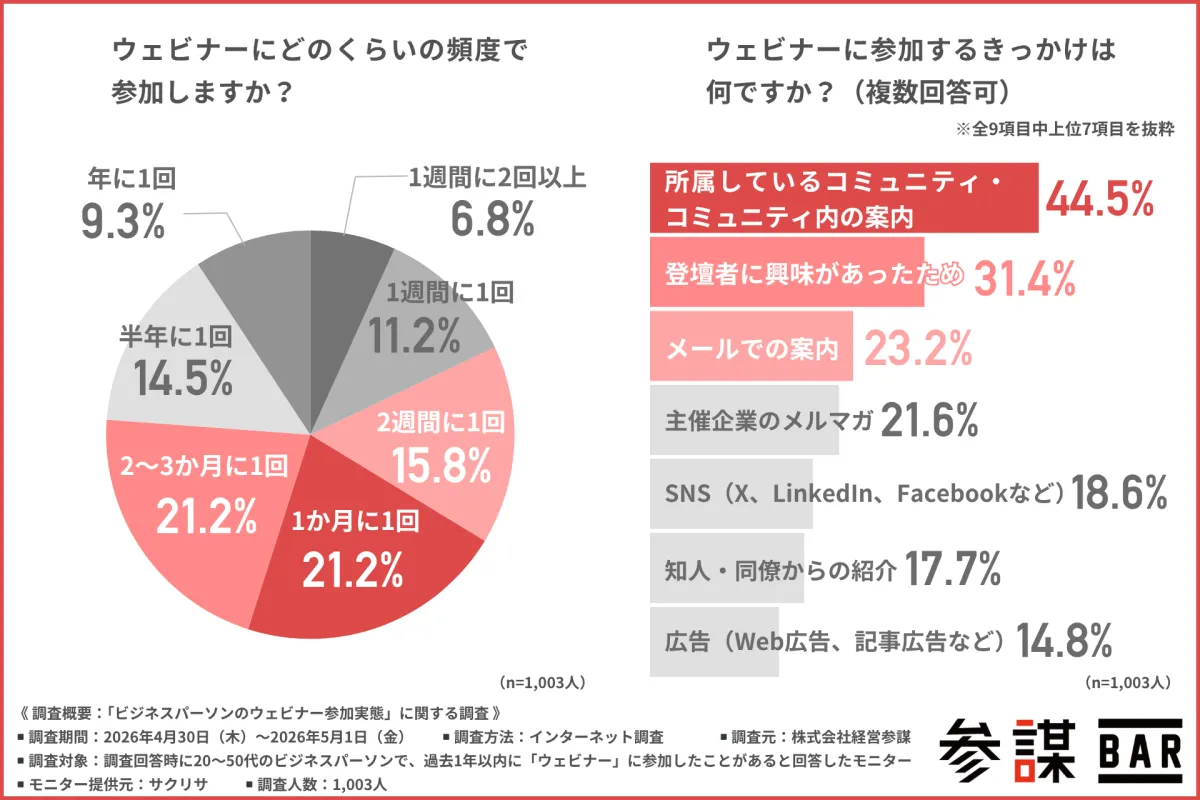
The survey, spanning April 30 to May 1, 2026, comprised 1,003 respondents all of whom identified as active participants in webinars. The primary goal of the online events largely revolves around lead generation and brand awareness for companies. With the accessibility of virtual formats, one might expect a high level of engagement during these sessions; however, the reality is more complex.
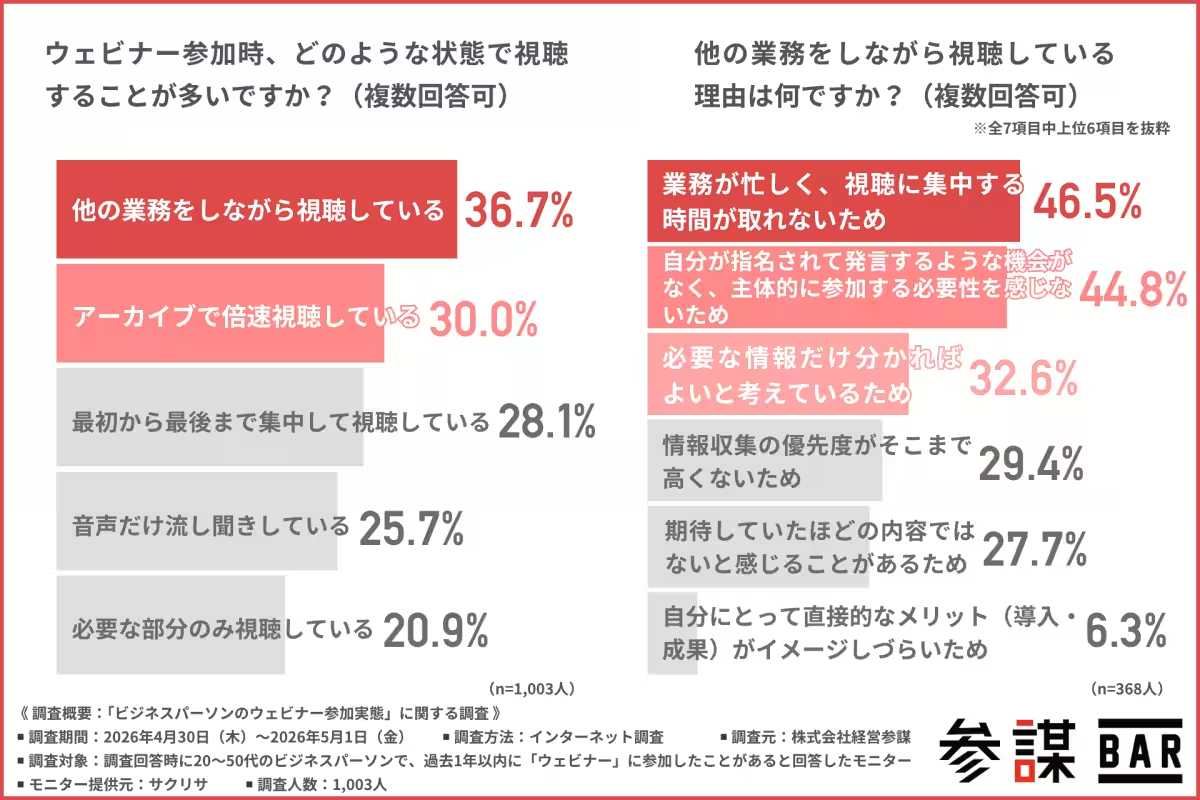
As the survey results illustrate, self-reported engagement levels have shifted markedly. Approximately 36.7% of respondents indicated they often multitask while attending webinars, and another 30.0% reported viewing recorded sessions at accelerated speeds. This trend points to a significant portion of the audience engaging in what's now termed 'binge-watching' the material, significantly reducing the likelihood of deep learning and engagement.
As hectic schedules dominate, many professionals find it challenging to allocate focused time exclusively for webinar participation. The aspiration of formative learning is becoming overshadowed by the requirement of efficiency. In fact, when respondents were asked why they engage in multitasking during webinars, a hefty 46.5% cited that they simply lack the time to devote to focused viewing. This suggests that for many, the webinar format has morphed into a secondary activity rather than a primary learning opportunity.
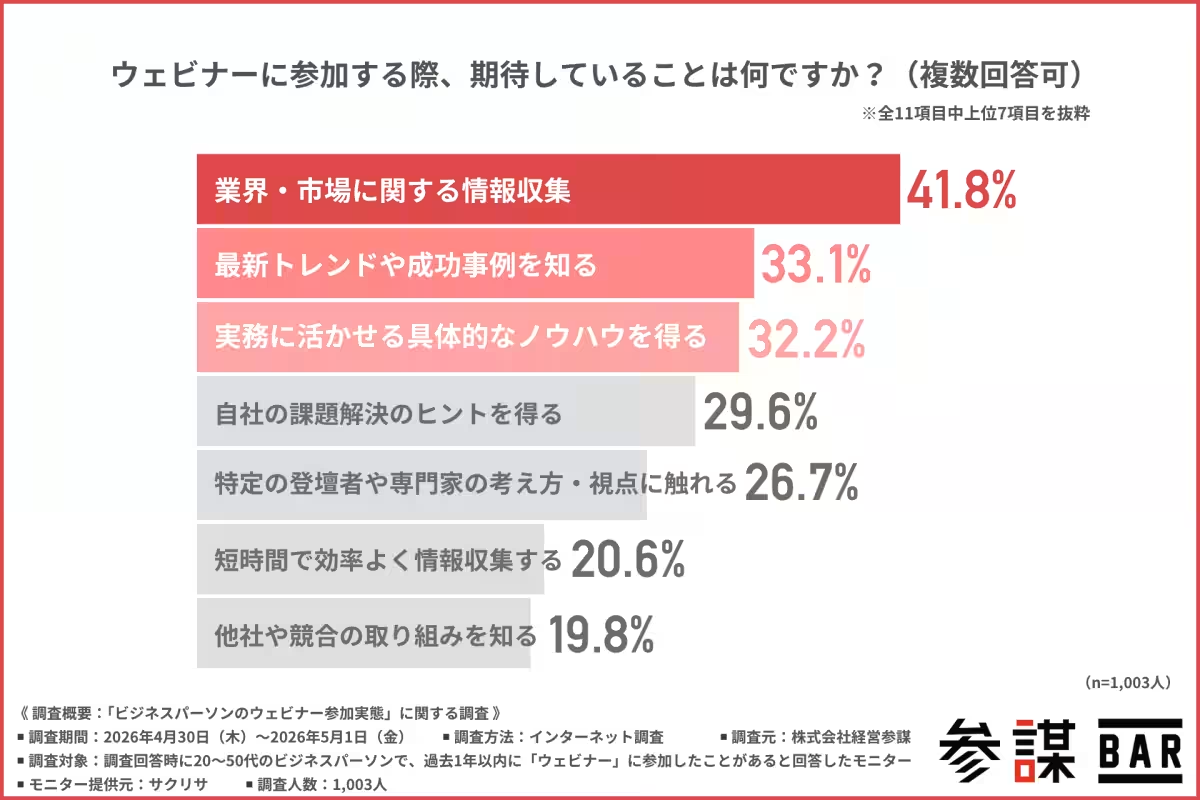
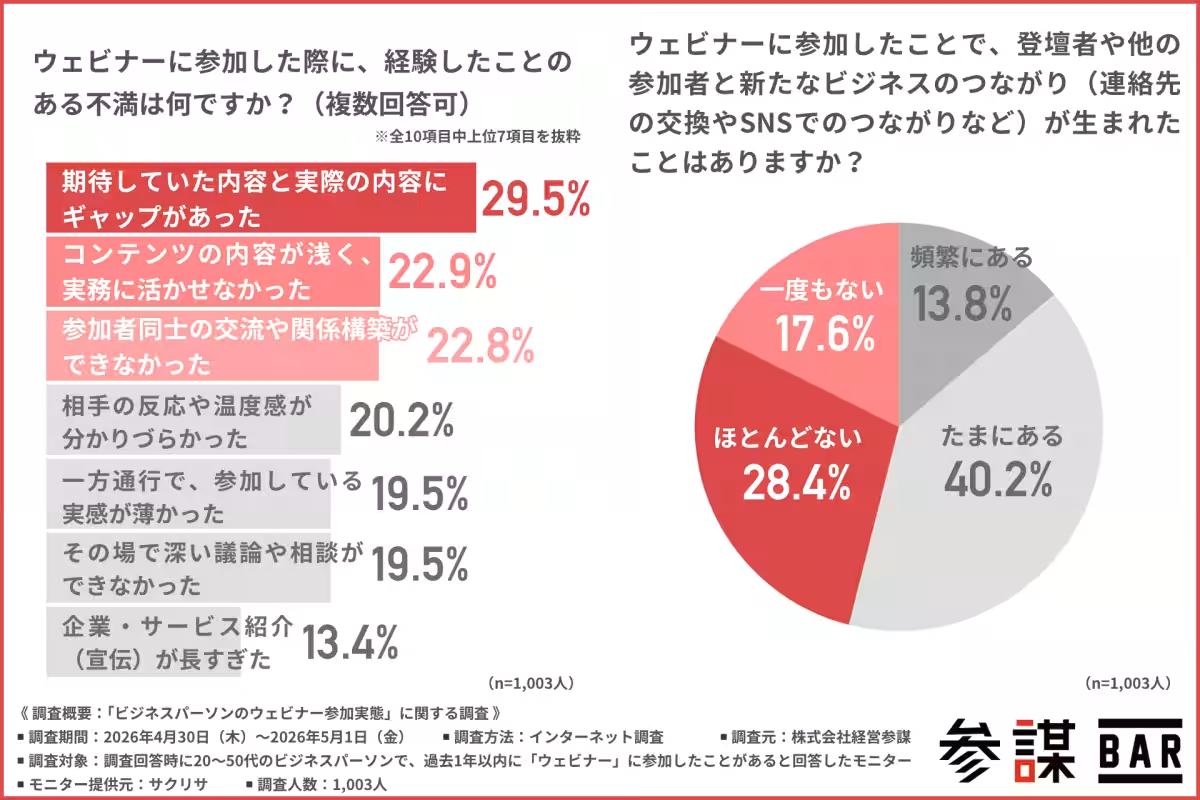
Participants also articulated various expectations when joining webinars. The leading motivators included obtaining insights on industry trends (41.8%), learning about the latest successful strategies (33.1%), and acquiring practical know-how (32.2%). However, many reported a significant gap between their expectations and actual experiences. Nearly 29.5% expressed dissatisfaction due to discrepancies between the anticipated and delivered content. Furthermore, a notable number felt the material was shallow and not applicable to their work, revealing a deep-rooted frustration among attendees.
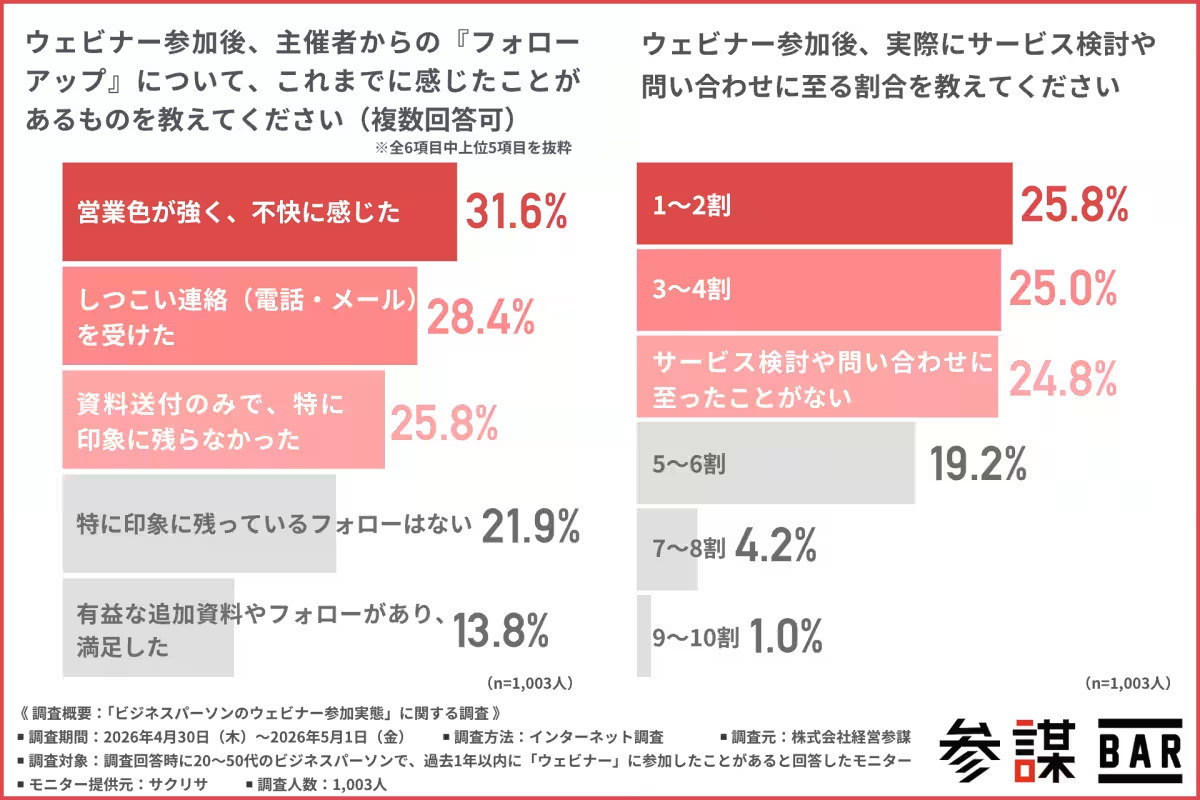
The disappointing reality of superficial content and a lack of opportunities for participant interaction are stifling meaningful engagement. Approximately half of the respondents reported that they had little to no new business connections arising from their webinar participation, indicating that the current format may not adequately facilitate relationship-building among peers.
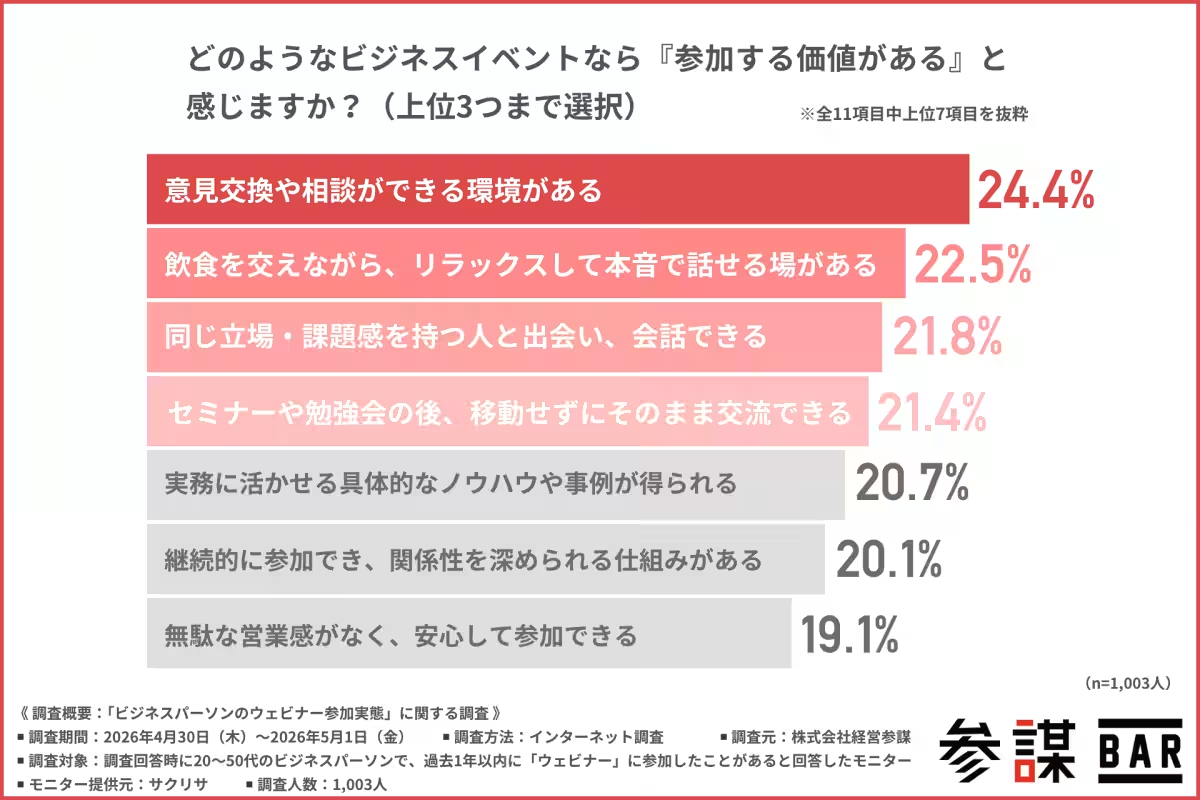
In investigating what would enhance the value of webinars, participants highlighted the need for interactive environments where they could exchange ideas, offer feedback, and engage in discussions. Over 24% expressed a desire for sessions that allow for such exchanges, and nearly 22.5% advocated for relaxed gatherings that foster open discussions among attendees. This illustrates that there is an intrinsic value in human connection, especially in professional settings.
This chain of events signals a shift in the webinar landscape. The traditional one-way delivery model, while efficient, no longer meets the evolving expectations of participants who seek a richer, more interactive experience. Moving forward, businesses hosting webinars might need to reimagine their approach – integrating facilitating discussions, offering space for peer networking, and fostering deeper connections beyond content delivery.
The findings from the Sanbou Co., Ltd. survey underscore an urgent need for businesses to rethink their webinar strategies. As participants increasingly engage in multitasking and express dissatisfaction with content depth and facilitation of interactions, it becomes essential to foster environments conducive to genuine participation and connection. By prioritizing interactivity and depth, organizations can begin to rebuild the value of webinars as an educational and networking tool within the business community. The future of online events might rely heavily on creating spaces that encourage active involvement and richer exchanges, paving the way for increased satisfaction and loyalty among participants.
For companies and professionals seeking to adapt to these trends, exploring new formats that emphasize collaboration and interactive engagement will be critical in maintaining the relevance and effectiveness of webinars in the modern business world.
For further insights and resources, check out the full details of the findings from Sanbou Co., Ltd. and explore ways to innovate future webinar events, ensuring they provide maximum value for attendees.
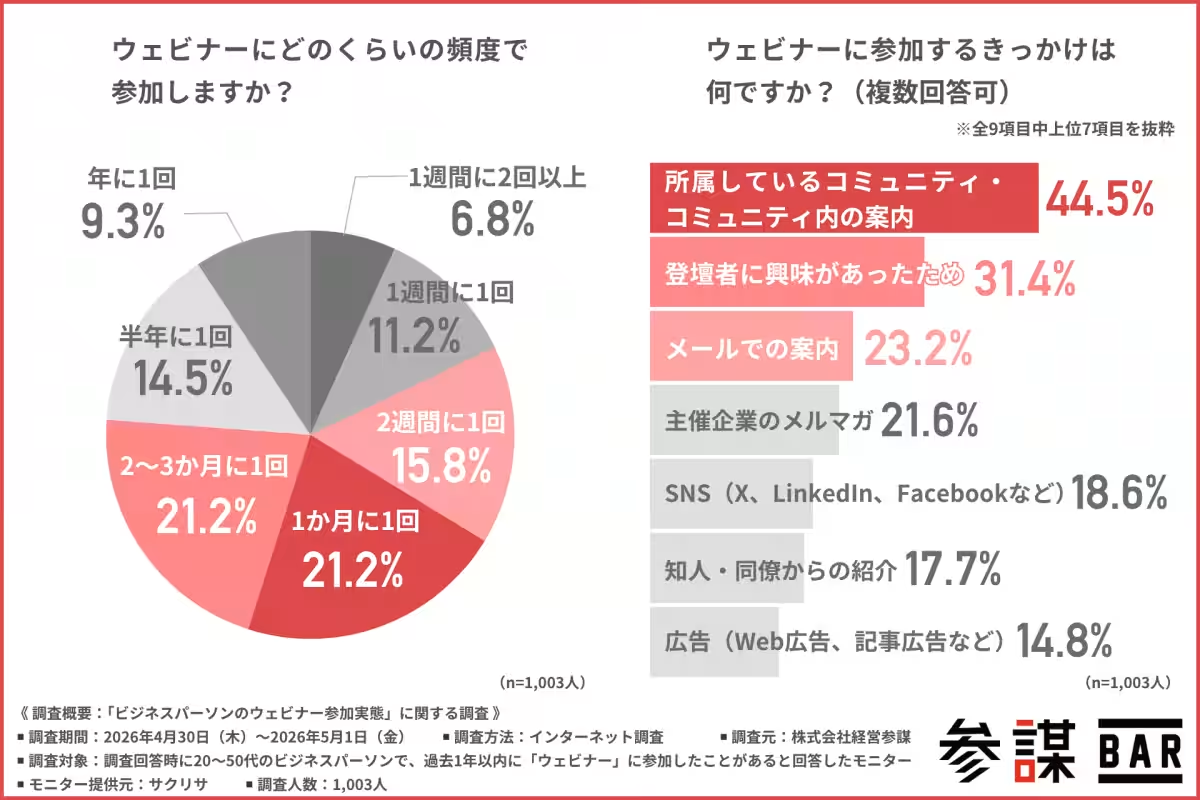






The survey, spanning April 30 to May 1, 2026, comprised 1,003 respondents all of whom identified as active participants in webinars. The primary goal of the online events largely revolves around lead generation and brand awareness for companies. With the accessibility of virtual formats, one might expect a high level of engagement during these sessions; however, the reality is more complex.
A Shift to Efficient Viewing
As the survey results illustrate, self-reported engagement levels have shifted markedly. Approximately 36.7% of respondents indicated they often multitask while attending webinars, and another 30.0% reported viewing recorded sessions at accelerated speeds. This trend points to a significant portion of the audience engaging in what's now termed 'binge-watching' the material, significantly reducing the likelihood of deep learning and engagement.
As hectic schedules dominate, many professionals find it challenging to allocate focused time exclusively for webinar participation. The aspiration of formative learning is becoming overshadowed by the requirement of efficiency. In fact, when respondents were asked why they engage in multitasking during webinars, a hefty 46.5% cited that they simply lack the time to devote to focused viewing. This suggests that for many, the webinar format has morphed into a secondary activity rather than a primary learning opportunity.
High Expectations vs. Real-World Realities
Participants also articulated various expectations when joining webinars. The leading motivators included obtaining insights on industry trends (41.8%), learning about the latest successful strategies (33.1%), and acquiring practical know-how (32.2%). However, many reported a significant gap between their expectations and actual experiences. Nearly 29.5% expressed dissatisfaction due to discrepancies between the anticipated and delivered content. Furthermore, a notable number felt the material was shallow and not applicable to their work, revealing a deep-rooted frustration among attendees.
The disappointing reality of superficial content and a lack of opportunities for participant interaction are stifling meaningful engagement. Approximately half of the respondents reported that they had little to no new business connections arising from their webinar participation, indicating that the current format may not adequately facilitate relationship-building among peers.
The Need for Interactive Formats
In investigating what would enhance the value of webinars, participants highlighted the need for interactive environments where they could exchange ideas, offer feedback, and engage in discussions. Over 24% expressed a desire for sessions that allow for such exchanges, and nearly 22.5% advocated for relaxed gatherings that foster open discussions among attendees. This illustrates that there is an intrinsic value in human connection, especially in professional settings.
This chain of events signals a shift in the webinar landscape. The traditional one-way delivery model, while efficient, no longer meets the evolving expectations of participants who seek a richer, more interactive experience. Moving forward, businesses hosting webinars might need to reimagine their approach – integrating facilitating discussions, offering space for peer networking, and fostering deeper connections beyond content delivery.
Conclusion: Rethinking Webinar Formats
The findings from the Sanbou Co., Ltd. survey underscore an urgent need for businesses to rethink their webinar strategies. As participants increasingly engage in multitasking and express dissatisfaction with content depth and facilitation of interactions, it becomes essential to foster environments conducive to genuine participation and connection. By prioritizing interactivity and depth, organizations can begin to rebuild the value of webinars as an educational and networking tool within the business community. The future of online events might rely heavily on creating spaces that encourage active involvement and richer exchanges, paving the way for increased satisfaction and loyalty among participants.
For companies and professionals seeking to adapt to these trends, exploring new formats that emphasize collaboration and interactive engagement will be critical in maintaining the relevance and effectiveness of webinars in the modern business world.
For further insights and resources, check out the full details of the findings from Sanbou Co., Ltd. and explore ways to innovate future webinar events, ensuring they provide maximum value for attendees.
Topics Consumer Technology)
【About Using Articles】
You can freely use the title and article content by linking to the page where the article is posted.
※ Images cannot be used.
【About Links】
Links are free to use.