



The Importance of UV Protection in Spring: Survey Reveals Key Insights
The Importance of UV Protection in Spring: Survey Reveals Key Insights
As the warmer weather arrives, so do the increasing levels of UV radiation. A recent survey conducted by IC Clinic sheds light on the general public's awareness of UV protection, particularly from April onwards. The study highlights crucial insights about sun damage and the need for appropriate preventive measures.
Understanding UV Rays
Ultraviolet (UV) rays, which range from 280 to 400 nanometers, are a form of electromagnetic radiation present in sunlight. They can be classified into UVA (long wave) and UVB (medium wave). UVA rays penetrate deeper into the skin, leading to wrinkles and sagging, while UVB rays primarily affect the outer skin layer, causing sunburn and pigmentation. Notably, UV radiation levels rise dramatically in April, reaching about 80% of what is seen in mid-summer.
Survey Summary
The study, which surveyed 300 individuals aged between 20 to 60 who engage in outdoor activities, reveals startling findings:
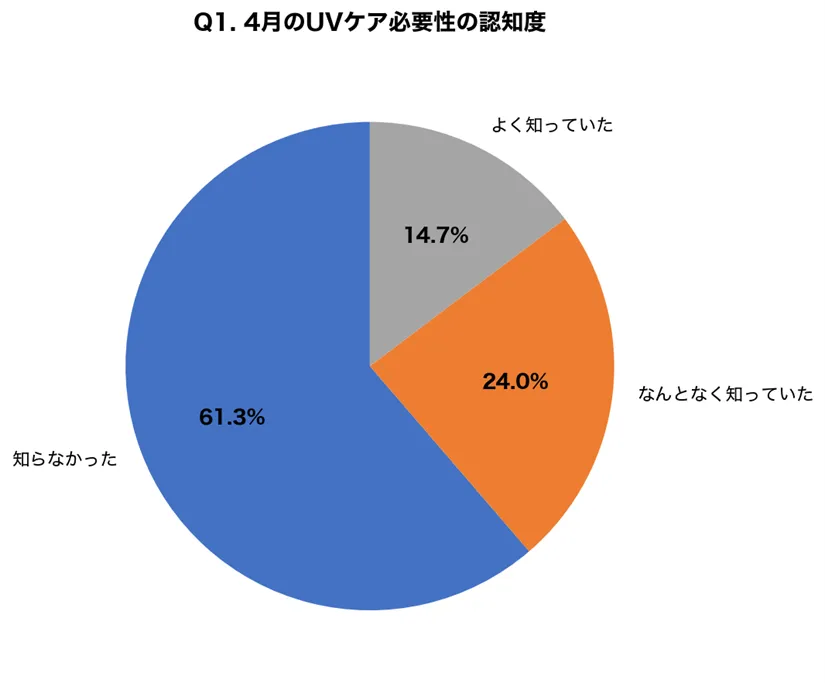
- - 61.3% of participants were unaware that UV care should begin in April.
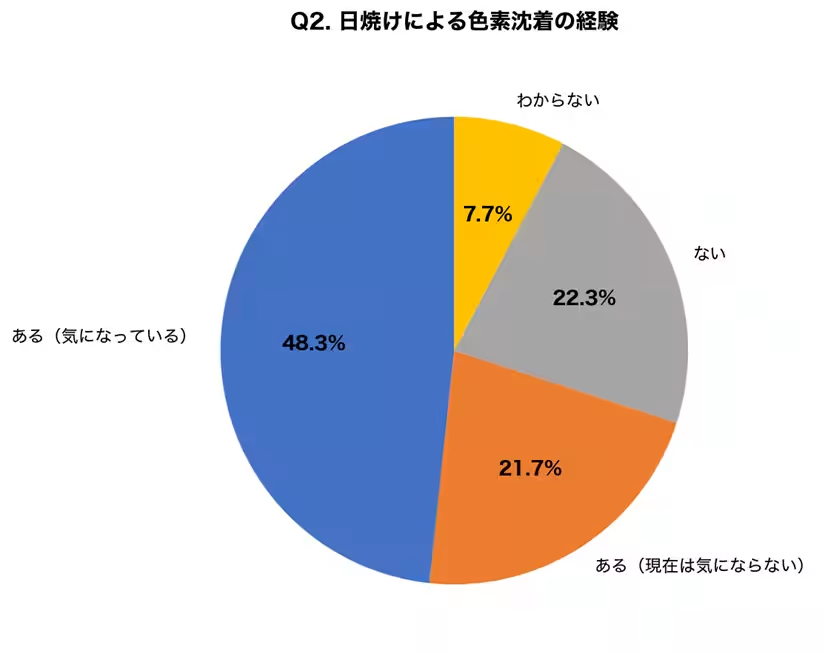
- - 70% reported experiencing sun-induced pigmentation and scars.
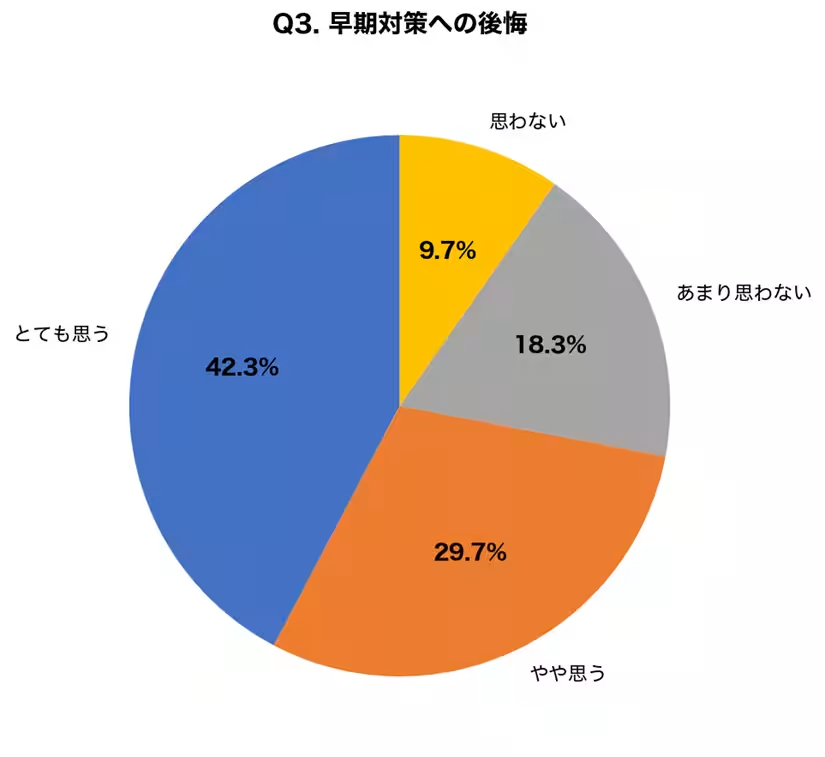
- - 72% of those with pigmentation regrets not starting their UV protection earlier.
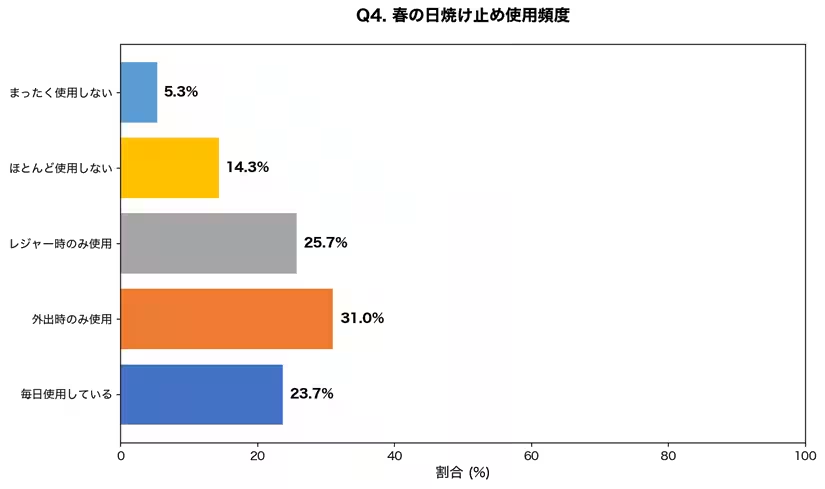
- - Only 23.7% routinely apply sunscreen during the spring months.
This data suggests a lack of understanding regarding the extent of UV exposure in spring and emphasizes the need for better education about skin protection.
The Mechanism Behind Pigmentation
Pigmentation occurs when melanin, a pigment produced by skin cells called melanocytes, accumulates excessively, leading to brown or black spots on the skin. This process can be triggered by UV exposure and inflammation. Once the melanin is deposited in the skin layers, it can be challenging to remove, illustrating the critical need for early intervention.
Recommendations for Effective UV Protection
Based on the findings, experts recommend implementing the following strategies for effective UV care starting in spring:
1. Use a broad-spectrum sunscreen with at least SPF 30 and PA+++
- This should be applied daily, even on cloudy days, and reapplied every 2-3 hours, particularly after swimming or sweating.
2. Moisturize within 72 hours of sun exposure.
- This 'golden period' is crucial for preventing pigmentation, as melanin production peaks during this time. Incorporating antioxidants like Vitamin C can also be beneficial.
3. Utilize physical barriers such as hats, sunglasses, and umbrellas.
- These can help shield the skin from direct sunlight, further reducing UV exposure.
The Role of Education and Awareness
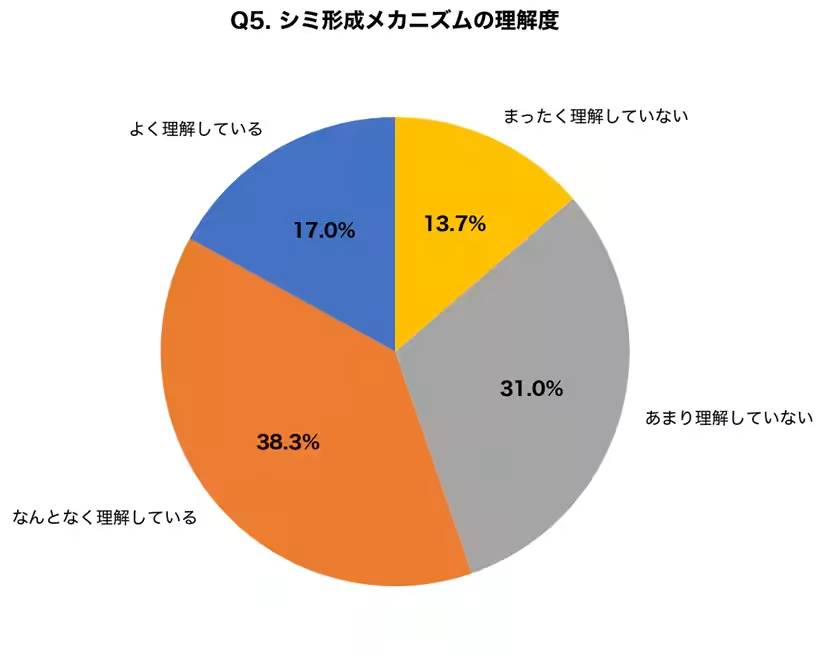
The survey results underscore a significant gap in public knowledge about spring UV exposure and its implications. Only 17% of respondents had a clear understanding of how UV rays contribute to pigmentation. This lack of awareness can lead to harmful consequences, making it imperative for medical professionals, like dermatologists, to promote education about UV protection strategies effectively.
Conclusion
With increasing evidence from the survey that highlights how unprepared many individuals are for the UV exposure in spring, it is essential to foster better awareness and preventive practices. By adopting protective measures and understanding the importance of early intervention, individuals can significantly reduce the risk of sun damage and pigmentation. As we transition into spring, make UV protection a priority to safeguard your skin for the long term.
For further guidance and skin assessments, IC Clinic is dedicated to providing tailored treatment options and consultations to address specific skin concerns.
- ---
Topics Health)
【About Using Articles】
You can freely use the title and article content by linking to the page where the article is posted.
※ Images cannot be used.
【About Links】
Links are free to use.