



Balancing Perspectives on Digital Transformation in the Workplace
Insights from the Latest Survey on Productivity Challenges
On November 26, the Japan Productivity Center, led by Chairman Kazutake Maeda, released the results of the 4th Business Person Awareness Survey on Productivity Challenges. The aim of the survey is to quantitatively understand the current perceptions of labor productivity, barriers to improvement, and possible solutions among business professionals.
Conducted from September 19 to 22, 2025, via the internet, the survey included responses from 2,882 employees working in organizations with over 300 staff members. This group comprised various levels of management, including 682 from executive roles, 1,100 from middle management, and another 1,100 from non-management positions. Additionally, the results were analyzed by role, industry—such as manufacturing, interpersonal services, and non-personal services—and the ratio of overseas revenue.
Key Findings
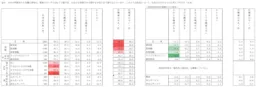
One of the alarming insights revealed that despite the international stagnation of Japan's labor productivity, 68.7% of respondents feel a sense of crisis regarding this issue. This feeling was more prevalent among executives, with 74.2% expressing concern, compared to 63.6% of non-management respondents.
When asked about the contributing factors to Japan's low labor productivity, 43.5% identified excessive unnecessary tasks and operations as the primary issue. This highlights a need for businesses to streamline and eliminate inefficiencies in their operations.
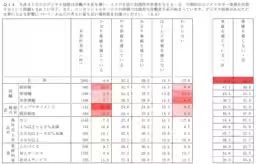
Moreover, the survey explored the impact of rising prices on productivity. Interestingly, 36.6% of respondents indicated that they could only pass on costs from rising material prices without affecting productivity. Only 7.0% viewed the price increases as an opportunity to enhance service and quality while boosting productivity, although this perception is slightly more common among top executives (14.1%) and the manufacturing sector (10.2%).
Wage Increases in Relation to Price Hikes
The survey also queried about wage increases against the backdrop of inflation. Results showed that only 32.7% of respondents felt that wage increases matched price hikes. In contrast, 55.0% believed they did not. Expectations for next year's wage increases forecasted over 4.0% were reported by 54.5% of respondents, whereas only 4.3% anticipated a rise of over 6.0%. Notably, this perception climbed to 10.1% among those with a substantial proportion of overseas revenue.
Digital Technologies and Job Security
On the issue of digital transformation, particularly the impact of generative AI and other technologies on their roles, responses were notably polarized. About 42.2% of professionals expressed that they felt threatened by the prospects of digital alternatives, while 44.1% did not, indicating nearly equal sentiment. Among top management, 23.9% reported a considerable sense of threat, suggesting that anxiety about job security increases with higher managerial levels.
Investment Barriers
Lastly, when considering the barriers to investment in human resources, technology, and research and development, 20.6% of the respondents indicated uncertainty, while 19.2% acknowledged constraints on managerial resources (personnel and funding) as a significant hurdle. This view was more prevalent among executives, demonstrating increased recognition of these challenges at higher levels of management.
In summary, the survey portrays a diverse range of perspectives regarding productivity in Japan’s workforce. While there are serious concerns about current productivity levels and the hindrances posed by digital transformation, there remains a cautious optimism about leveraging these changes for future improvement.
Conclusion
As organizations navigate these complexities, it will be vital to reassess strategies and prioritize investments in efficiency and workforce skills, particularly as digital solutions become increasingly integral to business operations. The findings serve as a crucial diagnostic tool for both businesses and policymakers aiming to improve productivity and adapt to an evolving market landscape.



Topics Business Technology)
【About Using Articles】
You can freely use the title and article content by linking to the page where the article is posted.
※ Images cannot be used.
【About Links】
Links are free to use.